
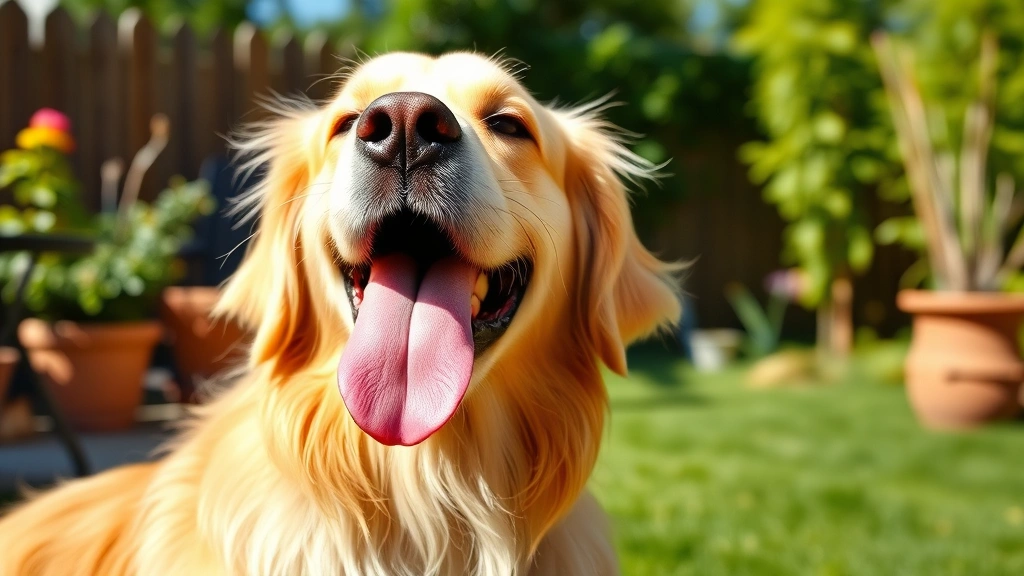
Why Do Dogs Lick the Air? Understanding the Behavior
If you’ve ever caught your furry best friend standing in the middle of the room, tongue flicking rapidly at seemingly nothing, you’re not alone. Air licking is one of those quirky dog behaviors that can leave pet parents scratching their heads wondering, “What on earth is my pup doing?” The good news? This behavior is usually nothing to worry about, though it can occasionally signal something worth paying attention to.
Dogs communicate through a complex language of body movements, vocalizations, and yes—even air licking. Understanding why your dog engages in this peculiar habit can deepen your bond and help you recognize when your four-legged companion might need veterinary attention. Whether it’s a sign of excitement, anxiety, or a neurological quirk, we’re here to help you decode what your pup is really trying to tell you.
In this comprehensive guide, we’ll explore the various reasons dogs lick the air, what it means for your pet’s health and behavior, and when you should be concerned enough to contact your veterinarian. Let’s dive into the fascinating world of canine behavior and unlock the mystery behind those rapid-fire air-licking sessions.
Common Reasons Dogs Lick the Air
Air licking in dogs can stem from multiple sources, ranging from perfectly normal behavioral expressions to signs of underlying medical issues. The key to understanding your dog lies in observing the context and frequency of the behavior. Is your dog licking the air during specific moments, or does it happen throughout the day? Understanding the broader context of why dogs lick everything can help you recognize patterns in your pet’s behavior.
One of the most straightforward explanations is that your dog is simply responding to stimuli in their environment. Dogs have an incredible sense of smell—up to 100,000 times more sensitive than humans—and they’re constantly processing information through their nasal passages. When your pup licks the air, they might be collecting scent particles and moisture to enhance their olfactory experience.
Anticipation and excitement frequently trigger air licking behavior. If your dog knows dinner time is approaching or they sense you’re about to take them for a walk, they might start licking the air as a sign of enthusiasm and eagerness. This is generally a positive sign that your pup is happy and engaged with their surroundings.

Sensory Exploration and Scent Detection
Dogs experience the world primarily through their senses, and air licking plays an important role in their sensory exploration toolkit. When a dog licks the air, they’re engaging their vomeronasal organ, also known as the Jacobson’s organ. This specialized sensory system is located in the roof of the mouth and helps dogs detect pheromones and other chemical signals in their environment.
The Jacobson’s organ is particularly important for dogs in detecting other animals’ emotional states and territorial markers. By licking the air, your dog can essentially “taste” the environment and gather crucial information about who has been in their space, what they were feeling, and other subtle details invisible to the human eye. This is why your dog might lick the air more frequently when you bring home items with unfamiliar scents.
During walks, you might notice your dog engaging in this behavior more frequently, especially in areas where other dogs have passed through. They’re not just being silly—they’re conducting an important investigation. The moisture from licking helps particles adhere to the vomeronasal organ, allowing for more detailed scent analysis. Understanding this aspect of why dogs lick their paws and other objects reveals how sophisticated their sensory world truly is.
Research from veterinary behaviorists suggests that this sensory-seeking behavior is entirely normal and healthy. It’s your dog’s way of staying connected to their environment and processing important information. When your dog engages in regular air licking during normal circumstances, there’s usually nothing to be concerned about.
Medical and Health Considerations
While most air licking is benign, certain medical conditions can cause excessive or obsessive air licking. This is where context becomes critically important. If your dog has suddenly started licking the air excessively or the behavior seems compulsive, it warrants veterinary attention.
Nausea and gastrointestinal discomfort frequently trigger air licking behavior. Dogs experiencing an upset stomach might lick the air in an attempt to relieve their discomfort. If you notice this behavior accompanied by other signs like vomiting, diarrhea, loss of appetite, or lethargy, contact your veterinarian promptly.
Dental problems can also cause air licking. Dogs with tooth pain, gum disease, or mouth irritation might engage in this behavior as they try to manage their discomfort. Regular dental check-ups are essential for preventing these issues and ensuring your pup’s oral health remains excellent.

Neurological conditions represent another important consideration. In rare cases, excessive air licking can be associated with seizure disorders or other neurological issues. According to the American Kennel Club’s expert resources, any sudden change in your dog’s behavior warrants professional evaluation.
Allergies, both environmental and food-related, can trigger air licking as well. Dogs with itchy mouths or throats might engage in this behavior to find relief. If your dog shows other allergy symptoms like excessive scratching, ear infections, or skin irritation, discuss these concerns with your veterinarian.
Anxiety and stress can manifest through air licking too. Dogs experiencing fear, anxiety, or stress might develop compulsive behaviors, including excessive air licking. Understanding why your dog is acting weird during stressful situations can help you provide appropriate support and comfort.
Behavioral and Emotional Triggers
Your dog’s emotional state plays a significant role in whether they engage in air licking behavior. Dogs are incredibly perceptive creatures that pick up on human emotions and environmental changes. If you’re stressed or anxious, your dog might mirror that energy and express it through air licking.
Excitement is perhaps the most common emotional trigger for air licking. When your dog anticipates something positive—whether it’s mealtime, playtime, or your arrival home—they might engage in rapid air licking as a way to express their enthusiasm. This is generally harmless and actually quite endearing.
Frustration and anticipation often go hand-in-hand in canine behavior. If your dog can see or smell something they want but can’t access it, they might lick the air in frustration. This is similar to how dogs lick their owners to express affection or seek attention.
The relationship between air licking and overall canine communication is fascinating. Dogs use licking as a multi-purpose tool for bonding, exploration, and expression. When your dog licks the air, they’re adding another layer to their complex communication repertoire.
Submissive behavior can also involve air licking. Some dogs engage in this behavior when they encounter other dogs or people they perceive as dominant. It’s a calming signal that communicates non-threatening intentions and deference.
When to Contact Your Veterinarian
Knowing when air licking transitions from normal behavior to a potential health concern is crucial for responsible pet ownership. According to the ASPCA’s pet care guidelines, certain warning signs should prompt immediate veterinary attention.
You should contact your veterinarian if:
- Your dog suddenly starts licking the air excessively when they previously didn’t
- The behavior occurs multiple times daily and seems compulsive
- Air licking is accompanied by other symptoms like vomiting, diarrhea, or loss of appetite
- Your dog appears to be in distress or pain
- The behavior interferes with normal eating, sleeping, or playing
- You notice other behavioral changes alongside air licking
- Your dog shows signs of anxiety or stress during these episodes
During your veterinary visit, be prepared to describe the frequency and context of the behavior. When did it start? How often does it occur? Are there specific triggers? What other symptoms, if any, have you noticed? This information will help your veterinarian make an accurate diagnosis.
Your vet might recommend blood work, imaging, or behavioral evaluation depending on their initial assessment. They can rule out medical conditions and determine whether the air licking is behavioral or health-related. Don’t hesitate to seek professional guidance—it’s always better to err on the side of caution with your furry friend.
Tips for Managing Air Licking
If your dog’s air licking is occasional and not accompanied by other symptoms, there are several strategies you can employ to manage or redirect the behavior.
Environmental Management: Reduce stress triggers in your dog’s environment. Create a calm, safe space where your pup can retreat when feeling anxious. Consistent routines help dogs feel secure and can reduce anxiety-related behaviors.
Mental Stimulation: Engage your dog with puzzle toys, training sessions, and interactive play. Mental enrichment can redirect obsessive behaviors toward productive activities. A mentally stimulated dog is less likely to develop compulsive behaviors.
Physical Exercise: Ensure your dog gets adequate physical activity appropriate for their age and breed. Regular exercise helps burn excess energy and reduces stress and anxiety.
Positive Reinforcement: When your dog engages in desired behaviors instead of air licking, reward them generously. This reinforces positive behavior patterns and redirects their attention appropriately.
Calming Techniques: Consider using calming supplements, pheromone diffusers, or anxiety wraps if your dog’s air licking is stress-related. Always consult your veterinarian before introducing new supplements.
Consistent Training: Work with a professional dog trainer if the behavior is problematic. They can help you develop strategies tailored to your specific dog’s needs and personality.
Understanding the connection between licking the air and other behavioral issues can help you address root causes rather than just symptoms. Sometimes what appears as air licking might be part of a broader behavioral pattern that benefits from professional intervention.
Frequently Asked Questions
Is air licking normal dog behavior?
Yes, occasional air licking is perfectly normal for most dogs. It’s typically a harmless behavior related to scent detection, excitement, or anticipation. However, if the behavior suddenly becomes excessive or compulsive, it warrants veterinary evaluation.
Can air licking indicate a serious health problem?
While most air licking is benign, it can occasionally signal underlying issues like nausea, dental problems, neurological conditions, or allergies. The key is context—sudden changes or excessive frequency should be evaluated by your veterinarian.
Why does my dog lick the air when I’m about to feed them?
This is typically a sign of excitement and anticipation. Your dog has learned to associate certain cues (like you getting their food bowl) with mealtime, and the air licking expresses their enthusiasm and eagerness.
Is compulsive air licking a sign of anxiety?
Compulsive air licking can be associated with anxiety, stress, or obsessive-compulsive behaviors. If your dog engages in this behavior excessively, especially during stressful situations, consult your veterinarian or a certified animal behaviorist.
Can allergies cause air licking?
Yes, both environmental and food allergies can trigger air licking. Allergies often cause itching or irritation in the mouth and throat, and dogs might lick the air to find relief. Look for other allergy symptoms like excessive scratching or ear infections.
Should I be concerned if my puppy licks the air frequently?
Puppies explore their world through their senses, so occasional air licking is normal. However, if it becomes excessive or is accompanied by other concerning symptoms, have your puppy evaluated by your veterinarian.
How can I tell if my dog’s air licking is a behavior problem?
Air licking becomes problematic when it’s excessive, compulsive, or interferes with normal functioning. If your dog engages in constant air licking or seems unable to stop, professional evaluation is recommended.
Can certain dog breeds be more prone to air licking?
While air licking occurs across all breeds, some breeds might be more prone to obsessive or compulsive behaviors. Breeds like Bull Terriers and German Shepherds sometimes develop compulsive disorders, though individual temperament varies greatly.





