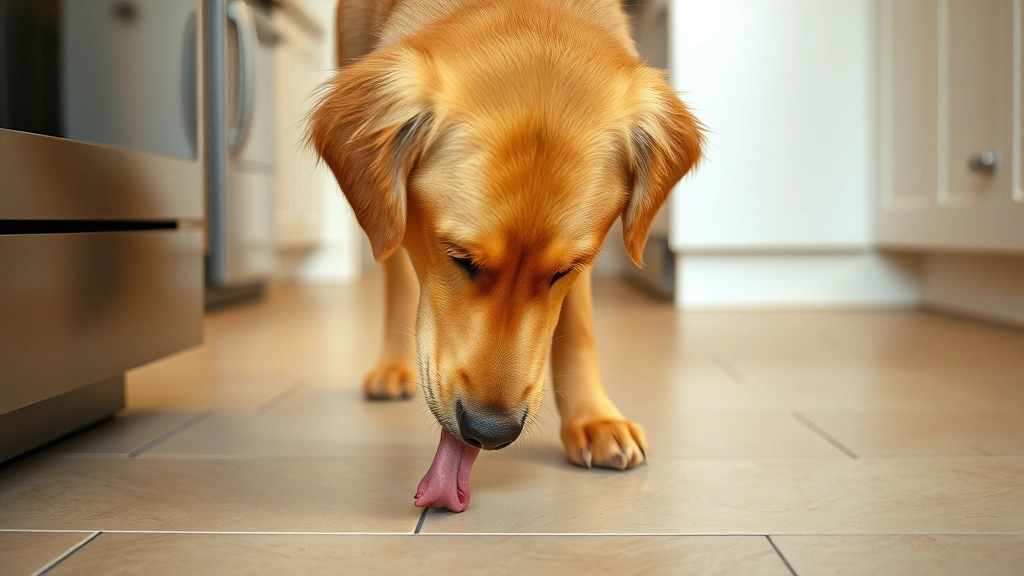
If you’ve ever wondered why do dogs lick the floor, you’re not alone—this quirky behavior baffles pet owners everywhere. One minute your pup is lounging peacefully, and the next they’re obsessively licking the kitchen tile like it’s the most delicious thing on Earth. While it might seem random or even gross, floor licking is actually a window into your dog’s physical health, emotional state, and instinctual behaviors. Understanding what’s driving this behavior can help you determine whether it’s harmless quirk or a sign something needs attention.
Table of Contents
- The Scent-Seeking Explanation: Dogs Are Flavor Detectives
- Nutritional Deficiencies and Pica: When Floor Licking Gets Serious
- Digestive Issues and Nausea: A Sign of Discomfort
- Anxiety and Stress: The Comfort-Seeking Behavior
- Obsessive-Compulsive Behavior: When It Becomes Excessive
- Boredom and Lack of Stimulation: The Understimulated Pup
- Oral Infections or Dental Problems: Pain-Related Licking
- Behavioral Reinforcement: Accidentally Rewarding the Behavior
- Temperature Regulation: Seeking Coolness
- When to Call the Vet: Red Flags and Warning Signs
- Practical Solutions: Managing Floor Licking Behavior
- Frequently Asked Questions
- Conclusion: Understanding Your Dog’s Quirky Habits
The Scent-Seeking Explanation: Dogs Are Flavor Detectives
Your floor is basically a gourmet buffet of smells and tastes from your perspective—and that’s exactly what makes it irresistible to your dog. Dogs experience the world through their noses first, and their sense of smell is roughly 10,000 to 100,000 times more sensitive than ours. When your pup licks the floor, they’re essentially reading the story of your home written in microscopic food particles, spilled drinks, and mysterious crumbs. That pizza you dropped last week? Still there in scent form. The peanut butter smudge from breakfast? Your dog remembers, and they’re determined to find every last molecule. This is completely normal behavior and often harmless—just a dog being a dog.
Nutritional Deficiencies and Pica: When Floor Licking Gets Serious
Sometimes floor licking crosses from quirky into concerning. If your dog is excessively licking non-food items, including floors, walls, and furniture, they might be experiencing pica—a condition where dogs compulsively consume or lick non-food substances. Pica can stem from nutritional deficiencies, particularly lacking minerals like zinc, iron, or B vitamins. A diet deficient in essential nutrients might drive your dog to seek these substances elsewhere, even if that means licking the floor. If you notice your dog engaging in obsessive floor licking, it’s worth discussing with your veterinarian. They can run bloodwork to check for deficiencies and recommend dietary adjustments or supplements. PetMD’s nutrition guides offer excellent resources on balanced canine diets.

Digestive Issues and Nausea: A Sign of Discomfort
Floor licking can also indicate gastrointestinal distress. Dogs experiencing nausea, acid reflux, or other digestive issues sometimes lick floors excessively—possibly because they’re seeking relief or because their stomach feels unsettled. This behavior is thought to be soothing for dogs with an upset belly, similar to how humans might sip ginger ale when feeling queasy. If your dog’s floor licking is accompanied by vomiting, diarrhea, loss of appetite, or other signs of illness, a vet visit is definitely warranted. Your veterinarian can examine your pup and determine if there’s an underlying digestive problem. For more information on recognizing signs of discomfort, check out our guide on my dog has a dry cough and then gags.
Anxiety and Stress: The Comfort-Seeking Behavior
Just like humans might bite their nails or tap their feet when anxious, dogs often resort to repetitive behaviors to self-soothe. Floor licking can be a calming mechanism for stressed or anxious dogs. Whether triggered by loud noises, separation anxiety, changes in their environment, or other stressors, some dogs find the repetitive motion of licking comforting. This behavior releases endorphins, which help reduce anxiety temporarily. If you notice your dog licking the floor primarily during thunderstorms, when you leave home, or during other stressful situations, anxiety might be the culprit. Creating a calm environment, using anxiety wraps, or consulting with a veterinary behaviorist can help. Understanding is my dog happy and emotionally balanced is crucial to their overall wellbeing.

Obsessive-Compulsive Behavior: When It Becomes Excessive
In some cases, floor licking develops into obsessive-compulsive behavior (OCD) in dogs. Certain breeds like Bull Terriers and German Shepherds are genetically predisposed to compulsive behaviors, including excessive licking. When floor licking becomes truly obsessive—happening for hours, causing injury to the tongue or mouth, or interfering with normal activities—it’s time to intervene. Compulsive licking disorder can develop from anxiety, genetics, or neurological issues. Treatment might include behavioral modification, environmental enrichment, anti-anxiety medications, or a combination of approaches. Your vet can help differentiate between normal floor licking and compulsive behavior.
Boredom and Lack of Stimulation: The Understimulated Pup
Sometimes the simplest explanation is the right one: your dog is bored. Dogs need mental and physical stimulation to stay happy and engaged. Without adequate exercise, play, or enrichment activities, some dogs turn to repetitive behaviors like floor licking to pass the time. A bored dog is more likely to engage in destructive or unusual behaviors, so ensuring your pup gets enough activity is essential. Try increasing playtime, introducing puzzle toys, going for longer walks, or enrolling in training classes. A tired dog is a well-behaved dog, and you might find that addressing boredom eliminates the floor-licking habit entirely.
Oral Infections or Dental Problems: Pain-Related Licking
Dental disease, mouth infections, or oral injuries can also trigger excessive floor licking. Dogs experiencing pain in their mouth might lick the floor as a way to manage discomfort or because the cool surface feels soothing. If your dog’s floor licking is accompanied by bad breath, drooling, difficulty eating, swollen gums, or visible tooth damage, schedule a dental exam immediately. Dental problems are incredibly common in dogs and can lead to serious health issues if left untreated. Your veterinarian can perform a thorough oral examination and recommend professional cleaning or other treatments as needed.
Behavioral Reinforcement: Accidentally Rewarding the Behavior
Here’s something many pet owners don’t realize: they might be accidentally encouraging floor licking. If your dog licks the floor and you respond—whether by laughing, talking to them, or even scolding them—you’re providing attention, which can reinforce the behavior. Dogs love attention, even if it’s negative attention. If you want to reduce floor licking, try ignoring the behavior entirely and instead redirecting your dog to appropriate activities. Reward them with treats and praise when they engage in desired behaviors instead. Consistency is key when breaking any habit.
Temperature Regulation: Seeking Coolness
On hot days, your dog might lick the floor simply because it feels good. Tile and hardwood floors stay cooler than carpet, and licking them can help dogs regulate their body temperature when they’re overheated. This is especially common in senior dogs or those with heavy coats. If it’s too hot to walk your dog, they might resort to cooling strategies like floor licking. Make sure your pup has access to shade, fresh water, and cool resting areas during warm weather. Consider providing a cooling mat or allowing them to rest on tile floors during hot spells.
When to Call the Vet: Red Flags and Warning Signs
While occasional floor licking is usually harmless, certain situations warrant veterinary attention. Contact your vet if your dog is:

- Licking the floor obsessively for extended periods
- Showing signs of illness like vomiting, diarrhea, or loss of appetite
- Displaying behavioral changes or increased anxiety
- Having difficulty eating or showing signs of dental disease
- Licking to the point of causing injury to their mouth or tongue
- Exhibiting other concerning symptoms alongside floor licking
Your veterinarian can perform a comprehensive examination and run tests if necessary to rule out medical causes. According to the American Kennel Club, understanding your dog’s behavior patterns is essential for early detection of health problems.
Practical Solutions: Managing Floor Licking Behavior
If your dog’s floor licking is becoming problematic, here are some practical strategies:

- Keep floors clean: Remove food debris and spills promptly to eliminate temptation
- Provide alternatives: Offer lick mats, puzzle toys, or frozen treats to redirect the behavior
- Increase exercise: Ensure your dog gets adequate physical activity daily
- Create a routine: Establish predictable schedules for feeding, play, and rest
- Use positive reinforcement: Reward your dog when they engage in appropriate behaviors
- Manage stress: Identify and minimize anxiety triggers when possible
- Consult professionals: Work with your vet or a certified dog behaviorist if needed
Sometimes addressing the underlying cause—whether it’s boredom, anxiety, or a nutritional deficiency—is all that’s needed to resolve the behavior.
Frequently Asked Questions
Is it dangerous for dogs to lick the floor?
Occasional floor licking is generally safe, but excessive licking can be problematic. If your dog ingests harmful substances like cleaning chemicals, pesticides, or foreign objects while licking, it could cause serious health issues. Keep your floors clean and free of hazardous materials. If your dog is compulsively licking to the point of injuring their mouth or tongue, veterinary intervention is necessary.

Why does my dog lick the floor after eating?
Dogs lick the floor after meals to clean up any remaining food particles and to enjoy lingering flavors. This is completely normal behavior and nothing to worry about. They’re simply being thorough scavengers, which is instinctual for dogs.
Can floor licking indicate a serious health problem?
While occasional floor licking is usually harmless, excessive or obsessive floor licking can indicate underlying health issues like nutritional deficiencies, digestive problems, dental disease, or behavioral disorders. If the behavior is new, sudden, or accompanied by other symptoms, consult your veterinarian.

How can I stop my dog from licking the floor?
The approach depends on the underlying cause. Increase exercise and mental stimulation for bored dogs, manage anxiety triggers for stressed dogs, maintain dental health, ensure proper nutrition, and use positive reinforcement to redirect behavior. If the behavior persists, work with your vet or a professional behaviorist.
Is floor licking related to allergies?
While floor licking itself isn’t a direct sign of allergies, dogs with allergies might lick their paws or other areas more frequently. If your dog is licking the floor excessively and also showing signs of allergies (itching, rashes, or excessive grooming), discuss this with your veterinarian.

Should I be concerned if my puppy licks the floor?
Puppies naturally explore their environment through licking and sniffing, so some floor licking is normal. However, ensure your floors are clean and safe, and monitor for signs of pica or other concerning behaviors. If the behavior seems excessive or is accompanied by illness signs, consult your vet.
Conclusion: Understanding Your Dog’s Quirky Habits
So, why do dogs lick the floor? The answer isn’t one-size-fits-all—it could be anything from harmless scent exploration to a sign of underlying health or behavioral issues. Most of the time, your dog is simply being a dog, enjoying the complex smorgasbord of smells and tastes your floor offers. However, if the behavior becomes obsessive, is accompanied by other symptoms, or seems out of character for your pup, it’s worth investigating further with your veterinarian. By paying attention to context, frequency, and accompanying signs, you can determine whether your dog’s floor-licking habit is just a quirk or a signal that something needs attention. Remember, your dog can’t tell you what’s wrong, so observing their behavior patterns is one of the best ways to stay on top of their health and happiness. Whether you need to rule out medical issues, address anxiety, or simply provide more enrichment, taking action shows your pup how much you care.