
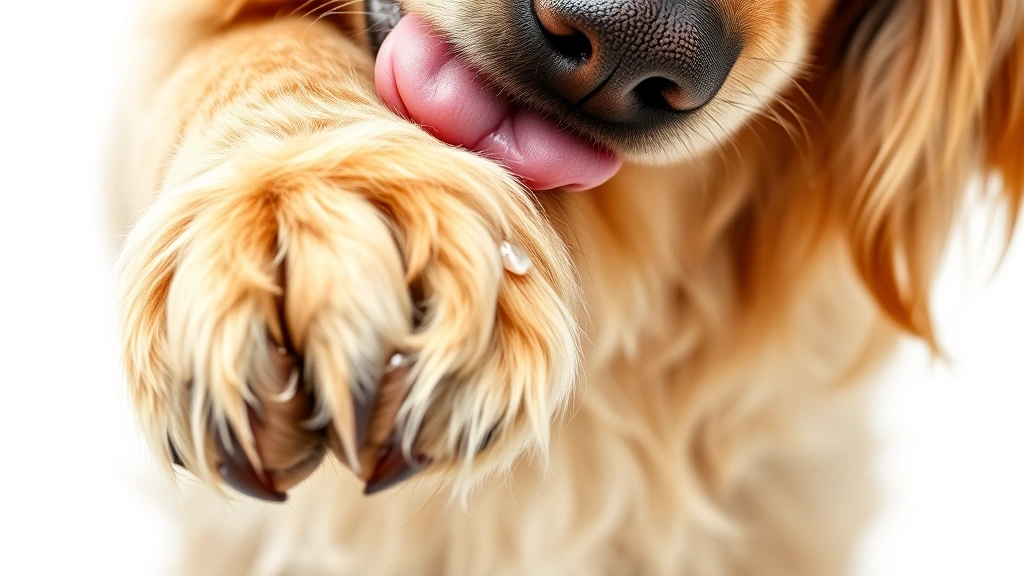
If you’ve ever wondered why do dogs lick their feet, you’re not alone—this is one of the most common questions pet parents ask their vets. Your pup might spend what feels like hours grooming their paws, and while some licking is totally normal, excessive foot licking can signal anything from allergies to anxiety. Let’s dig into what’s really going on with your furry friend’s feet-focused obsession.
Table of Contents
- Is Foot Licking Normal Dog Behavior?
- Cause #1: Allergies and Itchy Paws
- Cause #2: Parasites and Skin Infections
- Cause #3: Anxiety and Stress-Related Licking
- Cause #4: Injury, Pain, or Arthritis
- Cause #5: Boredom and Habit
- How to Stop Excessive Paw Licking
- When to Call Your Vet
- Natural Remedies and Home Care Tips
- Breed-Specific Considerations
- Frequently Asked Questions
- Final Thoughts: Getting to the Bottom of It
Is Foot Licking Normal Dog Behavior?
Here’s the thing: dogs lick their feet. It’s part of their natural grooming routine, just like how cats obsess over their whiskers. A dog might lick their paws after a muddy walk, before bed, or just because they’re bored. This occasional licking is completely healthy and nothing to stress about.
But here’s where it gets tricky. If your dog is licking their feet constantly—like, we’re talking multiple times per hour or until their paws are red and raw—that’s when you need to pay attention. Excessive licking can lead to secondary infections, hair loss, and what vets call “lick granulomas” (basically wounds created by obsessive licking). So knowing the difference between normal grooming and problematic behavior is crucial for your dog’s health.
Cause #1: Allergies and Itchy Paws
Allergies are the number-one culprit behind excessive paw licking. Dogs can develop allergies to food, environmental factors, or contact irritants—and guess what? Their feet are often the first place they show symptoms.
Food allergies in dogs commonly involve chicken, beef, wheat, or soy. Environmental allergies might be triggered by pollen, dust mites, or mold. Contact allergies happen when your dog’s paws touch something irritating, like certain floor cleaners or lawn chemicals. The itching drives them absolutely bonkers, so they lick and lick to try to get relief.
If allergies are the culprit, you’ll typically notice:
- Red, inflamed paw pads
- Excessive licking concentrated on the feet
- Sometimes itching in other areas (ears, face, belly)
- Symptoms that worsen during certain seasons
Your vet can run allergy tests or recommend an elimination diet to pinpoint the exact trigger. In the meantime, regular paw soaks with warm water can provide temporary relief.
Cause #2: Parasites and Skin Infections
Fleas, mites, and other parasites love to set up shop on dog paws. Even if you don’t see visible fleas, a single flea bite can trigger intense itching in sensitive dogs. Mites (especially those causing mange) are notorious for causing paw licking because they burrow into the skin and cause serious discomfort.
Yeast infections are another common culprit. Dogs have naturally occurring yeast on their skin, but in warm, moist environments (like between the toe pads), yeast can overgrow and cause itching and inflammation. You might notice a distinctive musty or corn chip-like smell on your dog’s feet if yeast is the problem.
Bacterial infections can also develop, especially if your dog has been licking their feet so much that they’ve created open wounds. This becomes a vicious cycle: licking causes damage, which allows bacteria to move in, which causes more itching, which leads to more licking.
Prevention is key here. Keep your dog on a consistent flea and tick prevention regimen, and dry their paws thoroughly after walks or baths, especially between the toes.
Cause #3: Anxiety and Stress-Related Licking
Sometimes your dog’s behavior reveals whether they’re truly happy, and excessive paw licking can be a sign of anxiety or stress. Dogs lick their feet as a self-soothing mechanism, similar to how humans might bite their nails when nervous. This is called “acral lick dermatitis” when it becomes obsessive.
Common stress triggers include:
- Separation anxiety (licking intensifies when you leave)
- Changes in routine or environment
- Loud noises (thunderstorms, fireworks)
- Lack of exercise or mental stimulation
- New pets or family members in the home
If anxiety is driving the licking, you might notice your dog only does it during specific times or situations. Some dogs lick more when left alone, while others lick when excited or overstimulated.
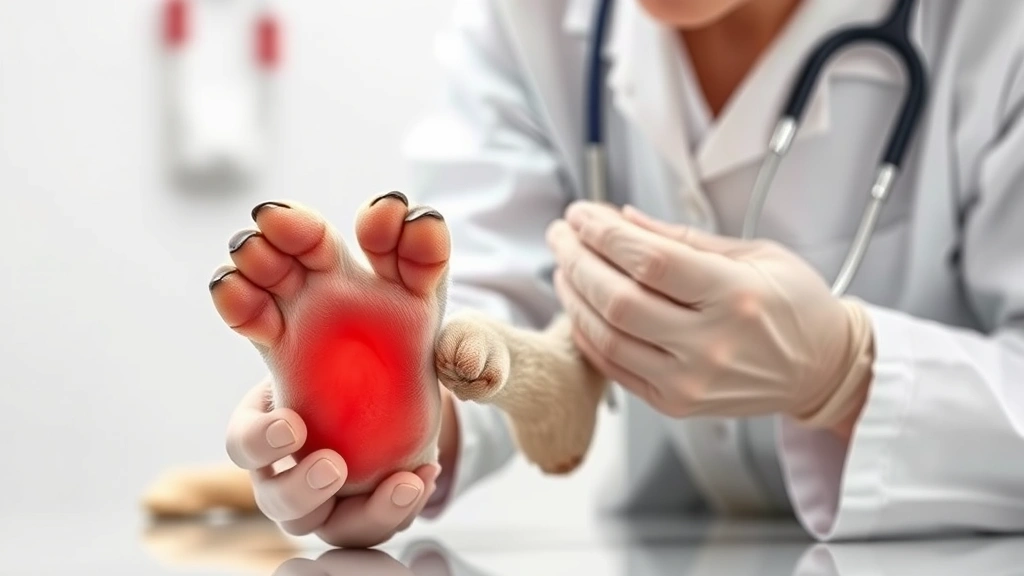
Addressing anxiety-related licking involves increasing exercise, providing mental enrichment (puzzle toys, training sessions), and sometimes working with a trainer or veterinary behaviorist. In some cases, anti-anxiety medication might be recommended.
Cause #4: Injury, Pain, or Arthritis
If your dog suddenly starts licking one specific paw obsessively, they might be dealing with an injury. Check for:
- Splinters or foreign objects between the toes
- Cuts, abrasions, or puncture wounds
- Broken nails or nail bed infections
- Swelling or heat in the paw
Older dogs or breeds prone to joint issues (like Labradors and German Shepherds) might lick their feet due to arthritis pain. They’re trying to self-soothe the discomfort in their joints. If you suspect pain-related licking, especially in senior dogs, talk to your vet about pain management options like Meloxidyl for dogs or other anti-inflammatory medications.
Cause #5: Boredom and Habit
Sometimes a dog licks their feet simply because… well, they’re bored. It’s a habit, a way to pass the time, or just something their brain latched onto. Indoor dogs with insufficient exercise or mental stimulation are particularly prone to developing this habit.
Once a dog starts licking their feet regularly, it can become a self-reinforcing habit. The licking itself becomes somewhat soothing or rewarding, so they keep doing it even if the original trigger (like an itch) is gone.
Breaking the boredom cycle requires:
- Increased daily exercise (at least 30 minutes for most dogs)
- Mental stimulation through training, puzzle toys, or sniff games
- Interactive play with you
- Rotating toys to keep things fresh
- Consistent routine and structure
How to Stop Excessive Paw Licking
The solution depends entirely on the underlying cause, which is why a vet visit is so important. Here’s a general game plan:
Step 1: Get a Professional Diagnosis
Your vet will examine your dog’s paws, ask about the licking pattern, and possibly recommend tests (allergy testing, skin scrapings, fungal cultures). Don’t skip this step—you can’t fix the problem without knowing what’s causing it.
Step 2: Address the Root Cause
If it’s allergies, you might try an elimination diet or allergy medication. If it’s parasites, ensure your prevention is up to date. If it’s anxiety, work on environmental enrichment and possibly medication. Is Epsom salt safe for dogs? Yes, and it can be helpful for paw soaks to reduce inflammation while you address the underlying issue.
Step 3: Manage Secondary Infections
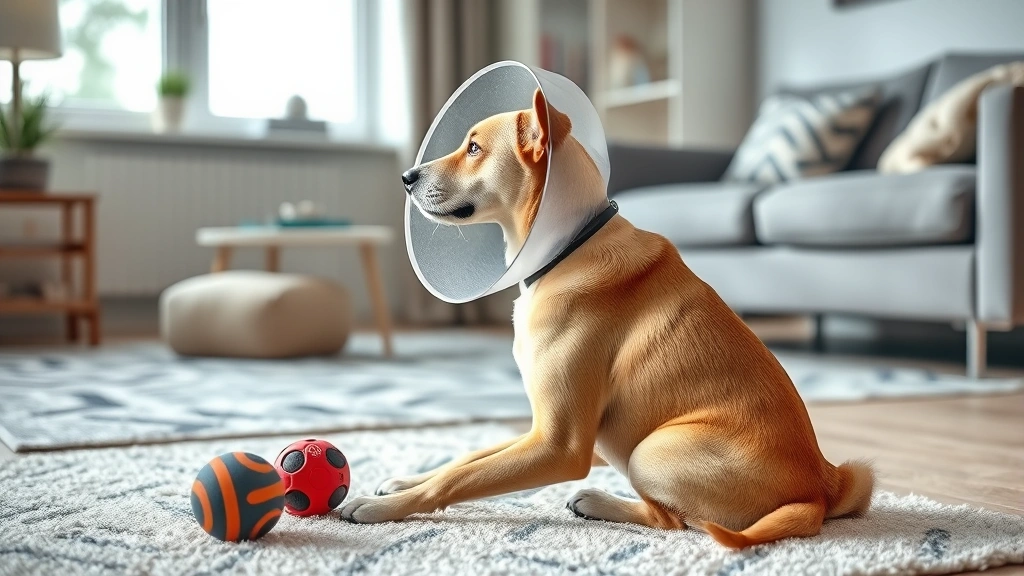
If your dog has already created wounds or developed infections, your vet might prescribe antibiotics, antifungals, or topical treatments. Keep the paws clean and dry, and consider using a cone or protective booties to prevent further licking while healing occurs.
Step 4: Prevent the Habit from Sticking
Once you’ve addressed the cause, redirect the licking behavior. Interrupt the licking gently and redirect to appropriate activities. Reward your dog for NOT licking their feet. Use deterrent sprays (bitter apple spray) if needed, though these work best in combination with addressing the root cause.
When to Call Your Vet
Contact your veterinarian if:
- Licking is excessive or sudden in onset
- You see redness, swelling, discharge, or odor on the paws
- Your dog has created open wounds or sores
- The licking is accompanied by other symptoms (ear scratching, skin rashes, hair loss)
- Your dog seems uncomfortable or in pain
- The licking doesn’t improve after a few weeks of home management
Your vet might refer you to a veterinary dermatologist for complex cases, and that’s totally okay. Dermatologists have specialized training in skin and paw issues and can often identify problems that general practitioners might miss.
Natural Remedies and Home Care Tips
While you’re working with your vet, these home care strategies can help:
- Paw soaks: Warm water soaks for 5-10 minutes several times daily can reduce inflammation and provide relief. Some people add Epsom salt to the soak, which may help with inflammation.
- Keep paws dry: Moisture creates an ideal environment for yeast and bacteria. Dry between the toes thoroughly after walks or baths.
- Protective booties: During healing, booties prevent your dog from licking wounds and keep paws clean.
- Omega-3 supplements: These support skin health and may reduce inflammation from allergies.
- Regular grooming: Keep the hair between the toes trimmed to reduce moisture and improve air circulation.
- Clean walking routes: Avoid areas with irritating substances, and rinse paws after walks if they’ve been exposed to salt, chemicals, or allergens.
Breed-Specific Considerations
Some breeds are more prone to foot licking than others. Retrievers, German Shepherds, and Bulldogs frequently develop paw licking issues due to a combination of allergies, skin sensitivities, and genetic predisposition. If you have one of these breeds, staying proactive with preventive care (regular vet checkups, allergy management, proper grooming) can help minimize problems.
Additionally, dogs with lipomas in dogs or other skin conditions might have underlying sensitivities that make them more prone to paw licking. Understanding your dog’s breed and genetic health risks helps you stay ahead of potential issues.
Frequently Asked Questions
Is it normal for dogs to lick their feet every day?
Occasional licking (a few times a day) is normal grooming behavior. However, if your dog is licking their feet constantly throughout the day or for extended periods, it warrants a vet visit. The key is knowing your dog’s baseline—if the frequency or intensity has increased, something’s changed.
Can I use human lotion on my dog’s paws?
No, avoid human lotions and creams. They can be toxic if ingested (which your dog will do by licking), and they may irritate sensitive paw skin. Stick to products specifically formulated for dogs, or ask your vet for recommendations.
How long does it take to stop excessive paw licking?
It depends on the cause. Parasitic or fungal infections might improve in 2-4 weeks with treatment. Allergies require identifying and eliminating the trigger, which can take longer. Behavioral licking may take several weeks of consistent redirection and environmental changes. Patience is essential.
Will a cone really help stop paw licking?
A cone (Elizabethan collar) prevents your dog from physically reaching their paws, which stops the licking and allows wounds to heal. However, it’s a temporary solution—you must address the underlying cause, or the licking will resume once the cone comes off. Use the cone while treating the root issue.
Can stress cause dogs to lick their feet?
Absolutely. Anxiety and stress are legitimate causes of excessive paw licking. If your dog only licks excessively during storms, when you leave, or in stressful situations, anxiety is likely the culprit. Consult your vet about behavioral management strategies.
What does a yeast infection on dog paws look like?
Yeast-infected paws are often reddish or brownish, especially between the toes. You might notice a distinctive musty or corn chip smell (sometimes called “Frito feet”). The skin might appear macerated (overly moist and soft). Your vet can confirm with a simple cytology test.
Final Thoughts: Getting to the Bottom of It
Figuring out why your dog licks their feet requires a bit of detective work, but it’s absolutely worth the effort. Whether it’s allergies, parasites, anxiety, pain, or boredom, there’s always a reason behind the behavior. The key is not to ignore it—excessive paw licking can quickly spiral into serious skin infections and behavioral issues if left unchecked.
Start by scheduling a vet appointment to rule out medical causes. Keep detailed notes about when and how often your dog licks (this info is gold for your vet). Once you’ve identified the cause, you can implement targeted solutions. Most dogs respond well to treatment once the underlying issue is addressed.
Your dog’s paws carry them through life, so keeping them healthy and happy should be a priority. With patience, professional guidance, and consistent care, you can help your pup kick the excessive licking habit and get back to enjoying life without constant foot-focused discomfort.





