
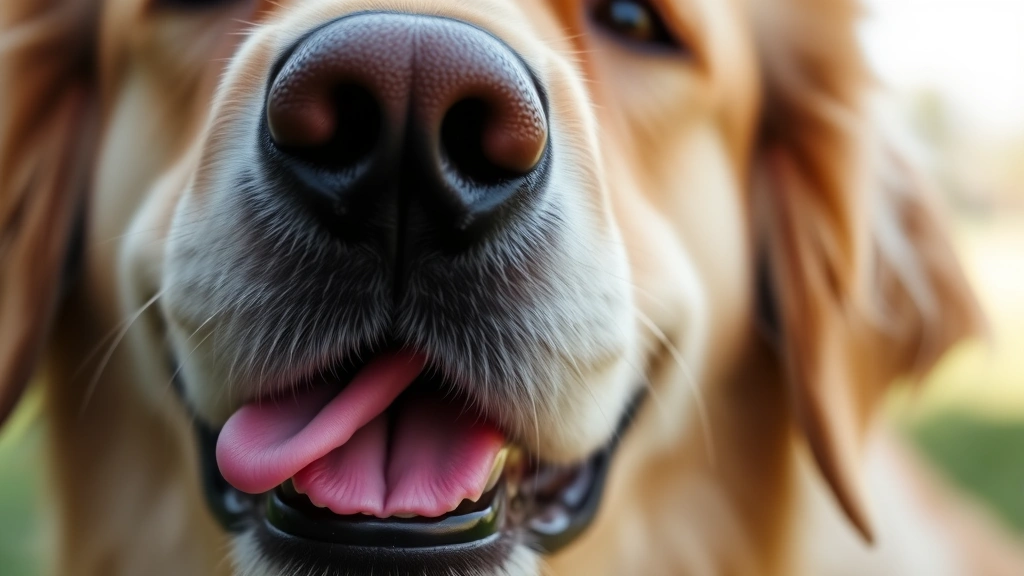
Why Do Dogs Lick Their Nose? The Surprising Reason Behind This Common Canine Behavior
If you’ve ever watched your furry friend and noticed they’re constantly licking their nose, you’re not alone in wondering what’s going on inside that adorable head of theirs. It’s one of those quirky dog behaviors that seems so innocent yet somehow endlessly fascinating to us humans. Your pup might be licking their nose dozens of times a day, and honestly, it’s pretty cute—but is there actually a reason behind it, or is your dog just being weird?
The truth is, nose licking is far more than just a random habit. Dogs have their own language of body language and behaviors, and nose licking is definitely part of their communication toolkit. Whether your dog is trying to tell you something, responding to their environment, or just keeping themselves fresh, there’s usually a logical explanation behind those frequent nose boops with their tongue. Let’s dive deep into this curious canine quirk and uncover what your dog is really trying to communicate.
Understanding why dogs do what they do helps us become better pet parents and strengthens our bond with our four-legged companions. So grab a treat, settle in with your pup, and let’s explore the fascinating world of dog nose licking together!
Sensory Enhancement and Scent Detection
Dogs experience the world primarily through their sense of smell, which is approximately 10,000 to 100,000 times more sensitive than humans. When your dog licks their nose, they’re actually engaging in a sophisticated sensory behavior that enhances their already remarkable olfactory abilities. Here’s where it gets really interesting: by licking their nose, dogs are moistening the nasal passages and spreading scent particles across the surface, which allows them to detect and analyze smells more effectively.
The vomeronasal organ, also known as Jacobson’s organ, plays a crucial role in this process. Located in the roof of the mouth, this specialized sensory structure processes pheromones and other chemical signals from the environment. When your dog licks their nose, they’re essentially priming this organ to better interpret the scents around them. It’s like your pup is saying, “Alright, let me get a better read on what’s happening in my world right now.”
This behavior is particularly noticeable when dogs are investigating something new or intriguing. You might notice your dog licking their nose more frequently when they’re at the park, meeting new friends, or exploring unfamiliar territory. They’re literally gathering more information about their surroundings, making split-second decisions about whether something is friend or foe, food or not food. It’s a completely natural and healthy behavior that demonstrates just how sophisticated your dog’s sensory system really is.
Understanding this connection also helps explain why dogs lick their paws and other parts of their body—it’s all part of their comprehensive sensory exploration toolkit. The nose is just one of the most obvious places where this behavior manifests.
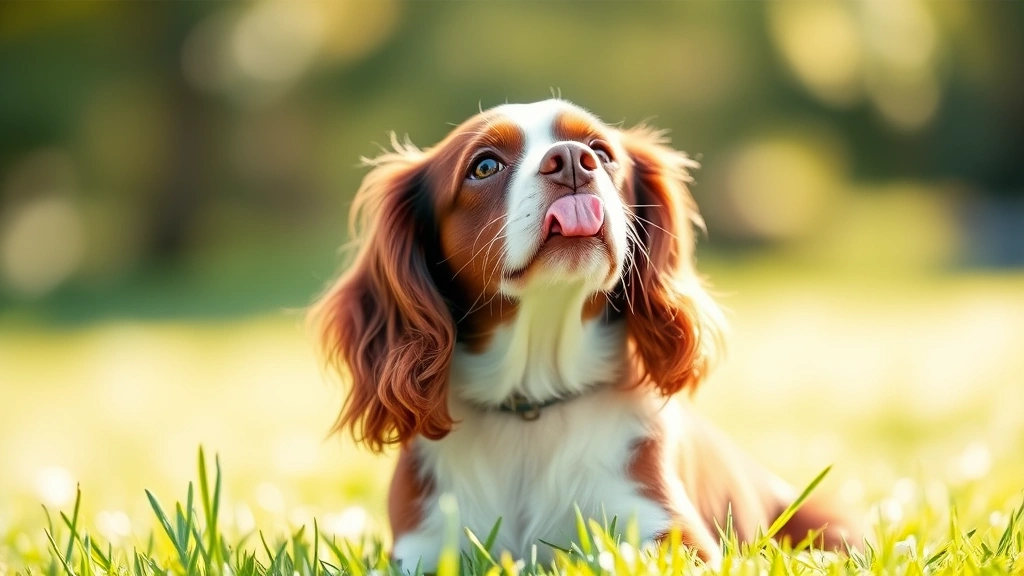
Moisture Regulation and Temperature Control
Your dog’s nose is supposed to be wet, and there’s a very good reason for that! A moist nose is actually a sign of a healthy dog, and nose licking is one of the primary ways your pup maintains that crucial moisture level. Dogs have specialized glands in their nasal passages that produce mucus, and licking helps distribute this protective layer across the nose’s surface.
The moisture on a dog’s nose serves multiple important functions. First, it helps regulate body temperature. By keeping the nose moist, dogs can more effectively cool themselves down, especially during hot weather or after physical activity. The evaporation of moisture from the nose helps dissipate heat, similar to how humans sweat. This is why you might notice your dog licking their nose more frequently on warm days or after playtime.
Additionally, the moisture creates an optimal environment for the olfactory receptors in the nose to function at peak efficiency. A dry nose simply doesn’t work as well for scent detection. So when your dog is licking their nose, they’re not just keeping it moist for comfort—they’re actively maintaining the biological machinery that allows them to experience their world in the way they’re meant to.
This is also related to why dogs have wet noses in the first place. The constant licking behavior is part of a natural, healthy cycle. However, if you notice your dog’s nose becoming persistently dry despite frequent licking, that might be worth discussing with your veterinarian, as it could indicate an underlying health issue.
Emotional Communication and Stress Relief
Dogs are emotional creatures, and nose licking can actually be a sign of their emotional state. When dogs are anxious, nervous, or stressed, they often engage in self-soothing behaviors, and nose licking is one of them. Think of it as your dog’s version of taking a deep breath or fidgeting when they’re nervous—it’s a calming mechanism that helps them manage their emotions.
In social situations, particularly when meeting new dogs or people, you might observe increased nose licking behavior. This can indicate that your pup is feeling a bit uncertain or is trying to gather more information about the situation through scent. It’s a way of saying, “Let me understand what’s happening here” while simultaneously calming their own nerves.
Nose licking can also be a submissive gesture in dog communication. When dogs are showing deference to other dogs or even to their human family members, they might increase their nose-licking behavior. It’s part of their complex body language system that communicates respect and non-aggression. This is why you might notice your dog licking their nose more when they’re around a dog they perceive as dominant or in situations where they feel they need to show respect.
The relationship between nose licking and emotional state is fascinating because it shows how interconnected physical behaviors are with psychological well-being in dogs. Understanding this can help you better read your dog’s emotional state in various situations. If your dog suddenly starts licking their nose excessively during what should be a relaxing time at home, it might be worth investigating whether something is causing them stress or anxiety.

When Nose Licking Becomes a Health Concern
While occasional nose licking is completely normal and healthy, excessive nose licking can sometimes indicate an underlying health problem that deserves your attention. According to the American Kennel Club, certain patterns of excessive licking warrant veterinary evaluation. It’s important to know the difference between normal behavior and something that might indicate a problem.
One common issue is allergies. Dogs can suffer from environmental allergies, food allergies, or contact allergies, and excessive nose licking can be one of the symptoms. When a dog’s nose itches due to allergies, they might lick it more frequently than usual. This can sometimes lead to irritation or even sores if the licking becomes really intense. If you notice your dog’s nose becoming red, inflamed, or developing any sores, that’s definitely a sign to contact your vet.
Parasites and infections can also cause excessive nose licking. Nasal mites, for example, can cause significant itching and irritation in the nasal passages, leading to increased licking behavior. Bacterial or fungal infections can have similar effects. These conditions require professional diagnosis and treatment, so if you suspect your dog might have an infection, don’t delay in seeking veterinary care.
Nasal tumors or polyps, while less common, can also cause excessive nose licking. These growths can irritate the nasal passages and cause your dog discomfort. Additionally, conditions like dry nose syndrome (which is different from normal dryness) or other dermatological issues might manifest as increased nose licking. The ASPCA recommends that any sudden change in your dog’s licking behavior should be evaluated by a veterinarian.
Pain or discomfort in the face or nasal area can also trigger excessive nose licking. If your dog has experienced an injury or has dental problems, they might lick their nose more as a response to discomfort. This is why it’s important to monitor your dog’s overall health and report any behavioral changes to your veterinarian.
Excessive Licking: Behavioral Issues vs. Medical Problems
One of the biggest challenges in understanding your dog’s nose licking is distinguishing between normal behavior and problematic excessive licking. This is where observation and communication with your veterinarian become crucial. Normal nose licking happens throughout the day in short bursts—your dog isn’t sitting there for extended periods obsessively licking their nose.
Excessive licking, on the other hand, might involve your dog licking their nose repeatedly for several minutes at a time, or doing it so frequently that it becomes the dominant activity they’re engaged in. Some dogs develop what’s called an obsessive-compulsive disorder (OCD) where they become fixated on certain behaviors, including nose licking. This can be triggered by stress, anxiety, boredom, or even genetics depending on the breed.
The distinction matters because the treatment approach will be different. If your dog’s excessive nose licking is medically related, your vet will focus on treating the underlying condition. If it’s behavioral, the approach might involve environmental enrichment, increased exercise, training techniques, or in some cases, medication prescribed by your veterinarian to help manage anxiety.
Interestingly, there’s often overlap between behavioral and medical causes. A dog that starts excessively licking their nose due to an itch might develop a habit of doing it even after the itch is gone. Similarly, a dog that licks excessively due to anxiety might develop secondary skin irritation that then becomes a medical concern. This is why comprehensive evaluation is important.
Your veterinarian can help you determine whether the excessive licking is primary (the main issue) or secondary (a symptom of something else). They can also rule out medical conditions and help you develop a management plan if it’s behavioral. This is particularly important if you’re considering whether your dog’s behavior is similar to why dogs lick so much in general, or if it’s something specific to the nose.
Tips for Managing Excessive Nose Licking
If you’ve determined that your dog’s nose licking is excessive and not medically related, there are several strategies you can employ to help manage the behavior. First and foremost, ensure your dog is getting adequate physical exercise and mental stimulation. A tired dog is often a well-behaved dog, and boredom can definitely contribute to compulsive licking behaviors.
Environmental enrichment is also key. Provide your dog with puzzle toys, interactive feeders, and varied activities to keep their mind engaged. Some dogs develop excessive licking behaviors simply because they’re not sufficiently stimulated, and addressing that underlying boredom can significantly reduce the behavior.
If your dog is licking their nose as a stress response, work on identifying and minimizing stressors where possible. This might mean creating a calm space where your dog can retreat, using calming supplements or music designed for dogs, or consulting with a professional dog trainer or animal behaviorist about anxiety management techniques.
Positive reinforcement is always your best tool. When you catch your dog engaging in other behaviors instead of licking their nose, reward them enthusiastically. This helps redirect their attention and reinforces non-licking behaviors. Avoid punishing excessive licking, as this can increase stress and actually make the behavior worse.
Some dogs benefit from wearing a soft cone or protective collar during times when the licking is most intense, particularly if it’s causing irritation. However, this should be a temporary measure combined with other strategies, not a long-term solution. Your veterinarian can also discuss whether medication might be appropriate for managing anxiety-related excessive licking.
Understanding that why your dog licks you and why they lick themselves might give you insights into their overall licking patterns and help you develop more effective management strategies.
Frequently Asked Questions
Is it normal for dogs to lick their nose constantly?
Yes, occasional and frequent nose licking throughout the day is completely normal for dogs. However, if your dog seems to be engaging in continuous, obsessive nose licking for extended periods, or if the behavior has suddenly increased dramatically, that’s worth investigating. Normal nose licking is interspersed with other activities, while excessive licking becomes the primary focus.
What does it mean when a dog’s nose is always wet?
A wet nose is actually a sign of a healthy dog! The moisture comes from specialized glands in the nasal passages and is maintained partly through licking. This moisture helps with scent detection and temperature regulation. However, if your dog’s nose is excessively runny or has discharge, that could indicate an infection or other health issue worth discussing with your vet.
Can nose licking indicate anxiety in dogs?
Yes, excessive nose licking can be a sign of anxiety or stress in dogs. Dogs engage in self-soothing behaviors when they’re nervous, and nose licking is one of them. If you notice increased nose licking during stressful situations, your dog might be experiencing anxiety. Consulting with a professional can help you develop strategies to reduce their stress.
Should I be concerned if my dog licks their nose and then licks me?
Not necessarily! Dogs often transfer scents between themselves and their environment, and this is normal behavior. Your dog might be sharing scent information or simply engaging in affectionate behavior. However, if you’re concerned about hygiene, you can gently redirect the behavior with positive reinforcement.
How can I tell if my dog’s nose licking is a medical problem?
Signs that nose licking might indicate a medical problem include: redness or inflammation around the nose, sores or lesions on the nose, discharge from the nose, sudden increase in the frequency of licking, or if the licking is accompanied by other symptoms like sneezing or difficulty breathing. Any of these warrant a veterinary evaluation.
Do all dog breeds lick their noses equally?
While all dogs lick their noses, some breeds might do it more frequently than others based on their individual personalities and sensory needs. Breeds with higher prey drives or working dog breeds might engage in more frequent nose licking as part of their natural scent-tracking behavior. However, individual personality plays a big role too.
Can I train my dog to stop licking their nose?
You can redirect excessive nose licking through training and positive reinforcement, but you shouldn’t try to eliminate normal nose licking entirely—it’s a healthy, natural behavior. If the licking is excessive, work with a trainer or behaviorist to address underlying causes like anxiety or boredom, rather than trying to suppress the behavior itself.
Is there a connection between nose licking and other licking behaviors?
Yes, there can be. If your dog engages in excessive licking across multiple areas (nose, paws, ground, etc.), it might indicate a more systemic issue like anxiety, allergies, or an obsessive-compulsive tendency. Understanding the broader pattern of licking behavior helps veterinarians and behaviorists identify the root cause more effectively. You might find it helpful to learn more about why dogs have certain odors and how that relates to their overall health and grooming behaviors.





