
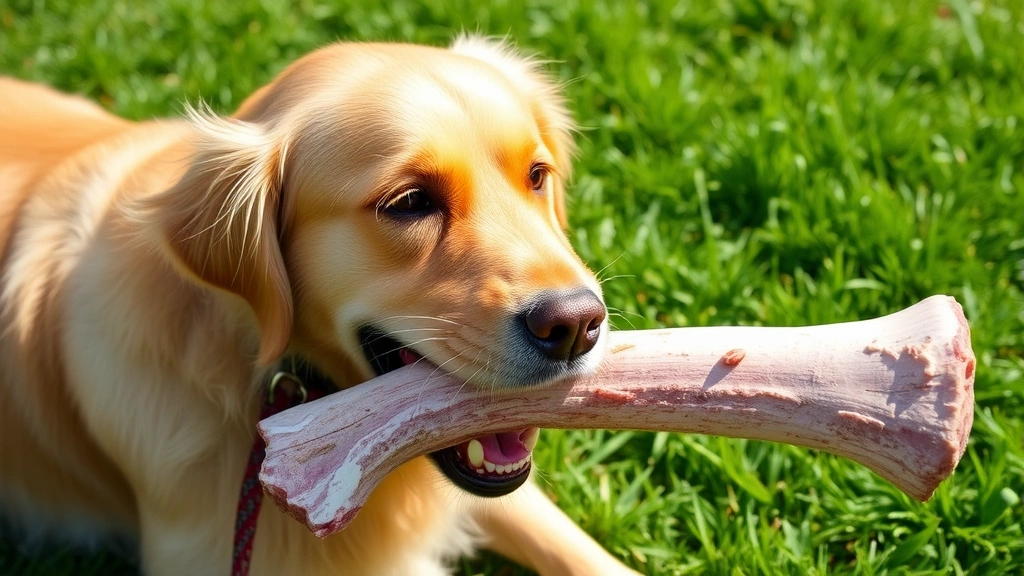
Why Do Dogs Like Bones? The Science Explained
If you’ve ever watched your furry best friend get absolutely obsessed with a bone, you’ve witnessed one of the most primal and adorable behaviors in the canine world. Whether it’s a rawhide chew, a marrow bone, or that mysterious stick they found in the backyard, dogs seem to have an inexplicable attraction to bones that goes far beyond simple appetite. But what’s really driving this bone-loving behavior? Is it just instinct, or is there actual science behind the tail-wagging frenzy?
The truth is, your dog’s love of bones isn’t random or arbitrary—it’s deeply rooted in their evolutionary history, their biology, and their psychological needs. Understanding why dogs like bones can help you make better decisions about what chews are safe for your pup, how to satisfy their natural urges, and when to step in to prevent potential hazards. Let’s dig into the fascinating world of canine bone appreciation and uncover what science tells us about this beloved pastime.
From the moment dogs were domesticated thousands of years ago, they’ve maintained many of their wolf ancestors’ instincts. Bones represent more than just a snack—they’re a symbol of hunting success, a source of essential nutrients, and a natural stress reliever all rolled into one. So grab your favorite beverage and settle in, because we’re about to explore the complete picture of your pup’s bone obsession.
Evolutionary Instincts and Ancestral Behavior
To truly understand why your dog goes absolutely bonkers for bones, we need to travel back in time about 15,000 to 40,000 years ago when wolves first began their journey toward becoming man’s best friend. Your beloved Golden Retriever or scrappy Terrier still carries the genetic makeup of their wolf ancestors, and that includes some seriously strong instincts about bones.
In the wild, wolves and their ancestors would hunt large prey animals and consume nearly every part of the kill, bones included. The ability to crack open bones and access the nutrient-dense marrow inside was a crucial survival skill. This behavior wasn’t just about getting a meal—it was about thriving in a competitive environment where every calorie counted. Over thousands of generations, this bone-seeking behavior became hardwired into the canine brain.
Even though your modern dog gets all their nutrition from kibble or home-cooked meals, that ancestral programming is still there, quietly urging them toward any bone-shaped object they encounter. It’s the same reason dogs like squeaky toys—the sound mimics prey—and why they have such strong prey drives in general. The bone represents a connection to their wild past, and satisfying this urge is one way to keep your pup mentally and physically engaged.
According to research from the American Kennel Club, these instinctual behaviors remain remarkably consistent across all dog breeds, from tiny Chihuahuas to massive Great Danes. The intensity might vary based on individual temperament and breed history, but the fundamental drive to chew and gnaw on bones is nearly universal among our canine companions.
Nutritional Benefits and Minerals
Beyond the psychological satisfaction, bones actually offer legitimate nutritional value that your dog’s body craves. When dogs gnaw on bones, they’re not just entertaining themselves—they’re potentially accessing important minerals and nutrients that support their overall health and wellbeing.
Raw bones contain several beneficial compounds:
- Calcium and phosphorus – Essential minerals for bone health, muscle function, and nerve transmission
- Marrow – Rich in fat, collagen, and other nutrients that support joint health and skin condition
- Collagen – Supports joint integrity, skin elasticity, and digestive health
- Gelatin – Beneficial for gut health and joint support
- Trace minerals – Including zinc, iron, and magnesium that support various bodily functions
However, it’s important to note that the nutritional benefit depends heavily on the type of bone and how it’s prepared. Cooked bones become brittle and can splinter, potentially causing serious digestive issues. Raw bones are generally safer and retain more of their nutritional value. This is why understanding whether dogs can eat bones safely is so crucial for responsible pet ownership.
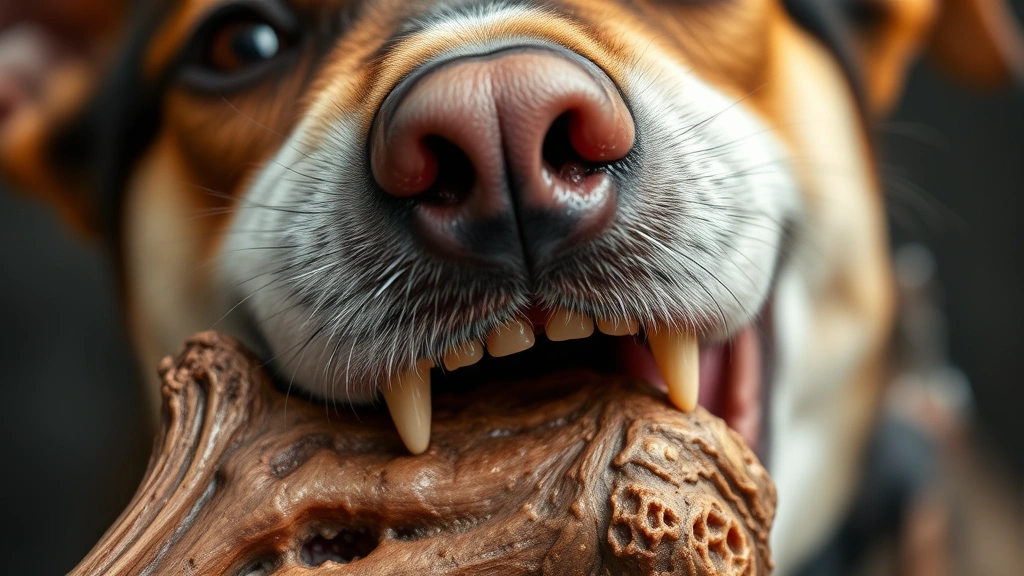
The mineral content in bones also plays into your dog’s natural desire to chew. Dogs have an intuitive sense of what their bodies need, and the mineral-rich composition of bones triggers their chewing instinct. Some veterinary nutritionists suggest that dogs may instinctively seek bones when their bodies are deficient in certain minerals, though more research is needed in this specific area.
It’s worth noting that while bones offer nutritional benefits, they shouldn’t be your dog’s primary source of these nutrients. A well-balanced diet recommended by the ASPCA should provide all necessary minerals and vitamins. Bones are best viewed as a supplementary treat and enrichment activity rather than a nutritional staple.
Psychological and Behavioral Factors
Beyond evolution and nutrition, there’s a significant psychological component to why dogs love bones. Chewing and gnawing on bones serves multiple emotional and behavioral functions that are essential to your dog’s mental health and overall wellbeing.
Stress Relief and Anxiety Reduction: Chewing is a naturally calming activity for dogs. The repetitive motion and the physical act of gnawing releases endorphins—the same feel-good chemicals that make humans feel happy. When your dog is anxious, bored, or stressed, reaching for a bone is their way of self-soothing. This is why bones are often recommended as part of a comprehensive approach to managing what dogs like and what helps them feel secure.
Mental Stimulation: Bones provide cognitive engagement. Your dog has to figure out how to position the bone, which angle to attack it from, and how to extract the marrow. This problem-solving activity keeps their brain active and engaged, which is especially important for intelligent breeds that need mental enrichment.
Territorial and Possessive Behaviors: In the wild, bones represented valuable resources worth protecting. This is why dogs often exhibit possessive behavior around their bones—they’re following ancient instincts about resource protection. Understanding this behavior helps pet owners manage multi-dog households more effectively.
Play and Entertainment: For many dogs, bones are simply fun. The act of chewing, the changing texture as they work on it, and the satisfaction of making progress all contribute to an enjoyable experience. It’s similar to how humans enjoy puzzles or games—it’s entertainment with a purpose.

Research from veterinary behaviorists indicates that dogs who have regular access to appropriate chewing materials show fewer behavioral problems, including reduced destructive chewing, lower anxiety levels, and better overall emotional regulation. This underscores how important it is to provide healthy outlets for your dog’s natural chewing instincts.
Teeth and Jaw Development
Another critical reason why dogs like bones relates to their dental and jaw development. For puppies especially, chewing on bones serves an important developmental function that goes beyond mere entertainment.
Puppy Teething: When puppies are between 3 and 6 months old, their baby teeth are falling out and adult teeth are coming in. This process is uncomfortable and sometimes painful. Chewing on appropriate bones and safe alternatives like bully sticks provides relief by applying pressure to the gums and helping to dislodge baby teeth naturally. The coolness of a bone (especially if chilled) can also provide numbing relief similar to what a teething ring does for human babies.
Jaw Strength Development: The act of chewing builds and strengthens jaw muscles. Puppies instinctively seek out chewing opportunities because this activity supports their physical development. Strong jaw muscles are important not just for eating, but for overall facial structure and long-term dental health.
Maintaining Dental Health: In adult dogs, regular chewing on bones can help maintain dental health by naturally scraping away plaque and tartar buildup. The abrasive action of gnawing on a bone mimics the brushing action of a toothbrush. While this shouldn’t replace professional dental care, it’s a helpful supplementary practice.
Tooth Maintenance: Chewing helps dogs keep their teeth clean and healthy. The physical action stimulates saliva production, which has natural antibacterial properties. Additionally, working on a bone helps dogs naturally shed loose teeth and maintain good oral hygiene throughout their lives.
Veterinary dentists note that dogs who have regular access to appropriate chewing materials often have better dental health outcomes compared to dogs who don’t chew regularly. This is yet another reason why satisfying your dog’s bone-chewing instinct is beneficial for their overall health.
Safety Considerations and Best Practices
While bones are natural and dogs instinctively love them, it’s crucial to understand that not all bones are created equal, and not all bones are safe for your dog. Before you toss your pup a bone, here are critical safety considerations you need to know.
Cooked vs. Raw Bones: This is perhaps the most important distinction. Cooked bones become brittle and can splinter easily, creating serious hazards including:
- Splintering in the mouth, throat, or esophagus
- Intestinal blockages or perforations
- Constipation or impaction
- Choking hazards
Raw bones are generally safer because they maintain their flexibility and are less likely to splinter. However, raw bones come with their own considerations, including potential bacterial contamination if not handled properly.
When you’re considering why dogs eat bones and whether to allow it, consult with your veterinarian about what’s appropriate for your specific dog’s size, age, and health status.
Bone Size and Type: Always choose bones that are appropriate for your dog’s size. A bone should be larger than your dog’s mouth to prevent swallowing. Avoid small bones that could be choking hazards, and be cautious with weight-bearing bones that might be too hard and cause tooth fractures.
Supervision is Essential: Never leave your dog unsupervised with a bone, especially when they’re new to it. Watch for signs of choking, distress, or excessive aggression around the bone. Some dogs become resource-protective around bones, which can be a safety issue in multi-dog households.
Duration of Chewing: Limit chewing sessions to 15-30 minutes, depending on your dog’s size and chewing intensity. This prevents jaw fatigue and reduces the risk of dental damage from excessive chewing.
Health Conditions: Dogs with certain health conditions should avoid bones entirely. This includes dogs with:
- Pancreatitis or digestive sensitivities
- Dental disease or recent dental procedures
- Jaw or facial injuries
- Certain medications that affect bone density
- Previous intestinal blockages
Always check with your veterinarian before introducing bones to your dog’s routine, especially if your pup has any pre-existing health conditions.
Alternatives and Healthy Options
If you want to satisfy your dog’s natural chewing instinct without the risks associated with bones, there are plenty of excellent alternatives available that still tap into their primal urges.
Safe Chewing Alternatives:
- Nylon chew toys – Durable and designed to withstand aggressive chewing without splintering
- Rubber toys like Kongs – Can be filled with treats or peanut butter for added engagement
- Bully sticks and dental chews – Natural, digestible alternatives that provide similar satisfaction
- Antlers – Naturally shed deer or elk antlers are very durable, though some dogs can crack teeth on them
- Rope toys – Good for interactive play and supervised chewing
- Yak chews – A Himalayan alternative that’s long-lasting and digestible
Many of these alternatives can be enhanced by stuffing them with treats or freezing them to provide extended entertainment. The goal is to provide outlets for your dog’s natural chewing instinct while minimizing risk.
If you’re interested in learning more about what dogs like beyond bones, there’s a whole world of enrichment activities that can satisfy their psychological and physical needs. From puzzle toys to interactive games, modern pet products offer numerous ways to keep your dog mentally and physically stimulated.
For dogs who are particularly aggressive chewers or who seem obsessed with bones specifically, consider working with a certified animal behaviorist or your veterinarian to develop a comprehensive enrichment strategy. Sometimes excessive bone-seeking behavior can indicate nutritional deficiencies, anxiety, or other underlying issues that warrant professional attention.
Frequently Asked Questions
Is it safe to give my dog bones regularly?
The safety of regular bone consumption depends on several factors, including the type of bone, your dog’s size and age, and their individual health status. Raw, appropriate-sized bones are generally safer than cooked bones, but they still carry some risk. It’s best to consult with your veterinarian about what’s appropriate for your specific dog. Many vets recommend treating bones as occasional treats rather than regular food items, and always supervise your dog while they’re chewing.
What type of bones are safest for dogs?
Raw, meaty bones that are larger than your dog’s mouth are generally considered safer than cooked bones. Good options include raw knuckle bones, marrow bones, and neck bones from reputable sources. Avoid small bones that could be swallowed whole, weight-bearing bones that are too hard, and any cooked bones. Always source bones from clean, reliable suppliers to minimize bacterial contamination risks.
Can bones cause intestinal blockages?
Yes, bones can potentially cause intestinal blockages, especially if your dog swallows large pieces or bone fragments. Cooked bones are particularly risky because they splinter more easily. Signs of potential blockage include vomiting, loss of appetite, lethargy, constipation, or abdominal pain. If you suspect your dog has a blockage, seek veterinary attention immediately, as this can be a serious medical emergency.
Why does my dog get aggressive with bones?
Resource guarding around bones is a natural behavior rooted in your dog’s ancestral instincts. In the wild, bones represented valuable resources worth protecting. This doesn’t necessarily indicate aggression problems, but it does mean you need to manage the situation carefully, especially in multi-dog households. Never try to take a bone away forcefully, and consider feeding dogs with resource-guarding tendencies in separate areas. If the behavior is severe, consult a certified animal behaviorist.
Are there bones I should absolutely avoid?
Absolutely. Avoid cooked bones of any kind, as they splinter easily and pose serious hazards. Also avoid small bones that could be choking hazards, bones from processed foods, and weight-bearing bones that are extremely hard and could cause tooth fractures. Poultry bones are particularly risky because they tend to splinter. When in doubt, ask your veterinarian before offering any bone to your dog.
How long should I let my dog chew on a bone?
Most veterinarians recommend limiting bone-chewing sessions to 15-30 minutes, depending on your dog’s size and chewing intensity. This prevents jaw fatigue and reduces the risk of dental damage. Remove the bone if it becomes small enough to be a choking hazard or if your dog seems overly aggressive with it. Always supervise your dog during chewing sessions.
Can puppies have bones?
Puppies can have appropriate bones, and many veterinarians recommend them for teething relief and jaw development. However, supervision is even more important with puppies since they’re more likely to swallow large pieces. Offer softer bones or alternatives like rubber toys during the intense teething phase. Always choose size-appropriate bones and consult your vet about what’s safe for your puppy’s age and development stage.
What should I do if my dog swallows a bone fragment?
If you see your dog swallow a bone fragment, monitor them closely for signs of distress including vomiting, loss of appetite, abdominal pain, constipation, or lethargy. Many small fragments will pass through the digestive system without issue, but larger pieces or splinters could cause problems. If your dog shows any concerning symptoms or if you’re worried, contact your veterinarian immediately. Don’t wait to see if symptoms develop—prompt veterinary attention can prevent serious complications.





