

Why do dogs like socks so much? It’s one of those quirky canine behaviors that has pet owners baffled and frustrated in equal measure. You turn your back for two seconds, and suddenly your pup has made off with your favorite pair of argyles like they just won the lottery. But there’s actually some solid science—and a whole lot of doggy psychology—behind this seemingly obsessive sock-stealing habit.
Table of Contents
- 1. The Scent Factor: Your Socks Smell Like You
- 2. Texture and Oral Stimulation Appeal
- 3. The Hunt and Chase Instinct
- 4. Attention-Seeking Behavior
- 5. Comfort and Security Seeking
- Sock-Stealing and Destructive Behavior: When to Worry
- How to Stop Your Dog From Stealing Socks
- The Role of Training and Consistency
- Understanding Your Dog’s Motivation Matters
- Frequently Asked Questions
- Final Thoughts: Living With a Sock Thief
If you’ve ever wondered why your dog treats your sock drawer like it’s a personal treasure chest, you’re not alone. This behavior is surprisingly common, and understanding the reasons behind it can help you manage it better. Let’s dig into the five main reasons why your furry friend has developed such an inexplicable love affair with your hosiery.
1. The Scent Factor: Your Socks Smell Like You
Dogs experience the world primarily through their noses, and your socks are basically a jackpot of your personal scent. When you wear socks, they absorb your sweat, skin cells, and natural body odors—essentially becoming a concentrated version of you that your dog can carry around.

This isn’t just random sniffing behavior. Your dog genuinely loves the smell of you, and socks provide an easy, portable way to be close to your scent when you’re not around. It’s actually kind of sweet when you think about it, even if it’s annoying when you can’t find matching pairs. The scent comfort is especially pronounced in dogs experiencing anxiety or stress, who may seek out your scent-laden items as a form of self-soothing.
2. Texture and Oral Stimulation Appeal
Socks have a unique texture that many dogs find absolutely irresistible. The soft, stretchy fabric provides satisfying tactile feedback that feels amazing in a dog’s mouth. Unlike a hard toy, socks have give—they compress, stretch, and feel different than most other household items.

This oral fixation isn’t necessarily a sign of a problem; it’s actually a normal part of canine behavior. Puppies especially need to explore textures as they grow, though adult dogs maintain this instinct throughout their lives. The sensation of chewing and manipulating the sock provides mental stimulation and physical satisfaction that keeps them engaged and entertained.
3. The Hunt and Chase Instinct
Here’s where things get interesting from an evolutionary standpoint. Your dog’s ancestors were hunters, and that predatory drive still runs deep in their DNA. A sock—especially one that moves unpredictably when they pounce on it—triggers their hunting instincts in a major way.

When you chase your dog to retrieve your sock, you’re essentially playing a game that mimics prey chase behavior. From your dog’s perspective, this is the best game ever invented. The sock becomes a “prey item,” and the fact that you’re chasing them only reinforces that this is exciting, fun, and absolutely worth doing again tomorrow. It’s why understanding your dog’s natural instincts helps you manage unwanted behaviors more effectively.
4. Attention-Seeking Behavior
Let’s be honest: when your dog steals a sock, they get your attention. You notice. You react. You chase them around the house. From a dog’s perspective, this is a win, even if the attention is negative.
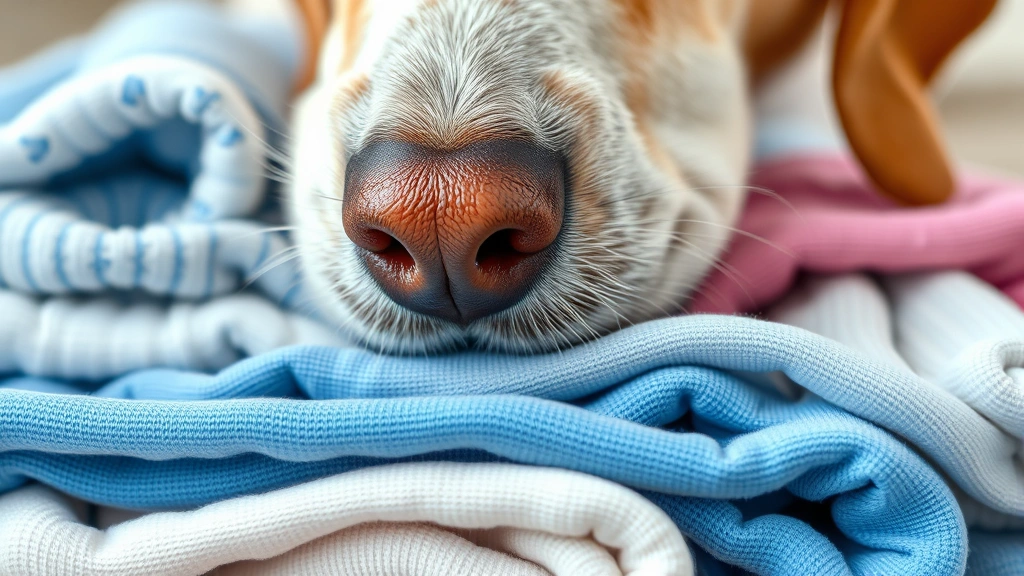
Dogs don’t distinguish between positive and negative attention the way we do. If sock-stealing gets them playtime, interaction, and your focus, they’ll keep doing it. This is especially true for dogs that don’t get enough mental or physical stimulation throughout the day. The sock becomes a tool for engagement, a way to say “hey, notice me!”
5. Comfort and Security Seeking
Some dogs use soft items like socks as comfort objects, similar to how children might use a security blanket. This behavior is particularly common in rescue dogs, dogs with separation anxiety, or puppies adjusting to a new home. The soft texture combined with your scent creates a perfect storm of comfort that helps them feel safe and secure.

Dogs that engage in this behavior may carry the sock around, sleep with it, or just keep it nearby. It’s their way of creating a sense of security and emotional stability. If your dog is exhibiting signs of stress or unusual behavior changes, consulting with your vet is always a good idea to rule out underlying anxiety issues.
Sock-Stealing and Destructive Behavior: When to Worry
While sock-stealing is usually harmless and often hilarious, there’s one serious concern: ingestion. If your dog actually swallows socks rather than just playing with them, this becomes a veterinary emergency. Socks can cause intestinal blockages that require surgery to remove.

Signs that your dog has ingested a sock include vomiting, loss of appetite, lethargy, abdominal pain, or constipation. If you suspect your dog has swallowed a sock, contact your veterinarian immediately. This is one situation where “wait and see” is absolutely not the right approach.
How to Stop Your Dog From Stealing Socks
Prevention is your best strategy here. Keep socks out of reach by storing them in closed drawers and keeping your laundry basket in a secure location. Don’t leave socks lying around on the floor—treat them like the forbidden treasure your dog clearly thinks they are.

Provide appropriate alternatives for sock-like satisfaction. Toys with similar textures—like rope toys or soft plush toys—can redirect that sock-stealing urge. Puzzle toys and interactive toys provide mental stimulation that reduces boredom-related sock theft. Make sure your dog gets adequate physical exercise; a tired dog is less likely to get into mischief.
Never play tug-of-war with socks or make retrieval a game. If your dog has a sock, trade them for a high-value treat or toy instead. This teaches them that giving up the sock results in something better, without reinforcing the chasing game that makes the behavior so rewarding.

The Role of Training and Consistency
Consistent training is essential for managing sock-stealing behavior. Teach a solid “leave it” command and practice it regularly with non-sock items first. Reward your dog heavily when they comply. When they inevitably go for a sock, redirect them to an appropriate toy and reward that choice instead.
Consider crate training as well. If your dog spends unsupervised time in a crate where they can’t access socks, you eliminate the opportunity for the behavior. Many dogs actually find crates comforting, especially when introduced properly. This approach works particularly well for dogs that require less constant supervision.

Understanding Your Dog’s Motivation Matters
The reason your dog steals socks matters because it determines your response. Is it boredom? Increase exercise and mental stimulation. Is it anxiety? Work on desensitization and consider calming aids. Is it attention-seeking? Ensure you’re providing enough positive interaction throughout the day. Is it simple texture preference? Provide better alternatives.
Once you understand the underlying motivation, you can address the root cause rather than just managing the symptom. This is where understanding your individual dog’s personality, age, and history becomes crucial.

Frequently Asked Questions
Is it dangerous if my dog eats socks?
Yes, it can be very dangerous. Socks can cause intestinal blockages that may require emergency surgery. If you suspect your dog has swallowed a sock, contact your veterinarian immediately. Signs include vomiting, loss of appetite, abdominal pain, and constipation.
Why does my dog prefer my socks over other toys?
Your socks combine multiple appealing factors: your scent, soft texture, and the exciting chase game that ensues when you try to retrieve them. They’re essentially the perfect toy from your dog’s perspective—they smell like you, feel amazing to chew, and trigger a fun interactive game.

Can I train my dog to stop stealing socks?
Absolutely. Prevention (keeping socks inaccessible) combined with training works best. Teach a strong “leave it” command, provide better alternatives, ensure adequate exercise and mental stimulation, and never make sock retrieval a game. Consistency is key.
Do all dogs steal socks?
No, not all dogs are equally interested in socks. Factors like age, breed predisposition, individual personality, boredom levels, and anxiety all play a role. Some dogs are just naturally more attracted to soft, scent-laden items than others.

Should I be worried if my dog carries a sock around but doesn’t eat it?
Carrying without eating is much less concerning than actual ingestion, but it can still be problematic if your dog becomes obsessive about it or if there’s any risk of them swallowing it. Redirect the behavior and provide appropriate alternatives.
Final Thoughts: Living With a Sock Thief
Why do dogs like socks? The answer is complex—it’s a combination of scent attraction, texture preference, hunting instincts, attention-seeking, and comfort-seeking behavior all rolled into one fuzzy package. Understanding these motivations helps you address the behavior more effectively than simply getting frustrated with your pup.

The key is prevention combined with appropriate redirection and training. Keep socks out of reach, provide better alternatives, ensure your dog gets enough exercise and mental stimulation, and never inadvertently reward the behavior by making sock retrieval an exciting game. Most importantly, if your dog actually ingests socks, treat it as the emergency it is and contact your veterinarian immediately.
Your dog isn’t trying to be annoying—they’re just being a dog, following instincts and seeking comfort, stimulation, and connection in ways that make sense to them. With patience, consistency, and understanding, you can manage this quirky behavior and keep your sock drawer (and your dog’s digestive system) safe.





