

Few things in life can compare to the pure joy on a dog’s face when they receive a good belly rub. That blissful expression, the leg kicks, and the complete surrender to relaxation tells us everything we need to know about how much our canine companions cherish this simple gesture. But what exactly is happening beneath the surface when we scratch that furry belly? The answer lies in a fascinating combination of neurological responses, evolutionary biology, and the deep bond between humans and dogs.
Understanding why do dogs like to be pet, particularly on their bellies, opens a window into the complex world of canine psychology and physiology. From the release of feel-good hormones to the activation of specific nerve pathways, the science behind belly rubs reveals just how profound this simple interaction can be for our four-legged friends. This knowledge not only deepens our appreciation for our pets but also helps us become better caregivers by understanding what truly makes them happy.
The Neurological Response to Touch
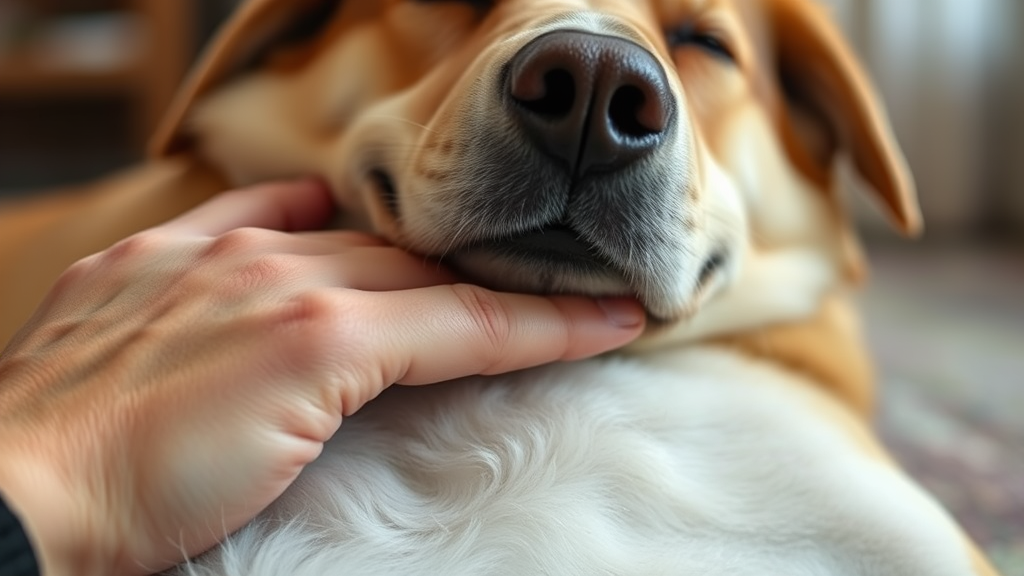
When you pet your dog’s belly, you’re activating a complex network of sensory neurons that send signals directly to the brain. The skin on a dog’s belly contains numerous nerve endings that are particularly sensitive to gentle pressure and movement. These mechanoreceptors respond to different types of touch, from light stroking to firmer pressure, creating a rich sensory experience that dogs find incredibly pleasurable.
The vagus nerve, which runs from the brain to various organs throughout the body, plays a crucial role in this response. When stimulated through belly rubbing, this nerve triggers what’s known as the “rest and digest” response, automatically lowering heart rate, reducing stress hormones, and promoting a state of calm relaxation. This physiological response is similar to what humans experience during massage therapy, explaining why dogs often become so relaxed they fall asleep during extended petting sessions.
Research conducted by neuroscientists at various universities has shown that the brain’s reward centers light up when dogs receive pleasant touch. The release of dopamine and serotonin during petting creates positive associations with human contact, reinforcing the bond between dogs and their owners. This neurochemical response is so powerful that it can actually help reduce anxiety and aggressive behaviors in some dogs.
Hormonal Changes During Petting
The hormonal cascade triggered by belly rubs is perhaps one of the most fascinating aspects of this simple interaction. When dogs receive gentle touch, their bodies release oxytocin, often called the “love hormone” or “bonding hormone.” This same hormone is released when human mothers bond with their babies, highlighting the deep evolutionary connection between touch and attachment.
Simultaneously, cortisol levels drop significantly during petting sessions. Cortisol is the primary stress hormone in mammals, and its reduction leads to measurable improvements in a dog’s overall well-being. Studies by the American Veterinary Medical Association have documented these hormonal changes, showing that regular petting can have long-term health benefits for dogs, including improved immune function and better cardiovascular health.
The endorphin release during belly rubs creates what researchers call a “natural high” in dogs. These endogenous opioids are the body’s natural painkillers and mood elevators, explaining why some dogs seem almost addicted to belly rubs. The combination of oxytocin, reduced cortisol, and increased endorphins creates a perfect storm of feel-good chemicals that make belly rubs irresistible to most dogs.
Interestingly, the hormonal response isn’t one-sided. Humans also experience increased oxytocin levels when petting dogs, creating a mutually beneficial bonding experience. This reciprocal hormonal response helps explain the profound therapeutic benefits of pet ownership and why dogs seem to instinctively know when we love them.
The Evolutionary Perspective
From an evolutionary standpoint, the love of belly rubs makes perfect sense when we consider dogs’ ancestry and their relationship with humans. Wild canids engage in social grooming behaviors that serve multiple purposes: parasite removal, social bonding, and stress reduction. Domestic dogs have retained these instincts, but they’ve transferred much of this social grooming expectation to their human companions.
The belly area, being difficult for dogs to groom themselves, would have been an area where pack members assisted each other in the wild. When dogs expose their bellies to humans for rubbing, they’re essentially requesting this ancestral form of social care. This behavior demonstrates the remarkable trust that domestic dogs have developed toward humans over thousands of years of co-evolution.
Archaeological evidence suggests that the human-dog bond began forming over 15,000 years ago, with physical touch playing a crucial role in this relationship. Dogs that were more receptive to human touch were likely to receive better care, more food, and protection, giving them evolutionary advantages that were passed down through generations.
The concept of neoteny also plays a role in dogs’ love of belly rubs. Many adult dogs retain juvenile characteristics and behaviors that trigger caregiving responses in humans. The belly-up position mimics the vulnerable posture of puppies seeking care from their mothers, tapping into deep-seated human nurturing instincts while providing the dog with desired attention and care.
Trust and Vulnerability Signals
When a dog rolls over and exposes their belly, they’re displaying one of the most vulnerable positions possible. The belly contains vital organs with minimal protection, making this posture a significant act of trust. Dogs that readily offer their bellies for rubbing are demonstrating complete faith in their human companions, a behavior that speaks volumes about the quality of the human-dog relationship.
This vulnerability display is deeply rooted in canine social behavior. In wolf packs, showing the belly can be a submissive gesture, but in domestic dogs living with humans, it’s more accurately described as an invitation for positive interaction. The context is crucial – a dog approaching you and rolling over is very different from a dog being cornered and rolling over defensively.

The trust required for belly exposure explains why some rescue dogs or dogs with traumatic histories may be reluctant to engage in this behavior initially. Building up to belly rubs often requires patience and consistent positive interactions. When these dogs finally feel safe enough to expose their bellies, it represents a significant milestone in their rehabilitation and trust-building process.
Understanding the vulnerability aspect of belly rubs helps explain why dogs have such specific preferences about when and where they receive them. Most dogs prefer belly rubs in familiar environments with trusted individuals, rarely exhibiting this behavior with strangers or in stressful situations.
Physical Health Benefits
Beyond the emotional and psychological benefits, belly rubs provide tangible physical health advantages for dogs. The gentle pressure and circular motions can help stimulate circulation, particularly beneficial for older dogs or those with mobility issues. Improved blood flow aids in healing, reduces inflammation, and can help prevent the stiffness associated with arthritis and other joint conditions.
Regular belly rubs can also support digestive health. The gentle massage motion can help stimulate peristalsis – the wave-like muscle contractions that move food through the digestive system. This can be particularly helpful for dogs prone to digestive issues or those recovering from illness. The American Kennel Club recognizes massage therapy as a beneficial complementary treatment for various canine health conditions.
The relaxation response triggered by belly rubs can help lower blood pressure and reduce heart rate, contributing to overall cardiovascular health. For anxious dogs, regular petting sessions can serve as a form of stress management therapy, potentially reducing the need for anxiety medications in some cases.
Additionally, the close physical contact during belly rubs allows owners to perform informal health checks. Regular touching helps owners become familiar with their dog’s normal body condition, making it easier to detect lumps, bumps, or other changes that might require veterinary attention. This early detection capability can be crucial for identifying health issues before they become serious problems.
Some dogs experience what appears to be a tickling sensation during belly rubs, leading to the characteristic leg-kicking response. While this might look amusing, it’s actually a normal neurological reflex similar to how humans respond to tickling. Research into whether dogs are actually ticklish suggests that this response indicates the stimulation of sensitive nerve pathways.
Individual Dog Preferences
While most dogs enjoy belly rubs, individual preferences vary significantly based on factors including breed, age, personality, and past experiences. Some dogs prefer gentle, slow strokes, while others enjoy more vigorous rubbing. Understanding your dog’s specific preferences requires observation and patience, as these preferences can change over time or in different situations.
Breed characteristics can influence belly rub preferences. Breeds with thicker coats might require more pressure to feel the full effect, while thin-skinned breeds like Greyhounds might prefer gentler touch. Working breeds that were bred for high energy and independence might be less inclined toward extended petting sessions, while companion breeds often seem to have an endless appetite for belly rubs.
Age also plays a significant role in preferences. Puppies might be too energetic to stay still for long belly rub sessions, while senior dogs often appreciate the gentle comfort and pain relief that massage-like touching can provide. Pregnant dogs might find belly rubs uncomfortable, especially as they progress through their pregnancy.
Some dogs have specific preferences about timing and location for belly rubs. Many dogs prefer these intimate interactions in quiet, private settings rather than during active play time or when guests are present. Understanding and respecting these preferences strengthens the bond between dog and owner and ensures that the experience remains positive for both parties.
It’s worth noting that not all dogs enjoy belly rubs, and that’s perfectly normal. Some dogs prefer other forms of affection, such as gentle kisses or behind-the-ear scratches. Respecting these individual differences is crucial for maintaining a positive relationship with your pet.
Proper Belly Rubbing Technique
Mastering the art of the perfect belly rub involves understanding proper technique, timing, and reading your dog’s body language. The best belly rubs typically start with your dog in a relaxed state, preferably when they’ve initiated the interaction by rolling over or lying down in a comfortable position.
Use gentle, circular motions with the flat of your hand rather than just fingertips. The pressure should be firm enough to stimulate the nerve endings but gentle enough to remain comfortable. Most dogs prefer consistent, rhythmic movements rather than erratic or aggressive rubbing. Pay attention to your dog’s responses – leaning into your hand, closing their eyes, or showing relaxed body language indicates enjoyment.
The duration of belly rub sessions can vary widely. Some dogs are content with brief 30-second sessions, while others seem to want endless attention. Follow your dog’s cues – they’ll typically signal when they’ve had enough by getting up, moving away, or becoming restless. Respecting these signals helps maintain positive associations with the experience.
Location matters as much as technique. The lower chest and upper belly areas are often preferred spots, as they’re easily accessible and contain numerous nerve endings. Avoid sensitive areas like the lower abdomen near the genital region, and be cautious around any areas where your dog shows signs of discomfort or sensitivity.
Temperature can affect the experience as well. Dogs with thick coats might particularly enjoy belly rubs during warmer weather when the cool air on their exposed belly provides additional comfort. Conversely, thin-coated dogs might prefer belly rubs in warmer environments where they won’t become chilled.
Always approach belly rub time with patience and respect for your dog’s boundaries. If your dog doesn’t seem interested or shows signs of stress or discomfort, it’s better to try again later or explore other forms of bonding. The goal is to create positive experiences that strengthen your relationship and contribute to your dog’s overall well-being.
Frequently Asked Questions
Why does my dog kick their leg during belly rubs?
The leg-kicking response during belly rubs is caused by a neurological reflex similar to the scratch reflex. When you stimulate certain nerve clusters on your dog’s belly, it triggers an automatic response that causes the leg to move. This is generally a sign that you’ve found a particularly sensitive and pleasurable spot, though some dogs find it ticklish rather than purely enjoyable.
Is it normal for dogs to fall asleep during belly rubs?
Yes, it’s completely normal and actually a great sign! When dogs fall asleep during belly rubs, it indicates they’re experiencing deep relaxation and trust. The combination of physical comfort, hormonal changes, and the activation of the parasympathetic nervous system creates perfect conditions for sleep. This response shows your dog feels completely safe and comfortable with you.
Can belly rubs help anxious or stressed dogs?
Belly rubs can be an excellent tool for helping anxious dogs, but only if the dog enjoys them and associates them with positive experiences. The release of calming hormones and the activation of the rest-and-digest response can help reduce stress levels. However, for severely anxious dogs, it’s important to build trust gradually and never force physical contact. The Humane Society recommends working with professional trainers for dogs with severe anxiety issues.
Are there dogs that don’t like belly rubs?
Absolutely! Just like humans have different preferences for physical affection, dogs are individuals with their own likes and dislikes. Some dogs prefer other forms of attention like ear scratches, back rubs, or simply sitting close to their owners. Dogs with past trauma, certain personality types, or specific breed characteristics might be less inclined toward belly rubs. Always respect your dog’s preferences and never force unwanted physical contact.
How can I tell if my dog wants a belly rub?
Dogs typically signal their desire for belly rubs through specific body language cues. Common signs include rolling over onto their back, exposing their belly while looking at you, pawing at you while lying on their side, or approaching you and immediately lying down. Some dogs will also make eye contact and use facial expressions to communicate their desire for attention. Learning to read these signals helps ensure that belly rub time is always welcome and enjoyable.
Can belly rubs help with my dog’s digestion?
Gentle belly rubs can indeed support digestive health by stimulating blood flow and encouraging natural digestive processes. The massage-like motion can help with gas movement and may provide comfort for dogs with minor digestive discomfort. However, avoid belly rubs immediately after meals when the stomach is full, and never apply pressure if your dog shows signs of abdominal pain or discomfort. For persistent digestive issues, consult with your veterinarian.
Why do some dogs become more affectionate after belly rubs?
The hormonal changes that occur during belly rubs, particularly the release of oxytocin and endorphins, create feelings of bonding and contentment that can last beyond the actual petting session. This is similar to why dogs show affection through licking – it’s a way of maintaining and strengthening social bonds. Dogs may seek additional contact or show increased affection as a way of prolonging these positive feelings and reinforcing the bonding experience with their human companions.





