
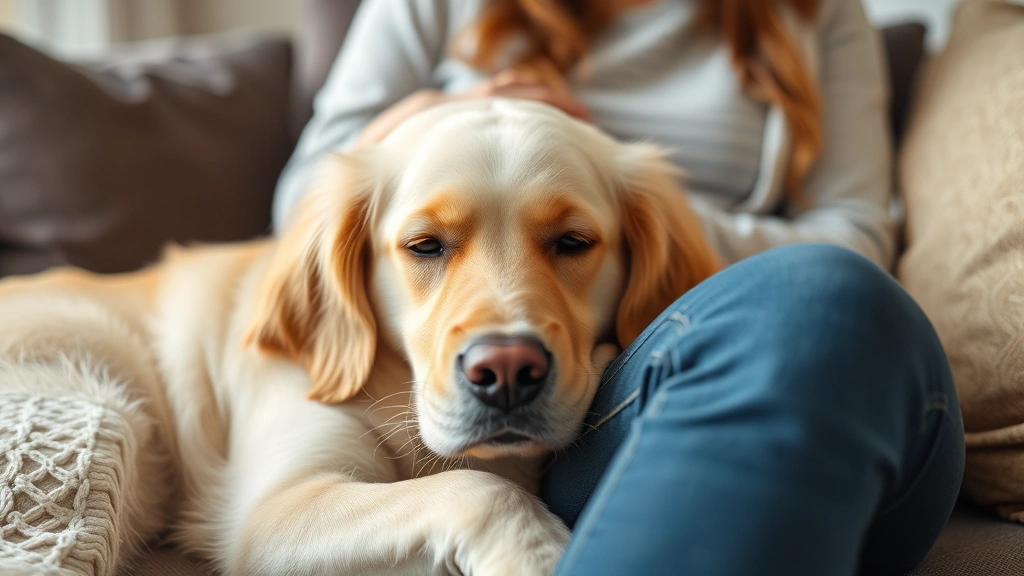
Why do dogs like to cuddle? If you’ve ever had a furry friend melt into your lap or press their warm body against yours, you’ve experienced one of life’s greatest joys. But there’s actually some solid science behind all that snuggling, and it’s way more interesting than just “aww, they’re cute.” Dogs aren’t cuddling you because they saw it in a movie—they’re doing it for real, biological reasons that go back thousands of years.
Table of Contents
- The Oxytocin Connection: Love is a Chemical Thing
- Pack Mentality and Social Bonding
- Temperature Regulation and Physical Comfort
- Stress Relief and Anxiety Reduction
- Scent Marking and Territory Claims
- Attention-Seeking Behavior (Yes, They’re a Little Manipulative)
- The Breed Factor: Some Dogs Are Just Cuddle Enthusiasts
- Health and Wellness Benefits for Your Dog
- The Puppy Connection: Early Imprinting
- Reading Your Dog’s Cuddle Signals
- Frequently Asked Questions
- Conclusion: The Beautiful Science of Dog Cuddles
The Oxytocin Connection: Love is a Chemical Thing
Let’s start with the good stuff: oxytocin, the “love hormone.” When your dog cuddles up next to you, both of your brains release oxytocin. Yes, both of you. Studies have shown that dogs and their humans experience a mutual oxytocin boost during petting and cuddling sessions, similar to what happens between human parents and babies. This isn’t your dog being manipulative (okay, maybe a little)—it’s genuine biochemistry at work. Your pup literally feels more bonded and happy when snuggling with you, and you do too. It’s a win-win situation wrapped in fur.

Pack Mentality and Social Bonding
Dogs are pack animals, and that instinct runs deep in their DNA. In the wild, wolves and wild dogs huddle together for warmth, protection, and social connection. Your dog sees your family as their pack, and cuddling is how they reinforce those bonds. When your dog wants to be close to you, they’re essentially saying, “You’re my pack, and I feel safe with you.” This is why many dogs become anxious when separated from their owners—they’re not being dramatic; they’re experiencing genuine distress at being separated from their social group. Low maintenance dogs still crave this connection, even if they don’t need constant activity.

Temperature Regulation and Physical Comfort
Ever notice how your dog seems to seek you out when they’re cold? Dogs use cuddling as a practical way to stay warm. Their body temperature runs higher than ours (around 101-102.5°F), and they’re drawn to warm spots. Your lap, your bed, and your couch are all prime real estate for a chilly pup. But it’s not just about warmth—physical contact also provides comfort and security. When your dog presses against you, they’re creating a sense of safety that dates back to their puppyhood when they’d snuggle with their littermates and mother. This is why Kuranda dog beds are popular; they provide that cozy, secure feeling dogs crave.

Stress Relief and Anxiety Reduction
Dogs are surprisingly perceptive creatures. They can sense when you’re stressed, anxious, or upset, and they respond by trying to comfort you—which usually involves getting as close as possible. But here’s the thing: cuddling isn’t just therapeutic for you; it’s therapeutic for them too. Physical contact releases endorphins in your dog’s brain, which are natural stress-relievers. If your dog has experienced anxiety or trauma, cuddling with a trusted human can be incredibly healing. It’s why therapy dogs and emotional support animals are so effective—the cuddling itself is medicine.
Scent Marking and Territory Claims
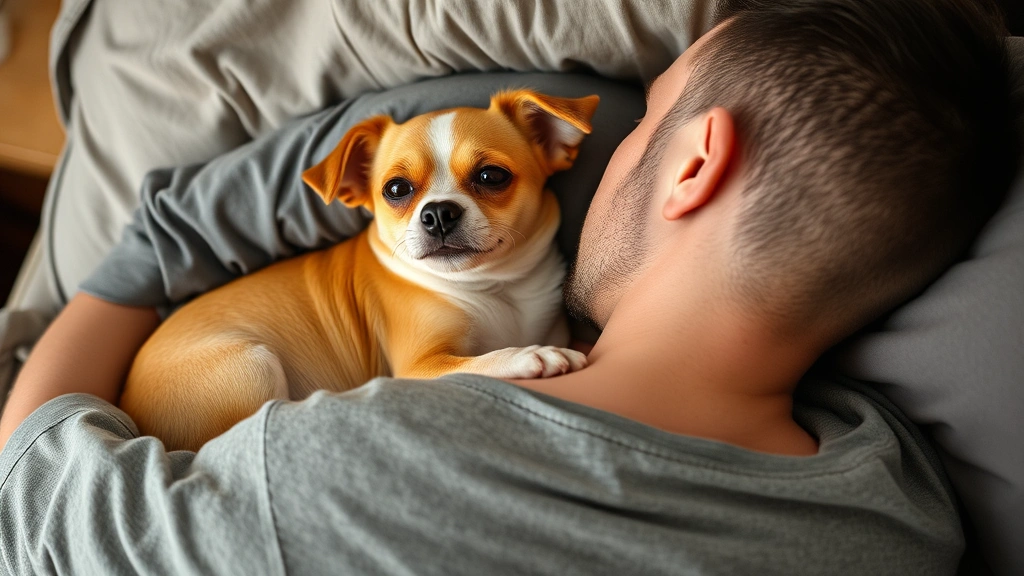
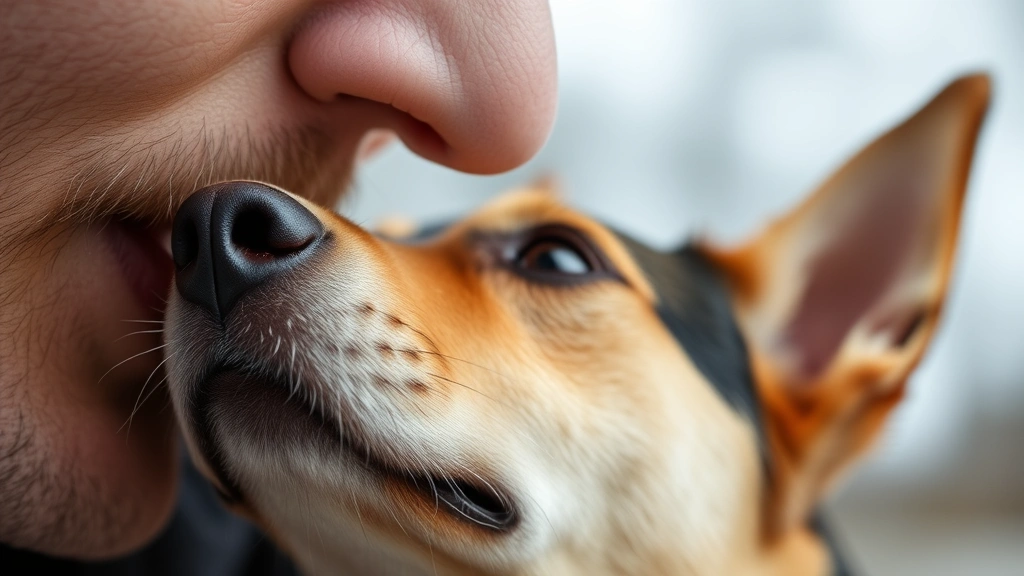
Let’s be honest: your dog thinks you’re theirs. When they cuddle up against you and rub their face on your clothes, they’re doing more than just being affectionate. They’re marking you with their scent glands, essentially claiming you as part of their territory and social group. It’s a behavior that goes back to their wolf ancestors, who would scent-mark pack members to reinforce social bonds and group identity. Your dog isn’t trying to be possessive in a creepy way—they’re just saying, “This human belongs to my pack.” Even dogs that seem like they snore all day will still engage in this important bonding behavior.

Attention-Seeking Behavior (Yes, They’re a Little Manipulative)
Let’s not pretend your dog is purely altruistic. Dogs are smart, and they’ve learned that cuddling gets them what they want: your attention, treats, playtime, or just the satisfaction of being near you. This isn’t manipulation in a negative sense—it’s just intelligent behavior. Your dog has figured out that if they put their head on your lap and give you those big puppy-dog eyes, good things happen. They’ve essentially hacked your brain (and your heart). This learned behavior is reinforced every time you respond positively to their cuddles, which is why your dog might escalate their cuddling tactics when they want something.

The Breed Factor: Some Dogs Are Just Cuddle Enthusiasts
Not all dogs are created equal when it comes to cuddling. Some breeds, like Golden Retrievers, Labradors, and Cavalier King Charles Spaniels, were literally bred to be companion dogs and are naturally affectionate. Other breeds, like many terriers and working dogs, might be more independent. But here’s the thing: even independent dogs often enjoy cuddling once they trust you. Individual personality matters too. Some dogs are just naturally more physical and affectionate, while others prefer their personal space. If you’re looking for a dog that loves to cuddle, understanding breed tendencies can help. If you have a larger dog that loves to snuggle, investing in a good large dog harness can make outings more comfortable for both of you.

Health and Wellness Benefits for Your Dog
Cuddling isn’t just emotionally beneficial for your dog—it has real physical health benefits too. Regular physical contact can lower your dog’s blood pressure, reduce stress hormones like cortisol, and boost their immune system. Dogs that receive adequate affection and cuddling tend to be healthier, happier, and live longer. They also tend to have better behavior and are less likely to develop anxiety-related issues. This is why veterinarians and animal behaviorists often recommend regular, consistent physical affection as part of a dog’s overall wellness routine.
The Puppy Connection: Early Imprinting
If your dog was socialized well as a puppy and had positive physical contact with humans, they’re more likely to be a cuddly adult dog. Puppies that receive gentle handling, petting, and affection develop stronger bonds with humans and are more comfortable with physical contact. This early imprinting shapes their behavior throughout their lives. If you’re raising a puppy, all that cuddling you’re doing right now is literally building their personality and their capacity for love. It’s one of the best investments you can make in your dog’s future happiness.

Reading Your Dog’s Cuddle Signals
Not every dog wants to cuddle at every moment, and it’s important to respect their boundaries. Some signs that your dog wants to cuddle include: approaching you with a relaxed body, leaning against you, putting their head on your lap, and making soft eye contact. Signs that your dog doesn’t want to cuddle right now include: stiff body posture, ears back, yawning, looking away, or moving away from you. A good dog owner learns to read these signals and respects their dog’s preferences. Forcing cuddles on an unwilling dog can actually damage your relationship and create anxiety.

Frequently Asked Questions
Why does my dog cuddle with me but not other family members?
Dogs often form stronger bonds with one primary caregiver, usually the person who feeds them, plays with them most, and spends the most time with them. However, they may also cuddle with other family members they trust. If your dog only cuddles with you, it could mean they see you as their primary pack leader and feel safest with you.

Is it bad to let my dog sleep in bed with me?
This is a personal preference and depends on your dog’s behavior and your own comfort level. There’s nothing inherently wrong with co-sleeping with your dog. However, if your dog has behavioral issues like aggression or resource guarding, or if it disrupts your sleep, it might be better to provide them with their own sleeping space nearby. Some people also worry about hygiene, though regular bathing and good bedding practices minimize this concern.
Why does my dog cuddle more when I’m sad or sick?
Dogs are incredibly perceptive and can sense changes in your emotional state and body chemistry. When you’re sad, stressed, or unwell, your dog picks up on these cues and responds by offering comfort through physical closeness. This is empathy in action—your dog genuinely wants to help you feel better.
Can too much cuddling spoil my dog?
No, you cannot spoil a dog through affection and cuddling. What can create behavioral problems is inconsistent rules and lack of structure, not too much love. Cuddling is healthy and beneficial for both you and your dog. The key is maintaining consistent boundaries and training alongside the affection.
Why do some dogs not like to cuddle?
Some dogs are naturally more independent or have different comfort levels with physical touch. Past trauma, lack of early socialization, or individual personality can all affect a dog’s cuddling preferences. Some breeds are also more aloof by nature. If your dog doesn’t like cuddling, respect that—there are other ways to bond with your pup, like playing, training, and spending quality time together.
Conclusion: The Beautiful Science of Dog Cuddles
So why do dogs like to cuddle? The answer is beautifully complex. It’s a combination of evolutionary pack behavior, biochemical bonding, practical comfort-seeking, and learned behavior. Your dog cuddles with you because they love you, because it makes them feel safe and happy, and because their brain is literally rewarding them for it. When your dog curls up next to you, they’re not just being cute (though they absolutely are)—they’re engaging in one of the most fundamental behaviors that bonds humans and dogs together. That cuddle session is doing real work: strengthening your relationship, reducing both your stress levels, and reinforcing the pack bond that makes dogs such incredible companions. So next time your pup wants to snuggle, embrace it. You’re both getting exactly what you need, and science says so.





