
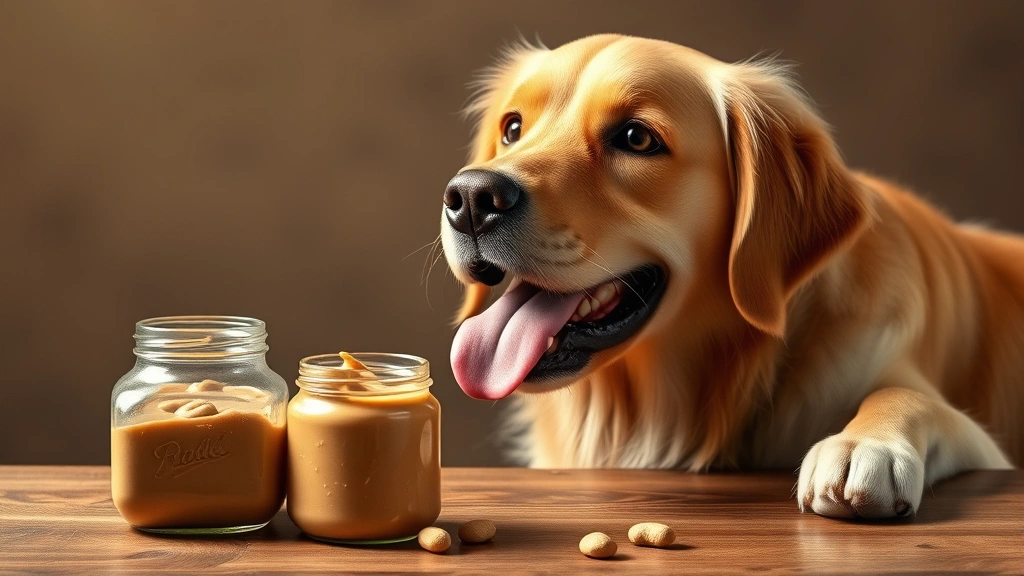
If you’ve ever wondered why do dogs love peanut butter, you’re not alone—this creamy, nutty spread has become one of the most universally adored treats in the dog world, right up there with belly rubs and squeaky toys. Whether you’re spreading it on a Kong toy or watching your pup’s eyes light up at the mere sound of the jar opening, peanut butter seems to trigger an almost primal excitement in our four-legged friends. But what’s really going on in their furry little brains? Let’s dig into the science and psychology behind this delicious obsession.
Table of Contents
- The Irresistible Aroma: Why Peanut Butter Smells Like Heaven to Dogs
- Fat and Protein Content: The Nutritional Jackpot Dogs Crave
- The Sticky Texture: A Sensory Experience Like No Other
- The Reward Association: Pavlovian Conditioning at Its Finest
- Palatability Factors: The Perfect Storm of Taste
- Individual Personality and Learned Preferences
- The Safety Consideration: Not All Peanut Butter Is Created Equal
- Creative Uses for Peanut Butter in Dog Training and Enrichment
- Understanding Canine Nutrition Beyond Peanut Butter
- The Bottom Line: It’s All About Biology and Love
- Frequently Asked Questions
The Irresistible Aroma: Why Peanut Butter Smells Like Heaven to Dogs
Dogs experience the world primarily through their noses, and peanut butter is basically a scent jackpot. The aroma contains volatile compounds that activate their olfactory receptors in ways that make their brains light up like a Vegas casino. When you open that jar, you’re essentially ringing a dinner bell that only dogs can hear—except they hear it through their sense of smell.
The nutty, rich scent of peanut butter triggers dopamine release in a dog’s brain, the same neurotransmitter associated with pleasure and reward. This is why your dog might come running from another room the second you crack open that lid. It’s not just food—it’s an experience.

Fat and Protein Content: The Nutritional Jackpot Dogs Crave
From an evolutionary standpoint, dogs are hardwired to seek out fatty, protein-rich foods. In the wild, these nutrients mean survival and energy for hunting and reproduction. Peanut butter delivers both in abundance, making it practically irresistible from a biological perspective.
A typical serving of peanut butter contains around 8 grams of protein and 16 grams of fat per two tablespoons. For a dog’s palate, this combination is like hitting the nutritional lottery. Their taste receptors respond enthusiastically to these macronutrients, which is why they go absolutely bonkers for it. It’s not a preference—it’s hardwired into their DNA.

The Sticky Texture: A Sensory Experience Like No Other
The sticky, clingy nature of peanut butter creates a unique sensory experience that dogs find absolutely captivating. Unlike kibble that disappears in seconds, peanut butter requires effort, engagement, and sustained interaction. This extended eating experience provides mental stimulation and satisfaction that quick meals simply can’t match.
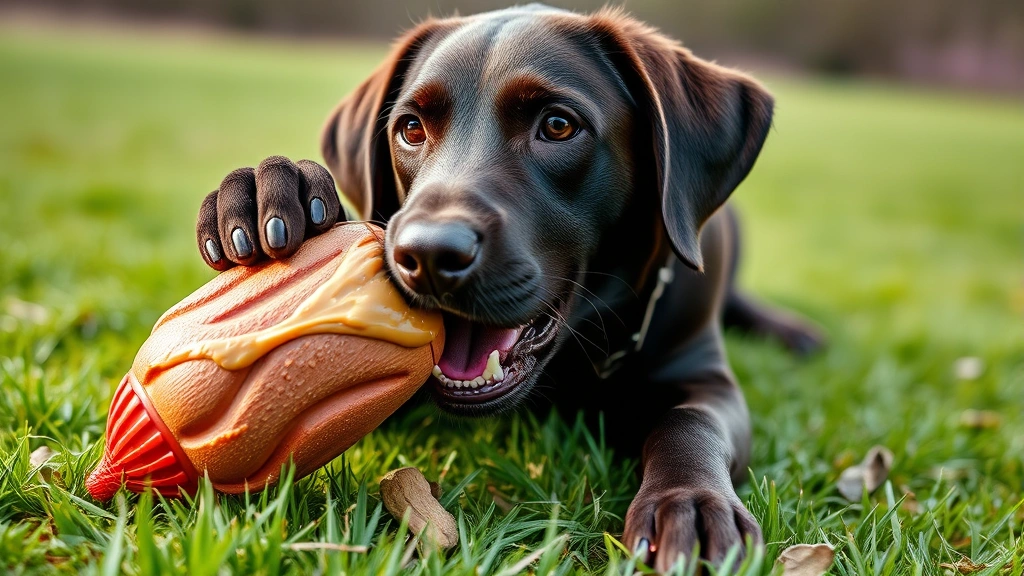
When peanut butter sticks to the roof of their mouth, dogs have to work to dislodge it, and this extended engagement keeps their brains occupied. It’s why peanut butter-stuffed Kongs are such popular enrichment toys. The texture alone keeps dogs entertained far longer than a simple treat would.

The Reward Association: Pavlovian Conditioning at Its Finest
Beyond the biological factors, there’s a powerful psychological component at play. Dogs are incredibly intelligent creatures capable of forming strong associations between events and outcomes. If you’ve ever used peanut butter as a reward during training sessions or as a special treat, your dog has learned that peanut butter = something amazing is happening.
This Pavlovian conditioning means your dog doesn’t just love peanut butter for its taste and smell—they love it because it represents positive experiences. It might signal that training is about to start (which means treats and praise), that you’re about to leave (and they’re getting a distraction), or simply that something good is coming their way. The anticipation becomes part of the appeal.
Palatability Factors: The Perfect Storm of Taste
Dogs taste the world differently than humans do, but they absolutely have taste preferences. Peanut butter hits multiple taste receptors simultaneously—it’s salty, slightly sweet (especially commercial varieties), fatty, and umami-rich. This combination creates what food scientists call “hyper-palatability,” meaning it’s almost impossibly appealing.
The saltiness enhances flavor perception, the fat carries flavor compounds, and the protein content triggers satisfaction signals in the brain. It’s basically the canine equivalent of a gourmet meal, which explains why your dog might ignore their regular kibble but sprint across the room for a spoonful of peanut butter.

Individual Personality and Learned Preferences
Of course, not every dog is equally obsessed with peanut butter, and that’s perfectly normal. Just like humans, dogs have individual taste preferences shaped by their genetics, early experiences, and personality. Some dogs grew up eating peanut butter regularly and developed a strong preference for it, while others might prefer other treats like salmon or other protein-rich foods.
A dog’s breed can also play a role. Scent hounds like Beagles and Bloodhounds might be more attracted to the aroma, while some breeds simply have different taste sensitivities. Additionally, a dog’s age, health status, and even their mood on any given day can influence how enthusiastically they respond to peanut butter.

The Safety Consideration: Not All Peanut Butter Is Created Equal
While peanut butter is generally safe for dogs in moderation, it’s crucial to understand that some varieties contain xylitol, an artificial sweetener that’s extremely toxic to dogs. Even small amounts can cause severe hypoglycemia, liver damage, and potentially fatal outcomes. Always check the ingredient label before offering any peanut butter to your pup.
Additionally, peanut butter is calorie-dense, with about 90 calories per tablespoon. For smaller dogs, even a small amount can represent a significant portion of their daily caloric intake. We recommend using it sparingly as an occasional treat rather than a regular dietary staple. If you’re concerned about your dog’s diet or have questions about safe treat options, consult with your veterinarian or check out our guides on other dog-friendly foods like mango and honeydew.

Creative Uses for Peanut Butter in Dog Training and Enrichment
Understanding why dogs love peanut butter makes it easier to leverage this passion for training and enrichment purposes. Stuffing a Kong with peanut butter and freezing it creates an extended enrichment activity that can keep dogs occupied for extended periods. This is especially useful for dogs with separation anxiety or those who need mental stimulation.
In training, peanut butter serves as a high-value reward that motivates dogs to focus and perform desired behaviors. Its sticky nature also means it takes longer to consume, giving you more time to reinforce positive behaviors. Just be mindful of calories when using it as a training treat—you might want to reduce meal portions on days when you’re using peanut butter extensively.
For dogs who are picky eaters or need to take medications, a small amount of peanut butter can be a game-changer. Many vets recommend it as a vehicle for pills or supplements that dogs otherwise refuse. However, always consult your veterinarian before using peanut butter medicinally, as it can interact with certain medications or health conditions.
Understanding Canine Nutrition Beyond Peanut Butter
While peanut butter is undeniably appealing to most dogs, it shouldn’t be a primary source of nutrition. Dogs require a balanced diet with appropriate proportions of protein, fat, carbohydrates, vitamins, and minerals. Peanut butter, while protein and fat-rich, lacks the micronutrient profile dogs need for optimal health.

If you’re interested in exploring other protein-rich treats that might interest your dog, consider researching options like tofu or other whole-food treats. Every dog is unique, and what works brilliantly for one might not appeal to another. The key is understanding your individual dog’s preferences and nutritional needs.
The Bottom Line: It’s All About Biology and Love
So why do dogs love peanut butter? The answer is multifaceted. It combines irresistible aromas, perfect nutritional composition, unique texture, psychological conditioning, and species-specific taste preferences into one creamy package. From an evolutionary perspective, peanut butter hits every note that makes a dog’s brain scream “YES!”

But beyond the science, there’s something special about sharing peanut butter with your dog. It’s a moment of connection, a simple pleasure that brings joy to both of you. Whether you’re using it for training, enrichment, or just watching your pup’s pure happiness as they work through a peanut butter-covered toy, it’s a reminder of why we love our four-legged companions so much.
Frequently Asked Questions
Is peanut butter safe for all dogs?
Peanut butter is safe for most dogs in moderation, but always check the ingredient label for xylitol, an artificial sweetener that’s toxic to dogs. Additionally, dogs with peanut allergies (rare but possible) or those on calorie-restricted diets should avoid it. When in doubt, consult your veterinarian.

How much peanut butter can I give my dog?
A good rule of thumb is to limit peanut butter to no more than 10% of your dog’s daily caloric intake. For most dogs, this means a teaspoon or tablespoon as an occasional treat. Larger dogs can handle slightly more, while small dogs should get even smaller amounts. Always account for peanut butter calories when calculating daily food intake.
Can peanut butter help with dog anxiety?
Peanut butter can serve as a distraction tool for anxious dogs, particularly when stuffed in a Kong toy. The extended engagement and reward association can help redirect anxious energy. However, it’s not a treatment for anxiety disorders. If your dog has significant anxiety, work with a veterinary behaviorist on a comprehensive treatment plan that may include training, medication, or other interventions.

Why does my dog not like peanut butter?
Not all dogs love peanut butter, and that’s completely normal. Individual taste preferences vary based on genetics, early experiences, and personality. Some dogs might find the texture off-putting or simply prefer other treats. Respect your dog’s preferences and find alternative high-value rewards that they genuinely enjoy.
Can I give my puppy peanut butter?
Yes, puppies can have peanut butter in small amounts, but be even more conservative with portion sizes since they have smaller caloric needs. Ensure it’s xylitol-free and introduce it gradually. Some puppies might have sensitive stomachs, so watch for any digestive upset after their first taste.





