
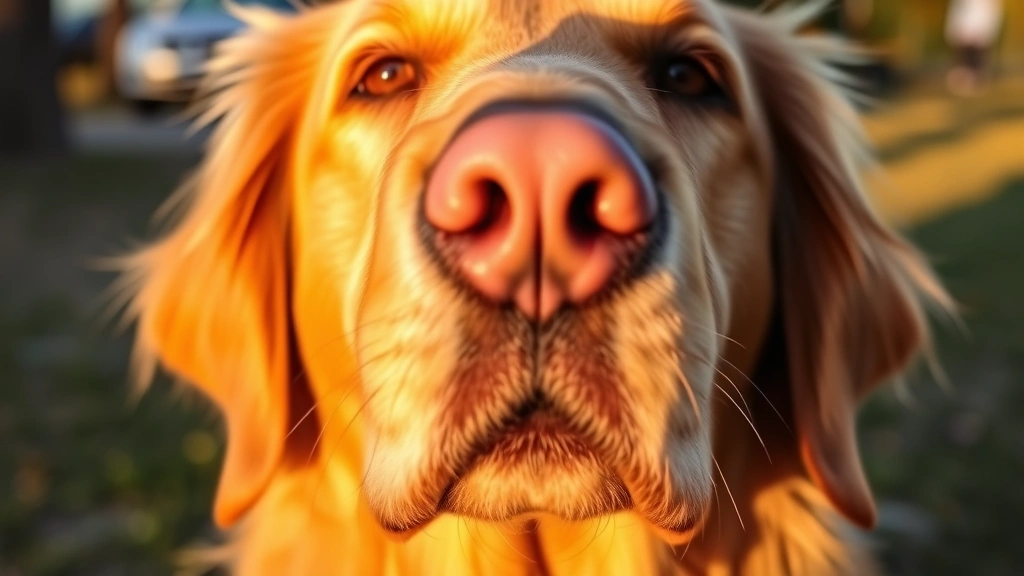
If you’ve noticed your dog’s nose changing from black to pink, you’re probably wondering what’s going on. Why do dogs noses turn pink? Well, buckle up because the answer is way more interesting than you’d think, and it’s usually nothing to panic about—though sometimes it warrants a vet visit.
Table of Contents
- The Genetics Game: Why Some Dogs Are Born Pink-Nosed
- Seasonal Changes: The Winter Nose Phenomenon
- Nutritional Deficiencies: When Diet Matters
- Allergies and Skin Conditions: The Itchy Connection
- Age-Related Changes: Growing Old Gracefully
- Autoimmune Diseases: When the Body Attacks Itself
- Trauma and Injury: When Accidents Happen
- Medication Side Effects: Checking the Label
- Sunburn and UV Exposure: Protecting That Sniffer
- When to Call the Vet: Red Flags to Watch
- Frequently Asked Questions
- The Bottom Line: Your Dog’s Pink Nose Is Probably Fine
Your pup’s sniffer is one of their most distinctive features. That wet, cold nose is basically their superpower, helping them navigate the world through scent. But when that dark button suddenly starts fading to pink, it can feel like your dog’s identity is being stolen. The good news? There are several science-backed reasons this happens, and most of them are totally normal.
The Genetics Game: Why Some Dogs Are Born Pink-Nosed
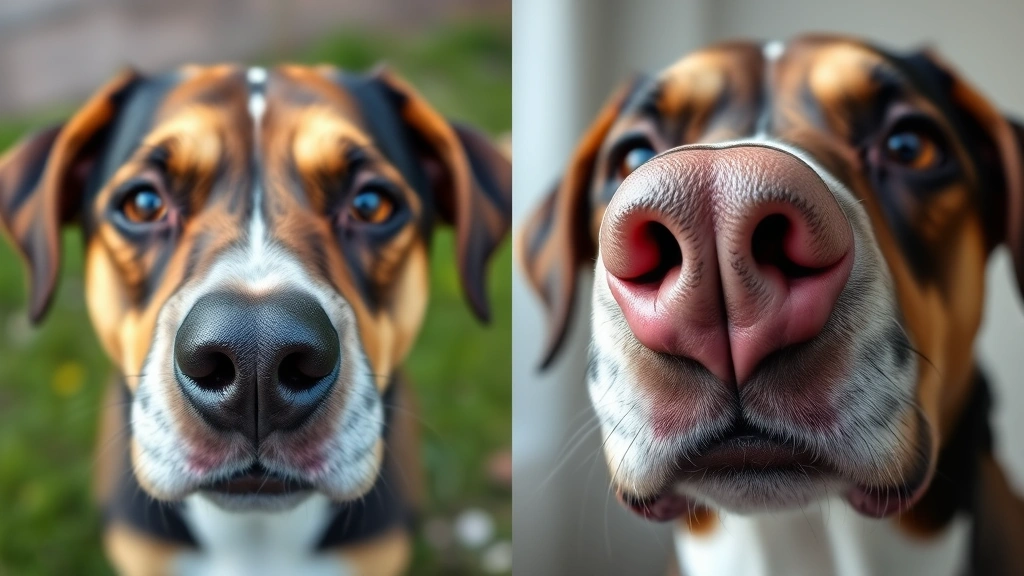
Let’s start with the most straightforward answer: genetics. Not all dogs are born with black noses, and some breeds are predisposed to having lighter-colored noses from day one. Certain genetic variations, particularly in dogs with lighter coat colors, naturally result in pink or spotted noses. This is especially common in merle dog breeds like Australian Shepherds, Collies, and Dalmatians.
If your dog is a Golden Retriever, Labrador, or similar breed, they might have inherited genes that code for lighter pigmentation in their nasal tissue. Some dogs even have mottled noses—a mix of black and pink—which is completely normal and actually kind of adorable. The pigmentation comes down to melanin production, just like in humans, so some pups simply have less of it naturally.
Seasonal Changes: The Winter Nose Phenomenon
Here’s something wild: your dog’s nose can actually change color with the seasons. This phenomenon, sometimes called “winter nose” or “snow nose,” is more common than you’d expect. During colder months, some dogs experience a temporary lightening of their nose pigmentation. When spring rolls around and temperatures warm up, their noses often darken back to their original color.
Scientists believe this happens because of reduced melanin production in cold weather, though the exact mechanism isn’t completely understood. It’s like your dog’s nose is playing seasonal fashion games with you. The good news? It’s harmless and usually reverses itself. If your pup’s nose gets pink in winter and you live in a cold climate, this could be your culprit.
Nutritional Deficiencies: When Diet Matters
Your dog’s nose color can actually be a window into their nutritional status. Deficiencies in certain vitamins and minerals—particularly zinc, B vitamins, and amino acids—can affect melanin production and cause nose depigmentation. If your dog isn’t getting proper nutrition, their nose might fade to pink as a warning sign.
This is especially important for dogs on homemade or poorly formulated diets. A high-quality dog food should provide all the necessary nutrients, but if you’re making your dog’s meals at home, you might be missing crucial elements. Before assuming anything’s wrong, chat with your vet about whether your dog’s diet could be contributing to the color change. Sometimes a nutritional supplement is all that’s needed to restore that black nose to its former glory.
Allergies and Skin Conditions: The Itchy Connection
Allergies can manifest in weird ways, and nose discoloration is one of them. Dogs with food allergies, environmental allergies, or contact dermatitis might experience changes in their nose pigmentation. Additionally, skin conditions like vitiligo (yes, dogs can get it too) can cause patches of depigmentation on the nose and elsewhere on the body.
If your dog’s nose is turning pink alongside other symptoms like itching, redness, or hair loss, allergies could be the culprit. This is where proper grooming products matter—using the wrong shampoo can irritate sensitive skin. Consider switching to a medicated dog shampoo if your vet recommends it, and eliminate potential allergens from your dog’s environment.

Age-Related Changes: Growing Old Gracefully
Just like humans get gray hair as they age, dogs can experience pigmentation changes in their noses as they get older. Senior dogs often develop lighter-colored noses, and this is a completely natural part of the aging process. The melanin-producing cells (melanocytes) become less active over time, resulting in gradual nose color fading.
If your dog is entering their golden years and their nose is gradually turning pink, it’s probably just a sign that they’re maturing. This is nothing to worry about and doesn’t indicate any health problems. It’s actually kind of sweet—your dog’s nose is aging right along with them.
Autoimmune Diseases: When the Body Attacks Itself
In some cases, autoimmune conditions like pemphigus or lupus can cause depigmentation of the nose. These diseases occur when the immune system mistakenly attacks the body’s own cells, including melanocytes. Dogs with autoimmune diseases might experience not just nose color changes, but also other symptoms like lesions, crusting, or discharge.
If your dog’s nose is turning pink and they’re showing other signs of illness—lethargy, loss of appetite, or skin problems—it’s time to see your vet. Autoimmune diseases require professional diagnosis through blood work and potentially a skin biopsy. Don’t delay if you suspect something more serious is happening.
Trauma and Injury: When Accidents Happen
Sometimes a dog’s nose turns pink because it’s been damaged. If your pup had an injury, burn, or infection on their nose, the healing process might result in lighter pigmentation. The new skin that grows in during healing might not have the same melanin production as the original tissue.
This is usually a sign that your dog has been through something rough, so check for other signs of injury or infection. If the nose looks raw, swollen, or infected, definitely get your dog to the vet. Proper wound care can prevent complications and potentially help restore some pigmentation over time.
Medication Side Effects: Checking the Label
Certain medications can affect pigmentation as a side effect. If your dog has recently started a new medication and you’ve noticed their nose turning pink, there could be a connection. Some antibiotics, immunosuppressants, and other drugs can influence melanin production.
Always discuss potential side effects with your vet when starting your dog on any new medication. If you suspect the medication is causing the change, don’t stop giving it without consulting your veterinarian first—the benefits of the medication might outweigh the cosmetic change. Your vet can help you weigh the pros and cons.
Sunburn and UV Exposure: Protecting That Sniffer
Dogs with pink noses or light-colored noses are more susceptible to sunburn, especially if they spend a lot of time outdoors. Repeated sun exposure can damage the skin on the nose and affect pigmentation. Additionally, dogs with very light noses have less natural protection against UV rays.

If your dog loves lounging in the sun, consider applying dog-safe sunscreen to their nose. This protects against sunburn and might help prevent further depigmentation. Dogs with naturally pink noses need extra care during sunny months to prevent skin damage and potential complications like skin cancer.
When to Call the Vet: Red Flags to Watch
Most cases of nose color change are harmless, but some situations warrant a veterinary visit. You should contact your vet if the color change happens suddenly, if it’s accompanied by discharge, swelling, or a foul odor, or if your dog shows signs of illness alongside the change. Also, if the nose becomes crusty, bleeding, or appears infected, don’t wait—get your pup checked out.
Additionally, if your dog has other symptoms like unusual lumps or bumps, behavioral changes, or digestive issues, the nose color change might be part of a bigger health picture. Your vet can run tests and determine if treatment is necessary.

Frequently Asked Questions
Is a pink nose in dogs a sign of illness?
Not necessarily. While a pink nose can sometimes indicate health issues like nutritional deficiencies or autoimmune diseases, it’s often just genetics, seasonal changes, or normal aging. If the color change is sudden and accompanied by other symptoms, see your vet. Otherwise, a pink nose is usually nothing to worry about.
Can a dog’s black nose turn pink permanently?
Yes, it can. Depending on the cause—whether it’s genetics, aging, or permanent pigmentation loss from conditions like vitiligo—a pink nose might be permanent. However, seasonal nose color changes are temporary and typically reverse when conditions change.
Do all dog breeds have black noses?
No. Many breeds naturally have pink or spotted noses. Dalmatians, some Collies, and dogs with lighter coat colors often have pink noses from birth. It’s completely normal and breed-specific.

Should I use sunscreen on my dog’s pink nose?
Absolutely. Pink noses have less melanin, which means less natural UV protection. Dog-safe sunscreen can prevent sunburn and reduce the risk of skin damage and cancer. Apply it regularly if your dog spends time outdoors.
Can I change my dog’s nose color back to black?
It depends on the cause. If the change is due to nutritional deficiency, proper diet might help restore color. If it’s genetic or age-related, you probably can’t change it back. Autoimmune conditions might require treatment, but the nose color might not fully return. Always consult your vet about specific cases.
Is a winter nose permanent?
No. Winter nose (seasonal depigmentation) is temporary. As temperatures warm up and your dog spends more time in the sun, their nose typically darkens back to its original color. It’s a natural seasonal variation.
The Bottom Line: Your Dog’s Pink Nose Is Probably Fine
If you’ve been losing sleep over your dog’s changing nose color, take a breath. In most cases, why do dogs noses turn pink comes down to completely normal reasons like genetics, seasons, or aging. Your pup’s nose color doesn’t define their adorableness or their ability to sniff out that treat you hid in the couch cushions.
That said, stay observant. If the color change happens suddenly, is accompanied by other symptoms, or looks infected or damaged, schedule a vet appointment. Your veterinarian can rule out nutritional issues, allergies, or autoimmune conditions and give you peace of mind.
In the meantime, appreciate your dog’s unique nose—whether it’s black, pink, or a funky combination of both. It’s still the most powerful olfactory tool in the animal kingdom, and it’s still absolutely perfect for booping.





