
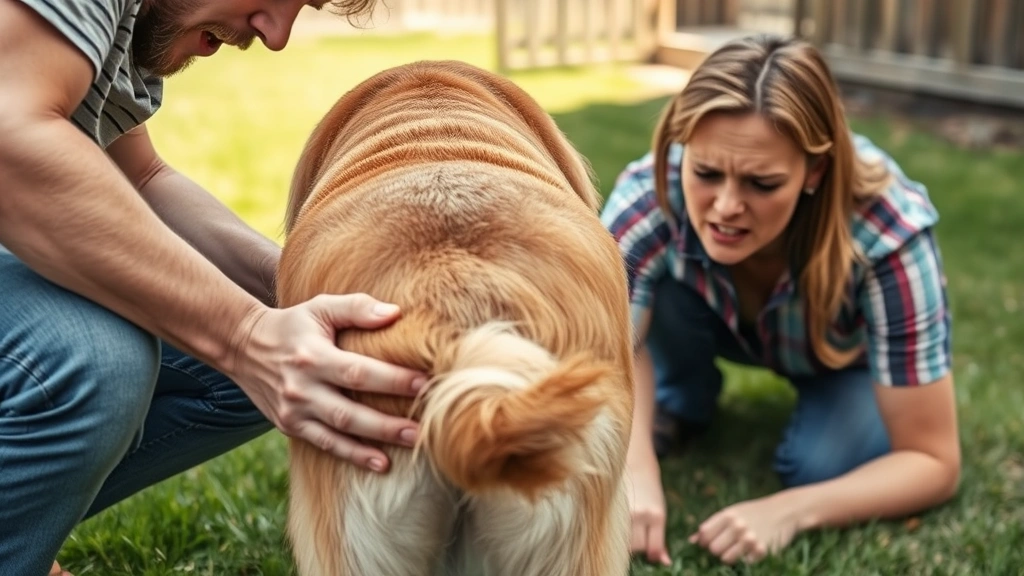
So your dog just pooped blood, and now you’re spiraling into worst-case-scenario mode—totally understandable. Finding blood in your pup’s stool is alarming, but before you panic and Google “my dog is dying,” let’s talk about why do dogs poop blood and what you actually need to do about it. The good news? It’s not always a catastrophic emergency, though it definitely warrants veterinary attention. Let’s dig into the nitty-gritty of bloody dog poop and figure out what’s going on with your furry friend.
Table of Contents
- Understanding Bloody Dog Stool: Bright Red vs. Dark Blood
- Cause #1: Intestinal Parasites and Worm Infections
- Cause #2: Inflammatory Bowel Disease (IBD) in Dogs
- Cause #3: Anal Gland Issues and Rectal Problems
- Cause #4: Colitis and Inflammatory Conditions
- Cause #5: Serious Conditions Requiring Immediate Attention
- Dietary Factors and Food Sensitivities
- When to Call the Vet: Red Flags and Urgent Situations
- Diagnostic Tests Your Vet Will Perform
- Treatment Options and Management Strategies
- Prevention: Keeping Your Dog’s Digestive System Healthy
- Frequently Asked Questions
- Summary: Taking Action for Your Bloody Poop Dog
Understanding Bloody Dog Stool: Bright Red vs. Dark Blood
First things first—not all blood in dog poop looks the same, and the appearance actually tells us something important. Bright red blood (called hematochezia) typically indicates bleeding in the lower digestive tract, like the colon or rectum. Dark, tarry stools (melena) suggest bleeding higher up in the digestive system, like the stomach or small intestines. Your dog’s stool color is basically a diagnostic clue, so pay attention to what you’re seeing. Bright red blood often looks more alarming than it is, while dark tarry poop might indicate a more serious issue. This distinction helps your vet narrow down the problem faster.
Cause #1: Intestinal Parasites and Worm Infections
One of the most common reasons for bloody stools in dogs is intestinal parasites. Hookworms, whipworms, and roundworms can damage the intestinal lining, causing bleeding and inflammation. Puppies are especially susceptible, and if your dog hasn’t been dewormed recently, parasites are a top suspect. The good news? This is totally treatable with proper deworming medication from your vet. If your pup has been eating questionable stuff outside or rolling around in dirt, parasites could absolutely be your culprit. Regular parasite prevention is key to avoiding this mess in the first place.
Cause #2: Inflammatory Bowel Disease (IBD) in Dogs
Inflammatory Bowel Disease affects the digestive tract and causes chronic inflammation, leading to bloody diarrhea and mucus in dog poop. IBD is more common in certain breeds and can develop at any age, though it’s often seen in middle-aged dogs. The condition requires ongoing management with special diets, medications, and sometimes immunosuppressants. If your dog has chronic diarrhea with blood, IBD might be the issue. Your vet can diagnose this through bloodwork, fecal tests, and sometimes endoscopy. Managing IBD often involves switching to limited ingredient dog food to identify triggers and reduce inflammation.
Cause #3: Anal Gland Issues and Rectal Problems
Your dog’s anal glands can become infected, impacted, or inflamed, causing bloody discharge and discomfort. You might notice your pup scooting their rear on the carpet or licking excessively—classic signs of anal gland trouble. Sometimes the glands rupture, leading to bleeding and infection. This is uncomfortable for your dog and requires veterinary treatment, which might include manual expression, antibiotics, or in severe cases, surgical removal. While this isn’t life-threatening, it’s definitely something that needs professional attention. Your vet can express the glands and check for infection or abscess formation.
Cause #4: Colitis and Inflammatory Conditions
Colitis—inflammation of the colon—is another common culprit behind bloody stools. It can be triggered by stress, dietary changes, bacterial infections, or food sensitivities. Dogs with colitis often have mucus mixed with blood in their stool and frequent bowel movements. The condition is usually manageable with dietary adjustments, probiotics, and sometimes anti-inflammatory medications. Stress-related colitis can flare up during thunderstorms, fireworks, or major household changes. If your dog’s bloody poop appeared after a stressful event or diet change, colitis is worth investigating. Mucus in dog poop combined with blood often points to colitis.
Cause #5: Serious Conditions Requiring Immediate Attention
While the previous causes are manageable, some conditions causing bloody stools are more serious and need urgent care. Pancreatitis, bleeding disorders, tumors, and severe infections can all cause bloody diarrhea. If your dog shows additional symptoms like lethargy, vomiting, abdominal pain, or pale gums, get to the vet immediately. Hemorrhagic gastroenteritis (HGE) is a particularly serious condition that causes sudden, severe bloody diarrhea and requires emergency treatment. Toxin ingestion, foreign body obstruction, and severe trauma can also result in bloody stools. Don’t wait around if your dog seems systemically ill—these situations demand professional intervention.
Dietary Factors and Food Sensitivities
Sometimes the culprit is as simple as a dietary issue. Sudden diet changes, eating something they shouldn’t, or food sensitivities can trigger bloody stools. If you recently switched dog food brands, that could be your answer. Some dogs have specific ingredient sensitivities that cause intestinal inflammation and bleeding. Introducing new foods gradually over 7-10 days helps prevent digestive upset. If your dog has chronic food sensitivities, your vet might recommend limited ingredient dog food to identify problematic ingredients. High-fat diets can also trigger pancreatitis, which causes bloody stools and abdominal pain. If your dog has a history of pancreatitis, stick to low fat dog food for pancreatitis to prevent flare-ups.
When to Call the Vet: Red Flags and Urgent Situations
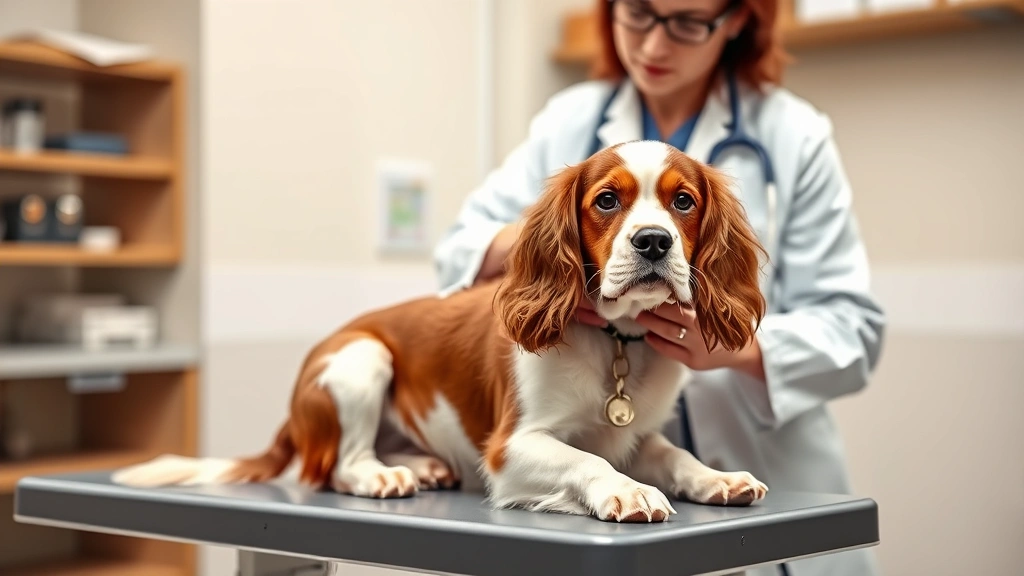
Not every case of bloody poop requires an emergency vet visit, but some definitely do. If your dog has bright red blood in stool just once and seems otherwise healthy, you can schedule a regular appointment. However, if the bleeding is persistent, accompanied by vomiting, diarrhea, lethargy, abdominal pain, or pale gums, head to the emergency vet immediately. Multiple bloody stools in a row, especially with mucus, warrant a same-day vet visit. If your dog hasn’t eaten, is straining unsuccessfully, or shows signs of shock (weakness, rapid heartbeat, cold extremities), don’t delay—this is an emergency. Your vet needs to rule out serious conditions like HGE, foreign body obstruction, or bleeding disorders.
Diagnostic Tests Your Vet Will Perform
When you bring your bloody-poop dog to the vet, expect a thorough workup. Your vet will perform a physical exam, check vital signs, and palpate the abdomen. They’ll likely collect a fecal sample to check for parasites, bacteria, and white blood cells. Bloodwork can reveal infections, clotting disorders, or organ dysfunction. Abdominal ultrasound or X-rays might be necessary to rule out foreign objects, tumors, or pancreatitis. In some cases, colonoscopy or endoscopy allows direct visualization of the intestines and colon. These tests sound invasive, but they’re crucial for accurate diagnosis. Your vet won’t order unnecessary tests—they’ll tailor diagnostics based on your dog’s symptoms and medical history.
Treatment Options and Management Strategies
Treatment depends entirely on the underlying cause. Parasitic infections respond well to deworming medications and often clear up in a few weeks. Dietary changes and probiotics help with food sensitivities and mild colitis. Antibiotics treat bacterial infections, while anti-inflammatory medications manage IBD and colitis. Anal gland issues might require manual expression or antibiotics. Serious conditions like pancreatitis require hospitalization, IV fluids, and supportive care. Your vet might recommend fasting your dog for 24-48 hours to give the digestive tract a break, followed by bland food like boiled chicken and rice. Probiotics and digestive enzymes support gut health during recovery. Don’t self-treat with over-the-counter meds without vet approval—some can worsen the condition.
Prevention: Keeping Your Dog’s Digestive System Healthy
The best medicine is prevention. Keep your dog on a consistent, high-quality diet and introduce changes gradually. Maintain year-round parasite prevention to avoid worms and parasites. Ensure your dog stays up-to-date on vaccinations to prevent infectious diseases. Avoid giving table scraps and keep your pup away from garbage, toxic foods, and non-food items. Regular exercise and stress management help prevent stress-related colitis. If your dog has a history of digestive issues, stick with the diet your vet recommends. Regular vet checkups catch problems early before they become serious. Consider probiotic supplements to maintain healthy gut flora. These simple steps go a long way in preventing bloody stools and other digestive disasters.
Frequently Asked Questions
Is blood in dog poop always serious?
Not always. While bloody stools warrant veterinary attention, the severity depends on the cause. Bright red blood from minor anal fissures or mild colitis is less serious than dark tarry stools indicating stomach bleeding. If your dog is otherwise healthy and active, it might be something manageable like a dietary issue. However, persistent bleeding, especially with other symptoms, requires professional evaluation to rule out serious conditions.
Can I treat my dog’s bloody poop at home?
You can support your dog’s recovery at home once your vet has diagnosed the issue, but you shouldn’t self-diagnose or self-treat without professional guidance. Home care might include feeding bland food, providing probiotics, or ensuring proper hydration—but only after your vet rules out serious conditions. Never give your dog medications without veterinary approval, as some can worsen certain conditions.
How long does it take for bloody poop to resolve?
Recovery time varies by cause. Parasitic infections typically clear in 2-4 weeks with proper deworming. Dietary issues might resolve in days to weeks once you’ve identified the trigger. Inflammatory conditions like IBD or colitis require ongoing management and might take weeks to stabilize. Serious conditions might require hospitalization and longer recovery periods. Your vet will give you a timeline based on your dog’s specific diagnosis.
Should I change my dog’s food if there’s blood in their poop?
Don’t make drastic diet changes without vet guidance. Sudden food switches can worsen digestive upset. If your vet suspects a food sensitivity, they’ll recommend a gradual transition to a different diet. If pancreatitis is suspected, switching to a low fat dog food for pancreatitis is essential. Your vet will provide specific dietary recommendations based on the diagnosis.
Can stress cause bloody stools in dogs?
Yes, stress can trigger stress-related colitis, which causes bloody diarrhea and mucus. Dogs are sensitive to environmental changes, loud noises, and household stress. If your dog’s bloody poop appeared after a stressful event, stress colitis might be the culprit. Managing stress through exercise, training, and environmental modifications can help prevent recurrence.
What does dark tarry dog poop mean?
Dark, tarry stools (melena) indicate bleeding in the upper digestive tract—stomach, small intestines, or esophagus. This is potentially more serious than bright red blood and requires prompt veterinary evaluation. Causes include ulcers, tumors, bleeding disorders, or ingestion of toxins. This type of bleeding needs immediate professional attention.
Summary: Taking Action for Your Bloody Poop Dog
Finding blood in your dog’s poop is stressful, but understanding the potential causes helps you respond appropriately. Parasites, food sensitivities, colitis, anal gland issues, and IBD are common culprits that are manageable with proper treatment. Serious conditions like pancreatitis, bleeding disorders, or HGE require emergency care. The key is paying attention to your dog’s overall health—if they’re acting normal and it’s a one-time occurrence, schedule a regular vet appointment. If they’re lethargic, vomiting, or having persistent bloody stools, head to the emergency vet. Your veterinarian can perform the necessary diagnostics to identify the cause and recommend appropriate treatment. In the meantime, keep your dog hydrated, avoid table scraps, and maintain parasite prevention. Most cases of bloody dog poop are treatable, and your pup will be back to normal pooping in no time. Don’t panic—just get professional help and follow your vet’s recommendations. Your dog’s digestive health is important, and you’re doing the right thing by seeking answers.
For more information about digestive issues, check out our guide on mucus in dog poop and learn about managing specific conditions like low fat dog food for pancreatitis. Your vet can also recommend limited ingredient dog food if dietary management is part of your dog’s treatment plan.
External Resources:





