

Why do dogs put their ears back? It’s one of the most common questions dog owners ask, and honestly, it’s a fascinating window into your pup’s emotional world. Those floppy ears aren’t just adorable accessories—they’re communication tools that speak volumes about what’s going on inside your dog’s head. Whether your furry friend is feeling anxious, submissive, playful, or just plain confused, their ears are broadcasting the message loud and clear.
Table of Contents
- The Anatomy of Dog Ears: Why They’re So Expressive
- Fear and Anxiety: The Most Common Reason Dogs Pin Their Ears
- Submission and Respect: When Dogs Show Deference
- Playfulness and Engagement: The Happy Ear Wiggle
- Concentration and Focus: When Dogs Are All Business
- Illness or Physical Discomfort: When Ears Signal Health Issues
- Confusion and Uncertainty: The Tilted Head Mystery
- Breed-Specific Ear Behavior: Not All Dogs Are Created Equal
- Reading the Full Picture: Context Matters
- Training Your Dog to Feel Comfortable: Reducing Ear-Back Anxiety
- When to Worry: Red Flags in Ear Behavior
- Summary: Understanding Your Dog’s Ear Language
- Frequently Asked Questions
If you’ve ever noticed your dog’s ears pinned back against their head, you might have wondered what triggered that sudden change. The answer isn’t always straightforward because dogs use ear positioning for multiple reasons, and understanding these signals can help you become a better pet parent.
The Anatomy of Dog Ears: Why They’re So Expressive
Before we dive into the reasons why dogs put their ears back, let’s talk about the mechanics. Dogs have around 32 muscles controlling each ear—yes, you read that right. That’s roughly 32 muscles per ear! Compare that to humans, who have only about 6 muscles per ear, and you’ll understand why dogs are basically the Cirque du Soleil performers of ear movement.
This incredible muscular system gives dogs the ability to rotate their ears up to 270 degrees. That’s not just impressive party trick material; it’s an evolutionary advantage that helps them locate sounds with precision. When your dog puts their ears back, they’re not just being cute—they’re actively using this sophisticated anatomy to communicate emotional states and respond to their environment.
Fear and Anxiety: The Most Common Reason Dogs Pin Their Ears
The number one reason why dogs put their ears back is fear or anxiety. When your dog is scared or nervous, those ears flatten against their head like they’re trying to disappear. This is a classic appeasement signal that says, “I’m not a threat, please don’t hurt me.”
Think about it from an evolutionary perspective: a dog with pinned-back ears looks smaller and less threatening. It’s a defensive posture that has helped dogs survive for thousands of years. If your pup is doing this during thunderstorms, fireworks, or vet visits, they’re essentially saying, “This situation is making me uncomfortable.”
You might notice other signs accompanying the pinned ears—a tucked tail, crouched body posture, or even trembling. These are all part of the anxiety package. If your dog frequently displays this behavior, it might be worth consulting with a veterinary behaviorist. Check out our guide on joint supplements for dogs to see if physical discomfort might be contributing to anxiety.
Submission and Respect: When Dogs Show Deference
Dogs are pack animals (well, sort of—the whole “alpha dog” thing is actually debunked science, but that’s another story). When a dog puts their ears back in a relaxed manner—not flat against the head, but gently folded back—they’re often showing submission or respect.
This is different from fear-based ear pinning. A submissive dog might have a soft expression, a wagging tail, and a relaxed body. They’re basically saying, “You’re the boss, and I respect that.” This is especially common when dogs greet their owners after being away or when they’re around other dogs they recognize as more dominant.
The key difference is the overall body language. A fearful dog looks tense and uncomfortable. A submissive dog looks calm and accepting.
Playfulness and Engagement: The Happy Ear Wiggle
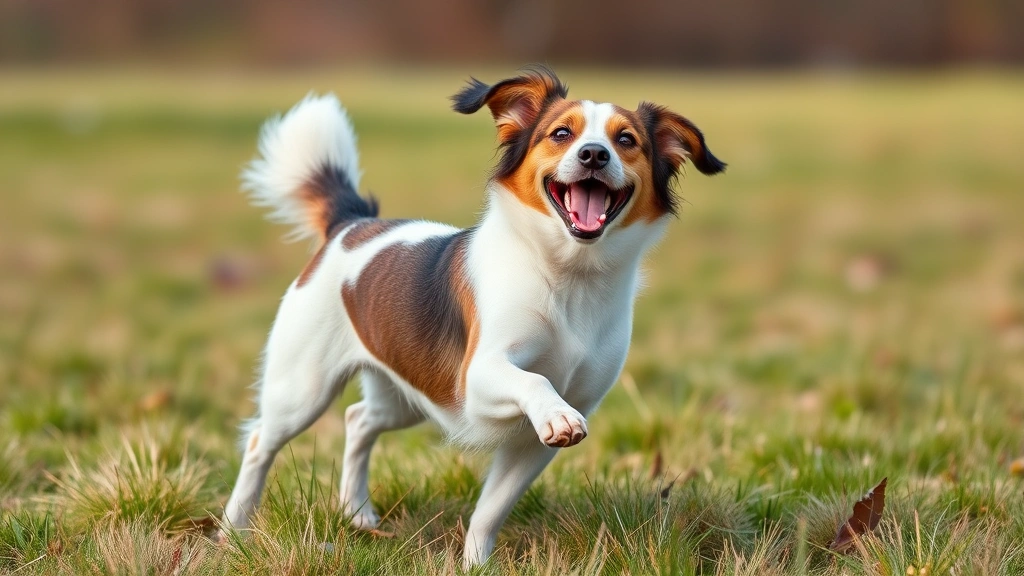
Not all ear-back positioning is about negative emotions. Sometimes, when dogs put their ears back during play, it’s actually a sign of joy and engagement. You’ll notice this especially when your dog is in full play mode—bounding around, tail wagging like a helicopter, and ears flopping around in every direction.
During these moments, the ear positioning is less about communication and more about aerodynamics and comfort. When dogs are running and playing, having their ears back actually helps them move more efficiently. It’s like the canine equivalent of tucking your hair back before a workout.
If your dog is doing this while playing fetch or wrestling with other dogs, rest assured they’re having the time of their life.
Concentration and Focus: When Dogs Are All Business
Ever notice your dog putting their ears back when they’re intensely focused on something? Maybe they’re tracking a squirrel, listening intently to a command, or trying to figure out where a sound is coming from. This ear positioning helps them concentrate and direct their attention.
When dogs are in “work mode,” whether that’s during training sessions or when they’re hunting, their ears naturally move to optimize their hearing and reduce distractions. It’s a sign of mental engagement and focus. This is actually a good sign during training because it means your dog is paying attention to you.
Illness or Physical Discomfort: When Ears Signal Health Issues
Sometimes, dogs put their ears back because they’re not feeling well. If your dog has an ear infection, they might pin their ears back because touching or moving them causes pain. Similarly, if your dog is experiencing general malaise or nausea, you might notice the ears-back posture as part of their overall uncomfortable state.
If you notice persistent ear pinning combined with other symptoms like head shaking, scratching at the ears, or discharge, it’s time for a vet visit. Check out our article on my dog has diarrhea but is acting fine for more information about recognizing when your dog needs medical attention, even when they seem otherwise normal.
Confusion and Uncertainty: The Tilted Head Mystery
Dogs sometimes put their ears back when they’re confused or uncertain about something. Combined with the classic head tilt, this body language says, “I’m not quite sure what’s going on here.” This often happens when dogs hear unfamiliar sounds or commands they don’t understand.
Unlike fear-based ear pinning, confusion-based ear positioning usually comes with a relaxed body and an inquisitive expression. Your dog isn’t scared; they’re just puzzled and trying to figure things out.
Breed-Specific Ear Behavior: Not All Dogs Are Created Equal
Here’s something important to remember: not all dogs have the same ear mobility. Dogs with floppy ears like Cocker Spaniels or Basset Hounds have a harder time moving their ears expressively compared to dogs with erect ears like German Shepherds or Huskies. If you’re looking for a low shedding dog breed, you’ll find that ear expressiveness varies across breeds too.
Dogs with cropped ears or those with naturally rigid ear cartilage might not show the same ear-back behavior as other dogs. This doesn’t mean they’re not experiencing the same emotions—they’re just expressing them differently. Always consider your individual dog’s ear anatomy when interpreting their body language.
Reading the Full Picture: Context Matters
The most important thing to remember is that ear positioning alone doesn’t tell the whole story. You need to look at the complete picture: tail position, body posture, facial expression, and the situation at hand. A dog with ears back might be happy, scared, focused, or submissive—context is everything.
For example, a dog with ears back and a tucked tail during a thunderstorm is clearly anxious. But a dog with ears back while playing fetch with a wagging tail is just having fun. The ears are just one piece of the communication puzzle.
If you’re concerned about your dog’s behavior or notice sudden changes in how they position their ears, don’t hesitate to consult with your veterinarian. Sometimes what looks like normal ear positioning could indicate underlying health issues. For more information about dog health and wellness, check out resources from the American Kennel Club, PetMD, or your local veterinary school.
Training Your Dog to Feel Comfortable: Reducing Ear-Back Anxiety
If your dog frequently puts their ears back due to anxiety, there are things you can do to help them feel more confident. Positive reinforcement training, gradual exposure to triggers, and creating a safe space can all help reduce anxiety-related ear pinning.
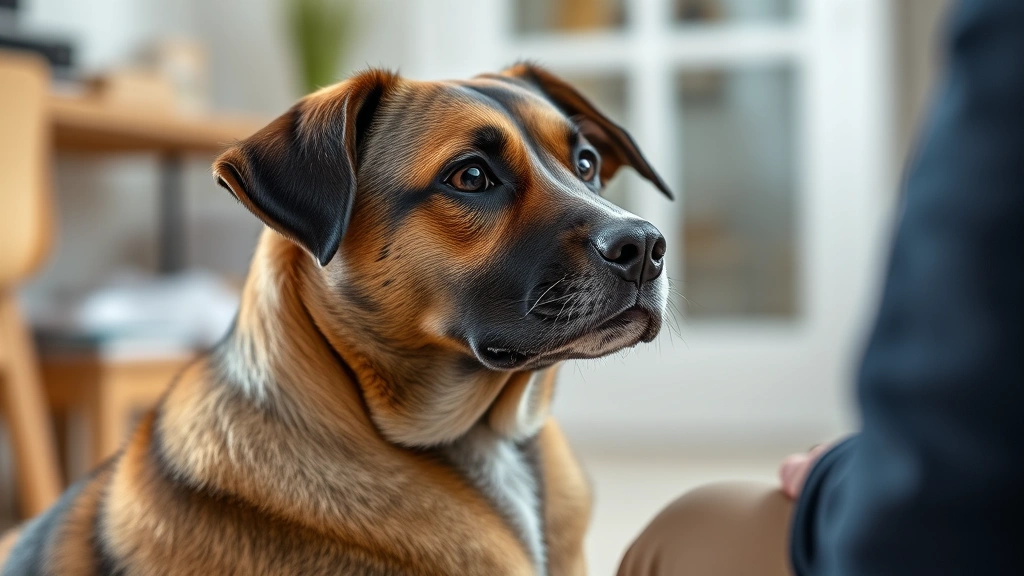
Some dogs benefit from anxiety wraps, calming supplements, or even professional behavioral training. Others just need time and patience as they learn that certain situations aren’t actually scary. If you’re dealing with a dog who seems perpetually anxious, is lavender bad for dogs is a question many owners ask when looking for natural calming solutions—though always check with your vet before trying any new remedies.
When to Worry: Red Flags in Ear Behavior
While most ear-back behavior is completely normal, there are times when you should be concerned. If your dog suddenly starts pinning their ears back constantly, seems to be in pain when their ears are touched, or shows signs of infection (redness, swelling, discharge), get them to a vet immediately.
Similarly, if the ear-back posture is accompanied by aggression, excessive drooling, or other unusual behaviors, it might indicate a health or behavioral issue that needs professional attention.
Summary: Understanding Your Dog’s Ear Language
Why do dogs put their ears back? The answer depends on context. Dogs pin their ears back when they’re anxious, showing submission, playing, concentrating, or sometimes when they’re not feeling well. By learning to read your dog’s complete body language and understanding the different reasons for ear positioning, you’ll develop a deeper connection with your furry friend and be better equipped to respond to their needs.
Remember, every dog is unique. What ear-back positioning means for one dog might be slightly different for another. The best approach is to spend time observing your own dog, learning their individual communication style, and always consulting with professionals when you have concerns about their behavior or health.
Frequently Asked Questions
Is it bad if my dog puts their ears back?
Not necessarily. Ear-back positioning can indicate various emotions and states, from anxiety to playfulness. The key is to look at the overall context and your dog’s body language. If your dog seems happy and relaxed, it’s probably fine. If they seem scared or in pain, that’s when you should investigate further.
Why do dogs put their ears back when happy?
During play and excitement, dogs often put their ears back as part of their natural body movement. It’s not a sign of negative emotion—it’s just what happens when they’re running around and having fun. Think of it as their ears getting caught in the wind during playtime.
Does ear pinning always mean my dog is scared?
No. While fear is a common reason for ear pinning, dogs also pin their ears back when they’re focused, submissive, playing, or experiencing physical discomfort. You need to consider the complete picture of your dog’s body language and behavior.
How can I tell if my dog’s ear-back behavior is due to anxiety versus other reasons?
Anxious dogs typically show additional signs like a tucked tail, crouched posture, trembling, or trying to hide. If your dog’s ears are back but their tail is wagging and they seem relaxed, they’re probably not anxious—they might just be playing or concentrating on something.
Should I be concerned if my dog constantly puts their ears back?
If your dog is constantly pinning their ears back and seems uncomfortable, it’s worth investigating. This could indicate chronic anxiety, a health issue, or an ear infection. A visit to your veterinarian can help rule out medical causes and determine if behavioral intervention is needed.





