
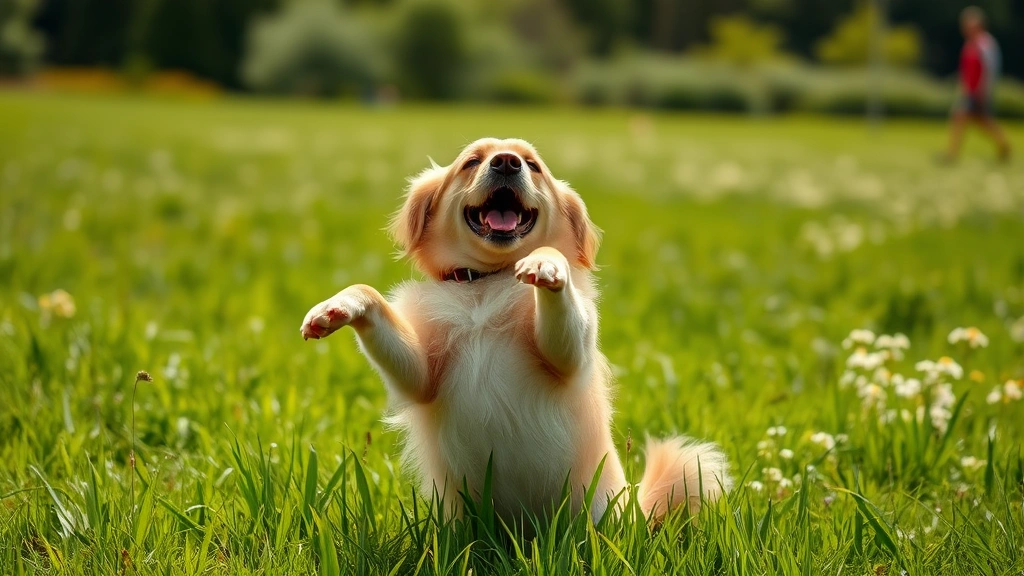
Why Do Dogs Roll in Grass? The Science Explained
If you’re a dog owner, you’ve probably witnessed that delightful moment when your furry friend flops onto their back in the grass and starts wiggling around with pure joy. It’s one of those quintessential dog behaviors that makes us smile, but have you ever wondered what’s really going on in your pup’s mind? Why do dogs roll in grass anyway? The answer is far more fascinating than you might think, involving everything from ancient evolutionary instincts to simple pleasure-seeking behavior.
Dogs roll in grass for multiple interconnected reasons that range from practical to purely enjoyable. Understanding these behaviors gives us insight into our canine companions’ complex minds and helps us appreciate just how thoughtful their seemingly silly actions actually are. Whether it’s a form of communication, a way to cool off, or simply an expression of happiness, grass-rolling is a behavior deeply embedded in dog DNA.
In this comprehensive guide, we’ll explore the science behind this charming behavior, examine what it really means when your dog takes a tumble in the yard, and discover how it relates to other peculiar things dogs do. By the end, you’ll have a much clearer understanding of your dog’s motivations and what their grass-rolling antics reveal about their personality and well-being.
Evolutionary Instinct and Ancestral Behavior
To understand why modern dogs roll in grass, we need to look back at their ancestors. Dogs are descended from wolves, and wild canines have been rolling in grass and dirt for thousands of years. This behavior served critical survival purposes in their natural habitat. One of the primary reasons wolves and wild dogs engaged in rolling was to disguise their scent from prey animals. By rolling in grass, dirt, or other natural materials, they could mask their distinctive predator smell, making it easier to hunt successfully.
This ancestral behavior has remained deeply ingrained in your dog’s genetic makeup, even though modern domestic dogs don’t need to hunt for survival. The instinct to roll in grass is so powerful that it persists across all dog breeds, from tiny Chihuahuas to massive Great Danes. It’s a reminder that beneath that friendly exterior, your pet still carries the instincts of their wild ancestors.
Additionally, rolling in natural materials may have helped wild canines remove parasites and insects from their fur, serving a practical grooming function. When you combine the scent-masking purpose with parasite removal, you can see how rolling in grass became such a fundamental part of canine behavior. Even though our pets don’t face the same survival pressures, the behavior remains hardwired into their brains through generations of evolutionary development.
Scent Marking and Communication
One of the most significant reasons dogs roll in grass relates to scent communication. Dogs experience the world primarily through their sense of smell, which is approximately 10,000 to 100,000 times more sensitive than humans. When your dog rolls in grass, they’re engaging in a form of olfactory communication with other dogs in their environment.
When a dog rolls in grass, they’re collecting scents from that location and then spreading their own scent back onto the grass. This creates a complex message for other dogs who pass through that area later. It’s similar to how dogs mark territory by urinating on fire hydrants or trees, but rolling in grass is a more sophisticated form of scent communication. The grass holds onto scent particles, creating a “scent bulletin board” of sorts where dogs leave messages about their presence, emotional state, and even reproductive status.
This behavior becomes particularly intense during certain seasons or when multiple dogs share the same space. If you notice your dog rolling in grass more frequently during spring or summer, it may be because they’re responding to the scents of other animals in the neighborhood. Your dog isn’t just enjoying a pleasant sensation—they’re actively communicating with their canine community.
Interestingly, this scent-marking behavior through rolling is often more pronounced in dogs that haven’t been spayed or neutered, as they may be responding to hormonal signals in the environment. However, even fixed dogs engage in this behavior regularly, suggesting that scent communication serves multiple purposes beyond just reproductive signaling.

Temperature Regulation and Comfort
Beyond the complex reasons rooted in instinct and communication, sometimes dogs simply roll in grass because it feels good. Grass provides a cool surface that can help regulate body temperature, especially on warm days. When your dog gets hot during summer, rolling in cool, damp grass is an effective way to lower their body temperature and find relief from the heat.
The texture of grass also provides a satisfying sensation against a dog’s skin and fur. Dogs have nerve endings throughout their body that respond to physical sensations, and the gentle scratching and massaging sensation of rolling in grass can be incredibly pleasurable. This is somewhat related to why dogs like belly rubs—they simply enjoy the physical stimulation and tactile feedback.
Additionally, rolling in grass can help dogs scratch areas they might not be able to reach with their own teeth or paws. If your dog has an itch on their back or sides, rolling in grass is an effective way to address it. This self-grooming behavior serves both a comfort function and a practical purpose in maintaining skin health.
For dogs with particularly thick or dense coats, rolling in grass and moisture can help keep their fur from matting and provide relief from the weight and heat of their coat. You’ll often notice dogs rolling in grass more frequently during shedding seasons when their coat feels particularly heavy or uncomfortable.
Playfulness and Pure Joy
Sometimes the simplest explanation is the correct one: dogs roll in grass because they enjoy it. Dogs are playful creatures who find joy in many simple activities, and rolling in grass is undeniably fun for them. The freedom to flop onto their back, wiggle around, and experience the sensations of grass against their fur brings genuine happiness to most dogs.
When you observe a dog rolling in grass with their tongue out and their whole body wiggling with abandon, you’re witnessing pure canine joy. This behavior is often accompanied by other signs of contentment and playfulness, such as tail wagging, play bows, or invitations to interact. Your dog may even look at you during their grass-rolling session as if to say, “Isn’t this wonderful?”
This playful rolling is also a way for dogs to express their emotional state. A dog that’s relaxed, happy, and comfortable in their environment is more likely to engage in grass-rolling behavior. If your dog frequently rolls in grass, it’s generally a positive sign that they’re feeling good and enjoying their surroundings. It’s part of their natural play repertoire, similar to how dogs scratch their beds as part of their nesting and comfort-seeking behaviors.
The joy aspect of grass-rolling shouldn’t be underestimated. Dogs are social, playful animals, and engaging in pleasurable activities is important for their mental health and well-being. Allowing your dog to roll in grass freely (within safe boundaries) is actually contributing to their emotional happiness and psychological balance.

Skin Health and Grooming
Rolling in grass serves practical grooming purposes beyond simple comfort. The grass acts as a natural brush, helping to remove dead hair, debris, and sometimes parasites from your dog’s coat. This is particularly beneficial during shedding seasons when your dog’s undercoat is loosening and falling out. By rolling in grass, your dog is essentially performing their own detangling and de-shedding treatment.
The moisture in grass can also help moisturize dry skin and fur, providing natural relief from itchiness. This is especially important during dry seasons or for dogs with naturally dry skin conditions. The combination of moisture, gentle friction, and the natural oils in grass can contribute to overall coat health.
However, it’s important to note that excessive rolling in grass, particularly if accompanied by intense scratching or visible skin irritation, could indicate an underlying skin condition or parasite problem. If your dog seems to be rolling more than usual or if you notice hair loss, red patches, or other signs of skin distress, it’s worth consulting with a veterinarian. Sometimes what appears to be normal grass-rolling behavior could be a sign of allergies, fleas, or other dermatological issues that require professional attention.
Additionally, be aware of what your dog might be rolling in when they’re out in the grass. While fresh, clean grass is generally safe, you’ll want to be cautious about your dog rolling in areas that might be contaminated with pesticides, fertilizers, or other chemicals. These substances can irritate your dog’s skin and fur, and some can be toxic if ingested during grooming.
Other Rolling Behaviors
While rolling in grass is generally harmless and often delightful, it’s worth noting that dogs also roll in other substances. The behavior we’ve been discussing relates to a broader category of rolling behaviors that serve different purposes. For instance, some dogs have a peculiar habit of rolling in dead animals, which is particularly unpleasant for their owners but serves evolutionary purposes related to scent masking and communication.
Dogs may also roll in rolling in feces, another behavior that puzzles and disturbs most dog owners. While this behavior seems disgusting to us, it’s rooted in the same ancestral instincts that drive grass-rolling. Understanding that these behaviors are natural, even if undesirable, helps us manage them more effectively.
The key difference between rolling in grass and rolling in less pleasant substances is that grass-rolling is generally encouraged and safe, while rolling in dead animals or feces requires intervention and management. You can redirect your dog’s rolling instincts toward grass by rewarding grass-rolling behavior and preventing access to less desirable rolling materials.
It’s also worth considering that your dog’s rolling behavior might be connected to other ground-related activities. Dogs that eat dirt or circle before they lay down are engaging in related behaviors rooted in similar instinctual drives. These behaviors all stem from your dog’s natural desire to prepare their environment, mark territory, and engage with the world through their senses.
When to Be Concerned About Grass Rolling
While rolling in grass is generally normal and healthy, there are situations where this behavior might warrant concern. If your dog is rolling excessively or compulsively, it could indicate an underlying medical or behavioral issue. Excessive rolling, particularly if accompanied by signs of distress or if your dog seems unable to stop, might suggest allergies, parasites, or skin conditions that require veterinary attention.
According to resources from the American Kennel Club, changes in behavior patterns can sometimes indicate health issues. If your dog’s grass-rolling behavior has suddenly increased or changed, it’s worth discussing with your veterinarian.
Additionally, be mindful of environmental hazards. If your yard has been treated with pesticides, herbicides, or fertilizers, you may want to restrict your dog’s grass-rolling during the treatment period and for a reasonable time afterward. Chemical exposure through rolling in grass can lead to skin irritation or more serious health issues if your dog ingests the chemicals during grooming.
Pay attention to your dog’s skin condition following grass-rolling sessions. If you notice increased scratching, redness, hair loss, or other signs of skin irritation developing after your dog rolls in grass, there may be an environmental allergen or irritant at play. In such cases, consulting with a veterinary dermatologist can help identify the specific cause.
The ASPCA recommends monitoring your pet’s behavior and consulting with a veterinarian if you notice any significant changes. This applies to grass-rolling behavior as well—while it’s normally benign, sudden changes or concerning accompanying symptoms should be evaluated by a professional.
Frequently Asked Questions
Is it bad for my dog to roll in grass?
Rolling in grass is generally not bad for your dog and is actually a normal, healthy behavior. However, you should be aware of what chemicals or substances might be present in the grass. Avoid letting your dog roll in grass that has been recently treated with pesticides or fertilizers. Additionally, if your dog develops skin irritation after rolling in grass, there may be an environmental allergen present, and you should consult your veterinarian.
Why does my dog roll in grass after a bath?
Dogs often roll in grass immediately after a bath because they’re trying to reapply their natural scent to their fur. Bathing removes the oils and scent from their coat, which can make dogs feel uncomfortable or vulnerable. By rolling in grass, your dog is working to restore their natural scent profile and feel more like themselves again. This is completely normal behavior and not something to be concerned about.
Should I stop my dog from rolling in grass?
There’s generally no reason to stop your dog from rolling in grass, as long as the grass is clean and free from harmful chemicals. Allowing your dog to engage in this natural behavior contributes to their physical and mental well-being. However, if your dog is rolling in contaminated areas or if the behavior becomes compulsive, you may need to intervene or consult with a veterinarian.
Does rolling in grass help with itching?
Yes, rolling in grass can help relieve itching in several ways. The friction of rolling helps scratch areas your dog can’t reach easily, the moisture can soothe dry skin, and the natural materials can provide relief. However, if your dog is excessively scratching or rolling due to itching, it could indicate allergies or parasites, which should be evaluated by a veterinarian.
Why do some dogs roll in grass more than others?
Individual dogs have different personalities and preferences, which influences how often they roll in grass. Some dogs simply enjoy the sensation more than others. Additionally, factors like coat type, skin sensitivity, and environmental factors can influence rolling behavior. Dogs with certain coat types or skin conditions may roll more frequently for grooming purposes.
Can rolling in grass cause skin problems?
Rolling in clean grass shouldn’t cause skin problems for most dogs. However, if the grass has been treated with chemicals or if your dog has sensitive skin or allergies, rolling in grass could potentially cause irritation. Additionally, if your dog is rolling excessively due to an underlying skin condition, addressing the root cause is important. Consult your veterinarian if you notice skin problems developing after grass-rolling.
Is grass rolling a sign my dog is happy?
Rolling in grass is often a sign that your dog is happy, relaxed, and comfortable in their environment. Dogs that roll in grass with a relaxed body posture, tail wagging, and playful demeanor are generally expressing contentment. However, grass rolling can also be motivated by other factors like scent marking or temperature regulation, so it’s not exclusively an indicator of happiness—though it often is a positive sign.





