

Why Do Dogs Scoot on Their Butt? Vet Insights and Solutions
If you’ve ever watched your furry friend shuffle across your carpet on their rear end like they’re performing some bizarre ice-skating routine, you’re not alone. The classic “butt scoot” is one of those dog behaviors that’s equal parts amusing and concerning for pet parents. While it might look comical, this behavior is actually your dog’s way of communicating that something needs attention—and it’s usually not something to ignore.
Dog scooting, also known as “scooting” or “dragging,” happens when your pup uses their hind legs to pull themselves forward while their bottom stays in contact with the ground. It’s like watching a furry caterpillar inching across your hardwood floors, except the reason behind it is typically rooted in discomfort or irritation. The good news? Understanding what triggers this behavior is the first step toward helping your four-legged companion feel better.
In this comprehensive guide, we’ll explore the various reasons behind dog scooting, when it’s cause for concern, and what you can do about it. Whether you’re dealing with a one-time incident or a recurring problem, we’ve got the veterinary insights you need to get to the bottom of this quirky canine behavior.
Anal Gland Issues: The Primary Culprit
Let’s address the elephant in the room—or rather, the anal glands in your dog’s rear. The most common reason dogs scoot is because of problems with their anal glands, also called anal sacs. These small pouches, located on either side of your dog’s anus, produce a smelly secretion that’s unique to each dog. In the wild, dogs use these scent markers for territory and identification purposes.
In healthy dogs, these glands naturally empty when your pup has a bowel movement. However, sometimes things don’t work as planned. The glands can become impacted, meaning the fluid builds up and doesn’t empty properly. When this happens, your dog experiences discomfort and irritation, leading to the telltale scooting behavior. It’s their way of trying to relieve the pressure and itch.
Anal gland impaction is incredibly common, especially in small dog breeds. Chihuahuas, toy poodles, and other tiny breeds seem particularly prone to this issue. Some dogs experience occasional impaction, while others deal with chronic problems that require regular attention from their veterinarian. In severe cases, infected anal glands can lead to abscesses, which are painful and require immediate veterinary care.
Signs of anal gland problems include:
- Frequent scooting on carpets or grass
- Excessive licking or biting at the rear end
- A foul or fishy odor coming from your dog
- Visible swelling or redness around the anus
- Difficulty defecating or straining during bowel movements
- Blood or pus in stool
If you notice any of these symptoms, it’s time to schedule a vet visit. Your veterinarian can manually express the anal glands, providing immediate relief for your uncomfortable companion. Some vets recommend regular expression for chronic cases, though this should always be done by a professional to avoid injury.
To help prevent anal gland impaction, ensure your dog is eating a diet high in fiber. Many veterinarians recommend increasing fiber intake through supplements or dietary changes. You can also learn more about related dragging behaviors by exploring our article on why do dogs drag their butt, which covers similar underlying causes.
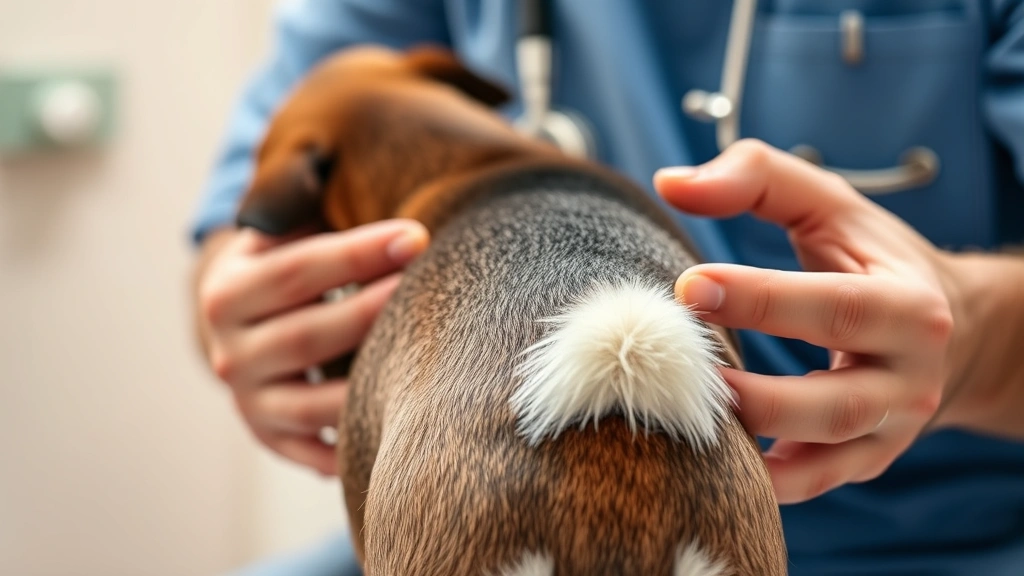
Parasites and Skin Infections
Beyond anal gland issues, parasites are another frequent reason for scooting behavior. Fleas, in particular, are notorious for causing itching around the rear end. When fleas infest your dog, they often congregate in areas that are difficult for your pup to reach, including the anal region. This creates intense itching that leads to scooting.
Intestinal parasites like worms can also trigger scooting. While worms are typically associated with digestive issues, they can cause irritation around the anus. If your dog has worms, you might notice other symptoms like weight loss, diarrhea, or visible worms in their stool. Regular deworming and flea prevention are essential parts of responsible pet ownership.
Skin infections, whether bacterial or fungal, can cause localized itching in the anal region. Yeast infections are particularly common in dogs with floppy ears or those prone to moisture buildup. These infections create uncomfortable itching that your dog tries to relieve through scooting and excessive licking. If you suspect a skin infection, your vet can perform tests and prescribe appropriate treatment.
The connection between parasites and other skin conditions is important to understand. Dogs that have can dogs get lice are also susceptible to other parasitic issues that might cause scooting. Additionally, if your dog is dealing with itching from other causes, scooting might be part of a larger pattern of discomfort.
According to the ASPCA’s guide to common dog parasites, regular preventative treatment is the best defense against parasitic scooting. Talk to your veterinarian about the best flea, tick, and worm prevention options for your specific dog.
Other Medical Causes
While anal gland issues and parasites account for the majority of scooting cases, other medical conditions can also trigger this behavior. Allergies, both food-related and environmental, can cause itching throughout your dog’s body, including the rear end. Dogs with allergies might scoot as part of a broader pattern of scratching and licking.
Digestive issues can also play a role. Diarrhea or loose stools can irritate the anal area, leading to scooting. If your dog’s scooting is accompanied by digestive problems, dietary changes or medical treatment might be necessary. Conditions like inflammatory bowel disease or food sensitivities should be explored with your veterinarian.
Neurological issues, though less common, can occasionally cause scooting. Some dogs develop compulsive behaviors that include excessive rear-end licking and scooting. These behavioral issues require a different approach than medical problems and might involve consultation with a veterinary behaviorist.
Skin conditions like what causes hot spots on dogs can extend to the anal region, causing irritation and scooting. Hot spots are areas of inflamed, infected skin that dogs obsessively lick and chew. If your dog develops a hot spot near their rear end, immediate attention is needed to prevent it from worsening.

The American Kennel Club provides detailed information about scooting causes, emphasizing that persistent scooting warrants veterinary evaluation. Your vet can rule out serious underlying conditions and provide appropriate treatment.
Behavioral and Environmental Factors
Not all scooting is medical in nature. Sometimes dogs scoot for behavioral or environmental reasons. Some dogs have learned that scooting gets them attention from their owners, so they repeat the behavior even when there’s no physical discomfort. This is particularly common in dogs that receive lots of attention and interaction when they scoot.
Environmental factors can also play a role. Certain fabrics or surfaces might feel particularly satisfying to scoot on, and your dog might do it simply because it feels good—similar to how cats knead blankets. While this isn’t necessarily a sign of a problem, frequent scooting should still be investigated to rule out underlying issues.
Anxiety and stress can manifest as scooting in some dogs. If your dog is experiencing stress from changes in their environment, new pets, or other factors, they might develop repetitive behaviors like scooting. Understanding your dog’s emotional state is part of addressing their overall health.
It’s worth noting that if your dog is experiencing itching from other sources, they might also be why do dogs lick their paws excessively. These behaviors often occur together, suggesting a systemic issue like allergies rather than localized anal gland problems.
When to Call Your Veterinarian
While occasional scooting might not be cause for alarm, certain situations definitely warrant a veterinary visit. If your dog is scooting frequently—more than once or twice a week—it’s time to see your vet. Persistent scooting indicates an ongoing problem that needs professional attention.
You should also contact your veterinarian if you notice:
- Blood or pus in your dog’s stool or around their anus
- A foul smell that persists even after bathing
- Signs of pain when your dog defecates or sits
- Visible swelling, redness, or discharge from the anal area
- Your dog scooting in combination with other symptoms like diarrhea, vomiting, or lethargy
- Scooting that continues despite flea and tick prevention
- Hair loss around the rear end from excessive licking
If you suspect your dog has an infected anal gland abscess, this is an emergency situation. Abscesses can rupture and cause serious complications. Symptoms include severe pain, difficulty walking, fever, and visible swelling. Seek immediate veterinary care if you suspect an abscess.
Your veterinarian might recommend additional diagnostic tests depending on what they find. These could include fecal exams to check for parasites, skin scrapings if a fungal infection is suspected, or allergy testing if environmental or food allergies are the culprit. The key is getting a proper diagnosis so treatment can be targeted and effective.
For comprehensive information about when veterinary care is necessary, consult the VCA Animal Hospitals guide to anal gland problems, which provides detailed information about emergency situations and routine care.
Prevention and Management Strategies
The best approach to scooting is prevention. Regular flea and tick prevention is non-negotiable. Year-round protection is recommended in most climates, and your veterinarian can help you choose the best product for your dog’s specific needs. There are numerous options available, from topical treatments to oral medications to flea collars.
Maintaining proper hygiene around your dog’s rear end is also important. Regular bathing, especially after outdoor activities, can help prevent parasites and skin infections. Keep the area around your dog’s anus clean and dry, as moisture can promote bacterial and fungal growth.
Diet plays a significant role in anal gland health. A high-fiber diet helps produce bulkier stools that naturally empty the anal glands during defecation. You can increase fiber through commercial high-fiber dog foods, pumpkin puree, or fiber supplements. Always consult your veterinarian before making dietary changes.
If your dog has a history of anal gland problems, your vet might recommend:
- Regular anal gland expression (typically every 4-8 weeks)
- Dietary supplements to improve stool consistency
- Regular grooming to keep the area clean and free of matting
- Weight management, as overweight dogs are more prone to anal gland issues
- Regular exercise to promote digestive health
For dogs with chronic anal gland impaction, some veterinarians recommend surgical removal of the glands (anal sacculectomy). While this is a more invasive approach, it can be effective for dogs with severe, recurring problems. Your vet can discuss whether this is an option for your dog.
If you’re dealing with related issues like ear infections, you might find helpful information in our article about how to treat dog ear infection without vet, which includes preventative strategies that can apply to overall skin and gland health as well.
Additionally, understanding the nuances between different types of dragging behavior is helpful. You can learn more by exploring our detailed article on why do dogs drag their butts, which provides comprehensive coverage of related behaviors and their underlying causes.
Frequently Asked Questions
Is scooting always a sign of a serious problem?
Not necessarily. While occasional scooting might not indicate a serious condition, it’s still worth investigating. Most cases of scooting are caused by anal gland impaction or parasites, both of which are treatable. However, persistent or worsening scooting should always be evaluated by a veterinarian to rule out more serious underlying conditions.
Can I express my dog’s anal glands at home?
While it’s technically possible to learn how to express your dog’s anal glands at home, it’s generally recommended to have a professional do it. Improper technique can injure the glands or cause infection. Your veterinarian or a professional groomer can show you the proper technique if you need to do it between vet visits, but most owners find it more comfortable to leave this task to professionals.
How often should my dog’s anal glands be expressed?
For most dogs, anal glands empty naturally during bowel movements and don’t require manual expression. However, dogs with chronic impaction might need expression every 4-8 weeks. The frequency depends on your individual dog’s needs. Your veterinarian can recommend an appropriate schedule based on your dog’s history.
What’s the difference between scooting and dragging?
Scooting and dragging are often used interchangeably to describe the same behavior: when a dog uses their hind legs to pull themselves forward while their bottom stays on the ground. The causes are typically the same, though the terminology might vary slightly depending on the specific movement pattern.
Can diet really help prevent scooting?
Yes, diet can play a significant role in preventing scooting, particularly when it’s related to anal gland impaction. A high-fiber diet helps produce bulkier stools that naturally express the anal glands. Additionally, a healthy diet supports overall skin and digestive health, which can reduce scooting related to allergies, parasites, or infections.
Is scooting contagious to other dogs?
Scooting itself isn’t contagious, but the underlying cause might be. If scooting is caused by parasites like fleas or worms, these can spread to other dogs. This is why regular preventative treatment and good hygiene are important, especially in multi-dog households.
Should I be concerned if my dog only scoots occasionally?
Occasional scooting might not be cause for immediate concern, but it’s worth monitoring. If your dog scoots once or twice and then stops, it might have been a temporary irritation. However, if you notice it happening regularly, even if it’s infrequent, mention it to your veterinarian at your next visit. It’s better to address potential issues early.
Can allergies cause scooting?
Yes, allergies can definitely cause scooting. Both food allergies and environmental allergies can lead to itching throughout your dog’s body, including the anal region. If your dog has other signs of allergies like excessive scratching, ear infections, or skin rashes, allergies might be the culprit behind the scooting.





