
If you’ve ever watched your furry best friend drag their rear end across your carpet like they’re performing some sort of canine ice skating routine, you’ve witnessed the infamous dog scoot. But why do dogs scoot on their butts? It’s not just a weird behavioral quirk—it’s usually a sign that something’s going on down there that needs attention. Let’s dig into this hilariously awkward but surprisingly common dog behavior and figure out what’s really happening when your pup turns into a furry sled.
Table of Contents
- What Does Scooting Actually Mean?
- Anal Gland Issues: The Most Common Culprit
- Parasites and Worm Infestations
- Skin Allergies and Dermatitis
- Anal Fissures and Skin Infections
- Behavioral Scooting and Habit Formation
- When to Call Your Vet Immediately
- Prevention Tips to Reduce Scooting
- Grooming and Hygiene Considerations
- Nutritional Support for Digestive Health
- The Vet’s Role in Diagnosis and Treatment
- Frequently Asked Questions
- The Bottom Line: Your Dog’s Scooting Needs Attention
What Does Scooting Actually Mean?
Dog scooting—technically called “scooting,” “scoot,” or the less clinical “butt dragging”—is when your dog sits on their rear end and drags themselves forward using their front legs. It looks ridiculous, sounds ridiculous, and honestly, it usually means your dog is trying to tell you something important. This behavior isn’t random; it’s a communication tool. Your dog is essentially saying, “Hey, something’s bothering my butt, and I’m going to do something about it myself.” The problem is, they’re doing it on your Persian rug instead of at the vet’s office.
Anal Gland Issues: The Most Common Culprit
The number one reason dogs scoot is impacted or inflamed anal glands. Your dog has two small glands on either side of their anus that normally express themselves when they defecate. But sometimes, these glands don’t empty properly, and they fill up like tiny, uncomfortable balloons. When this happens, your dog feels pressure and itching, so they scoot to try to relieve it themselves. It’s their DIY solution to a problem that really needs professional help.

Anal gland problems are so common that vets express thousands of dog anal glands every single day. If your dog is a chronic scooper, anal gland issues are probably the first thing your vet will check. Some breeds—particularly smaller dogs—seem more prone to anal gland problems, though any dog can experience them. The good news? Your vet can express the glands manually, and the relief is usually immediate. Your dog will probably stop scooting right away.
Parasites and Worm Infestations
Another major reason for scooting is parasites, especially intestinal worms like hookworms, roundworms, or tapeworms. If your dog has worms, they’ll feel itchy around their rear end, and scooting becomes their way of trying to scratch that itch. Tapeworms are particularly notorious for causing scooting because they can actually be visible in your dog’s stool or around their anus—they look like tiny rice grains, which is honestly the most unpleasant visual ever.

The solution here is parasite prevention and treatment. Make sure your dog is on a regular flea and worm prevention program recommended by the American Kennel Club. If you suspect worms, your vet can run a fecal test to confirm and prescribe the appropriate dewormer. This is also a good time to check out our guide on my dog has diarrhea but is acting fine since parasites often cause digestive issues alongside scooting.
Skin Allergies and Dermatitis
Dogs can develop allergies just like humans do, and sometimes those allergies manifest as itchy skin around the rear end. Food allergies, environmental allergies, or contact dermatitis can all cause inflammation and itching in the anal area, leading to scooting. If your dog is scratching or licking other parts of their body too, allergies might be the culprit.

Identifying the allergen is the tricky part. Your vet might recommend an elimination diet, allergy testing, or simply switching to a high-quality dog food. Some dogs do better on limited-ingredient diets or grain-free options, though you should always consult your vet before making dietary changes. If allergies are the issue, treating the underlying allergy will stop the scooting.
Anal Fissures and Skin Infections
Sometimes the issue isn’t internal—it’s the skin around the anus itself. Dogs can develop anal fissures, small tears in the skin, or bacterial and yeast infections in that area. These conditions are uncomfortable and itchy, naturally leading to scooting. If your dog has recently had diarrhea or loose stools, they might have irritated the delicate skin around their anus, creating fissures.
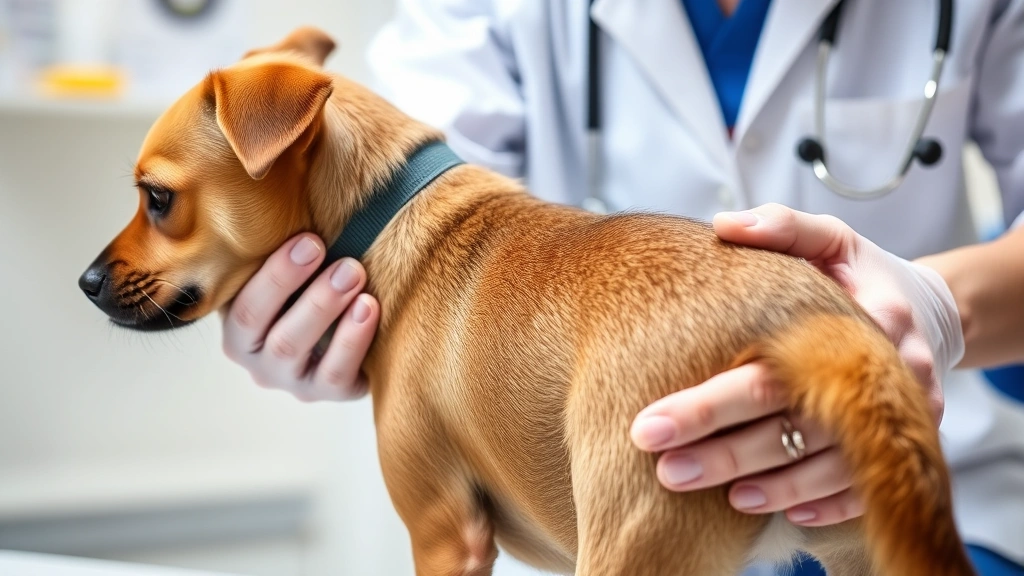
This is where a vet visit is essential. They can examine the area, identify any infections, and prescribe appropriate treatment, whether that’s antibiotics, antifungal medication, or soothing topical treatments. In some cases, adjusting your dog’s diet to prevent loose stools helps prevent future fissures. Check out our article on large breed dog food for nutrition tips that support digestive health.
Behavioral Scooting and Habit Formation
Here’s the thing nobody likes to admit: sometimes dogs scoot just because they’ve done it before and it felt good. If your dog scooted once due to anal gland issues, got relief, and then scooted again when they felt even slightly uncomfortable, they might’ve developed a habit. It becomes their go-to move whenever anything feels even remotely off.
Behavioral scooting is less common than the medical reasons, but it’s worth considering if your vet has ruled out all the physical causes. In these cases, redirecting your dog’s attention and providing appropriate outlets for their energy can help break the habit. Make sure your dog is getting enough exercise and mental stimulation—sometimes scooting is just boredom in disguise.
When to Call Your Vet Immediately
Most scooting isn’t an emergency, but there are red flags that warrant an urgent vet visit. If your dog is scooting constantly, bleeding from the anal area, showing signs of pain, or has a swollen or inflamed rear end, get them to the vet ASAP. Similarly, if scooting is accompanied by vomiting, loss of appetite, or lethargy, something more serious might be going on.

Don’t wait around hoping it’ll resolve itself. Anal gland abscesses, severe infections, and other serious conditions can develop quickly. Your vet can rule out emergencies and get your dog treated fast. Better safe than sorry when it comes to your pup’s health.
Prevention Tips to Reduce Scooting
While you can’t always prevent scooting entirely, you can reduce the likelihood with some smart preventive care. First, keep your dog on a consistent, high-fiber diet that promotes healthy digestion and proper stool consistency. Fiber helps anal glands express naturally during bowel movements, which is exactly what you want.

Second, maintain a regular flea and worm prevention schedule. Most vets recommend year-round prevention, even for indoor dogs. Third, keep your dog’s anal area clean and dry. Regular baths and grooming can prevent skin infections. Fourth, ensure your dog gets plenty of exercise—a tired dog is a healthy dog, and good circulation supports overall health, including anal gland function.
Finally, watch for early signs of trouble. If you notice your dog starting to scoot, don’t ignore it. A quick vet visit early on can prevent minor issues from becoming major problems. Think of it as preventive maintenance for your furry friend.
Grooming and Hygiene Considerations
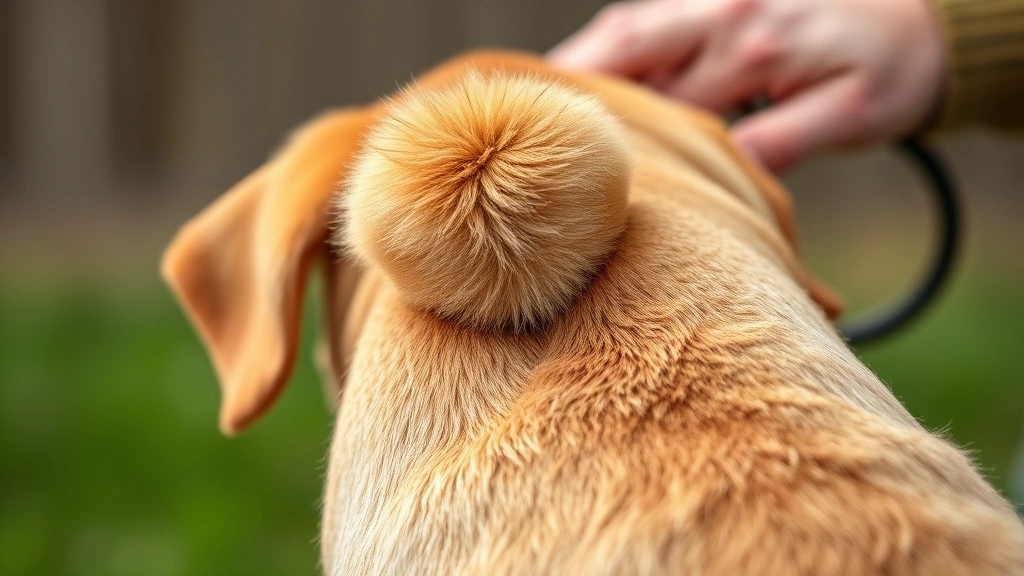
Long-haired dogs around the rear end sometimes scoot because hair is irritating the area or trapping moisture and bacteria. Regular grooming, including trimming hair around the anal area, can help prevent this issue. If your dog has a thick coat, consider professional grooming every 6-8 weeks to keep that area clean and well-maintained.
Some dog owners find that using a quality moulting brush helps remove excess hair and keep the coat healthy. Check out our guide on moulting brush for dogs for recommendations. Keeping your dog’s coat in good condition supports overall skin health, which directly impacts anal gland function and comfort.

Nutritional Support for Digestive Health
Your dog’s diet plays a huge role in preventing scooting issues. A diet rich in fiber, quality proteins, and essential nutrients supports healthy digestion and proper stool consistency. Some dogs benefit from added digestive support supplements like milk thistle for dogs, which supports liver and digestive health.
Work with your vet to find the best diet for your individual dog. Some pups do great on commercial kibble, while others thrive on fresh, whole-food diets. The goal is healthy, well-formed stools that allow anal glands to express naturally. Proper nutrition is preventive medicine at its finest.

The Vet’s Role in Diagnosis and Treatment
Your veterinarian is your best resource for figuring out why your dog is scooting. During an exam, they’ll check for anal gland issues, examine the skin around the anus, ask about your dog’s diet and bowel habits, and possibly recommend testing like fecal exams or skin scrapings. They might also discuss your dog’s overall health, breed predispositions, and lifestyle factors.
Based on their findings, your vet will recommend appropriate treatment. This might include expressing anal glands, prescribing medications, changing diet, or referring you to a veterinary dermatologist if allergies are suspected. Trust your vet’s expertise—they’ve seen thousands of scooting dogs and know how to help yours feel better.

Frequently Asked Questions
Is dog scooting always a sign of anal gland problems?
No, while anal gland issues are the most common cause, scooting can also result from parasites, allergies, skin infections, or behavioral habits. A vet exam is necessary to determine the actual cause.
Can I express my dog’s anal glands at home?
While it’s technically possible, it’s not recommended unless your vet has trained you specifically. Improper technique can injure your dog or cause infection. Let your vet handle it.
How often do dogs need their anal glands expressed?
Most dogs express their glands naturally during bowel movements and never need manual expression. However, some dogs—particularly small breeds—may need professional expression every 4-12 weeks. Your vet will advise based on your dog’s needs.
Can diet changes stop my dog from scooting?
Yes, if scooting is caused by poor digestion, parasites, or allergies, diet changes can help. A high-fiber diet and quality nutrition support healthy anal gland function and reduce scooting frequency.
When is dog scooting an emergency?
Seek emergency care if your dog is bleeding, showing severe pain, has a swollen rear end, or if scooting is accompanied by vomiting or lethargy. Don’t wait if something seems seriously wrong.
Why do some dogs scoot more than others?
Breed, size, diet, genetics, and overall health all play roles. Smaller breeds and dogs with certain genetic predispositions are more prone to anal gland issues. Individual dogs also have different sensitivities to allergies and parasites.
The Bottom Line: Your Dog’s Scooting Needs Attention
So, why do dogs scoot on their butts? The answer is almost always that something’s bothering them, and they’re trying to fix it themselves. Whether it’s impacted anal glands, parasites, allergies, or skin issues, scooting is your dog’s way of communicating discomfort. The good news is that most causes are easily treatable once properly diagnosed.
Don’t laugh off your dog’s scooting as just another weird dog thing. Instead, schedule a vet appointment, get to the bottom of the issue (pun intended), and help your pup feel better. Your dog will be grateful, your carpets will thank you, and you’ll have one less awkward moment to explain to your guests. Remember, a healthy dog is a happy dog, and addressing scooting promptly is part of responsible pet ownership. Your vet is always your best resource for keeping your furry friend comfortable and healthy.





