

If you’ve ever wondered why do dogs scratch the floor, you’re not alone—this quirky behavior drives pet parents absolutely bonkers. One minute your pup is lounging peacefully, and the next they’re going full excavation mode on your hardwood like they’re searching for buried treasure. But here’s the thing: your dog isn’t trying to ruin your floors or drive you insane. There’s actually some solid science behind all that pawing and scratching.
Table of Contents
- 1. Nesting and Comfort-Seeking Behavior
- 2. Anxiety, Stress, and Nervous Behavior
- 3. Skin Irritation and Allergies (The Itchy Culprit)
- 4. Marking Territory and Scent Glands
- 5. Boredom and Excess Energy
- How to Stop Your Dog from Scratching the Floor
- When to Call the Vet
- Understanding Your Dog’s Body Language
- Frequently Asked Questions
- The Bottom Line
In this guide, we’ll dig into the five most common reasons dogs scratch the floor, what it really means, and—most importantly—how to stop it before your flooring becomes a casualty of canine behavior.
1. Nesting and Comfort-Seeking Behavior
One of the most innocent reasons dogs scratch floors is pure comfort-seeking. Think about when your dog does this most: usually right before they’re about to nap or settle down for the night. They’re basically trying to create the perfect nest, just like their wild ancestors did centuries ago.
This behavior is hardwired into their DNA. In the wild, dogs (and their wolf cousins) would scratch and dig at grass, leaves, and dirt to create a comfortable sleeping spot. They’d also do this to regulate body temperature—scratching away hot soil to expose cooler earth beneath. Your modern house dog is doing the same thing, except they’re working with your living room carpet or kitchen tiles instead of forest floor.
The scratching helps them:
- Fluff up bedding and create a cozy nest
- Mark their sleeping area with scent glands in their paws
- Feel more secure and in control of their space
- Cool down if they’re feeling too warm
If this is what’s happening, it’s actually pretty harmless. You can redirect this behavior by providing a designated scratching pad or blanket that they’re allowed to paw at freely.
2. Anxiety, Stress, and Nervous Behavior
Sometimes floor scratching is a red flag for anxiety. Dogs experiencing stress, fear, or nervousness often resort to repetitive behaviors like scratching, pacing, and digging. It’s their way of self-soothing when they’re feeling overwhelmed.
Common triggers for anxious floor scratching include:
- Thunderstorms or loud noises
- Separation anxiety when you leave home
- Changes in their routine or environment
- New pets or people in the house
- Fireworks or other startling sounds
If your dog is scratching excessively and showing other signs of anxiety—like panting, whining, pacing, or destructive behavior—it’s worth talking to your vet. They can rule out medical issues and might recommend supplements or behavioral modifications to help your pup feel calmer.
3. Skin Irritation and Allergies (The Itchy Culprit)
Here’s where things get medical. If your dog is scratching the floor more than usual, they might actually be dealing with skin issues. Allergies, parasites, dry skin, or fungal infections can make dogs incredibly itchy, and they’ll scratch anything they can—including your floors.
Common skin problems that cause excessive scratching:
- Fleas and mites: Even one flea can trigger itching in sensitive dogs
- Food allergies: Chicken, wheat, and dairy are common culprits
- Environmental allergies: Pollen, dust, and mold can cause reactions
- Dry skin: Especially in winter or low-humidity environments
- Yeast infections: Often appear between paws or in skin folds
- Contact dermatitis: Reactions to cleaning products or materials
If you notice your dog scratching their paws, ears, or body excessively in addition to the floor scratching, it’s time for a vet visit. A professional can diagnose the issue and recommend treatment. In the meantime, a medicated dog shampoo might provide temporary relief.
4. Marking Territory and Scent Glands
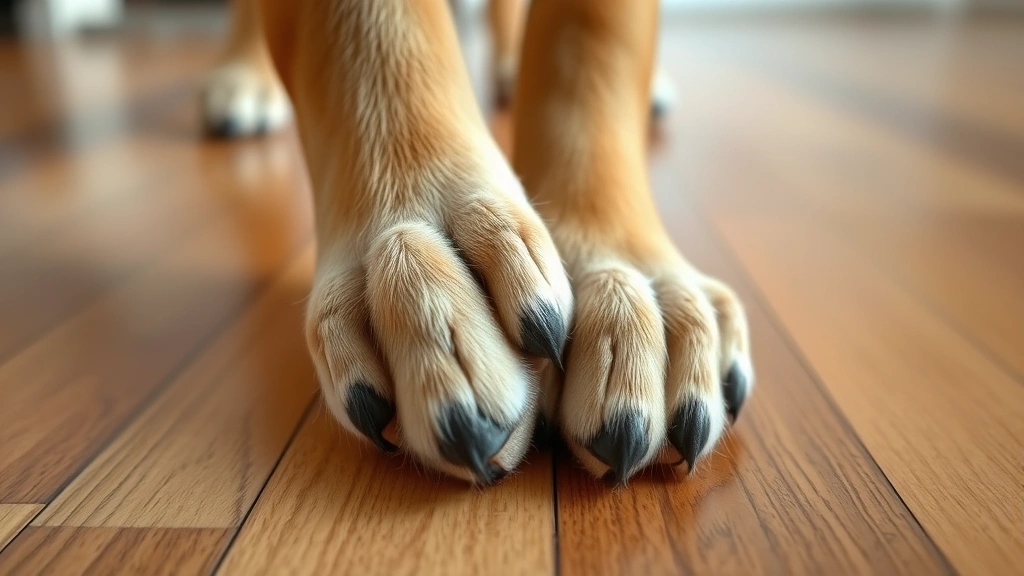
Dogs have scent glands in their paws, and scratching is one way they mark their territory and communicate with other dogs. When your pup scratches the floor, they’re literally leaving their signature—a chemical calling card that says “this is mine.”
This is especially common in:
- Multi-dog households where dogs compete for space
- After another animal has visited your home
- When a new pet is introduced to the family
- Dogs with naturally territorial personalities
This behavior is totally normal and usually nothing to worry about. It’s just your dog being, well, a dog. However, if it’s combined with aggression or extreme possessiveness, consult your veterinarian or a certified animal behaviorist.
5. Boredom and Excess Energy
Sometimes the simplest explanation is the right one: your dog is bored out of their mind. Dogs need mental and physical stimulation, and when they don’t get enough, they’ll entertain themselves—often by destroying your home.
Floor scratching can be a sign of:
- Insufficient exercise or playtime
- Lack of mental enrichment
- Too much time alone or confined
- Pent-up energy with nowhere to go
If your dog is scratching more on days when they haven’t had a good walk or play session, this is likely your culprit. Regular exercise and interactive toys can work wonders for reducing this behavior.
How to Stop Your Dog from Scratching the Floor
Now that you know the “why,” let’s tackle the “how to fix it.” Here are practical solutions based on the underlying cause:
For Comfort-Seeking Behavior:
- Provide a designated scratching pad, blanket, or dog bed
- Use positive reinforcement when they scratch in the right place
- Make their sleeping area extra cozy with blankets they can arrange
For Anxiety:
- Create a safe space or den-like area
- Use calming supplements or pheromone diffusers
- Practice desensitization to triggers
- Consider professional training or behavioral therapy
For Skin Issues:
- Schedule a vet appointment immediately
- Use a moulting brush to remove loose fur and improve skin health
- Maintain regular flea and tick prevention
- Switch to hypoallergenic dog food if allergies are suspected
For Territory Marking:
- Clean marked areas thoroughly with enzymatic cleaner
- Provide separate spaces for multiple dogs
- Use positive reinforcement for calm behavior
For Boredom:
- Increase daily exercise (aim for at least 30 minutes for most breeds)
- Rotate toys to keep things interesting
- Use puzzle feeders and interactive toys
- Try training sessions or agility work
- Consider doggy daycare or playdates
When to Call the Vet
Floor scratching becomes a concern when it’s:
- Excessive and compulsive
- Accompanied by hair loss, redness, or open sores
- Combined with other behavioral changes
- Causing damage to your floors or your dog’s paws
- Persistent despite environmental changes
A veterinarian can rule out medical issues, identify allergies, and recommend appropriate treatment. Don’t try to tough it out if something seems off—early intervention is always better.
Understanding Your Dog’s Body Language
Pay attention to when and how your dog scratches. Are they relaxed and settling down for a nap? Are they anxious and panting? Are they focused on a specific spot? These details matter and can help you pinpoint the real reason behind the behavior.
Watch for accompanying signs like:

- Tail position (relaxed vs. tucked)
- Ear position (alert vs. back)
- Body tension (loose vs. stiff)
- Facial expression (calm vs. stressed)
This body language detective work will help you understand what your pup is really trying to tell you.
Frequently Asked Questions
Is floor scratching normal dog behavior?
Yes, floor scratching is completely normal for dogs. It’s rooted in their instinctive nesting behavior and territorial marking. However, excessive scratching can indicate underlying issues like anxiety, allergies, or boredom that should be addressed.
Why does my dog scratch the floor before lying down?
This is classic nesting behavior. Your dog is trying to create a comfortable, secure spot for sleep, just like their wild ancestors did. It’s harmless and shows they’re settling in for rest.
Can allergies cause floor scratching?
Absolutely. Allergies are one of the most common medical reasons for excessive scratching. If your dog is scratching their paws, ears, or body along with the floor, see a vet to rule out food or environmental allergies.
How much floor scratching is too much?
Occasional scratching before naps or in response to stress is normal. If your dog is scratching constantly throughout the day, especially if it’s causing damage to floors or their paws, it’s time to investigate further.
Will providing a scratching pad stop the behavior?
It can help redirect the behavior, especially if your dog is just seeking a comfortable spot. Combine it with positive reinforcement (treats and praise when they use the pad) for best results.
Is floor scratching a sign of aggression?
Not necessarily. Floor scratching is usually a neutral or positive behavior. However, if it’s combined with growling, stiff posture, or possessive guarding, consult a behaviorist.
The Bottom Line
Floor scratching is one of those quirky dog behaviors that can range from completely harmless to a sign of something more serious. In most cases, it’s just your pup being a dog—creating a cozy nest, marking their territory, or burning off excess energy. But when it’s excessive or accompanied by other symptoms, it’s worth investigating.
Start by observing when and why your dog scratches. Is it before naps? During storms? After you leave? These clues will help you identify the cause and find the right solution. Whether it’s providing a designated scratching pad, increasing exercise, addressing anxiety, or scheduling a vet visit for potential allergies, there’s almost always a way to manage this behavior.
Remember: your dog isn’t trying to ruin your floors. They’re just being their authentic, instinct-driven selves. With a little patience, observation, and the right approach, you can keep both your pup and your hardwood happy.





