
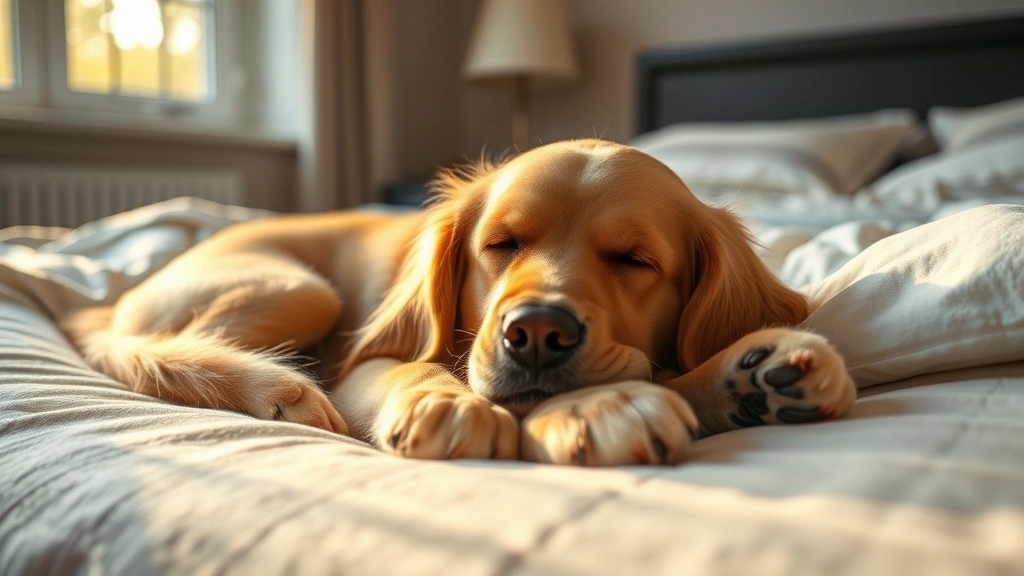
If you’ve ever watched your furry best friend napping and noticed them twitching, paddling their paws, or full-on shaking like they’re running from an invisible squirrel, you’ve probably wondered: why do dogs shake in their sleep? The good news? It’s usually totally normal and nothing to panic about. In fact, those adorable sleep tremors are often a sign your pup is having the time of their life in dreamland.
Table of Contents
- The REM Sleep Connection: When Dogs Dream Big
- Muscle Twitches and Involuntary Movements Explained
- Active Dreaming: Your Dog’s Nighttime Adventures
- Temperature Regulation and Chills During Sleep
- Neurological Factors: When to Actually Worry
- Age Matters: Puppies vs. Senior Dogs
- Breed Predisposition to Sleep Tremors
- Health Conditions That Increase Sleep Shaking
- When to Call the Vet: Red Flags and Warning Signs
- Creating the Perfect Sleep Environment for Your Pup
- Sleep Positions and What They Tell You
- Medication and Health Supplements for Sleep Quality
- The Bottom Line: Embrace the Adorable Twitches
- Frequently Asked Questions
Let’s dig into the science behind those midnight shivers and figure out what’s really going on when your dog looks like they’re auditioning for a canine earthquake simulator.
The REM Sleep Connection: When Dogs Dream Big
Here’s the thing about dogs and sleep: they experience the same sleep cycles we do, including REM (Rapid Eye Movement) sleep. This is the stage where the magic happens—where dreams come to life. During REM sleep, your dog’s brain is firing on all cylinders, processing the day’s adventures, creating memories, and yes, dreaming up wild scenarios.
When dogs are in deep REM sleep, their muscles don’t get the memo that they should stay still. The brain essentially paralyzes most voluntary muscles during REM to prevent us (and our pups) from acting out our dreams. But sometimes, that system isn’t perfect, and little twitches and shakes slip through. It’s like your dog’s body is trying to run through that dream chase scene, even though they’re safely on the couch.
Dogs spend about 10-12% of their sleep time in REM, which is actually less than humans. But when they’re in it, boy do they make it count.
Muscle Twitches and Involuntary Movements Explained
Those adorable little paw paddling moments? That’s your dog’s muscles firing involuntarily. Think of it like when you’re falling asleep and suddenly jerk awake—except your dog doesn’t wake up from it. These micro-contractions are completely normal and happen to most dogs.
The shaking you see is often localized to specific muscle groups. Your dog might twitch their back legs like they’re running, shake their ears, or even make little barking sounds. Some dogs get the full-body tremors, while others just have tiny, barely noticeable quivers. It all depends on the individual pup and what their dream brain is cooking up.
The reason these movements happen is that the brain’s inhibitory signals aren’t completely blocking the motor cortex during REM sleep. It’s not a malfunction—it’s just how the sleep-dream cycle works. Your dog’s body is essentially trying to execute dream commands while their consciousness is offline.
Active Dreaming: Your Dog’s Nighttime Adventures
Let’s be real: your dog is probably having better dreams than you are. While you’re dreaming about forgetting your pants at a meeting, your pup is likely reliving their favorite moments—chasing that tennis ball, playing with their doggy best friend, or that time they somehow scored an entire sandwich off the kitchen counter.
Dogs dream about their daily experiences, and their brains replay these events during sleep. When they’re shaking and twitching, they’re actively engaged in these dream scenarios. The movements are their body’s way of participating in the dream action, even though they’re physically asleep.
Research shows that dogs have similar dream patterns to humans, and they likely experience emotions in their dreams too. So when your dog is shaking and making little woofing sounds, they might be having the time of their life in dreamland.
Temperature Regulation and Chills During Sleep
Sometimes, a shaking dog isn’t dreaming at all—they might just be cold. Dogs regulate their body temperature differently than humans, and during sleep, their metabolic rate drops. This can cause them to feel chilly, especially if they’re sleeping in a cool room or on a cold floor.
Small breeds and dogs with thin coats are particularly prone to feeling the cold during sleep. If your dog is shaking and they’re curled up in a tight ball or seeking warmth, they might just need an extra blanket or a cozier sleeping spot. Try moving their bed away from drafty windows or providing a soft, insulated dog bed.
You can also check if your dog feels cold by touching their ears and nose. If they’re unusually cool, your pup probably needs to warm up. A cozy blanket or moving them to a warmer area usually does the trick.
Neurological Factors: When to Actually Worry
Now, let’s talk about the less fun stuff. While most dog sleep shaking is completely benign, there are some neurological conditions that can cause excessive tremors. Conditions like epilepsy, myoclonic jerks, or other neurological disorders can manifest as shaking during sleep.
The key difference is frequency and intensity. Normal sleep twitches are brief, intermittent, and happen occasionally. If your dog is shaking violently, continuously, or seems disoriented when they wake up, that’s when you should contact your vet. Similarly, if the shaking is accompanied by other symptoms like coughing and gagging, or unusual behavior during waking hours, get them checked out.
According to the American Kennel Club, while sleep tremors are normal, persistent or severe shaking warrants veterinary evaluation to rule out underlying conditions.
Age Matters: Puppies vs. Senior Dogs
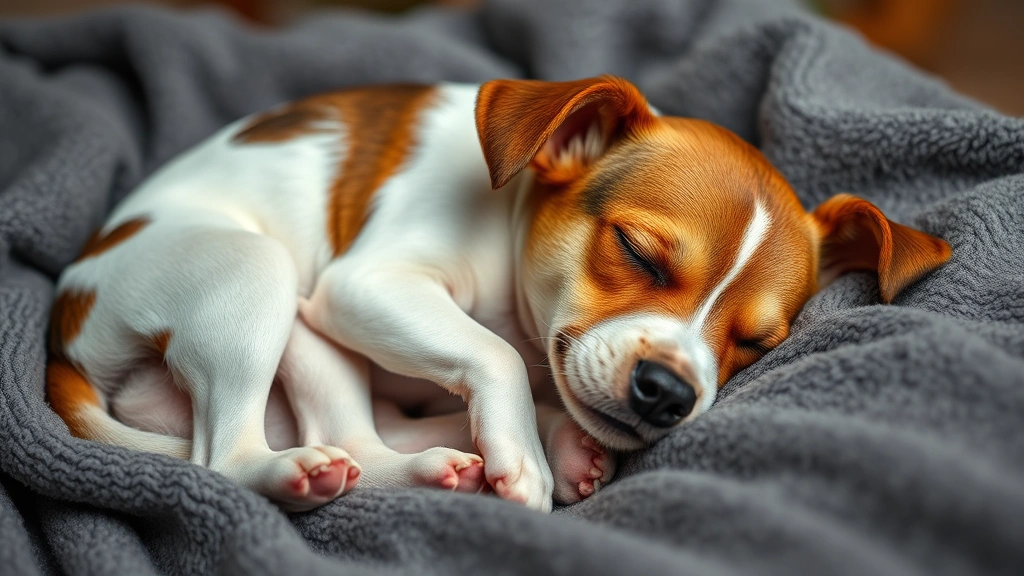
Here’s an interesting fact: puppies shake in their sleep way more than adult dogs. Young pups are still developing their nervous systems, so their sleep patterns are more active and twitchy. It’s completely normal for a puppy to look like they’re vibrating during naps.
Senior dogs also experience more sleep disturbances and can shake more frequently as their neurological systems age. This is generally normal, but it’s worth monitoring. If your older dog suddenly starts shaking more intensely or frequently than usual, mention it to your vet during their next checkup.
The good news? The shaking typically decreases as dogs move from puppyhood to adulthood, then may increase again slightly in their senior years. It’s all part of the natural aging process.
Breed Predisposition to Sleep Tremors
Certain breeds are more prone to visible sleep shaking than others. Small breeds like Chihuahuas, Italian Greyhounds, and Toy Poodles tend to have more noticeable tremors during sleep, partly because their movements are more visible on their smaller frames.
Some breeds with higher energy levels also seem to have more active REM sleep. Sporting breeds and working dogs might twitch more during sleep because their brains are processing more stimulation from their active days.
Interestingly, dogs with anxiety or high stress levels sometimes show increased sleep tremors. If your dog seems anxious during waking hours, they might be processing that stress through more active dreams and movements during sleep.
Health Conditions That Increase Sleep Shaking
Certain health issues can make sleep shaking more pronounced. Dogs with hormonal imbalances or false pregnancy might experience increased tremors. Pain from arthritis or other conditions can also cause restless sleep and more noticeable movement.
Dogs dealing with anxiety or stress might also shake more during sleep. If your pup has been through recent changes—new home, new family members, or traumatic experiences—they might be processing these emotions through more active dreams.
Additionally, dogs with sleep disorders like narcolepsy or REM sleep behavior disorder can have more severe shaking episodes. These are rare but worth discussing with your vet if you notice anything unusual.
When to Call the Vet: Red Flags and Warning Signs
Most dog sleep shaking is totally harmless, but there are times when you should contact your veterinarian. Here’s what to watch for:
Seek immediate vet attention if: Your dog shakes violently and uncontrollably, the shaking happens while they’re awake, your dog seems confused or disoriented after waking, the shaking is accompanied by drooling or loss of bladder control, or the episodes last more than a few minutes.
Schedule a regular vet visit if: The shaking has suddenly increased in frequency or intensity, your dog is an older dog showing new symptoms, or the shaking is accompanied by other behavioral changes.
Your vet can perform a physical examination and, if necessary, run tests to rule out neurological conditions or other health issues. According to PetMD, most cases of sleep shaking are benign, but professional evaluation is always the safest route when you’re concerned.
Creating the Perfect Sleep Environment for Your Pup
You can’t stop your dog from shaking during sleep, but you can create an environment that promotes quality, restful sleep. A comfortable bed in a quiet, cool area away from household chaos helps dogs get better sleep with fewer disturbances.
Keep your dog’s sleeping area at a comfortable temperature—not too hot, not too cold. Provide soft, supportive bedding, especially for older dogs or those with joint issues. Some dogs sleep better with a white noise machine to mask household sounds.
Regular exercise during the day also promotes better sleep quality. A tired dog is a sleeping dog, and dogs who get adequate physical and mental stimulation tend to have more restful sleep cycles. Just avoid vigorous exercise right before bedtime, as this can make sleep more restless.
Sleep Positions and What They Tell You
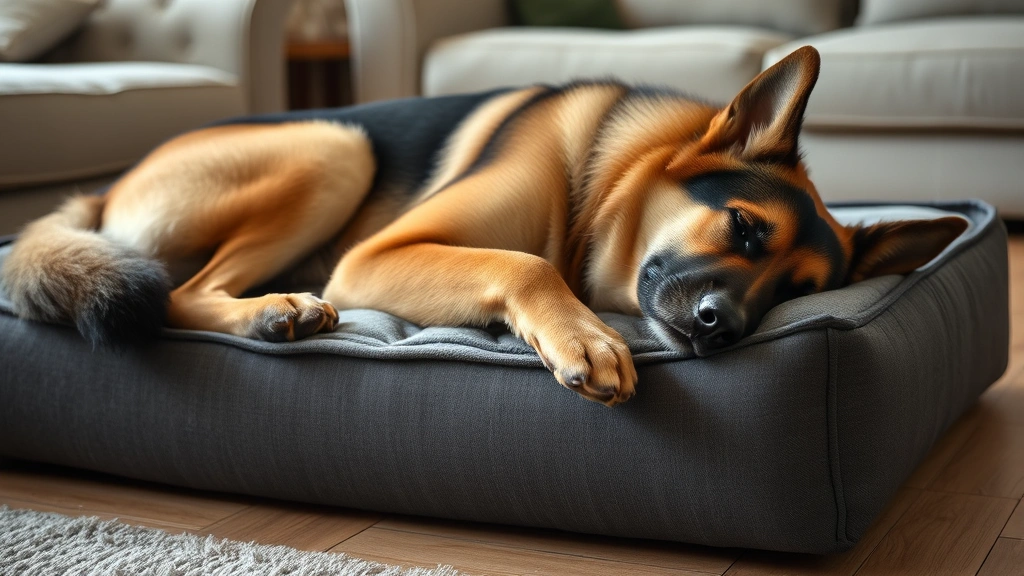
Interestingly, the position your dog sleeps in can affect how much they shake. Dogs who sleep curled up in a ball tend to shake less than dogs who sprawl out. The sprawled-out position gives their limbs more freedom to twitch and move.
If your dog sleeps on their back with their paws in the air, they’re probably having some pretty active dreams. That position makes every little muscle twitch visible and adorable. Dogs who feel safe and comfortable are more likely to sleep in these vulnerable positions, so take it as a compliment to your home safety.
Some dogs also twitch more when sleeping against you or your family members. This might be because they’re more relaxed and in deeper sleep stages when they feel secure next to their humans.
Medication and Health Supplements for Sleep Quality
If your dog has underlying anxiety or health conditions affecting sleep, your vet might recommend supplements or medications. Options like melatonin, L-theanine, or prescription anxiety medications can help some dogs sleep more soundly.
Always check with your vet before giving your dog any supplements or medications. Some options that work for dogs with sleep-related issues like snoring might not be appropriate for your individual pup.
For dogs experiencing motion sickness or anxiety-related sleep disturbances, your vet might have specific recommendations tailored to your dog’s needs.
The Bottom Line: Embrace the Adorable Twitches
In most cases, when your dog shakes in their sleep, it’s simply them being a normal, healthy dog experiencing vivid dreams and REM sleep cycles. Those little twitches, paw paddles, and quiet woofs are signs that your pup’s brain is active and processing their world.
Unless you notice warning signs like violent shaking, disorientation, or changes in waking behavior, you can safely enjoy those cute sleep moments without worry. Your dog is probably having the adventure of a lifetime in dreamland while their body does a little involuntary dance.
Keep an eye on your dog’s overall sleep quality and behavior, maintain a comfortable sleep environment, and don’t hesitate to contact your vet if something seems off. But for the most part, those sleep shivers are just your dog being adorably, perfectly normal.
Frequently Asked Questions
Is it normal for dogs to shake in their sleep?
Yes, absolutely! Most dogs experience some level of twitching, paddling, or shaking during sleep. This is typically caused by REM sleep and active dreaming. Brief, intermittent tremors are completely normal and nothing to worry about.
Why do dogs paddle their paws in their sleep?
Dogs paddle their paws during sleep because their brain is actively engaged in dreams. They’re likely running, playing, or chasing something in their dream, and their muscles are partially responding to these dream commands. It’s their body trying to participate in the action happening in their mind.
Should I wake my dog if they’re shaking in their sleep?
No, you shouldn’t wake your dog during sleep shaking. Let them sleep through it. Waking them abruptly can be startling and disorienting. Only intervene if the shaking is severe, violent, or accompanied by other concerning symptoms.
What’s the difference between normal sleep shaking and seizures?
Normal sleep shaking is brief, intermittent, and happens only during sleep. The dog remains asleep and returns to normal when they wake. Seizures are more violent, often happen during waking hours, and may be accompanied by loss of consciousness, drooling, or loss of bladder control. If you suspect seizures, contact your vet immediately.
Can anxiety cause dogs to shake more in their sleep?
Yes, anxious dogs may experience more active REM sleep and visible tremors during sleep. If your dog seems anxious during waking hours, they might be processing that stress through more active dreams. Addressing your dog’s anxiety with your vet can help improve overall sleep quality.
Do all dogs shake in their sleep?
Most dogs experience some sleep shaking, but not all dogs show visible signs. Some dogs have subtle tremors you might not notice, while others have more pronounced movements. It depends on the individual dog’s sleep patterns, breed, and personality.





