
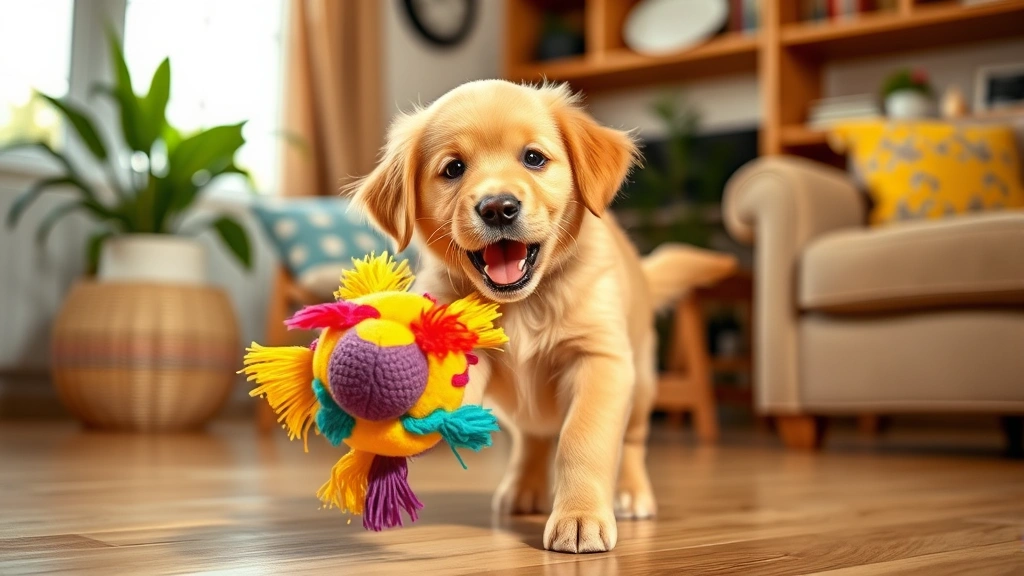
If you’ve ever watched your dog grab a toy and violently shake it like they’re in an action movie, you’ve probably wondered: why do dogs shake their toys? It looks absolutely unhinged, right? One minute your pup is chilling on the couch, and the next they’re thrashing a squeaky toy around like it personally insulted their ancestors. But here’s the thing—this behavior is actually totally normal, deeply rooted in canine instinct, and honestly kind of hilarious to watch. Let’s dig into the wild world of toy shaking and discover what’s really going on inside that furry little head.
Table of Contents
- The Predatory Instinct Behind Toy Shaking
- Practicing Survival Skills Through Play
- Releasing Pent-Up Energy and Excitement
- Establishing Dominance and Ownership
- Seeking Mental Stimulation and Play
- Stress Relief and Anxiety Management
- The Role of Breed-Specific Behaviors
- Age and Development Factors
- Toy Texture and Design Preferences
- When Toy Shaking Becomes a Problem
- How to Encourage Healthy Toy Shaking
- Understanding Your Dog’s Communication
- Frequently Asked Questions
- Conclusion
The Predatory Instinct Behind Toy Shaking
The number one reason dogs shake their toys? Pure, unadulterated predatory instinct. Your beloved golden retriever isn’t trying to destroy your living room—they’re channeling their inner wolf. When dogs shake toys, they’re mimicking the exact behavior their wild ancestors used to hunt and kill prey. In the wild, canines would grab small animals and shake them violently to break their necks and disable them. Your dog’s toy-shaking session is basically a scaled-down version of this ancient hunting technique. It’s not aggressive or mean; it’s just hardwired into their DNA. Even the tiniest Chihuahua has this instinct lurking beneath their adorable exterior.
Practicing Survival Skills Through Play
Beyond pure instinct, toy shaking serves as a crucial training ground for survival skills. When puppies and adult dogs shake toys, they’re essentially running drills—like a fire safety practice, but for hunting. This behavior helps them develop the strength, coordination, and technique they’d need if they ever had to fend for themselves in nature. It’s their way of staying sharp. Even though your dog has never had to hunt a day in their life (thanks to you, wonderful pet parent), their body doesn’t know that. So they practice on whatever squeaky, plush, or rubber toy you hand them. It’s nature’s way of keeping their predatory skills from getting rusty.

Releasing Pent-Up Energy and Excitement
Sometimes, why do dogs shake their toys comes down to something simpler: they’re just bursting with energy. Dogs are energetic creatures, and toy shaking is one of the most satisfying ways to burn off steam. When your pup hasn’t had enough exercise or mental stimulation, they’ll grab a toy and go absolutely wild with it. This is especially true for high-energy breeds or dogs that spend a lot of time indoors. The violent shaking action releases endorphins and provides an outlet for all that pent-up excitement. If you notice your dog shaking toys more frequently, it might be a sign they need more playtime or exercise. Consider checking out our guide on low-energy dog breeds to understand your dog’s specific activity needs.

Establishing Dominance and Ownership
There’s also a territorial and dominance element to toy shaking. When dogs shake their toys aggressively, they’re essentially saying “This is MINE, and I’m not sharing.” It’s a display of control and possession. Some dogs will shake toys more intensely when other dogs are around, as if to prove they’ve conquered their prize. This doesn’t mean your dog is aggressive—it’s just normal canine behavior. They’re establishing their status and making it clear that this particular toy belongs to them. It’s like when you put your name on something at work so nobody steals it, except your dog uses aggressive shaking instead of a label maker.
Seeking Mental Stimulation and Play
Dogs aren’t just mindless shakers—there’s actually a mental component to this behavior. Toy shaking provides cognitive engagement. The sounds, textures, and movements involved stimulate their brain and keep them mentally sharp. A toy that squeaks or crinkles when shaken is especially rewarding because it provides immediate auditory feedback. This is why dogs often prefer toys with built-in noise makers. The combination of physical activity and mental stimulation makes toy shaking an incredibly satisfying activity for dogs. If your dog seems bored, interactive toys or a lick mat for dogs can provide additional enrichment and variety.

Stress Relief and Anxiety Management
Believe it or not, some dogs shake toys as a way to manage stress and anxiety. Just like humans might punch a pillow or go for a run when stressed, dogs use toy shaking as an outlet. The repetitive, intense physical activity can be calming and grounding for anxious dogs. If your dog shakes toys more frequently during thunderstorms, fireworks, or other stressful situations, they might be using it as a coping mechanism. This is completely normal behavior, though if your dog seems excessively anxious, it’s worth consulting with your vet to rule out underlying issues.
The Role of Breed-Specific Behaviors
Here’s something interesting: certain dog breeds are more prone to toy shaking than others. Terriers, for example, were historically bred to hunt small prey like rats and foxes, so they have an especially strong prey drive and toy-shaking instinct. Retrievers also love shaking toys because they were bred to carry game in their mouths. Meanwhile, herding breeds might shake toys less frequently because their instincts lean toward chasing and controlling movement rather than killing prey. Understanding your dog’s breed heritage can give you valuable insight into why they do what they do. According to the American Kennel Club, breed-specific traits significantly influence play behaviors.

Age and Development Factors
Puppies shake toys differently than adult dogs. Young pups are still developing their coordination and strength, so their shaking might look clumsy or less intense. As they mature, their toy-shaking technique becomes more refined and powerful. Senior dogs, on the other hand, might shake toys less frequently if they’re experiencing joint pain or reduced energy levels. If your older dog suddenly stops shaking toys or seems lethargic, it could be a sign of health issues. Check out our article on lethargic dogs for more information on recognizing changes in your senior pup’s behavior.
Toy Texture and Design Preferences
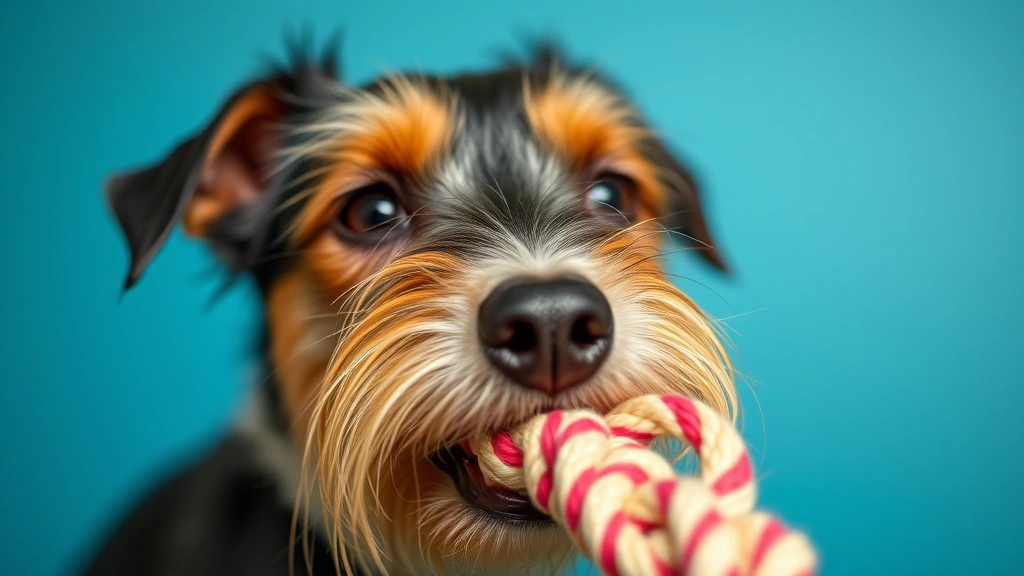
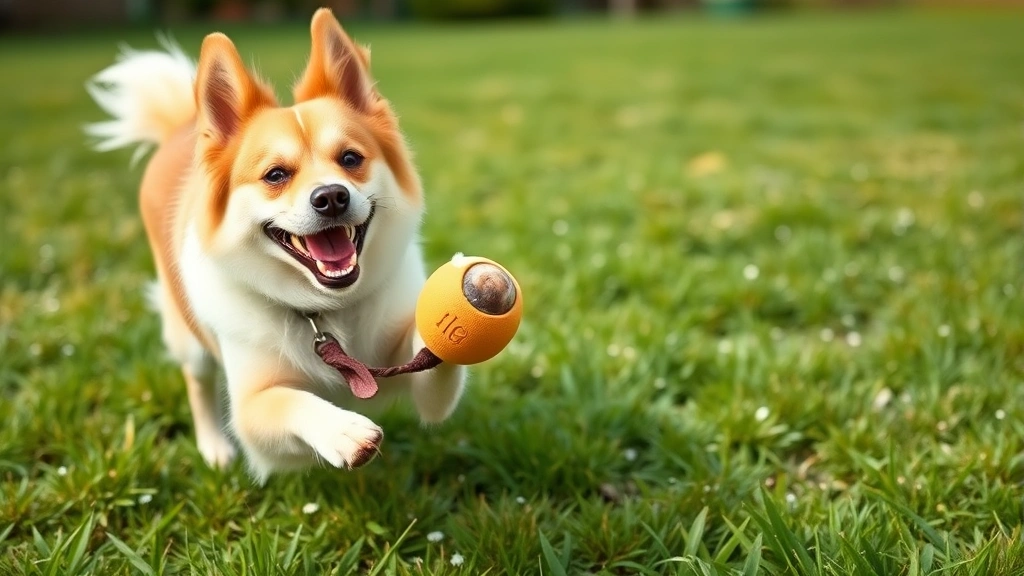
Not all toys are created equal, and dogs definitely have preferences. Dogs tend to shake toys that have interesting textures, squeakers, or crinkly materials. The sensory feedback is rewarding and encourages the shaking behavior. Plush toys, rope toys, and rubber toys all provide different experiences. Some dogs prefer soft toys they can really sink their teeth into, while others love the challenge of rubber toys. Understanding what types of toys your dog prefers can help you provide appropriate outlets for this natural behavior. Just make sure the toys are durable and safe—you don’t want your pup ingesting stuffing or toy parts.

When Toy Shaking Becomes a Problem
In most cases, toy shaking is perfectly healthy and normal. However, there are situations where it might indicate a problem. If your dog is shaking toys obsessively or aggressively, especially if they’re showing signs of resource guarding or aggression toward people or other pets, it’s time to consult a professional. Additionally, if your dog is destroying toys rapidly and ingesting pieces, that’s a safety concern. Some toys marketed as “indestructible” are actually quite destructible—like Nylabones, which can splinter and cause intestinal blockages. Always supervise playtime and choose toys appropriate for your dog’s size and chewing intensity.

How to Encourage Healthy Toy Shaking
If you want to encourage appropriate toy shaking behavior, provide a variety of toys and rotate them regularly to maintain interest. Interactive toys that engage your dog’s mind and body are ideal. Tug toys are particularly good because they allow your dog to shake and pull without destroying the toy. Set aside dedicated playtime each day, and engage in interactive play with your dog using toys. This not only satisfies their shaking instinct but also strengthens your bond. According to PetMD, interactive play sessions are crucial for canine mental and physical health.
Understanding Your Dog’s Communication
Finally, remember that toy shaking is a form of communication and self-expression. Your dog isn’t trying to annoy you or destroy your house—they’re just being a dog. By understanding the reasons behind this behavior, you can better appreciate what’s happening and ensure your pup has appropriate outlets for their natural instincts. Every shake, toss, and growl is your dog’s way of saying “I’m alive, I’m healthy, and I’m having a blast!”
Frequently Asked Questions
Is it normal for dogs to shake their toys aggressively?
Absolutely! Aggressive toy shaking is completely normal canine behavior rooted in their predatory instincts. Unless your dog is showing signs of actual aggression toward people or other animals, there’s nothing to worry about. It’s just them being a dog.
Why do some dogs shake toys more than others?
Breed heritage, age, energy levels, and individual personality all play a role. High-energy breeds and dogs with strong prey drives (like terriers) tend to shake toys more frequently than others. Additionally, under-exercised dogs often shake toys more as an outlet for pent-up energy.
Can toy shaking cause behavioral problems?
Toy shaking itself doesn’t cause behavioral problems. However, if a dog is showing resource guarding, aggression, or obsessive toy shaking combined with other concerning behaviors, professional help from a trainer or behaviorist is recommended.
What’s the best type of toy for a dog that loves to shake?
Durable toys with interesting textures and squeakers work best. Rope toys, rubber toys, and plush toys designed for heavy chewers are ideal. Avoid toys that easily fall apart or have small pieces that could be ingested.
Should I stop my dog from shaking toys?
No! Toy shaking is a healthy, natural behavior. You should encourage it by providing appropriate toys and playtime. Just ensure the toys are safe and supervise play sessions to prevent ingestion of toy pieces.
Conclusion
So, why do dogs shake their toys? The answer is multifaceted and rooted in millions of years of canine evolution. From ancient predatory instincts to modern-day stress relief, toy shaking serves multiple purposes in your dog’s physical and mental health. It’s a sign of a healthy, engaged, and happy dog. Whether your pup is a gentle shaker or an intense toy-thrashing tornado, this behavior is completely normal and something to celebrate. The next time you see your dog violently shaking their favorite squeaky toy, just smile and remember: they’re not being destructive—they’re being authentically canine. Embrace the chaos, provide appropriate toys, and enjoy the show. Your dog is doing exactly what nature intended, and honestly, it’s pretty entertaining to watch.





