

Why Do Dogs Slaver? Understanding Canine Drool
If you’ve ever been on the receiving end of a slobbery dog kiss or noticed mysterious wet spots on your furniture, you’ve experienced one of the most endearing (and occasionally gross) quirks of dog ownership: drooling. But here’s the thing—that seemingly endless stream of saliva isn’t just random wetness. There’s actually some fascinating biology happening behind those adorable puppy dog eyes, and understanding why do dogs drool can help you better care for your furry companion.
Whether your pup is a Saint Bernard who could fill a bucket or a chihuahua who barely moistens their chin, drooling is a completely normal canine behavior. But when does normal become concerning? And what exactly triggers that waterfall of saliva? We’re diving deep into the sloppy world of canine slobber to answer all your questions about this quintessential dog trait.
From genetics to medical conditions, there are dozens of reasons why your dog might be leaving a trail of drool wherever they go. Some are harmless and hilarious, while others might warrant a trip to the vet. Let’s explore the science, the breeds most prone to excessive drooling, and when you should be concerned about your pup’s salivary output.
The Science Behind Canine Saliva
Let’s start with the basics: saliva is produced by salivary glands located in your dog’s mouth and throat. These glands work overtime to keep your pup’s mouth moist and facilitate digestion. But unlike humans who produce about one liter of saliva per day, dogs produce significantly more—especially when they’re excited, hungry, or stressed.
Saliva serves multiple critical functions for dogs. It lubricates food, making it easier to swallow and digest. It contains enzymes that begin breaking down food before it even reaches the stomach. Perhaps most importantly, saliva has antimicrobial properties that help protect your dog’s teeth and gums from harmful bacteria. So all that drool isn’t just annoying—it’s actually protecting your pup’s oral health!
The salivary glands in dogs are controlled by the parasympathetic nervous system, which means they activate during times of rest and digestion. This is why you’ll often see your dog drooling when they’re relaxed, sleeping, or anticipating food. The glands are also triggered by taste and smell, which explains why your pup becomes a drool machine when you’re preparing dinner.
According to the American Kennel Club, understanding the biological basis of drooling can help owners distinguish between normal behavior and potential health concerns. The composition of dog saliva is also worth noting—it contains lysozyme, an enzyme with natural antibacterial properties that helps maintain oral hygiene.

Breeds That Slaver More Than Others
Not all dogs are created equal when it comes to drooling. If you own a Saint Bernard, Bloodhound, or Mastiff, you already know that some breeds are basically walking water fountains. This isn’t a character flaw—it’s genetics.
Certain breeds have been selectively bred over centuries for traits that include loose, hanging jowls and lips. These anatomical features make it physically impossible for them to contain saliva efficiently. When a Boxer or a Basset Hound tries to close their mouth completely, the excess skin and lips prevent a perfect seal, allowing saliva to escape.
Here are some of the most notorious slobber factories in the dog world:
- Saint Bernards: These gentle giants are legendary for their drooling. Their loose jowls and large size mean they produce copious amounts of saliva.
- Bloodhounds: With their characteristic droopy lips and skin folds, Bloodhounds are professional droolers. Their long ears also contribute to moisture issues.
- Mastiffs: English Mastiffs, Neapolitan Mastiffs, and other mastiff breeds are heavy droolers due to their loose facial structure.
- Boxers: Despite their athletic build, Boxers have an underbite and loose lips that promote drooling.
- Bulldogs: English Bulldogs and French Bulldogs have compressed faces and loose skin that makes drooling inevitable.
- Newfoundlands: These water-loving dogs have loose lips and thick coats, making them excellent swimmers and prolific droolers.
Interestingly, if you’re looking to learn more about the broader topic, our article on why do dogs dribble saliva provides additional context about salivary production across different breeds.
Normal Drooling vs. Excessive Drooling
Here’s where things get important: knowing the difference between normal drooling and excessive drooling could literally save your dog’s life. Most dog owners expect some level of slobber from their pets, but when does it become a red flag?
Normal drooling typically occurs:
- When your dog sees or smells food
- During moments of relaxation or sleep
- When your dog is excited or happy
- In breeds genetically predisposed to drooling
- During hot weather or after exercise
Excessive drooling, on the other hand, might indicate an underlying problem. Signs to watch for include sudden increases in drooling when your dog isn’t typically a heavy drooler, drooling accompanied by bad breath or difficulty eating, or saliva that appears discolored or bloody. If you notice your dog is drooling excessively and this represents a change in their normal behavior, it’s worth investigating. Our comprehensive guide on is excessive drooling in dogs an emergency can help you determine when veterinary care is necessary.
The ASPCA recommends that any sudden change in your dog’s drooling habits should prompt a veterinary consultation. This is especially true if the excessive drooling is accompanied by other symptoms like lethargy, loss of appetite, or behavioral changes.
Common Triggers for Slobber
Beyond genetics and normal physiology, several situational factors can trigger increased drooling in dogs. Understanding these triggers can help you anticipate when your pup might leave a wet trail and prepare accordingly.
Food Anticipation: This is perhaps the most famous drool trigger. When dogs see, smell, or even hear food-related sounds (like the can opener), their salivary glands kick into overdrive. Pavlov’s famous experiments actually documented this exact phenomenon in dogs. The anticipation of eating stimulates saliva production to prepare the digestive system for incoming food.
Excitement and Happiness: A dog greeting their favorite human or preparing for playtime might drool more than usual. This is a sign of positive emotions and heightened arousal. Your pup’s nervous system is essentially saying, “I’m so excited about what’s about to happen!”
Stress and Anxiety: Conversely, nervousness can also trigger drooling. Dogs experiencing anxiety—whether from thunderstorms, fireworks, or vet visits—often produce excess saliva. This is part of the fight-or-flight response.
Heat and Exercise: During hot weather or after vigorous exercise, dogs may drool more as part of their cooling and hydration processes. Panting and drooling go hand-in-hand during these times.
Car Rides: Many dogs drool excessively during car rides, often due to a combination of motion sickness, excitement, and anxiety.
Medication Side Effects: Some medications can increase saliva production as an unwanted side effect. If you notice increased drooling after starting a new medication, mention it to your veterinarian.
Medical Conditions and Drooling
While most drooling is perfectly normal, excessive drooling can sometimes indicate underlying health issues. This is where vigilance as a pet owner becomes crucial.
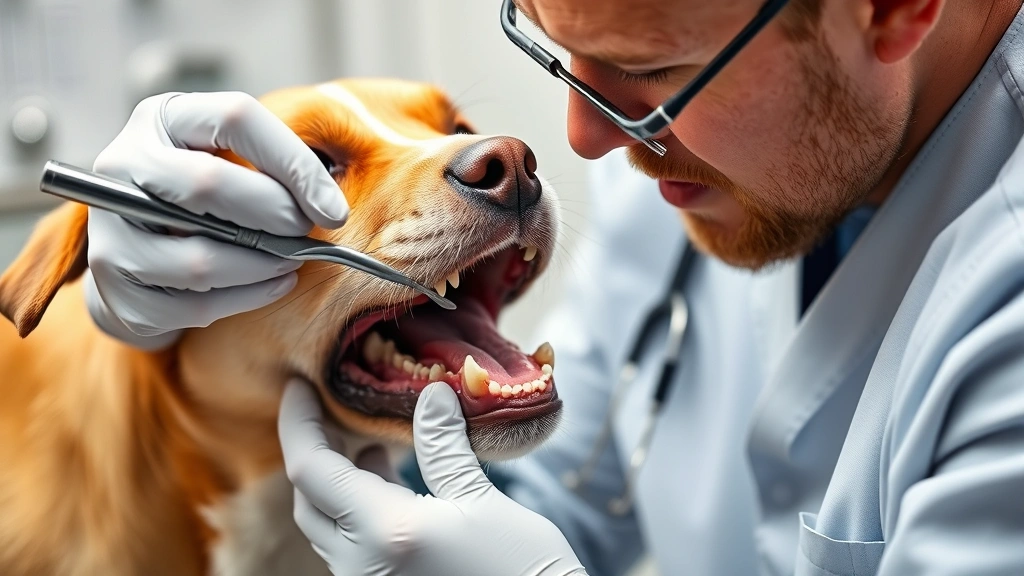
Dental Disease: One of the most common medical causes of excessive drooling is dental disease. Tooth decay, gum infections, or oral pain can trigger increased saliva production. If your dog’s breath smells particularly foul, this might be the culprit. Our article about why does my dog’s breath stink explores this connection further. Additionally, learning how to clean dog teeth without brushing can help you maintain your dog’s oral health proactively.
Foreign Objects: If your dog has something stuck between their teeth or lodged in their mouth or throat, excessive drooling is often one of the first signs. This is a potential emergency that requires immediate veterinary attention.
Mouth or Throat Infections: Bacterial or viral infections in the oral cavity can cause increased drooling, often accompanied by difficulty eating or foul-smelling breath.
Neurological Issues: Conditions affecting the nerves that control swallowing or saliva production can lead to excessive drooling. These might include megaesophagus or myasthenia gravis.
Kidney Disease: In some cases, excessive drooling can be a symptom of kidney problems, particularly if accompanied by other signs like increased thirst or urination.
Rabies: While rare in vaccinated dogs, rabies causes characteristic excessive drooling and behavioral changes. This is why vaccination is so critical.
Bloat or Gastric Dilatation-Volvulus (GDV): This life-threatening condition can cause excessive drooling along with retching and abdominal distension. It requires emergency veterinary care immediately.
The American Animal Hospital Association emphasizes that any sudden increase in drooling warrants a veterinary evaluation to rule out these serious conditions. Your vet can perform appropriate diagnostics to determine the underlying cause.
Managing Your Dog’s Drool
If you’re living with a heavy drooler, you’ve probably already developed strategies for managing the slobber. Here are some practical tips to help you coexist peacefully with your drool-prone pup.
Invest in Drool-Friendly Furniture: Consider using washable furniture covers or keeping your dog’s favorite spots protected. Microfiber and other stain-resistant fabrics are your friends.
Keep Towels Handy: Store soft towels in convenient locations for quick wipe-downs. Many heavy droolers appreciate a gentle face wipe after meals or play sessions.
Use Drool Bibs: Yes, they actually make drool bibs for dogs! These can be particularly useful during car rides or when you’re heading somewhere you’d prefer your pup to stay relatively dry.
Maintain Oral Hygiene: Regular dental care can help prevent infections that might increase drooling. Brush your dog’s teeth regularly and schedule professional cleanings as recommended by your vet.
Stay Hydrated: Ensure your dog always has access to fresh water. Drooling can be dehydrating, so maintaining proper hydration is important.
Monitor Diet: Some dogs drool more when eating certain foods. If you notice a correlation, discuss dietary adjustments with your veterinarian.
Watch for Skin Issues: Excessive drool can sometimes cause skin irritation or what causes hot spots on dogs in areas where moisture accumulates. Keep these areas clean and dry to prevent secondary infections.
Regular Vet Check-ups: Schedule routine veterinary visits to ensure your dog’s drooling remains within normal parameters for their breed and age.
Frequently Asked Questions
Is drooling a sign that my dog is sick?
Not necessarily. Drooling is normal for many dogs, especially certain breeds. However, if your dog suddenly starts drooling excessively when they normally don’t, or if the drooling is accompanied by other symptoms like difficulty eating, bad breath, or lethargy, it’s worth a veterinary visit to rule out health issues.
Why do dogs drool when they sleep?
When dogs sleep, their facial muscles relax, which can allow saliva to escape from their mouths. Additionally, sleep activates the parasympathetic nervous system, which stimulates salivary gland activity. This is completely normal and nothing to worry about.
Can I reduce my dog’s drooling?
For dogs whose drooling is due to breed genetics or normal physiology, you can’t significantly reduce it. However, you can manage it through regular face wiping, proper dental care, and using protective furniture covers. If drooling is caused by a medical condition, treating that condition may reduce the drooling.
Do all dogs drool?
Most dogs produce some saliva, but not all drool visibly. Breeds with tighter lips and facial structure tend to keep saliva contained. Heavy drooling is most common in breeds with loose jowls and hanging lips, like Saint Bernards and Mastiffs.
When should I call the vet about my dog’s drooling?
Contact your veterinarian if you notice sudden increases in drooling, drooling accompanied by difficulty eating or swallowing, foul-smelling saliva, drooling with blood or discoloration, or drooling combined with other behavioral changes or health symptoms.
Is it normal for puppies to drool more than adult dogs?
Yes, puppies often drool more than adult dogs, especially during teething. This is completely normal and typically decreases as their adult teeth come in. However, if a puppy seems to be drooling excessively even for a teething puppy, mention it to your vet.
Does excessive drooling mean my dog has rabies?
While excessive drooling can be a symptom of rabies, it’s not the only cause. Rabies also presents with behavioral changes, aggression, and fear of water. Most dogs in developed countries are vaccinated against rabies. If you’re concerned about rabies exposure, contact your veterinarian or animal control immediately.





