
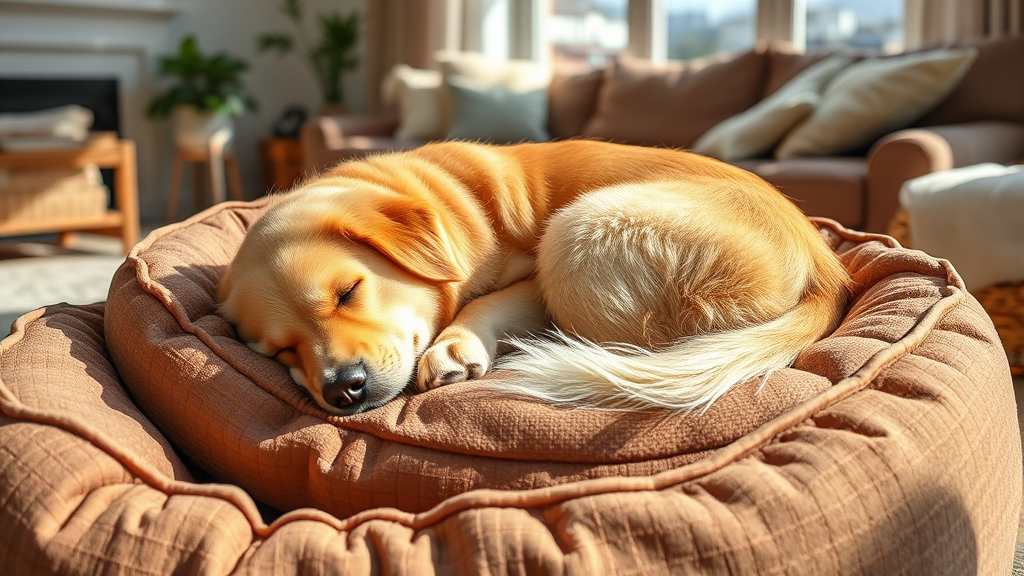
Have you ever wondered why your furry companion seems to spend more time snoozing than a teenager on summer vacation? If you’ve noticed your dog sleeping for what feels like most of the day, you’re not alone in this observation. Many dog owners find themselves puzzled by their pet’s seemingly excessive sleep habits, especially when compared to our own sleep patterns.
The truth is, dogs naturally sleep much more than humans do, and this behavior is completely normal and healthy. Understanding why dogs sleep so much can help you better appreciate your pet’s needs and ensure they’re getting the quality rest they require. From evolutionary adaptations to breed-specific tendencies, there are fascinating reasons behind your dog’s love affair with napping that go far deeper than simple laziness.
Natural Sleep Patterns in Dogs
Dogs typically sleep between 12 to 14 hours per day, with some breeds and individual dogs sleeping up to 18 hours daily. This might seem excessive compared to the average human’s 7-8 hours, but it’s perfectly normal for our canine companions. Unlike humans who generally sleep in one long stretch, dogs are polyphasic sleepers, meaning they sleep in multiple shorter periods throughout the day and night.
The canine sleep cycle consists of different stages, including light sleep, deep sleep, and REM (Rapid Eye Movement) sleep. During REM sleep, dogs experience dreams, which explains why you might see your pet’s legs twitching or hear them making soft barking sounds while they snooze. Dogs spend approximately 10% of their sleep time in REM, compared to humans who spend about 25% in this stage, which means they need more total sleep time to get adequate restorative rest.
Most dogs are crepuscular, meaning they’re naturally most active during dawn and dusk hours. This sleeping pattern aligns with their ancestral hunting instincts and explains why your dog might seem more energetic in the early morning and evening while preferring to nap during the midday hours.
Evolutionary Factors Behind Canine Sleep
To understand why dogs sleep so much, we need to look back at their evolutionary history. Domestic dogs descended from wolves, who were opportunistic hunters and scavengers. In the wild, wolves and their ancestors needed to conserve energy between hunting opportunities, as food wasn’t always readily available. Sleeping allowed them to preserve energy for when they needed to hunt, defend territory, or escape from predators.
This evolutionary adaptation remains deeply ingrained in modern dogs, even though most domestic dogs don’t need to hunt for their meals. The instinct to rest and conserve energy is still present, which is why your well-fed pet still exhibits these ancestral sleep patterns. Additionally, wild canids needed to remain somewhat alert even while resting, ready to respond to threats or opportunities, which is why dogs often seem to wake up quickly from their naps.
The concept of “sleeping with one eye open” applies metaphorically to dogs, as they can quickly transition from sleep to full alertness when necessary. This ability served their ancestors well in the wild and continues to be a natural behavior in domestic dogs, contributing to their overall sleep patterns and the frequency of their napping.
How Age Affects Your Dog’s Sleep Needs
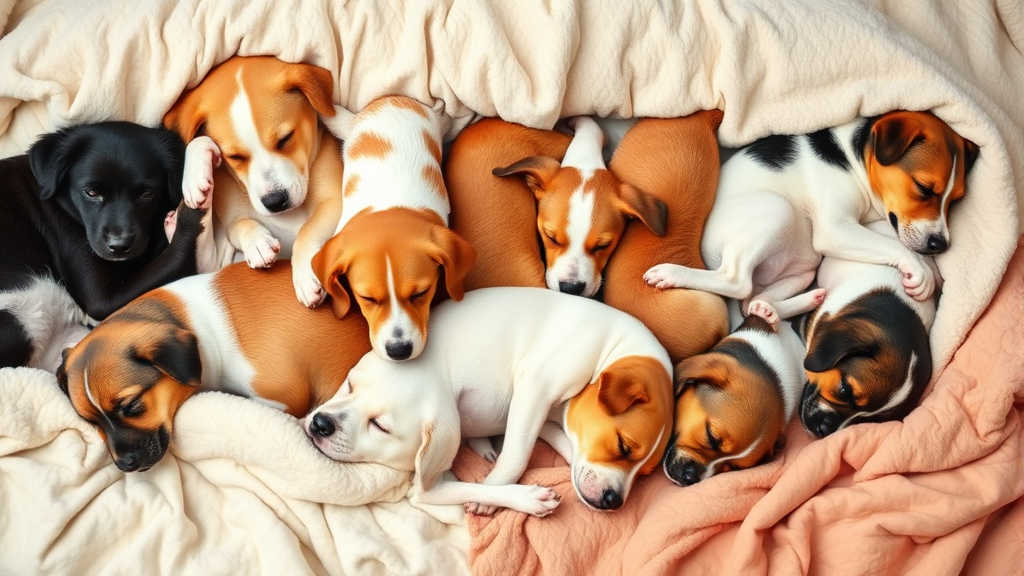
A dog’s age significantly impacts their sleep requirements and patterns. Puppies are notorious for their marathon sleeping sessions, often sleeping 18-20 hours per day. This extensive sleep is crucial for their rapid growth and development, as growth hormones are primarily released during sleep. Young puppies expend enormous amounts of energy during their short active periods, exploring their environment and learning basic skills, which makes adequate rest essential for their physical and cognitive development.
Adult dogs typically settle into the standard 12-14 hours of sleep per day, with their sleep patterns becoming more predictable and aligned with their family’s routine. They tend to be most active during their owner’s active hours and rest when the household is quiet. This adaptability shows how domestication has influenced canine sleep patterns over thousands of years.
Senior dogs often return to sleeping more hours per day, similar to puppies but for different reasons. Older dogs may sleep 16-18 hours daily due to decreased energy levels, joint pain, or age-related health conditions. Their bodies require more rest to recover from daily activities, and they may experience more fragmented sleep due to discomfort or the need for more frequent bathroom breaks. Just as some senior dogs might experience symptoms like shaking due to age-related changes, their sleep patterns also evolve with time.
Breed Differences in Sleep Requirements
Different dog breeds have varying sleep needs based on their original purposes and energy levels. Working breeds like Border Collies, German Shepherds, and Australian Cattle Dogs were bred for high-energy activities and may require slightly less sleep than other breeds, typically around 12-13 hours per day. These dogs have been selectively bred for alertness and stamina, which can influence their natural sleep patterns.
On the other hand, larger breeds such as Great Danes, Mastiffs, and Saint Bernards tend to sleep more, often 14-16 hours per day. Their larger body size requires more energy for basic functions, and they naturally conserve energy through extended rest periods. These gentle giants are often content to spend most of their day lounging and napping, punctuated by shorter periods of activity.
Brachycephalic breeds (those with flat faces) like Bulldogs, Pugs, and Boston Terriers may also sleep more due to breathing difficulties that can make activity more tiring. These breeds often experience interrupted sleep due to snoring or breathing issues, so they compensate by sleeping longer overall. Some of these breeds might also exhibit behaviors like excessive panting which can affect their sleep quality.
Health Factors That Influence Sleep
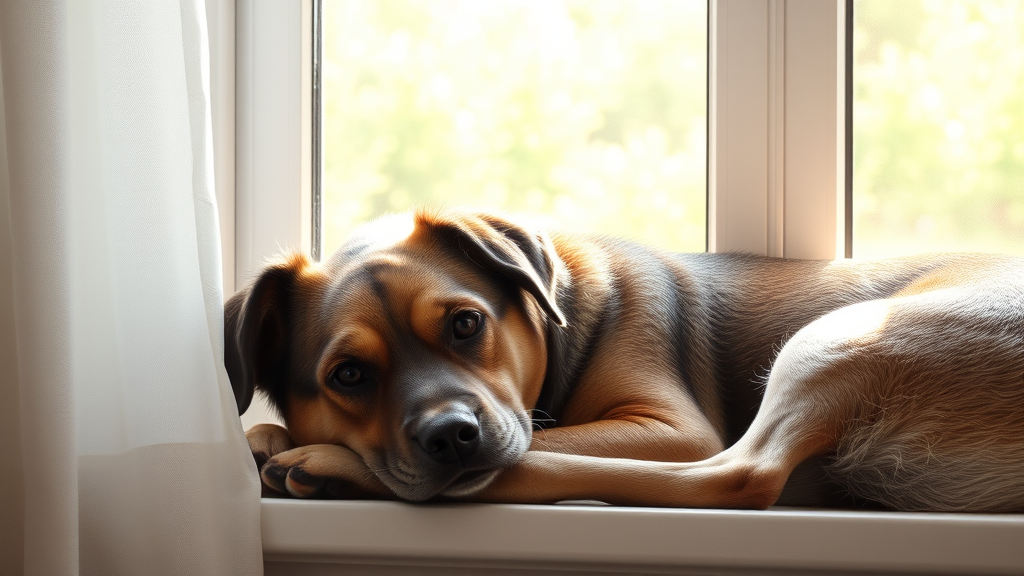
Various health conditions can affect your dog’s sleep patterns, either increasing or decreasing their sleep needs. Dogs with certain medical conditions may sleep more as their bodies work to heal and recover. Conditions such as hypothyroidism, diabetes, or heart disease can cause increased fatigue and longer sleep periods. Additionally, dogs recovering from illness or surgery typically require more sleep as part of the healing process.
Pain and discomfort can also significantly impact sleep patterns. Dogs with arthritis, hip dysplasia, or other chronic pain conditions may sleep more during the day to compensate for restless nights. They might change positions frequently while sleeping or seek out softer surfaces to alleviate discomfort. Observing your dog’s sleep behavior can provide valuable insights into their overall health and comfort level.
Mental health also plays a role in canine sleep patterns. Dogs experiencing anxiety, depression, or stress may exhibit changes in their sleep habits. Some anxious dogs may sleep less due to hypervigilance, while others may sleep more as a coping mechanism. Changes in sleep patterns, along with other behavioral changes, can be early indicators of health issues that warrant veterinary attention.
Environmental Factors Affecting Sleep Quality
The environment plays a crucial role in your dog’s sleep quality and duration. Dogs are highly sensitive to their surroundings, and factors such as temperature, noise levels, lighting, and comfort can all impact their ability to get quality rest. A comfortable, quiet sleeping area with appropriate temperature control can significantly improve your dog’s sleep quality and overall well-being.
Seasonal changes also affect canine sleep patterns. During colder months, dogs may sleep more to conserve body heat and energy, similar to how many animals adapt to winter conditions. Conversely, hot summer weather might cause dogs to be less active during the day and sleep more to avoid overheating, becoming more active during cooler evening and early morning hours.
The household routine and family activities greatly influence a dog’s sleep schedule. Dogs are social animals that often synchronize their sleep-wake cycles with their human families. A busy, active household might result in a dog sleeping less during the day but more soundly at night, while a quieter home environment might allow for more consistent napping throughout the day.
When Excessive Sleep Becomes a Concern
While dogs naturally sleep much more than humans, sudden changes in sleep patterns can indicate underlying health issues. If your normally active dog suddenly begins sleeping significantly more than usual, becomes difficult to wake, or seems lethargic when awake, it’s worth consulting with your veterinarian. These changes could signal various health problems ranging from infections to more serious conditions.
Conversely, if your dog suddenly seems unable to sleep or is restless and pacing at night, this could also indicate health or behavioral issues. Sleep disturbances might be related to pain, anxiety, cognitive dysfunction in older dogs, or other medical conditions. Paying attention to changes in your dog’s normal sleep patterns is an important aspect of responsible pet ownership.
It’s also important to consider other symptoms that might accompany changes in sleep patterns. If increased sleeping is accompanied by changes in appetite, bathroom habits, mobility, or behavior, these could be signs that warrant professional evaluation. Just as you might be concerned if your dog exhibits other unusual behaviors like excessive paw licking or eating inappropriate items, significant changes in sleep should also be taken seriously.
Regular veterinary check-ups can help identify potential health issues before they significantly impact your dog’s sleep and overall quality of life. Your veterinarian can provide guidance on what’s normal for your specific dog based on their breed, age, and health status, helping you distinguish between normal sleep variations and concerning changes.
Understanding your dog’s sleep needs and patterns is essential for providing the best care possible. According to the American Veterinary Medical Association, recognizing normal behaviors versus concerning changes is crucial for maintaining your pet’s health. The American Kennel Club also provides valuable insights into canine sleep patterns and what pet owners should expect. For additional information about canine behavior and health, the ASPCA offers comprehensive resources for dog owners.
Frequently Asked Questions
How many hours should my dog sleep per day?
Most healthy adult dogs sleep between 12-14 hours per day, though this can vary based on age, breed, and individual needs. Puppies and senior dogs typically sleep 16-20 hours daily, while working breeds might sleep slightly less. If you notice your dog sleeping significantly more or less than usual, consider consulting your veterinarian.
Is it normal for my dog to sleep all day while I’m at work?
Yes, it’s completely normal for dogs to sleep most of the day while their owners are away. Dogs naturally adapt their activity levels to their family’s schedule and will often save their energy for when their favorite humans are home. This behavior shows your dog has adjusted well to your routine and feels secure in your absence.
Why does my dog seem to dream while sleeping?
Dogs do dream during REM sleep, just like humans. You might notice your dog’s legs moving, tail wagging, or soft vocalizations during sleep – these are normal signs of dreaming. Dogs likely dream about familiar activities like playing, running, or interacting with their family members. This dream activity is a sign of healthy brain function.
Should I wake my dog if they’re sleeping too much?
Generally, you shouldn’t wake a sleeping dog unless necessary, as quality sleep is essential for their health. However, if your dog seems impossible to wake, is sleeping significantly more than usual, or appears lethargic when awake, these could be signs of health issues requiring veterinary attention.
Can anxiety affect my dog’s sleep patterns?
Yes, anxiety can significantly impact your dog’s sleep. Anxious dogs might sleep less due to hypervigilance or, conversely, sleep more as a coping mechanism. Other signs of anxiety might include crying or whimpering, restlessness, or changes in appetite. If you suspect anxiety is affecting your dog’s sleep, consult with your veterinarian or a certified dog behaviorist.
Do outdoor dogs sleep differently than indoor dogs?
Outdoor dogs may have different sleep patterns due to environmental factors like temperature changes, noise, and natural light cycles. They might be more alert during nighttime hours and adjust their sleep schedule based on seasonal changes. However, all dogs benefit from having a safe, comfortable place to rest regardless of whether they live primarily indoors or outdoors.
What’s the difference between a dog nap and deep sleep?
Dogs experience different sleep stages just like humans. Light napping allows them to rest while remaining somewhat alert to their environment, while deep sleep and REM stages provide the restorative benefits necessary for physical and mental health. You might notice your dog wakes easily from a light nap but seems more disoriented if awakened from deep sleep, similar to how they might react to other sudden changes like unexpected hiccups.





