
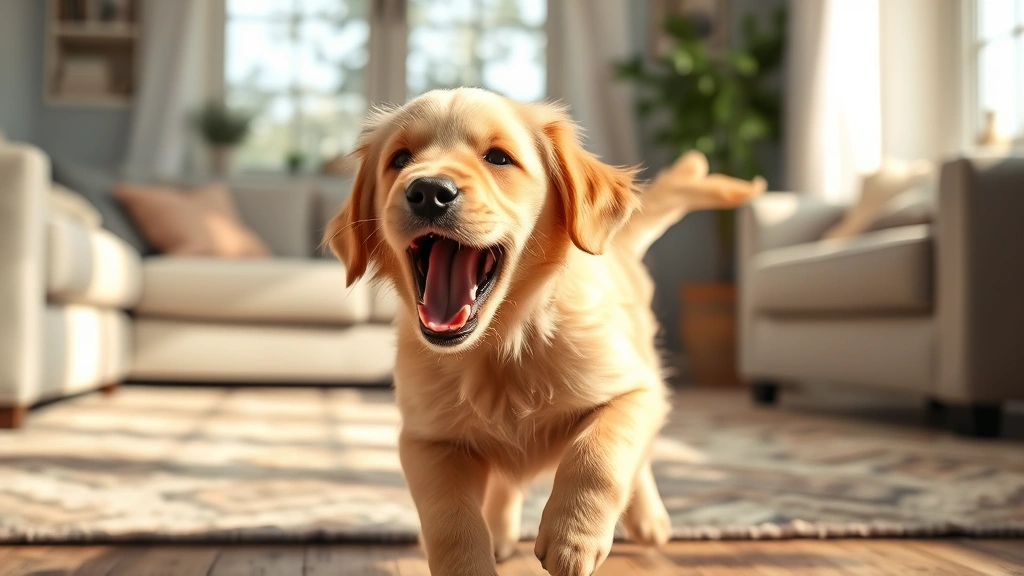
If you’ve ever wondered why do dogs sneeze when excited, you’re not alone—this quirky behavior baffles dog owners everywhere. That adorable little achoo your pup lets out during playtime or when you come home isn’t just a random reflex. There’s actually some fascinating science behind those sneezes, and understanding it can help you better appreciate your furry friend’s unique personality.
Table of Contents
- The Playful Sneeze: A Sign of Joy and Excitement
- Nasal Sensitivity and Overstimulation
- Communication and Play Behavior
- The Role of Adrenaline and Hormonal Changes
- Distinguishing Excited Sneezes from Health Issues
- Age and Breed Considerations in Excited Sneezing
- When to Worry: Red Flags in Dog Sneezing
- How to Respond to Your Dog’s Excited Sneezes
- The Evolutionary Perspective: Why Dogs Still Sneeze
- Tips for Managing Excessive Excitement Sneezing
- Creating a Sneeze-Friendly Environment
- Frequently Asked Questions
- Conclusion: Celebrate Your Dog’s Excited Sneezes
The Playful Sneeze: A Sign of Joy and Excitement
Dogs sneeze during moments of pure excitement, and it’s honestly one of the cutest things they do. When your dog gets the zoomies or realizes it’s playtime, that sudden sneeze is their way of expressing overwhelming happiness. Think of it like their version of a giggle—a physical release of all that pent-up energy and enthusiasm. Many veterinarians believe this is a completely normal, healthy response to positive emotions.
The sneeze during excitement often comes in rapid succession, and you might notice your pup does a little play bow right before or after. This behavior is especially common in younger dogs who haven’t quite learned to contain their excitement. It’s their body’s way of saying, “I’m so happy I can barely contain myself!”
Nasal Sensitivity and Overstimulation
When dogs get excited, their breathing patterns change dramatically. They start panting faster, their heart rate increases, and their nasal passages become more sensitive to air movement. This heightened sensitivity can trigger the sneeze reflex involuntarily. It’s similar to how humans sometimes sneeze when we suddenly go from a warm room into cold air—the change in temperature and air pressure irritates the nasal passages.
Your dog’s nose is incredibly sensitive, packed with millions of olfactory receptors. During moments of high excitement, all that extra blood flow and breathing activity can stimulate these sensitive tissues, leading to a sneeze or two (or five). It’s not harmful; it’s just their body responding to the physical changes happening internally.
Communication and Play Behavior
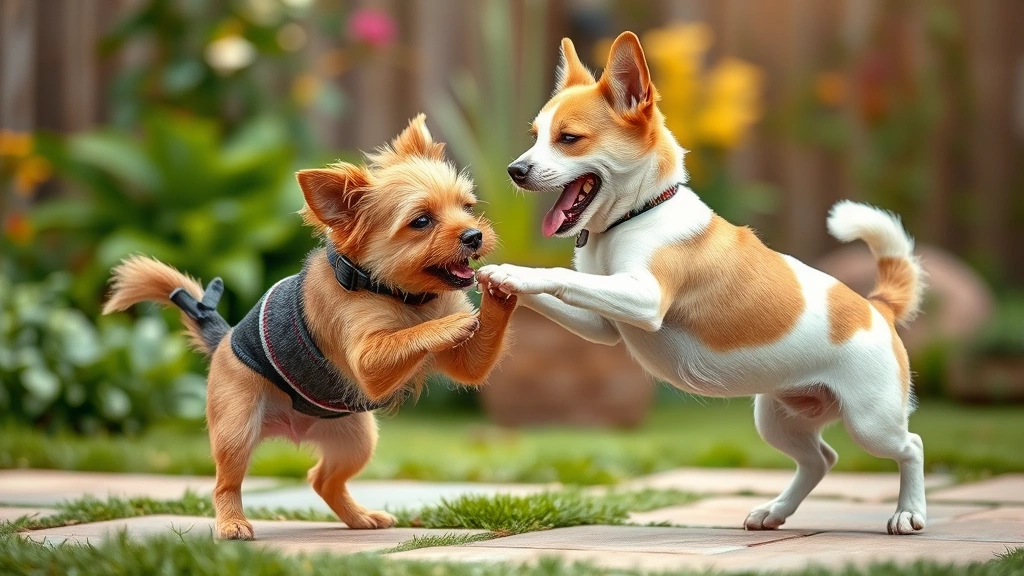
Dogs use sneezing as a form of communication with other dogs and their humans. During play sessions, sneezing can actually signal to other dogs that “this is just play—I’m not being aggressive.” It’s like a friendly disclaimer that says, “Hey, I’m having fun, not trying to hurt you.” This is why you’ll often see dogs sneeze right before they engage in rough-and-tumble play with their canine buddies.
When your dog sneezes at you excitedly, they might be trying to communicate their playful intentions. It’s a way of saying, “Let’s have fun together!” This behavior is deeply rooted in dog play behavior and social interaction, making it a positive sign that your pup trusts you and wants to engage with you.
The Role of Adrenaline and Hormonal Changes
Excitement triggers a surge of adrenaline in your dog’s body. This hormone causes physical responses like increased heart rate, rapid breathing, and yes, sometimes sneezing. The adrenaline rush affects your dog’s entire nervous system, and the sneeze is just one of many physical manifestations of that excitement. It’s the same reason why excited dogs might also shake, whine, or do that adorable wiggle-butt dance.
The hormonal changes during excitement can also affect the mucous membranes in your dog’s nasal passages, making them more prone to that reflexive sneeze. This is a completely natural physiological response and nothing to worry about. In fact, if your dog is sneezing when excited, it usually means they’re experiencing positive emotions and are emotionally healthy.
Distinguishing Excited Sneezes from Health Issues
Not all sneezes are created equal. While excited sneezes are harmless and adorable, excessive sneezing can sometimes indicate underlying health problems. If your dog is sneezing constantly throughout the day (not just during play), has nasal discharge, or seems lethargic, it’s time to contact your vet. Conditions like allergies, infections, or even laryngeal paralysis in dogs can cause persistent sneezing.
The key difference is context. Excited sneezes happen during specific moments—playtime, greeting you at the door, anticipation of a walk. Health-related sneezes happen randomly and frequently, regardless of your dog’s emotional state. If you’re ever unsure, your veterinarian can help you determine whether your dog’s sneezing is just excitement or something that needs medical attention.
Age and Breed Considerations in Excited Sneezing
Puppies and younger dogs tend to sneeze more when excited than older dogs. This is partly because they have more energy and get excited more easily, but also because their nervous systems are still developing. As dogs mature, they often learn to control their excitement responses better, though many dogs continue the habit throughout their lives.
Certain breeds also seem more prone to excited sneezing than others. Small breeds like Chihuahuas and Toy Poodles, which have smaller nasal passages, might sneeze more frequently during excitement. Brachycephalic breeds (flat-faced dogs like Bulldogs and Pugs) may have different sneezing patterns due to their unique anatomy. If you’re concerned about your specific breed’s sneezing habits, check breed-specific health information or consult your vet.
When to Worry: Red Flags in Dog Sneezing
While excited sneezing is normal, certain signs should prompt a veterinary visit. If your dog’s sneezing is accompanied by bloody nasal discharge, facial swelling, difficulty breathing, or persistent sneezing that doesn’t correlate with excitement, these could indicate serious issues. Conditions like heartworm in dogs or nasal infections can cause abnormal sneezing patterns.
Additionally, if your dog suddenly starts sneezing excessively when they never did before, or if they seem uncomfortable or in pain during sneezing episodes, don’t hesitate to schedule a vet appointment. Better safe than sorry when it comes to your pup’s health. Your veterinarian can perform a thorough examination and rule out any underlying conditions.
How to Respond to Your Dog’s Excited Sneezes
The best response to your dog’s excited sneezes is simply to enjoy them! These little moments are part of what makes dogs so endearing. You don’t need to do anything special—just let your pup express their joy naturally. If your dog sneezes during play, it’s a sign they’re having a blast and feel comfortable with you.
Some dog owners find that their dogs sneeze more when they engage in certain activities, like fetch or tug-of-war. If you notice a pattern, you’re simply learning more about your individual dog’s personality. There’s no need to discourage the behavior unless it’s excessive or accompanied by other concerning symptoms.
The Evolutionary Perspective: Why Dogs Still Sneeze
From an evolutionary standpoint, sneezing serves an important purpose—it clears the nasal passages of irritants and potential pathogens. Even though our modern dogs don’t face the same survival pressures as their wild ancestors, they’ve retained this protective reflex. The excited sneeze might be a byproduct of their ancestors’ sneezing as a response to heightened alertness during hunting or social interactions.
Understanding that excited sneezing has roots in your dog’s evolutionary history makes it even more fascinating. Your dog’s sneeze is a tiny window into thousands of years of canine development and behavior. It’s a reminder that our pets carry ancient instincts and reflexes within them.
Tips for Managing Excessive Excitement Sneezing
If your dog sneezes so much during excitement that it seems uncomfortable, there are a few things you can try. Keeping your dog well-hydrated helps maintain healthy mucous membranes. Ensuring good air quality in your home (avoiding smoke, strong perfumes, and excessive dust) can also help. Regular grooming, especially for dogs with longer coats, reduces the amount of hair and dander that might irritate nasal passages.
If your dog has allergies in dogs, managing those can reduce overall sneezing. Conditions like mange on dogs or other skin conditions can sometimes contribute to increased sneezing. Working with your vet to address any underlying health issues will help keep your pup comfortable.
Creating a Sneeze-Friendly Environment
Some simple environmental adjustments can support your dog’s respiratory health. Maintain moderate humidity levels in your home—air that’s too dry can irritate nasal passages, while excessive moisture can promote allergens. Use air filters if you live in an area with poor air quality, and keep your dog’s sleeping area clean and free from dust.
Regular exercise helps maintain your dog’s overall respiratory health, though avoid intense activity in extremely hot or cold weather, which can stress the respiratory system. A healthy, active dog with good nutrition will have stronger respiratory function overall.
Frequently Asked Questions
Is it normal for dogs to sneeze when excited?
Yes, absolutely! Excited sneezing is a completely normal behavior in dogs and typically indicates they’re happy and having fun. It’s one of those quirky dog behaviors that’s endearing rather than concerning.
Can excited sneezing indicate a health problem?
Excited sneezing on its own is not a health problem. However, if your dog sneezes constantly throughout the day, has nasal discharge, or shows other symptoms like lethargy or loss of appetite, consult your veterinarian to rule out allergies, infections, or other conditions.
Why do some dogs sneeze more than others?
Individual dogs have different sensitivities and excitement levels. Breed, age, and individual personality all play a role. Some dogs are just more excitable and expressive than others, which can lead to more frequent excited sneezing.
Should I be concerned if my dog sneezes during play?
Not at all! Sneezing during play is a positive sign that your dog is enjoying themselves and feeling comfortable. It’s part of their natural play behavior and communication style.
Can I train my dog to stop sneezing when excited?
You can’t train a reflex away, nor should you try. Excited sneezing is a natural physiological response. Instead, focus on understanding and enjoying this quirky behavior as part of your dog’s unique personality.
What’s the difference between excited sneezes and allergy sneezes?
Excited sneezes happen during specific moments of high emotion and are usually just one or two sneezes. Allergy sneezes occur throughout the day regardless of emotional state, are often accompanied by other symptoms like itching or discharge, and are more frequent and persistent.
Conclusion: Celebrate Your Dog’s Excited Sneezes
Understanding why do dogs sneeze when excited transforms this quirky behavior from a mystery into a delightful insight into your dog’s emotional world. Whether it’s a sign of pure joy, a physiological response to adrenaline, or a form of communication, those little sneezes are part of what makes your dog uniquely wonderful. As long as the sneezing is contextual to excitement and not accompanied by other concerning symptoms, you can enjoy these moments as part of your dog’s personality.
The next time your pup lets out an adorable achoo during playtime, you’ll know they’re simply expressing their happiness in the most dog-like way possible. It’s just another reason to love our four-legged companions and appreciate the fascinating ways they communicate with us. If you ever have concerns about your dog’s sneezing patterns, don’t hesitate to reach out to your veterinarian—they’re your best resource for keeping your pup healthy and happy. For more information on dog health and behavior, consider exploring low maintenance dogs and other dog care resources to become an even better pet parent.





