
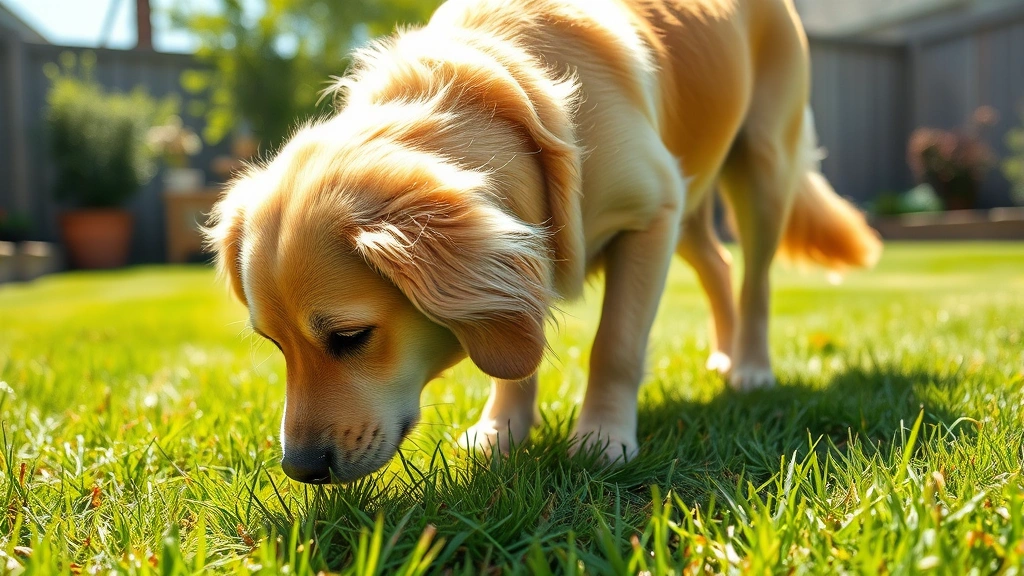
If you’ve ever watched your dog circle around the yard sniffing intensely before doing their business, you’ve probably wondered: why do dogs sniff before they poop? It turns out there’s some genuinely fascinating science behind this quirky canine behavior that goes way beyond just picking a random spot.
Table of Contents
- The Magnetic Field Mystery: Your Dog’s Built-In Compass
- Scent Marking and Territory Communication
- Anal Gland Expression and Comfort Assessment
- Finding the Perfect Bathroom Real Estate
- Stress Relief and Anxiety Management
- Health Indicators Hidden in the Sniff
- The Role of Instinct and Ancestral Behavior
- Individual Personality and Preferences
- Environmental Factors That Influence Sniffing Behavior
- When Excessive Sniffing Becomes a Concern
- Training Your Dog to Poop on Command
- The Fascinating World of Canine Communication
- Frequently Asked Questions
- Summary
The Magnetic Field Mystery: Your Dog’s Built-In Compass
Here’s where things get wild. Recent research suggests that dogs might actually be sensitive to Earth’s magnetic field. A 2013 study published in the journal Frontiers in Zoology found that dogs prefer to align their bodies along the north-south axis when they’re doing their bathroom business. That sniffing? It could be your pup’s way of checking the magnetic orientation of the ground before they commit to their pooping position. Think of it like your dog’s internal GPS system—they’re literally checking which direction is which before they squat.
Scent Marking and Territory Communication
Dogs live in a world dominated by smell, and sniffing before they poop is their way of reading the neighborhood bulletin board. When your dog sniffs an area before defecating, they’re checking what other dogs have been there and what messages they’ve left behind. It’s like scrolling through social media for dogs. By sniffing first, they’re gathering intel on who’s in the territory and what’s been happening. Then, when they poop, they’re adding their own scent marker to communicate their presence to other canines in the area.
Anal Gland Expression and Comfort Assessment
Before we get too deep into the science, let’s talk about anal glands—yes, really. Dogs have scent glands near their rectum that release a unique smell with their feces. The sniffing behavior helps them locate the perfect spot where they can express these glands properly. It’s not just about comfort; it’s about ensuring that their scent marker is deposited in an optimal location. Some veterinarians suggest that the sniffing motion actually helps stimulate these glands, making the whole process more efficient.
Finding the Perfect Bathroom Real Estate
Your dog isn’t just being picky—they’re actually conducting a thorough inspection of potential bathroom locations. Dogs prefer to poop on slightly elevated surfaces or areas with good drainage, and sniffing helps them assess the ground’s texture and moisture content. They’re checking whether the spot is firm enough, whether it’s been used recently by other dogs, and whether it meets their personal bathroom standards. It’s like they’re house-hunting, but for poop spots.
Stress Relief and Anxiety Management
Believe it or not, the sniffing behavior can also serve as a calming mechanism. When dogs are anxious or stressed, they often sniff more intensely. This repetitive behavior helps soothe their nervous system, similar to how humans might pace back and forth when we’re nervous. If your dog seems to sniff excessively before pooping, especially if they’re also displaying other signs of anxiety, it might be worth consulting with your vet. Some lazy dog breeds might take even longer with this pre-poop ritual because they’re naturally more methodical about everything.
Health Indicators Hidden in the Sniff
The sniffing ritual can actually tell you a lot about your dog’s health. If your dog suddenly changes their sniffing pattern or seems distressed during the process, it could indicate digestive issues, parasites, or other health concerns. Dogs with conditions like Lyme disease symptoms in dogs might exhibit altered bathroom behaviors. A healthy diet, like Merrick Fresh Dog Food, can help ensure your dog’s digestive system is functioning optimally, which may reduce excessive sniffing or straining during bathroom time.
The Role of Instinct and Ancestral Behavior
Your domesticated pooch still carries the instincts of their wolf ancestors. In the wild, wolves are extremely particular about where they eliminate waste because it can attract predators or reveal their den location. The sniffing behavior is a remnant of this survival instinct—your dog is checking the area for potential threats and ensuring they’re choosing a safe spot. Even though your backyard is probably pretty safe, your dog’s brain hasn’t quite caught up to that reality after thousands of years of evolution.
Individual Personality and Preferences
Just like humans, every dog has their own unique personality and preferences. Some dogs are meticulous about their bathroom habits and will sniff for several minutes, creating elaborate circles before they finally go. Others are more casual about it. Your dog’s sniffing duration and intensity can tell you a lot about their personality type. Some pups are just more thorough and conscientious than others, and that’s perfectly normal.
Environmental Factors That Influence Sniffing Behavior
Weather, season, and time of day all play a role in how much your dog sniffs before pooping. On humid days, scents linger longer and are stronger, so your dog might sniff less intensely because they can gather information more quickly. In winter or dry conditions, scents dissipate faster, so your dog might spend more time sniffing to get a clear picture of what’s been happening in their territory. If you notice your dog’s bathroom routine changes with the seasons, it’s likely just them adapting to environmental conditions.
When Excessive Sniffing Becomes a Concern
While some sniffing before pooping is completely normal, excessive sniffing can sometimes indicate a problem. If your dog is spending 10-15 minutes sniffing and circling without producing results, or if they seem distressed, it’s time to call your vet. This could indicate constipation, digestive issues, or even behavioral anxiety. You might also want to check if they need Pedialyte safe for dogs or other hydration support if they’re having digestive troubles. According to the American Kennel Club, changes in bathroom habits should always be monitored and reported to your veterinarian if they persist.
Training Your Dog to Poop on Command
Understanding why your dog sniffs can actually help you train them to poop on command. By recognizing the sniffing as the beginning of the elimination sequence, you can start rewarding them as soon as they sniff in the designated potty area. This positive reinforcement helps them understand that sniffing in the right spot leads to treats and praise. According to PetMD, this technique is particularly useful for housebreaking puppies and managing older dogs’ bathroom schedules.
The Fascinating World of Canine Communication
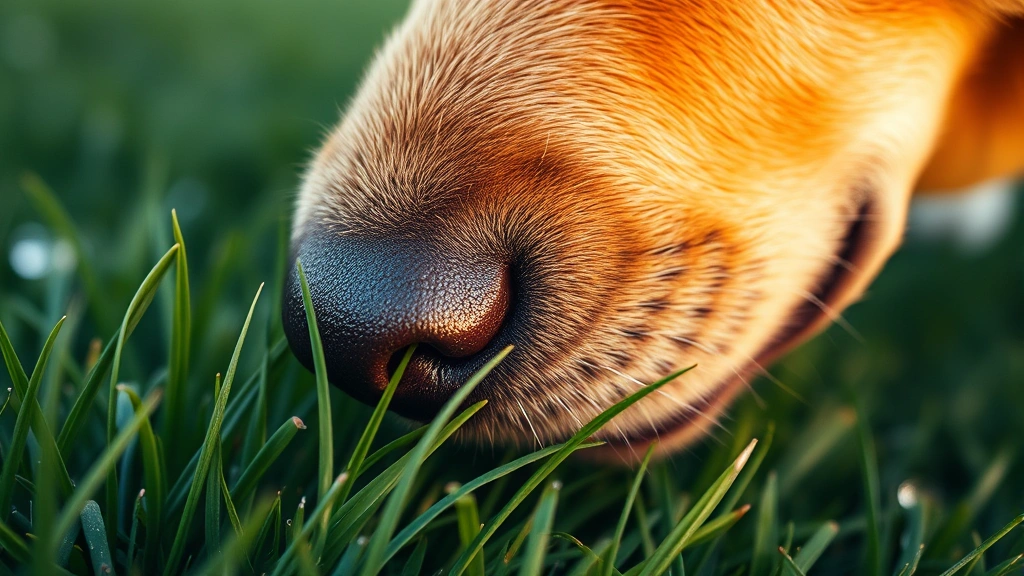
What we’re really witnessing when our dogs sniff before pooping is an intricate system of chemical communication that we humans can barely comprehend. Dogs experience the world through their nose in ways we can’t even imagine. Their sense of smell is estimated to be 10,000 to 100,000 times more sensitive than ours. That pre-poop sniffing session is like them reading an entire newspaper written in scent, complete with headlines about who’s been in the neighborhood, when they were there, and what they ate for lunch. It’s a marvel of evolution that we’re only beginning to understand.
Frequently Asked Questions
Is it normal for dogs to sniff for a long time before pooping?
Yes, it’s completely normal for dogs to spend several minutes sniffing before they poop. This behavior serves multiple purposes, including checking for threats, reading scent markers from other dogs, and assessing the ground conditions. However, if your dog is sniffing for excessive periods (15+ minutes) without producing results, or seems distressed, consult your veterinarian.
Why does my dog circle before pooping?
Circling is another ancestral behavior related to the sniffing ritual. Dogs circle to flatten grass, check for predators, and position themselves optimally for elimination. Combined with sniffing, circling is part of the complete pre-poop assessment process that helps them choose the best spot.
Can sniffing before pooping indicate a health problem?
Not necessarily, but changes in sniffing behavior can indicate health issues. If your dog suddenly starts sniffing excessively, strains during elimination, or seems uncomfortable, it could signal digestive problems, parasites, or anal gland issues. Always consult your vet if you notice significant behavioral changes.
Do all dogs sniff before they poop?
Most dogs sniff to some degree before pooping, but the duration and intensity vary by individual. Some dogs are very thorough, while others are more casual. Age, breed, personality, and health status all influence how much a dog sniffs before elimination.
How can I help my dog poop faster?
You can help your dog poop faster by establishing a consistent routine, taking them to the same spot regularly, and using a command like “go potty” while they sniff. Regular exercise, proper hydration, and a quality diet also promote healthy, efficient digestion. If your dog is consistently slow or struggling, discuss diet options like quality fresh foods with your vet.
Summary
The behavior of why do dogs sniff before they poop is far more complex and fascinating than it might seem at first glance. From magnetic field sensitivity and territorial communication to ancestral instincts and individual personality quirks, your dog’s pre-poop sniffing ritual is actually a sophisticated multi-purpose behavior. It’s their way of reading the world around them, assessing safety, marking territory, and ensuring they’re making an optimal choice for their bathroom location. While occasional lengthy sniffing sessions are completely normal, any sudden changes in this behavior warrant a conversation with your veterinarian. Understanding and respecting this natural behavior is just another way we can appreciate the complex, sensory-rich world our dogs inhabit every single day. For additional information on dog health and behavior, consult resources from the Cornell University College of Veterinary Medicine.





