
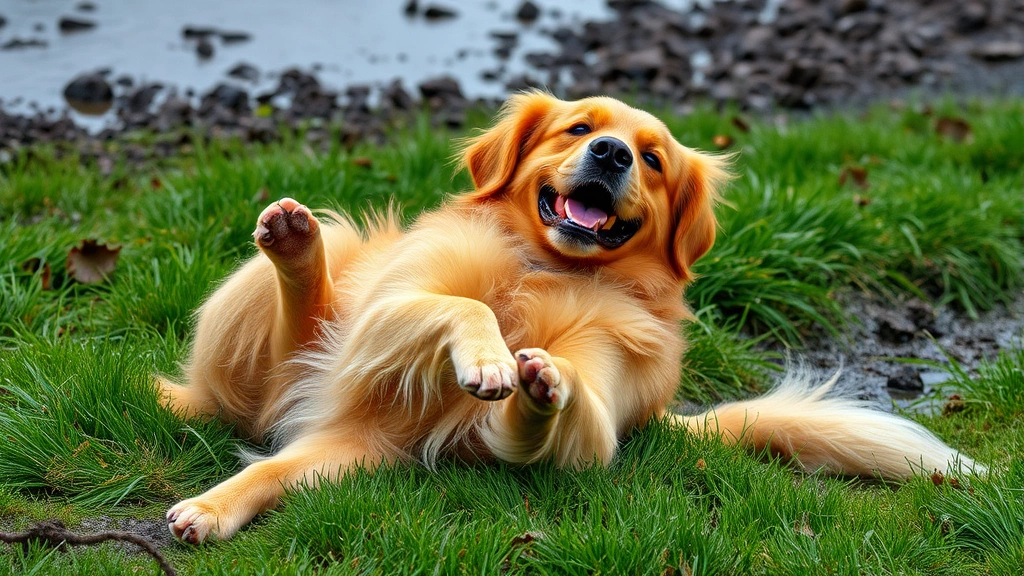
If you’ve ever wondered why do dogs wallow in poop, you’re not alone—and honestly, it’s one of the most baffling and gross behaviors dog owners face. One second your pup is freshly groomed, and the next they’re rolling around in what looks like a bathroom disaster. But there’s actually science behind this nasty habit, and understanding it might just save your carpet (and your sanity).
Table of Contents
- The Ancestral Instinct: Why Your Dog’s Wild Side Shows Up
- Scent Masking: The Stinky Disguise Your Dog Loves
- The Pica Connection: When Eating Poop Leads to Rolling in It
- Communication and Social Behavior: Poop as a Message Board
- Stress and Anxiety: The Gross Coping Mechanism
- Medical Issues: When Wallowing Signals a Health Problem
- The “Perfume” Theory: Your Dog’s Twisted Beauty Routine
- Breed Predisposition: Some Dogs Are Worse Than Others
- Age Matters: Puppies vs. Adult Dogs
- How to Stop Your Dog from Wallowing in Poop
- When to Call the Vet About This Behavior
- Frequently Asked Questions
- Conclusion: Understanding Your Dog’s Stinky Behavior
The Ancestral Instinct: Why Your Dog’s Wild Side Shows Up
Before dogs became our couch-dwelling companions, they were wolves and wild canines surviving in nature. One of their sneakiest survival tactics was masking their own scent by rolling in stinky stuff—including feces. When a wild dog rolled in poop, it helped them blend in with their environment and throw off predators or prey animals. This instinct is still hardwired into your dog’s DNA, even if they’ve never seen a forest in their life. It’s like your dog is saying, “I’m not a domesticated pet, I’m a fierce hunter!”—except they’re doing it in the most embarrassing way possible.
Scent Masking: The Stinky Disguise Your Dog Loves
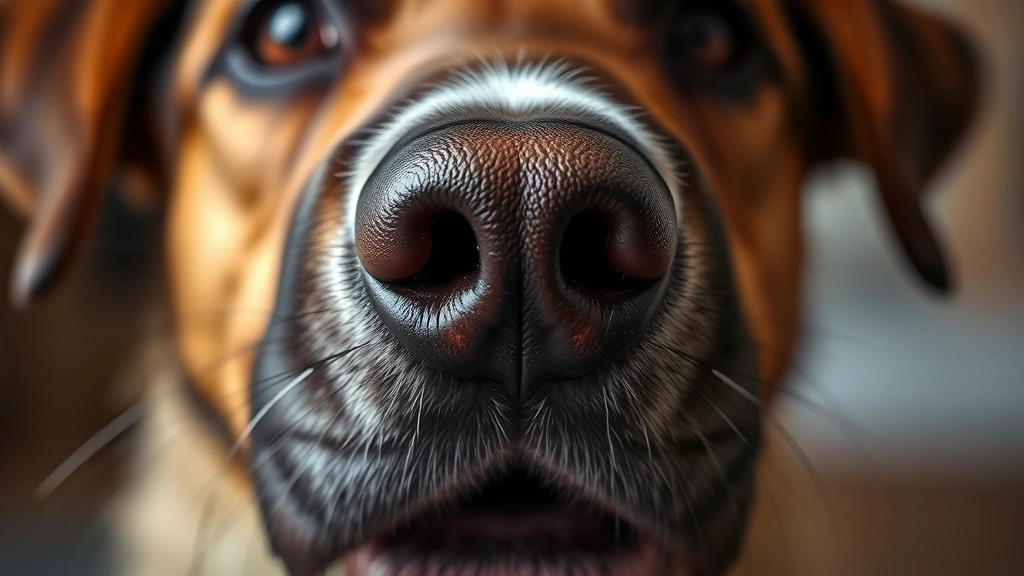
Dogs have an incredible sense of smell—roughly 10,000 to 100,000 times more sensitive than humans. When your dog wallows in poop, they’re not trying to gross you out (though that’s definitely a side effect). They’re trying to mask their own scent. This behavior is called scent masking, and it’s particularly common in dogs with a strong prey drive. By covering themselves in feces, they think they’re becoming invisible to their hunting targets. It’s a brilliant strategy in the wild, but pretty inconvenient when you’re trying to keep your house clean.
The Pica Connection: When Eating Poop Leads to Rolling in It
Sometimes dogs rolling in feces is connected to a condition called pica, where dogs eat non-food items. Some dogs develop an obsession with feces specifically, which is called coprophagia. If your dog has this issue, they might not just be rolling in poop—they might be eating it too. This can indicate nutritional deficiencies, digestive issues, or behavioral problems. If you suspect your dog has pica, it’s worth chatting with your vet about adjusting their diet. A high-quality limited ingredient dog food might help address underlying sensitivities.
Communication and Social Behavior: Poop as a Message Board
Dogs use scent to communicate with other dogs in ways we can barely comprehend. When your dog wallows in poop, they might be trying to share information with other dogs in the area. It’s like they’re saying, “Hey everyone, check out what I found!” By rolling in feces, they’re essentially marking territory and leaving a message for other canines. This is why dogs often seem most interested in rolling in poop when they’re on walks or in parks—there’s an audience for their stinky performance.
Stress and Anxiety: The Gross Coping Mechanism
Believe it or not, some dogs wallow in poop as a way to cope with stress or anxiety. If your dog is anxious, bored, or feeling overwhelmed, they might resort to this behavior as a self-soothing mechanism. It’s similar to how some dogs chew excessively or dig holes when they’re stressed. If your dog seems to be rolling in feces more frequently than usual, it might be worth evaluating their stress levels. Are they getting enough exercise? Are there changes in their environment? Sometimes addressing the underlying anxiety can help reduce the poop-rolling behavior.
Medical Issues: When Wallowing Signals a Health Problem
Sometimes wallowing in poop can indicate an underlying health issue. Skin conditions like mange on dogs can cause intense itching, which might lead a dog to roll around in anything available to relieve the discomfort. Allergies, parasites, or other dermatological issues could also be culprits. Additionally, if your dog is experiencing digestive issues or has loose stools, they might be trying to clean themselves or relieve discomfort by rolling. If this behavior is new or accompanied by other symptoms, a vet visit is definitely warranted.
The “Perfume” Theory: Your Dog’s Twisted Beauty Routine
Here’s something that might make you laugh: some behaviorists believe dogs wallow in poop because they genuinely think it smells good. Humans wear perfume; dogs wear… well, poop. From a dog’s perspective, rolling in feces might be their version of getting ready for a night out. They’re not trying to offend you—they’re trying to improve their image. The pungent aroma that makes us gag is, to your dog, the equivalent of a luxury cologne. It’s all about perspective, really.
Breed Predisposition: Some Dogs Are Worse Than Others
Certain breeds seem more prone to wallowing in poop than others. Hunting breeds, terriers, and dogs with high prey drives are particularly susceptible. These breeds were historically bred to track, hunt, and explore, so their instincts to mask their scent and investigate smelly things are stronger than in other breeds. If you have a hunting breed or a dog with a strong nose, you might just have to accept that poop-rolling is part of your reality.
Age Matters: Puppies vs. Adult Dogs
Puppies are more likely to wallow in poop than adult dogs, partly because they’re still learning about the world and exploring everything with their senses. As dogs mature, some outgrow this behavior, while others maintain it throughout their lives. Senior dogs might also return to this behavior if they’re experiencing cognitive decline or health issues. If your senior dog is experiencing changes in behavior, it’s worth discussing with your vet.
How to Stop Your Dog from Wallowing in Poop
Now for the practical stuff: how do you actually prevent this behavior? Here are some strategies that work:
1. Clean up immediately: The simplest solution is to remove the temptation. Clean up after your dog and other animals in your yard right away.
2. Increase exercise: A tired dog is less likely to engage in destructive or gross behaviors. Make sure your pup is getting enough physical activity and mental stimulation.
3. Train a reliable recall: Teaching your dog to come when called can help you interrupt the behavior before it happens during walks.
4. Use deterrents: Some people use taste deterrents or motion-activated sprinklers to discourage the behavior.
5. Check their diet: Ensure your dog is eating a balanced, nutritious diet. Sometimes poop-rolling is linked to nutritional deficiencies.
6. Address underlying health issues: If your dog has skin conditions, digestive problems, or other health concerns, treating those might reduce the behavior.
When to Call the Vet About This Behavior
While occasional poop-rolling is normal (if gross), certain situations warrant a veterinary visit. Contact your vet if your dog is:
– Rolling in poop excessively or obsessively
– Also eating feces (coprophagia)
– Showing signs of skin irritation, excessive scratching, or hair loss
– Experiencing digestive issues like diarrhea or constipation
– Displaying other behavioral changes or signs of stress
– Showing signs of respiratory distress or other health concerns
Your vet can rule out medical causes and recommend appropriate interventions, whether that’s dietary changes, medication, or behavioral training.
Frequently Asked Questions
Is it dangerous for dogs to wallow in poop?
Rolling in poop itself isn’t typically dangerous, but it can expose your dog to parasites, bacteria, and pathogens. It’s more of a hygiene concern than a health emergency. However, if your dog is eating feces, that’s a different story and should be addressed with your vet.
Why do dogs eat poop after rolling in it?
Some dogs progress from rolling to eating, which is the condition coprophagia. This can indicate nutritional deficiencies, digestive issues, behavioral problems, or even boredom. It’s worth investigating with your veterinarian.
Can I train my dog to stop wallowing in poop?
Yes, with consistent training and management. Teaching a strong recall command, providing adequate exercise, and removing opportunities for the behavior can help significantly. However, it’s an instinctual behavior, so you might not eliminate it entirely.
Does neutering or spaying affect poop-rolling behavior?
Not directly. While spaying and neutering can reduce some behaviors driven by hormones, poop-rolling is more instinct-based than hormone-based. You might see some reduction in intensity, but it’s not a guaranteed fix.
Why is my dog rolling in poop more lately?
Increased poop-rolling could indicate stress, anxiety, health issues, dietary problems, or simply more opportunity (like a messy yard). Track when it happens and what circumstances surround it, then discuss patterns with your vet.
Is poop-rolling related to intelligence?
Not really. Smart dogs and not-so-smart dogs both do it. It’s more about instinct and personality than intelligence level. Some of the smartest breeds are actually the worst offenders!
Conclusion: Understanding Your Dog’s Stinky Behavior
So, why do dogs wallow in poop? The answer is a combination of ancestral instinct, scent communication, stress relief, and sometimes medical issues. While it’s undoubtedly one of the most frustrating and disgusting behaviors dog owners face, it’s also completely normal from your dog’s perspective. They’re not trying to ruin your day or your carpet—they’re just being dogs, following instincts that have been hardwired for thousands of years. The best approach is prevention through good hygiene, adequate exercise, proper training, and regular vet checkups. And if all else fails? Well, at least you’ll have plenty of opportunities to perfect your bathing technique. Your dog might not appreciate the post-poop-rolling bath, but your nose will thank you.





