
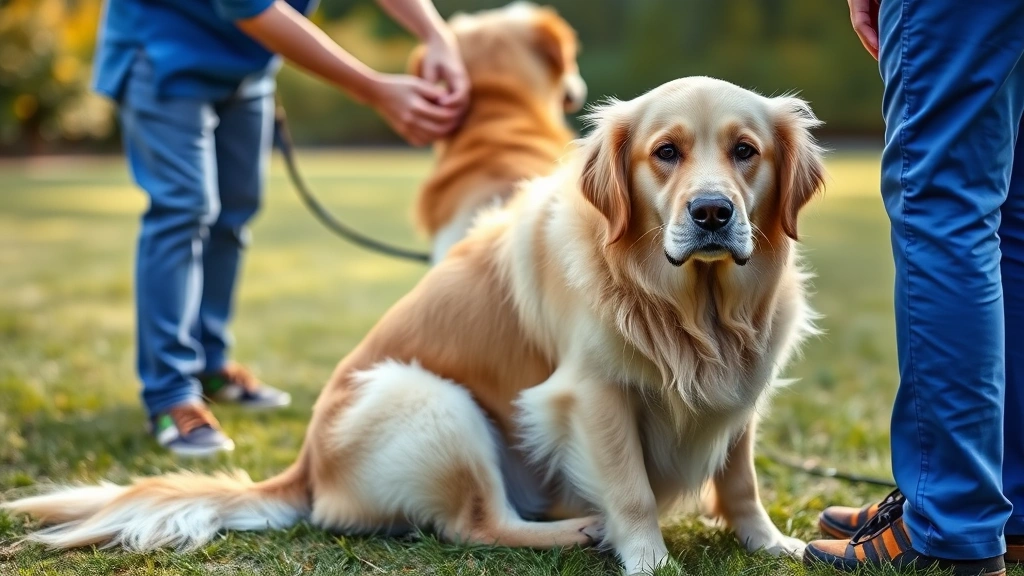
If you’ve ever wondered why do female dogs drag their bottoms on the ground, you’re not alone—this quirky behavior baffles pet parents everywhere. One moment your pup is trotting along happily, and the next she’s scooting her rear end across your carpet like she’s auditioning for a comedy sketch. While it might look amusing, this behavior usually signals that something needs attention. Let’s dig into what’s really going on with your furry friend’s backside and what you can do about it.
Table of Contents
- The Scoop on Scooting: Understanding Anal Gland Issues
- Parasites: The Uninvited Guests Causing Itching
- Digestive Drama: Constipation and Diarrhea
- Skin Infections and Allergies: Itchy Business
- Behavioral Scooting: Sometimes It’s Just a Habit
- When to Call Your Vet: Red Flags and Warning Signs
- Preventing Bottom Dragging: Proactive Care Tips
- Anal Gland Expression: When Professional Help is Needed
- Food and Nutrition: Supporting Digestive Health
- Hormonal Changes and Reproductive Health
- Monitoring and Home Care: What You Can Do
- Frequently Asked Questions
- The Bottom Line: Get Your Girl Checked Out
The Scoop on Scooting: Understanding Anal Gland Issues
The most common reason female dogs drag their bottoms is anal gland problems. Dogs have two small glands on either side of their anus that produce a pungent secretion. When these glands get full, impacted, or infected, your dog will scoot to relieve the discomfort. Think of it like having an itch you absolutely must scratch—except way more uncomfortable and way less dignified.
Anal gland issues are especially common in smaller breeds and dogs with soft stools. If your female dog is scooting frequently, you might notice her licking her rear end excessively too. Some dogs even develop infections if the problem isn’t addressed, which can lead to more serious complications. Regular vet check-ups can help catch these issues before they become painful problems.
Parasites: The Uninvited Guests Causing Itching
Intestinal parasites like worms and tapeworms are another major culprit behind bottom-dragging behavior. These parasites irritate your dog’s digestive tract and rear end, causing intense itching. You might even spot rice-like segments in your dog’s stool or around her anus if tapeworms are the problem.
The good news? Parasites are preventable and treatable. Regular deworming and keeping your female dog on a quality parasite prevention medication can stop this issue in its tracks. If your dog spends time outdoors, eats raw meat, or interacts with other animals, she’s at higher risk. A simple fecal exam from your vet can confirm whether parasites are the cause of the scooting.
Digestive Drama: Constipation and Diarrhea
Sometimes why do female dogs drag their bottoms on the ground comes down to basic digestive issues. Constipation can cause discomfort around the anal area, prompting scooting. On the flip side, diarrhea and loose stools can irritate the skin around the anus, making your dog want to scoot for relief. If you notice your dog is constipated, addressing the underlying cause is crucial.
Diet plays a huge role in digestive health. Low-fiber diets, sudden food changes, or eating inappropriate items can all trigger these issues. Make sure your female dog is eating high-quality food with adequate fiber content. If digestive problems persist, consult your vet about dietary adjustments or supplements that might help.
Skin Infections and Allergies: Itchy Business
Female dogs can develop yeast infections, bacterial infections, or allergies that cause itching around the rear end. These conditions are more common in dogs with floppy ears, skin folds, or those living in humid climates. Allergies—whether food-related or environmental—can manifest as itchy skin, and your dog might scoot to find relief.
If your female dog has red, inflamed, or smelly skin around her rear end, an infection is likely. Yeast infections have a distinctive musty odor, while bacterial infections might cause pustules or oozing. These conditions require veterinary treatment, often involving medicated baths, oral medications, or topical treatments. Don’t ignore these signs, as infections can spread and become more serious.
Behavioral Scooting: Sometimes It’s Just a Habit
Believe it or not, some female dogs scoot simply out of habit or because they enjoy the sensation. If your vet has ruled out medical issues, your dog might just be doing it for fun or attention. Dogs are smart—if scooting gets them attention from you, they might repeat the behavior.
However, don’t assume this without a vet visit first. Medical causes should always be ruled out before attributing scooting to behavior. Once you’ve confirmed there’s no underlying health issue, you can work on redirecting the behavior through training and providing appropriate outlets for your dog’s energy.
When to Call Your Vet: Red Flags and Warning Signs
Some situations require immediate veterinary attention. If your female dog is scooting excessively, bleeding from the rear end, showing signs of lethargy in dogs, or has a swollen anus, get her to the vet right away. Abscessed anal glands can rupture and cause serious infections. Additionally, if scooting is accompanied by vomiting, loss of appetite, or difficulty defecating, these are emergency situations.
Don’t wait around hoping the problem resolves itself. Anal gland issues and infections get worse without treatment. A quick vet visit can provide relief and prevent complications. Your vet can express the glands manually, prescribe antibiotics if needed, and rule out other serious conditions.
Preventing Bottom Dragging: Proactive Care Tips
Prevention is always better than treatment. Here are some strategies to keep your female dog’s rear end healthy:
- High-Fiber Diet: Adequate fiber helps maintain healthy stools and can prevent anal gland issues. Some dogs benefit from foods with added fiber or supplements.
- Regular Exercise: Activity promotes healthy digestion and bowel movements.
- Parasite Prevention: Keep your dog on year-round parasite prevention as recommended by your vet.
- Grooming: Keep the area around your dog’s anus clean and trimmed to prevent infections.
- Weight Management: Overweight dogs are more prone to anal gland issues.
Anal Gland Expression: When Professional Help is Needed
If your female dog has chronic anal gland problems, your vet might recommend regular expressions. This is a simple procedure where the vet manually empties the glands. Some groomers can do this too, though it’s best handled by a veterinary professional to avoid injury or infection. In severe cases where glands become repeatedly infected or abscessed, your vet might discuss surgical removal as a permanent solution.
Food and Nutrition: Supporting Digestive Health
The right diet can make a huge difference in preventing scooting behavior. If your female dog is prone to digestive issues, consider low fat dog food options if recommended by your vet. High-quality proteins, adequate fiber, and proper moisture content all support healthy digestion. Some dogs do better on grain-free diets, while others thrive on traditional kibble. Work with your vet to find the best option for your pup.
Hormonal Changes and Reproductive Health
Female-specific issues can also play a role. During heat cycles or if your dog has false pregnancy in dogs, hormonal changes might cause increased anal gland activity or skin sensitivity. Spaying can actually help reduce some of these issues. Additionally, urinary tract infections or other reproductive tract problems can cause discomfort that manifests as scooting.

Monitoring and Home Care: What You Can Do
While you’re working with your vet to address the underlying cause, keep the area clean and dry. If your dog has diarrhea but is acting fine, monitor her closely for other symptoms. Use pet-safe wipes to clean her rear end after bathroom breaks. Avoid harsh shampoos that might irritate sensitive skin. Some vets recommend warm water baths to soothe irritated areas, but check with yours first.
Frequently Asked Questions
Is scooting always a sign of anal gland problems?
No, while anal gland issues are the most common cause, scooting can also result from parasites, skin infections, allergies, digestive issues, or even behavioral habits. Always consult your vet to determine the exact cause.
Can I express my dog’s anal glands at home?
It’s not recommended unless your vet has specifically trained you. Improper technique can injure the glands or cause infection. It’s safest to have a professional handle this task.
How often should my female dog have anal gland check-ups?
If your dog has never had issues, annual wellness exams are sufficient. If she has chronic problems, your vet might recommend more frequent checks or preventive measures.
What’s the difference between internal and external anal gland expression?
External expression is done by applying pressure around the glands from the outside. Internal expression involves inserting a finger into the rectum to express them from within. Your vet will determine which method is appropriate.
Can diet changes alone stop scooting?
Diet can help prevent scooting related to digestive issues, but if the cause is anal gland impaction, parasites, or infection, diet alone won’t solve the problem. A comprehensive approach with veterinary guidance works best.
The Bottom Line: Get Your Girl Checked Out
When your female dog drags her bottom on the ground, it’s her way of communicating that something’s uncomfortable. While the behavior might seem funny, it’s a legitimate cry for help. The good news is that most causes are easily treatable once identified. Whether it’s anal gland expression, parasite treatment, dietary changes, or medical intervention, your vet can provide solutions that’ll have your pup feeling better in no time. Don’t ignore persistent scooting—schedule a vet appointment and get to the root of the problem. Your female dog will thank you, and your carpet will definitely appreciate it.
External Resources: For more information on canine health, check out the American Kennel Club’s expert advice, PetMD’s guide to anal glands, and consult veterinary resources from your local veterinary medical association.





