
Why Do My Dog’s Ears Stink? Causes and Solutions
If you’ve noticed an unpleasant odor wafting from your furry friend’s ears, you’re not alone. Smelly dog ears are one of the most common complaints pet parents bring to veterinarians, and honestly, it’s totally understandable why. That funky smell can range from a mild yeasty aroma to an outright stench that makes you wonder if something’s seriously wrong. Here’s the good news: in most cases, smelly ears are manageable and preventable with the right knowledge and care routine.
The truth is, your dog’s ears are basically the perfect storm for odor-causing bacteria and yeast. They’re warm, dark, and often moist—basically a five-star resort for microorganisms looking to throw a party. But before you panic or assume your pup has a serious infection, let’s dive into what’s actually causing that smell and what you can do about it.
Understanding why your dog’s ears stink is the first step toward keeping your best friend comfortable and fresh-smelling. Whether it’s a simple buildup of wax and debris or something more serious like an infection, we’ve got all the answers you need to tackle this stinky situation head-on.
Common Causes of Smelly Dog Ears
Let’s start with the basics. Your dog’s ears are naturally more prone to odor than human ears because of their anatomy. Unlike our relatively straight ear canals, dogs have L-shaped ear canals that create a pocket where moisture, wax, and debris can accumulate. This anatomical feature makes certain dog breeds—particularly those with floppy ears like Cocker Spaniels, Basset Hounds, and Golden Retrievers—especially susceptible to ear issues.
The most common culprit behind stinky ears is simply a buildup of cerumen (earwax), dead skin cells, and dirt. When combined with moisture from swimming, baths, or high humidity, this mixture creates an ideal environment for bacteria and yeast to flourish. Think of it like leaving a damp towel in a gym bag—it’s bound to get funky.
Another frequent cause is improper ear cleaning or over-cleaning. Yes, you can actually clean your dog’s ears too much, which can disrupt the natural balance of beneficial microorganisms and cause irritation. It’s a delicate balance that many well-meaning pet parents accidentally upset. Understanding the right frequency and technique for cleaning your dog’s ears is crucial to maintaining ear health.

Yeast Infections and Bacterial Issues
If your dog’s ears smell like corn chips, brewer’s yeast, or something vaguely fermented, you’re likely dealing with a yeast infection. This is one of the most common ear conditions in dogs, and it’s usually caused by an overgrowth of Malassezia yeast. This organism naturally lives on your dog’s skin, but when conditions are right—warmth, moisture, and low immune function—it proliferates like crazy.
Bacterial infections are equally common and often accompany yeast infections, creating what veterinarians call an otitis externa (infection of the outer ear canal). The smell from a bacterial infection tends to be more pungent and distinctive than yeast, often described as musty or sour. Bacteria like Staphylococcus and Pseudomonas are frequent offenders, and they love those moist, warm ear canals.
What makes these infections particularly frustrating is that they often cause significant discomfort for your pup. Your dog might scratch excessively, shake their head constantly, or develop a noticeable ear discharge. If you notice these signs alongside the odor, it’s definitely time to consider treatment options for dog ear infections, though veterinary consultation is strongly recommended.
The connection between yeast and bacterial overgrowth is important to understand. These organisms often work together, with one creating an environment that allows the other to thrive. This is why treating one without addressing the underlying cause often results in the infection coming right back.
Ear Mites and Parasites
While less common in adult dogs than in puppies and cats, ear mites can still cause significant odor and discomfort. These microscopic parasites burrow into the ear canal and feed on skin debris, causing inflammation and creating that characteristic dark, crusty discharge that smells absolutely foul. If you’ve ever wondered how to identify ear mites in dogs, the smell is often one of the first telltale signs.
Ear mites are highly contagious between pets, so if you have multiple dogs or cats, they can spread like wildfire through your household. The incessant itching and scratching that ear mites cause can lead to secondary bacterial infections, compounding the problem and intensifying the odor.
Other parasites like lice can also affect the ear area and contribute to odor. While less common than ear mites, parasitic issues should be ruled out during your investigation. Understanding whether your dog might have parasites like lice is important because the treatment approach differs significantly from bacterial or yeast infections.
Allergies and Skin Conditions
Here’s something many pet parents don’t realize: allergies are a huge contributor to smelly ears. When your dog has food allergies or environmental allergies (think pollen, dust mites, or mold), the resulting inflammation in their skin and ear canals creates a perfect breeding ground for bacteria and yeast. It’s a vicious cycle where allergies trigger inflammation, inflammation allows microorganisms to flourish, and the resulting infection smells absolutely terrible.
Dogs with allergies often experience itchy ears, and all that scratching and head shaking introduces bacteria from their paws and the environment. Additionally, allergies can weaken the natural defense mechanisms in the ear canal, making it harder for your dog’s body to fight off infections naturally.
Other skin conditions like seborrhea (excessive oil production) or dermatitis can also lead to smelly ears. These conditions alter the skin’s microbiome and create an environment where odor-causing organisms thrive. If your dog’s ears stink and they also have other unusual smells or skin issues elsewhere on their body, allergies or systemic skin conditions might be the root cause.
According to the American Kennel Club’s guide to dog allergies, ear infections are one of the most common symptoms of allergic reactions in dogs. This connection is crucial to understand because treating just the ear infection without addressing the underlying allergy means the problem will likely recur.
Prevention and Maintenance
The best way to deal with smelly ears is to prevent the problem from occurring in the first place. Start by establishing a regular ear maintenance routine that works for your dog’s specific needs. Dogs with floppy ears or those prone to ear issues should have their ears checked and cleaned weekly, while dogs with upright ears might only need monthly attention.
Keep your dog’s ears dry, especially after swimming, bathing, or playing in wet conditions. Moisture is the enemy when it comes to ear health. After any water exposure, gently dry your dog’s ears with a soft cloth or use a drying solution specifically formulated for dog ears. This simple step can dramatically reduce the likelihood of infections.
Regular grooming is also essential. If your dog has hair growing inside their ear canal, this can trap moisture and debris. Many groomers can safely remove this hair, improving air circulation and reducing odor-causing conditions. Don’t attempt this yourself unless you’re trained, as the ear canal is delicate and easily injured.
Diet plays a surprising role in ear health too. Dogs with food allergies or poor nutrition often have compromised immune systems and skin health, making them more susceptible to ear infections. Feeding your dog a high-quality diet rich in omega-3 and omega-6 fatty acids can support skin and ear health from the inside out.
Consider using a preventative ear cleaning solution recommended by your veterinarian, especially if your dog is prone to ear issues. These solutions often contain ingredients that help maintain the proper pH balance and prevent bacterial and yeast overgrowth. However, remember that more isn’t always better—over-cleaning can be counterproductive.
How to Properly Clean Your Dog’s Ears
If you’re going to clean your dog’s ears at home, it’s crucial to do it correctly. First, gather your supplies: a veterinarian-approved ear cleaning solution, cotton balls or gauze, and treats for positive reinforcement. Never use cotton swabs or Q-tips, as these can push debris deeper into the ear canal and potentially damage the eardrum.
To clean your dog’s ears properly, follow these steps: First, inspect the ears visually. If they look significantly inflamed, have discharge, or smell particularly foul, skip the home cleaning and see your vet. For routine cleaning, apply the ear cleaning solution to a cotton ball and gently wipe the inner surface of the ear flap and the entrance to the ear canal. Use a fresh cotton ball for each ear to avoid spreading bacteria between ears.
Be gentle and never force anything into the ear canal. The goal is to clean what you can see and access easily. If your dog is in pain or extremely sensitive, stop and consult your veterinarian. Some dogs require professional cleaning under sedation, especially if they have chronic ear issues or significant debris buildup.
When learning the proper technique for cleaning dog ears, consistency matters more than frequency. A gentle weekly cleaning for prone dogs is better than occasional aggressive cleaning. Always reward your dog with treats and praise to make the experience positive, so they’re cooperative during future cleaning sessions.
When to See a Veterinarian
While some ear odor is normal and manageable at home, certain signs indicate you need professional help. If your dog’s ears smell really bad despite regular cleaning, that’s a red flag. If you notice thick, colored discharge (yellow, green, or brown), significant inflammation, or if your dog seems to be in pain, schedule a vet appointment immediately.
Additionally, if your dog is constantly shaking their head or scratching at their ears, a veterinary evaluation is essential. These signs suggest an active infection or other condition that requires professional diagnosis and treatment.
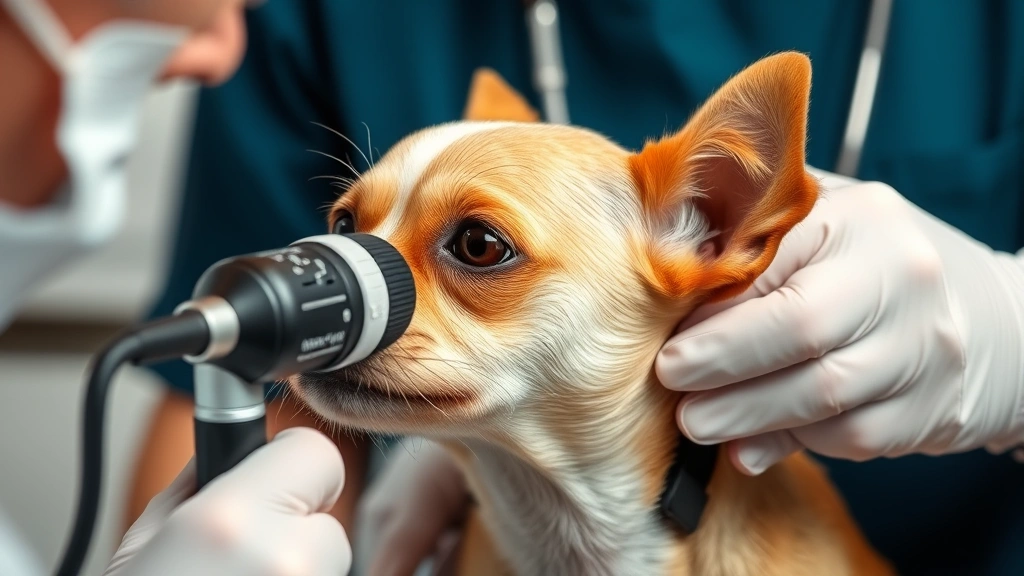
Your veterinarian can perform an otoscopic examination to visualize the ear canal, take samples for cytology to identify the specific organisms causing the problem, and recommend appropriate treatment. They might prescribe medicated ear drops, oral antibiotics, antifungal medications, or recommend allergy testing if they suspect underlying allergies.
According to the ASPCA’s guide to common dog ear problems, early intervention is key to preventing chronic ear issues. What starts as a simple odor can escalate into a serious infection if left untreated.
Don’t wait to see a vet if the smell is accompanied by behavioral changes, decreased appetite, or signs of systemic illness. Ear infections can sometimes indicate more serious underlying health issues that need attention.
Frequently Asked Questions
Is it normal for my dog’s ears to smell a little?
A slight earthy or mild smell is relatively normal, especially in dogs with floppy ears or those prone to moisture accumulation. However, a strong, unpleasant odor—whether it’s yeasty, musty, or putrid—indicates something needs attention. If you’re unsure whether the smell is within normal range, ask your veterinarian during your next visit.
Can I use vinegar or peroxide to clean my dog’s ears?
While some people swear by home remedies like vinegar solutions, these can be risky. Vinegar can be irritating to already inflamed ear canals, and peroxide can damage the delicate tissues inside the ear. It’s best to use veterinarian-approved ear cleaning solutions specifically formulated for dogs. If you want to use a natural approach, ask your vet for recommendations.
How often should I clean my dog’s ears?
This depends on your individual dog. Dogs with floppy ears or a history of ear infections might need weekly cleaning, while others only need monthly attention. Dogs with upright ears and good ear health might only need cleaning a few times per year. Your veterinarian can recommend the ideal frequency for your specific dog.
What does a yeast infection smell like?
Yeast infections typically have a distinctive corn chip, brewer’s yeast, or slightly sweet fermented smell. It’s often described as a potato chip or tortilla chip aroma. This smell is quite characteristic and different from the musty smell of a bacterial infection.
Can ear infections in dogs go away on their own?
While very mild cases might resolve with improved ear hygiene, most ear infections require treatment. Bacterial and yeast infections typically worsen without intervention, and untreated infections can lead to chronic issues, hearing loss, or systemic infection. It’s always better to address ear problems early with professional help.
Are certain dog breeds more prone to smelly ears?
Absolutely. Breeds with floppy ears like Cocker Spaniels, Basset Hounds, Golden Retrievers, and Poodles are significantly more prone to ear issues due to their ear anatomy. Additionally, dogs with hairy ear canals or those predisposed to allergies are at higher risk. Understanding your dog’s breed predisposition can help you implement preventative measures.
Could my dog’s ear smell indicate something serious?
While most cases are manageable ear infections or simple odor from debris buildup, persistent or severe odor could indicate chronic infection, tumors, or systemic disease. This is why veterinary evaluation is important, especially if the odor is accompanied by other symptoms or doesn’t improve with treatment.





