
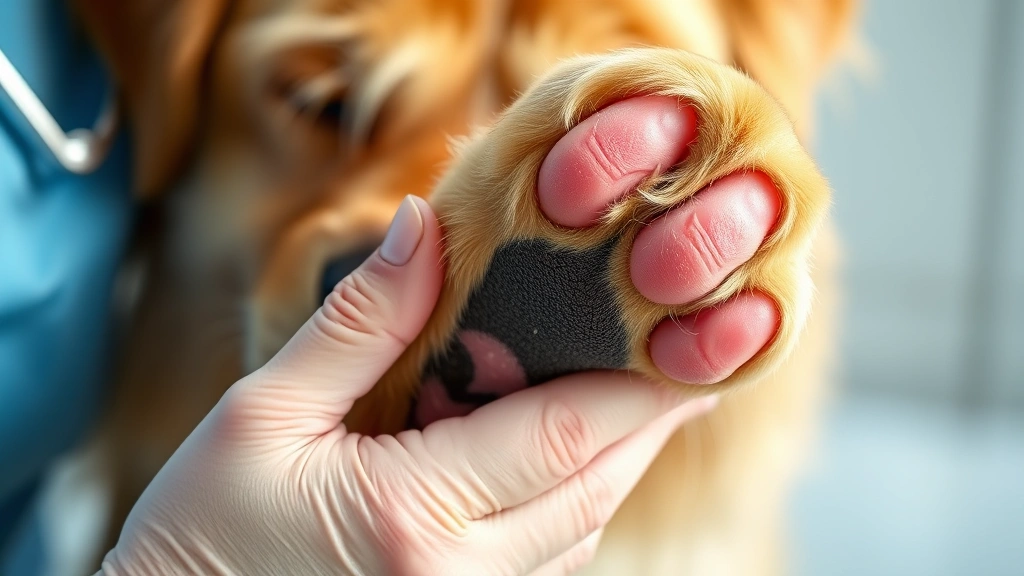
If you’ve ever wondered why does a dog chew on his paws, you’re not alone—this is one of the most common questions vets hear from frustrated dog owners. Your pup’s constant licking and gnawing at their feet isn’t just annoying (especially at 3 AM); it’s usually a sign that something’s bugging them, literally or figuratively.
Table of Contents
- 1. Allergies: The Usual Suspect
- 2. Parasites and Skin Infections
- 3. Anxiety and Stress: The Psychological Angle
- 4. Joint Pain and Arthritis
- 5. Boredom and Habit: The Behavioral Reason
- How to Stop Your Dog From Chewing Their Paws
- When to Worry: Red Flags
- Home Remedies and Quick Fixes
- Prevention: The Best Medicine
- The Bottom Line
- Frequently Asked Questions
The good news? Most cases of paw chewing are totally fixable once you figure out what’s causing it. Let’s dig into the five main reasons your dog is treating their paws like a chew toy and what you can actually do about it.
1. Allergies: The Usual Suspect
Allergies are the number-one culprit behind excessive paw chewing in dogs. Just like humans, dogs can develop allergies to food, environmental factors, or contact irritants. When a dog is allergic to something, their paws become itchy and inflamed—and guess what they do? They chew.
Common allergens include:
- Chicken, beef, wheat, or corn in their diet
- Pollen, dust mites, and mold
- Grass and weeds
- Cleaning products or pesticides on the ground
If allergies are the issue, you’ll often notice your dog chewing their paws year-round (food allergies) or seasonally (environmental allergies). Their paws might also look red, swollen, or have a yeasty smell. A vet can perform allergy testing to pinpoint the exact culprit, and then you can adjust their diet or environment accordingly.
2. Parasites and Skin Infections
Fleas, mites, and lice are tiny jerks that love to set up shop on your dog’s skin. Even if you don’t see visible parasites, they can cause serious itching that drives dogs to chew their paws obsessively. Mange mites are particularly notorious for this behavior.
Fungal infections like ringworm and bacterial infections can also trigger paw chewing. These infections often come with other symptoms like hair loss, crusty or scaly skin, and a musty odor. If you suspect parasites or infections, get your dog to the vet ASAP—some of these conditions are contagious to other pets and even humans.
Prevention is key: keep your dog on a reliable flea and tick prevention program year-round, even if your dog stays mostly indoors.
3. Anxiety and Stress: The Psychological Angle
Sometimes, excessive paw chewing isn’t about physical discomfort—it’s about emotional distress. Dogs with separation anxiety, noise phobias, or general anxiety often resort to paw chewing as a self-soothing behavior. It’s like their version of stress eating.
Signs your dog might be chewing from anxiety include:
- Chewing only when you leave the house
- Increased chewing during thunderstorms or fireworks
- Destructive behavior in other areas
- Panting, pacing, or whining
If anxiety is the root cause, you’ll need to address the underlying stress. This might involve more exercise, training, environmental changes, or even anxiety medication prescribed by your vet. Some dogs benefit from calming supplements or anxiety wraps designed to reduce stress.
4. Joint Pain and Arthritis
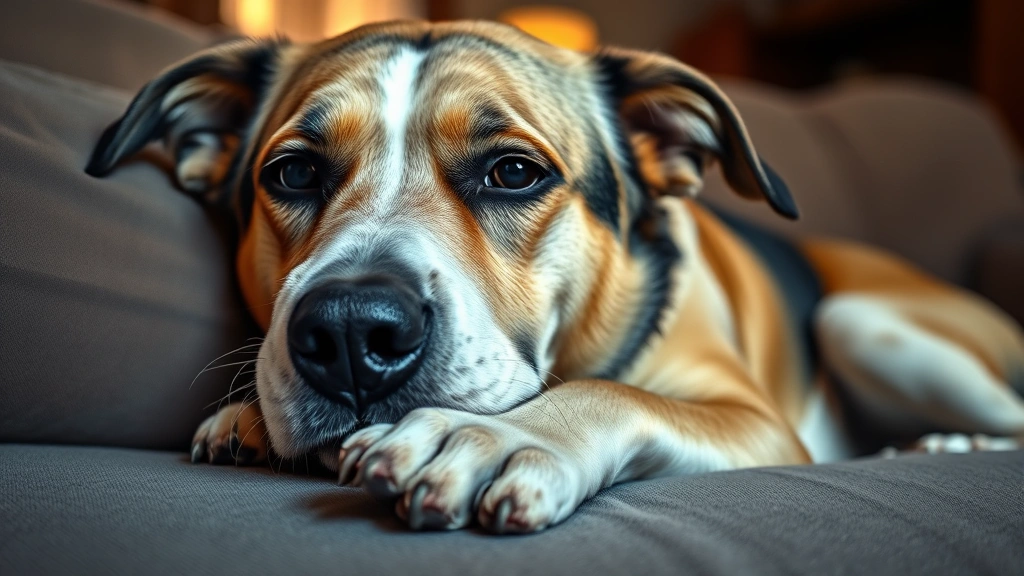
Older dogs and certain breeds prone to joint issues (looking at you, large breeds) sometimes chew their paws because of pain in their joints. Arthritis, hip dysplasia, or other orthopedic problems can make their paws ache, and chewing provides temporary relief—kind of like how you might rub a sore muscle.
If your dog is limping, moving stiffly, or seems to chew more after exercise, joint pain might be the issue. Joint supplements for dogs containing glucosamine and chondroitin can help, along with pain management from your vet. Regular, moderate exercise and maintaining a healthy weight are also crucial for joint health.
5. Boredom and Habit: The Behavioral Reason
Some dogs chew their paws simply because they’re bored, under-exercised, or have developed the habit. If your pup isn’t getting enough mental and physical stimulation, they’ll find ways to entertain themselves—and unfortunately, their paws are always available.
Dogs need at least 30 minutes to 2 hours of exercise daily, depending on their age and breed. They also need mental enrichment like puzzle toys, training sessions, and interactive play. If your dog is cooped up all day with nothing to do, paw chewing might just be their way of saying, “Hey, I’m bored!”
Try increasing exercise, introducing new toys, or rotating toys to keep things interesting. You might also consider safe chewing alternatives to redirect their chewing behavior toward appropriate outlets.
How to Stop Your Dog From Chewing Their Paws
Once you’ve identified the cause, here’s how to address it:
- See your vet: Rule out medical issues first. Your vet can perform skin scrapings, fungal cultures, or allergy tests.
- Adjust their diet: If food allergies are suspected, try an elimination diet or switch to limited-ingredient dog food.
- Use preventatives: Keep up with flea, tick, and parasite prevention.
- Increase exercise: More walks, playtime, and mental stimulation can work wonders.
- Apply topical treatments: Bitter sprays or protective booties can discourage chewing while you address the underlying cause.
- Consider medication: For anxiety or severe itching, your vet might prescribe anti-anxiety meds or antihistamines.
When to Worry: Red Flags
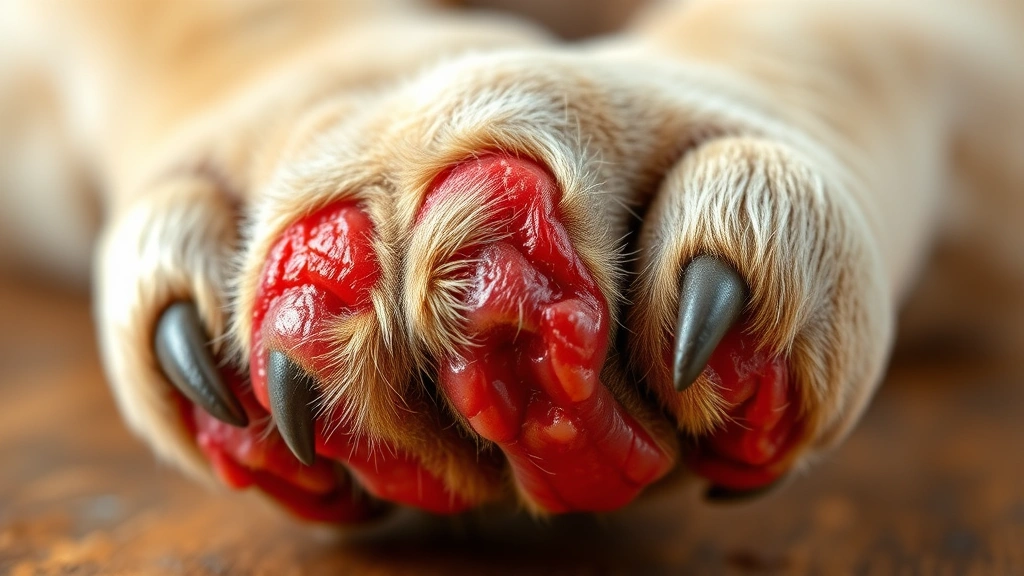
While occasional paw licking is normal, excessive chewing that leads to raw, bleeding, or infected paws is a serious concern. Watch for:
- Visible wounds or bleeding
- Swelling or redness that worsens
- Discharge or pus
- Limping or difficulty walking
- Behavioral changes or lethargy
If you notice any of these signs, contact your vet immediately. Untreated paw chewing can lead to secondary infections that require antibiotics or other intensive treatment.
Home Remedies and Quick Fixes
While you’re working with your vet to address the root cause, these strategies can provide relief:
- Soak their paws: Warm water baths with Epsom salt can soothe irritated skin and reduce inflammation.
- Use protective booties: Keep their paws covered to prevent access and allow healing.
- Apply soothing balms: Dog-safe paw balms or coconut oil can ease irritation.
- Redirect with toys: Offer engaging chew toys to redirect the behavior.
- Keep paws clean: Regularly wash and dry their paws, especially after outdoor time.
Prevention: The Best Medicine
The easiest way to deal with paw chewing is to prevent it in the first place. Here’s your prevention playbook:
- Maintain consistent flea and tick prevention
- Provide a high-quality, balanced diet
- Ensure adequate daily exercise and mental stimulation
- Keep your home clean and free of irritants
- Schedule regular vet checkups to catch issues early
- Manage stress and anxiety through training and enrichment
The Bottom Line
Why does a dog chew on his paws? The answer depends on your individual dog, but it’s almost always fixable. Whether it’s allergies, parasites, anxiety, joint pain, or boredom, the key is identifying the cause and addressing it head-on. Start with a vet visit to rule out medical issues, then work through the behavioral and environmental factors. With patience and the right approach, you can help your pup break the paw-chewing habit and get back to enjoying life without constant itching and discomfort.
Remember: your dog isn’t chewing their paws to annoy you. They’re trying to tell you something’s wrong. Listen to what they’re saying, and you’ll both be happier for it.
Frequently Asked Questions
Is it normal for dogs to chew their paws?
Occasional paw licking is normal—dogs groom themselves just like cats do. However, excessive chewing that leads to redness, swelling, or wounds is not normal and warrants a vet visit. If your dog is constantly gnawing at their paws, something needs attention.
Can I use human lotion on my dog’s paws?
No, avoid human lotions and creams. Many contain ingredients that are toxic to dogs if ingested. Stick to dog-specific paw balms, coconut oil, or products recommended by your vet. When in doubt, ask your veterinarian before applying anything to your dog’s skin.
How long does it take to stop paw chewing?
It depends on the cause. If it’s behavioral, you might see improvement within weeks with consistent redirection and exercise. If it’s allergies, it could take several weeks to months to identify the allergen and see results. Medical issues like infections typically improve within 1-2 weeks of treatment, but always follow your vet’s timeline.
Should I use a cone if my dog won’t stop chewing?
A cone (Elizabethan collar) can prevent your dog from accessing their paws while you treat the underlying issue, but it’s not a long-term solution. Use it as a temporary measure to prevent further damage and infection while you work with your vet to address the root cause. Consider complementary treatments to support healing.
Can diet affect paw chewing?
Absolutely. Food allergies are a common cause of paw chewing. If you suspect a food allergy, ask your vet about an elimination diet or switching to limited-ingredient dog food. It can take 4-6 weeks to see improvement, so patience is key. Keep detailed notes on what you feed your dog and any changes in chewing behavior.
What if my dog only chews one paw?
Chewing just one paw might indicate a localized issue like an injury, thorn, or infection in that specific foot. It could also be a sign of joint pain in that leg. Have your vet examine that paw specifically to rule out trauma or injury before assuming it’s a systemic issue like allergies.





