

Why Does a Dog Drag Its Bum? Common Causes Explained
If you’ve ever witnessed your beloved canine companion scooting across your carpet like a furry little toboggan, you’re not alone. This peculiar behavior, often called “butt dragging” or “scooting,” is one of those dog quirks that makes us simultaneously laugh and wonder what on earth is going on. While it might seem amusing, this behavior is actually your pup’s way of communicating that something needs attention—and it’s usually not something to ignore.
The truth is, why do dogs drag their butt is a question veterinarians hear regularly from concerned pet parents. The answer isn’t always straightforward, as there are multiple culprits behind this behavior. From pesky parasites to dietary issues, understanding the root cause is essential for keeping your furry friend comfortable and healthy.
In this comprehensive guide, we’ll explore the most common reasons your dog might be dragging its bum, when you should call the vet, and how to prevent this uncomfortable situation from happening in the first place. Let’s dive into the nitty-gritty of this peculiar pup behavior.
Anal Gland Issues: The Most Common Culprit
Let’s address the elephant in the room—or rather, the glands in your dog’s rear end. Anal glands are small sacs located on either side of your dog’s anus that produce a distinct-smelling fluid. In healthy dogs, these glands naturally empty when they defecate. However, sometimes they become impacted, infected, or inflamed, causing significant discomfort.
When anal glands aren’t functioning properly, dogs experience an overwhelming urge to relieve the pressure and irritation. This is why they scoot! It’s essentially their way of manually expressing the glands by dragging their posterior across the ground. While this might provide temporary relief, it’s not a permanent solution and often indicates your dog needs professional help.
According to the American Kennel Club, anal gland problems are particularly common in small dog breeds, though any dog can experience them. Symptoms beyond scooting include excessive licking at the rear end, difficulty defecating, or a foul-smelling discharge. Some dogs may also seem overly focused on their hind quarters or show signs of discomfort when sitting.
The good news? A veterinarian can manually express the anal glands, providing immediate relief. In cases of infection or chronic problems, your vet might recommend additional treatments or dietary adjustments. Many vets suggest feeding high-fiber diets to help prevent future impaction issues, as proper stool consistency naturally helps empty the glands during normal bowel movements.

Parasites and Intestinal Worms
Another frequent reason for butt dragging is parasitic infestation. Intestinal worms like roundworms, hookworms, and tapeworms can cause significant itching and irritation around the anal area. Tapeworms, in particular, are notorious for this behavior because they shed segments that look like grains of rice and can be seen in your dog’s stool or around the anus.
If you’re wondering how to tell if your dog has worms, scooting is definitely one of the telltale signs. Other indicators include visible worms in stool or vomit, weight loss despite normal appetite, and a dull coat. Puppies and dogs who spend time outdoors or eat raw meat are at higher risk.
The ASPCA recommends regular deworming as part of your dog’s preventive care routine. Most puppies should be dewormed every two weeks until twelve weeks old, then monthly until six months. Adult dogs typically need deworming at least twice yearly, though more frequent treatment may be necessary depending on lifestyle and risk factors.
Prevention is key when it comes to parasites. Ensure your dog is on a quality flea and tick prevention medication year-round, keep their living environment clean, and avoid feeding raw or undercooked meat. If you suspect parasites, your veterinarian can perform a fecal examination to confirm the diagnosis and prescribe appropriate treatment.
Skin Conditions and Allergies
Sometimes the itching that causes butt dragging originates from skin issues rather than internal problems. Allergies, whether food-based or environmental, can trigger inflammation and itching in the anal area. Dogs with allergies often exhibit multiple signs beyond scooting, including excessive scratching, licking of paws, ear infections, and red, inflamed skin.
Yeast infections are another common skin culprit, particularly in dogs with floppy ears or those who spend considerable time in water. These fungal infections thrive in moist environments and can cause intense itching. Similarly, what causes hot spots on dogs sometimes involves the anal region, leading to localized inflammation and discomfort.
Bacterial infections can also develop if your dog has been scratching excessively, breaking the skin barrier. This creates a cycle: itching leads to scratching, scratching causes breaks in the skin, and bacteria colonize the area, increasing irritation and itching further.
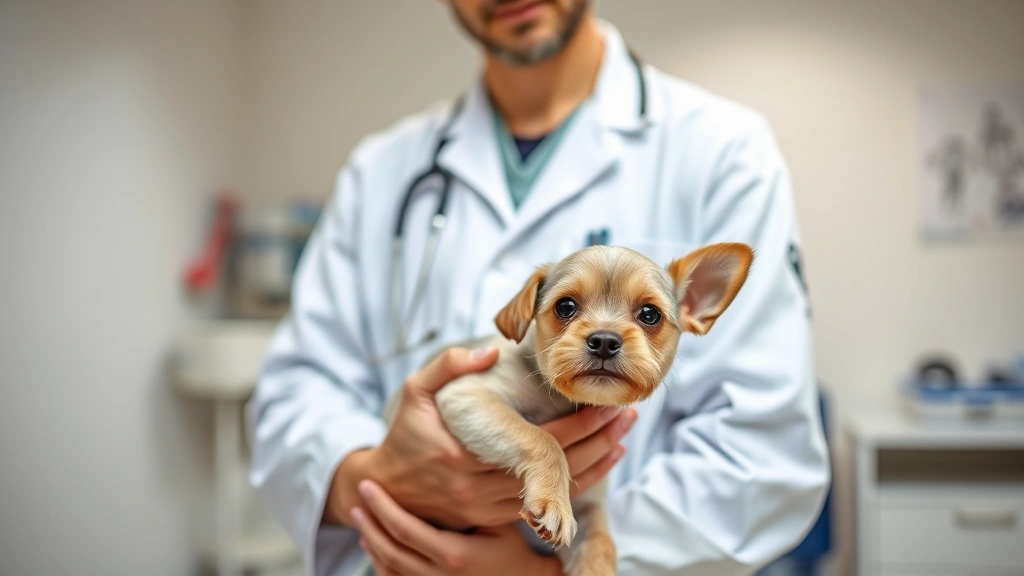
To address skin-related scooting, your veterinarian might recommend allergy testing, dietary changes, or topical treatments. Omega-3 supplements can support skin health and reduce inflammation. Additionally, ensuring your dog maintains proper hygiene and keeping the anal area clean and dry helps prevent secondary infections.
Dietary Factors and Digestive Issues
Your dog’s diet plays a surprisingly significant role in anal gland health and overall digestive comfort. Dogs consuming low-quality diets or foods they’re sensitive to often experience soft stools or diarrhea. When stool consistency isn’t firm enough, the anal glands don’t empty properly during defecation, leading to impaction and subsequent scooting.
Insufficient fiber is another dietary culprit. Fiber promotes healthy digestion and helps create the firm stools necessary for natural anal gland expression. If your dog’s food lacks adequate fiber, they may be more prone to anal gland issues. Conversely, some dogs experience digestive upset from excessive fiber, so balance is essential.
Food allergies or sensitivities can also manifest as digestive issues leading to scooting. Common allergens include chicken, beef, wheat, and corn. If your dog frequently scoots and shows other signs like vomiting, diarrhea, or skin problems, consider discussing an elimination diet with your veterinarian to identify potential triggers.
The quality of your dog’s diet matters significantly. Premium, well-balanced foods with appropriate fiber content and high-quality protein sources support digestive health better than budget brands filled with fillers and artificial ingredients. Your veterinarian can recommend appropriate diet options based on your dog’s specific needs and health status.
Behavioral and Other Reasons
While less common than medical causes, behavioral reasons can occasionally explain why your dog drags its bum. Some dogs may develop this habit simply because they’ve done it once and discovered it feels good or gets your attention. If your dog learned that scooting results in concerned reactions or playtime, they might repeat the behavior even without a medical trigger.
Boredom and anxiety can also play a role. Dogs experiencing stress or insufficient mental stimulation might engage in repetitive behaviors, including scooting. If medical causes have been ruled out and your dog only scoots during certain times or situations, behavioral factors might be at play.
Additionally, some dogs scoot simply because they have an itch they can’t quite reach with their teeth or by scratching with their hind legs. Just like why do dogs lick their paws, occasional self-grooming is normal, but excessive scooting warrants investigation.
Occasionally, post-anal gland expression or grooming can cause temporary irritation that resolves quickly. However, if scooting persists beyond a few days, medical evaluation is recommended.
When to Contact Your Veterinarian
While occasional scooting might not be cause for alarm, certain situations warrant immediate veterinary attention. If your dog scoots frequently, shows signs of pain or discomfort, or if you notice discharge, bleeding, or foul odors from the anal area, schedule a vet appointment promptly.
Other red flags include sudden onset scooting combined with lethargy, loss of appetite, or vomiting. These symptoms might indicate a more serious underlying condition requiring professional diagnosis. Similarly, if scooting persists despite home care attempts or worsens over time, professional evaluation is essential.
Don’t wait if your dog shows signs of infection such as swelling, warmth, or drainage from the anal area. Anal gland abscesses can rupture if left untreated, causing serious complications. Your veterinarian can determine whether antibiotics or other interventions are necessary.
Young puppies and senior dogs warrant special attention. Puppies might scoot due to parasites or retained deciduous teeth affecting the area, while older dogs may have more complex health issues. When in doubt, it’s always better to have a professional evaluate your dog’s behavior.
Prevention and Treatment Tips
Prevention is always preferable to treatment. Here are evidence-based strategies to minimize the likelihood of your dog experiencing scooting issues:
- Maintain regular veterinary check-ups: Annual exams (or twice yearly for senior dogs) allow your vet to catch problems early.
- Feed a high-quality diet: Choose foods with appropriate fiber content and quality ingredients. Discuss options with your veterinarian.
- Ensure adequate hydration: Proper water intake supports digestive health and stool consistency.
- Provide regular exercise: Physical activity promotes healthy digestion and overall wellness.
- Maintain parasite prevention: Keep your dog on veterinarian-recommended flea, tick, and worm prevention year-round.
- Practice good hygiene: Keep your dog’s anal area clean and dry, especially after bathing or outdoor activities.
- Monitor for allergies: Watch for signs of food or environmental allergies and discuss concerns with your vet.
- Add fiber supplements: If your vet recommends it, pumpkin puree or specialized fiber supplements can support digestive health.
When treatment is necessary, your veterinarian might recommend manual anal gland expression, antibiotics for infections, antifungal treatments for yeast, or dietary modifications. In chronic cases, some vets suggest expressing anal glands regularly as part of grooming maintenance, though this should be done by professionals to avoid injury.
Natural supplements like probiotics can support gut health and may help prevent digestive issues leading to scooting. However, always consult your veterinarian before starting any supplement regimen, as some may interact with medications or not be appropriate for your dog’s specific situation.
For dogs with chronic anal gland issues, your vet might recommend high-fiber prescription diets or suggest adding psyllium husk to their regular food. Some owners find that switching to a raw or fresh diet improves stool consistency and reduces anal gland problems, though this approach requires careful nutritional planning.
Frequently Asked Questions
Is it normal for dogs to scoot occasionally?
Occasional scooting, especially after a bowel movement, is relatively common and usually not concerning. However, frequent or persistent scooting indicates an underlying issue requiring veterinary evaluation. If your dog scoots multiple times daily or for several consecutive days, contact your veterinarian.
Can I express my dog’s anal glands at home?
While some experienced pet owners do this, it’s generally recommended to have a veterinarian or professional groomer perform anal gland expression. Improper technique can cause injury, infection, or worsen the problem. Your vet can teach you the proper method if home expression becomes necessary for your dog’s specific situation.
What’s the difference between anal gland issues and parasites?
Anal gland issues cause localized discomfort around the anus, leading to scooting and licking. Parasites, particularly tapeworms, cause itching in the same area but may also cause systemic symptoms like weight loss and visible worms in stool. A veterinarian can distinguish between these conditions through examination and testing.
How long does it take to treat anal gland problems?
Manual expression provides immediate relief, though symptoms may return if the underlying cause isn’t addressed. Dietary changes typically take two to four weeks to show improvement. Infections require antibiotics, usually showing improvement within five to seven days. Chronic issues may require ongoing management strategies.
Can diet alone prevent anal gland problems?
Diet is a significant factor but not the only consideration. While high-fiber foods and proper hydration support anal gland health, some dogs require additional interventions. Regular veterinary care, parasite prevention, and attention to allergies are equally important in preventing scooting issues.
Is anal gland scooting painful?
Yes, anal gland impaction and infection are uncomfortable and often painful for dogs. If your dog seems distressed, has difficulty sitting, or shows signs of pain, seek veterinary care promptly. Pain management and appropriate treatment can provide relief relatively quickly.
Should I be concerned if my puppy scoots?
Puppies may scoot due to parasites, retained baby teeth affecting the area, or anal gland issues. Since parasites are common in puppies and easily treatable, this should be your first consideration. Contact your veterinarian for examination and fecal testing if your puppy scoots regularly.
Can grooming help prevent anal gland problems?
Regular bathing and grooming keep the anal area clean and healthy. Some professional groomers include anal gland expression as part of their service, which can help prevent problems. However, this should only be done if necessary and preferably under veterinary guidance.
Understanding why is my dog dragging his butt is the first step toward addressing this uncomfortable issue. Whether the cause is anal gland impaction, parasites, allergies, or dietary factors, professional veterinary evaluation ensures proper diagnosis and treatment. By maintaining preventive care, feeding a quality diet, and staying alert to your dog’s health, you can minimize the likelihood of scooting issues and keep your furry friend comfortable and happy. Remember, your dog can’t tell you what’s wrong, so when unusual behaviors emerge, it’s always worth investigating with your trusted veterinarian.





