
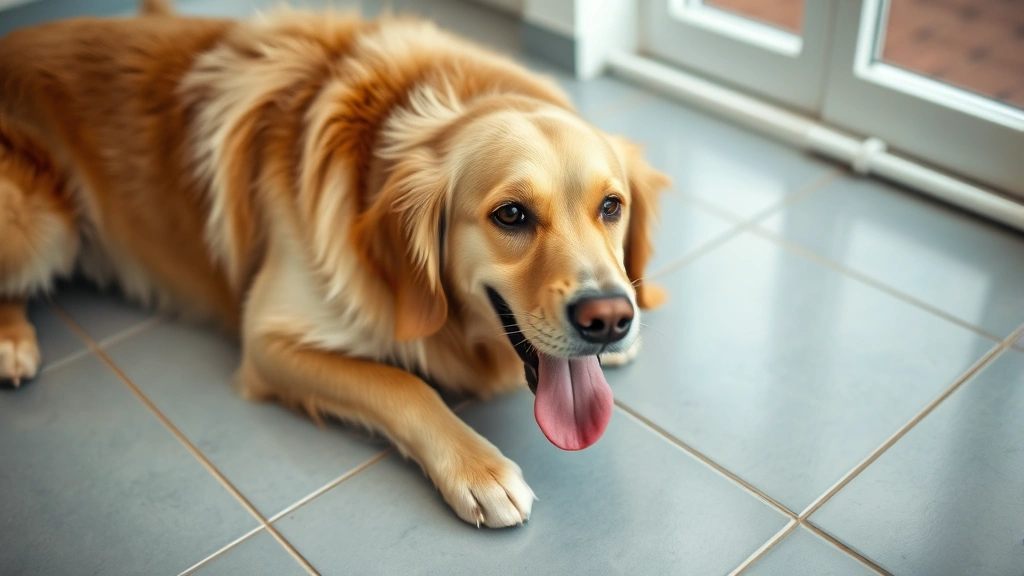
Why does a dog pant? If you’ve ever watched your furry best friend huffing and puffing like they just ran a marathon (when they’ve been napping all day), you’re not alone in wondering what’s going on. Dog panting is one of those behaviors that can mean absolutely nothing—or everything. It’s the canine equivalent of a check engine light, and honestly, sometimes it’s just because they’re hot.
Table of Contents
- The Normal Panting: When Your Dog Is Just Chilling Out
- Heat Stress and Overheating: The Summer Nemesis
- Anxiety and Stress: When Your Dog’s Nerves Are Shot
- Pain and Discomfort: When Panting Signals Something Serious
- Respiratory and Airway Issues: Breathing Problems
- Medical Conditions: When Your Dog’s Health Needs Attention
- Excitement and Happiness: The Tail-Wagging Pant
- Age-Related Panting: Senior Dogs and Their Changes
- When to Call the Vet: Red Flags You Can’t Ignore
- Managing Panting: Practical Tips for Dog Owners
- The Bottom Line: Trust Your Gut
- Frequently Asked Questions
Here’s the thing: panting is totally normal for dogs. They don’t sweat like humans do (except through their paw pads, which is adorable and useless for cooling), so panting is their primary way to regulate body temperature. But when your pup is panting excessively, at weird times, or accompanied by other symptoms, it’s time to put on your detective hat and figure out what’s happening.
The Normal Panting: When Your Dog Is Just Chilling Out
Let’s start with the good news. Most of the time, when your dog is panting, it’s completely normal and nothing to stress about. Dogs pant for the same reason you’d take off your jacket on a hot day—thermoregulation. Their body temperature runs hotter than ours (around 101-102.5°F), and panting helps them cool down by evaporating moisture from their tongue, mouth, and respiratory tract.
You’ll notice normal panting after exercise, playtime, or when it’s warm outside. Your dog might be lounging on the kitchen tile floor with their tongue hanging out, looking absolutely ridiculous and perfectly content. This is healthy panting. Their breathing is rhythmic, they’re alert, and there are no other concerning signs.
Some breeds are also just more prone to panting than others. Brachycephalic breeds—those adorable flat-faced dogs like Bulldogs, Pugs, and French Bulldogs—pant more frequently because they have a harder time cooling themselves due to their shortened airways. It’s one of the downsides of selective breeding, unfortunately.

Heat Stress and Overheating: The Summer Nemesis
Excessive panting in hot weather is your dog’s way of screaming, “I’m too hot!” This is especially dangerous because dogs can overheat quickly, and heat stroke is a genuine emergency. Unlike humans, dogs can’t sweat efficiently, so they rely entirely on panting and seeking shade or cool surfaces.
Signs that your dog is overheating include rapid panting, drooling excessively, lethargy (check out our guide on lethargic dogs for more info), red gums, and glazed eyes. In severe cases, they might vomit, have diarrhea, or collapse. If you suspect heat stroke, get your dog to a cool place immediately, offer water, and contact your vet right away.
Prevention is key here. Never leave your dog in a hot car (seriously, not even for five minutes), provide plenty of shade and fresh water during hot months, and avoid exercising your pup during peak heat hours. Early morning or evening walks are your friends during summer.
Anxiety and Stress: When Your Dog’s Nerves Are Shot
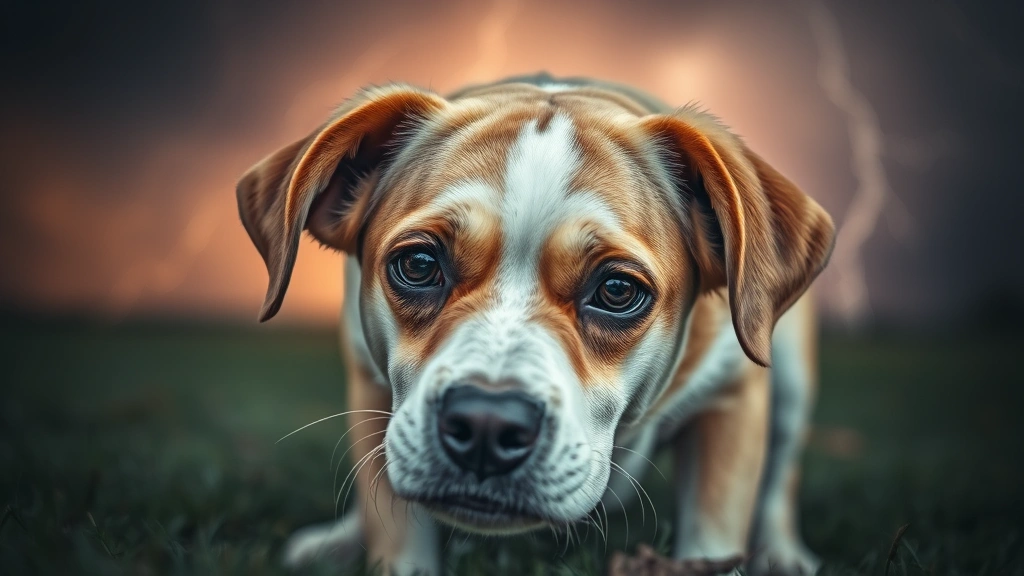
Dogs pant when they’re anxious, stressed, or scared. Thunderstorms, fireworks, vet visits, or even just a change in routine can trigger stress panting. You might notice your dog panting heavily, pacing, whining, or trying to hide. They’re basically having a mini panic attack, and their body is responding accordingly.

Stress-related panting is often accompanied by other behavioral signs like tail tucking, ears pinned back, or excessive yawning. Some dogs are naturally more anxious than others, and that’s okay. If your dog is a chronic stress-panter, talk to your vet about anxiety management options. Sometimes behavior modification, training, or even medication can help.
The good news? Once the stressful situation passes, the panting usually stops. It’s your dog’s way of processing emotions, and it’s actually a sign they’re dealing with their feelings (in their own doggy way).
Pain and Discomfort: When Panting Signals Something Serious
This is where panting gets concerning. Dogs often pant excessively when they’re in pain or experiencing discomfort. They can’t tell us where it hurts, so panting becomes one of their pain signals. If your dog is panting at rest, panting more than usual, or panting combined with other symptoms like limping, whining, or behavioral changes, pain might be the culprit.
Common causes of pain-related panting include arthritis, injuries, dental disease, or post-surgical discomfort. Older dogs especially tend to pant more as their bodies ache. If you suspect pain, don’t wait around—schedule a vet visit. Your vet can perform a physical exam and potentially run diagnostics to pinpoint the issue.

Respiratory and Airway Issues: Breathing Problems
Certain respiratory conditions cause excessive panting because your dog is working harder to breathe. Laryngeal paralysis in dogs is one example where the vocal cords don’t function properly, making breathing difficult and increasing panting. Other conditions like pneumonia, bronchitis, or collapsed trachea can also lead to increased panting.
If your dog’s panting sounds different—raspier, wheezier, or more labored—that’s a red flag. You might also notice reverse sneezing, coughing, or difficulty exercising. These dogs need veterinary attention because they’re essentially struggling to get enough oxygen. Respiratory issues aren’t something to ignore.
Breeds with shorter muzzles are predisposed to airway problems, which is why they tend to pant more heavily. If you have a brachycephalic breed, be extra vigilant about monitoring their breathing.
Medical Conditions: When Your Dog’s Health Needs Attention
Several medical conditions can cause excessive panting. Cushing’s disease (hyperadrenocorticism) is notorious for causing increased panting because it messes with your dog’s hormones and metabolism. Thyroid issues, fever from infections, or even allergies can trigger panting.
Toxin exposure is another serious concern. If your dog ate something toxic—like chocolate or other poisonous substances—they might pant as their body tries to cope with the toxin. Heart disease can also cause panting because the heart isn’t pumping blood efficiently, making your dog work harder to get oxygen.
Certain medications can increase panting too. If your dog just started a new medication like Apoquel for allergies, check the side effects or ask your vet if panting is a known reaction.
Excitement and Happiness: The Tail-Wagging Pant
Not all panting is bad news! Dogs also pant when they’re excited or happy. That light, rhythmic panting you see when you grab the leash or pull out the tennis ball? That’s pure joy. Your dog is thrilled, and their body is responding with enthusiasm.
This type of panting is easy to distinguish from concerning panting because it’s usually accompanied by a wagging tail, bright eyes, and playful behavior. Your dog isn’t distressed—they’re stoked. It’s one of the cutest things about owning a dog, honestly.

Age-Related Panting: Senior Dogs and Their Changes
As dogs age, they tend to pant more frequently. Older dogs have a harder time regulating body temperature, their respiratory systems aren’t as efficient, and they might be experiencing pain from arthritis or other age-related conditions. Senior panting is often a combination of factors rather than one single issue.
If you have an older dog who’s recently started panting more, it’s worth a vet visit to rule out any underlying health issues. Sometimes it’s just normal aging, but sometimes it’s your dog’s way of telling you they need some extra support. Supplements, medication, or lifestyle adjustments might help.
When to Call the Vet: Red Flags You Can’t Ignore
Okay, so when does panting warrant a vet visit? Here’s your checklist:
- Excessive panting at rest—your dog is panting heavily without any obvious reason
- Sudden change in panting patterns—your dog never panted much, and now they won’t stop
- Panting plus other symptoms—lethargy, vomiting, diarrhea, coughing, or behavioral changes
- Labored breathing—the panting sounds strained or wheezy
- Pale or blue gums—this indicates oxygen deprivation and is an emergency
- Collapse or fainting—get to the vet immediately
- Recent toxin exposure—if your dog ate something potentially poisonous
- Post-surgery or post-injury panting—if it seems excessive or prolonged
When in doubt, call your vet. They can evaluate your dog and determine if panting is normal or a sign of something that needs treatment. Better safe than sorry with our furry friends.

Managing Panting: Practical Tips for Dog Owners
Once you’ve figured out why your dog is panting, here are some practical strategies to help manage it:
Keep them cool: Provide shade, fresh water, and cool surfaces like tile floors or cooling mats. In summer, adjust exercise schedules to avoid peak heat hours.
Reduce stress: Create a calm environment, use calming supplements or diffusers, and consider professional training if anxiety is severe.
Maintain healthy weight: Overweight dogs have a harder time cooling themselves. A healthy weight reduces strain on their respiratory and cardiovascular systems.
Regular vet checkups: Catch health issues early before they become serious problems.
Monitor medications: If your dog is on medication, watch for side effects and discuss any concerns with your vet.
Support senior dogs: Provide orthopedic bedding, consider joint supplements, and adjust activity levels as needed.
The Bottom Line: Trust Your Gut
Why does a dog pant? The answer could be anything from “it’s hot outside” to “I’m about to get a treat” to “something’s seriously wrong.” The key is knowing your dog and recognizing when their panting is normal versus when it’s a warning sign.
Most panting is harmless and totally normal. But if your dog’s panting seems excessive, sudden, or accompanied by other symptoms, don’t hesitate to contact your vet. Dogs can’t tell us what’s wrong, so we have to be their advocates. Trust your gut—if something feels off, it probably is.
Keep your dog cool, reduce their stress when possible, maintain regular vet visits, and pay attention to changes in their behavior. Your dog’s panting might just be their way of saying they’re happy, hot, or excited. But sometimes, it’s their way of asking for help. And that’s what we’re here for.
Frequently Asked Questions
Is excessive panting in dogs always a sign of illness?
No, excessive panting isn’t always a sign of illness. Dogs pant for many reasons including heat, exercise, excitement, stress, and anxiety. However, if panting is sudden, occurs at rest, or is accompanied by other symptoms like lethargy or behavioral changes, it warrants a vet visit to rule out health issues.
Why do dogs pant when they’re not hot?
Dogs pant when they’re not hot for several reasons: stress and anxiety, pain or discomfort, excitement and happiness, respiratory issues, or underlying medical conditions like Cushing’s disease or thyroid problems. Context and accompanying symptoms help determine the cause.

Can panting indicate serious health problems?
Yes, panting can indicate serious health problems including heat stroke, respiratory disease, heart disease, pain, infection, or toxin exposure. If your dog is panting excessively, showing labored breathing, or displaying other concerning symptoms, contact your vet immediately.
How can I help my dog stop panting?
The solution depends on the cause. For heat-related panting, provide cool water and shade. For stress panting, create a calm environment. For pain-related panting, consult your vet for pain management. For medical conditions, follow your vet’s treatment recommendations. If you’re unsure of the cause, schedule a vet visit.
Is panting a sign of anxiety in dogs?
Yes, panting is a common sign of anxiety in dogs. Anxious dogs often pant, pace, whine, and display other stress behaviors. If your dog pants during thunderstorms, fireworks, or vet visits, anxiety is likely the cause. Behavior modification and sometimes medication can help.
When should I be worried about my dog panting?
Worry when panting is excessive at rest, sudden in onset, accompanied by other symptoms (lethargy, vomiting, coughing), labored or strained, or associated with pale/blue gums. Also be concerned if your dog recently ingested something toxic, like in cases where Lyme disease or other infections are present. Contact your vet if you’re uncertain.





