
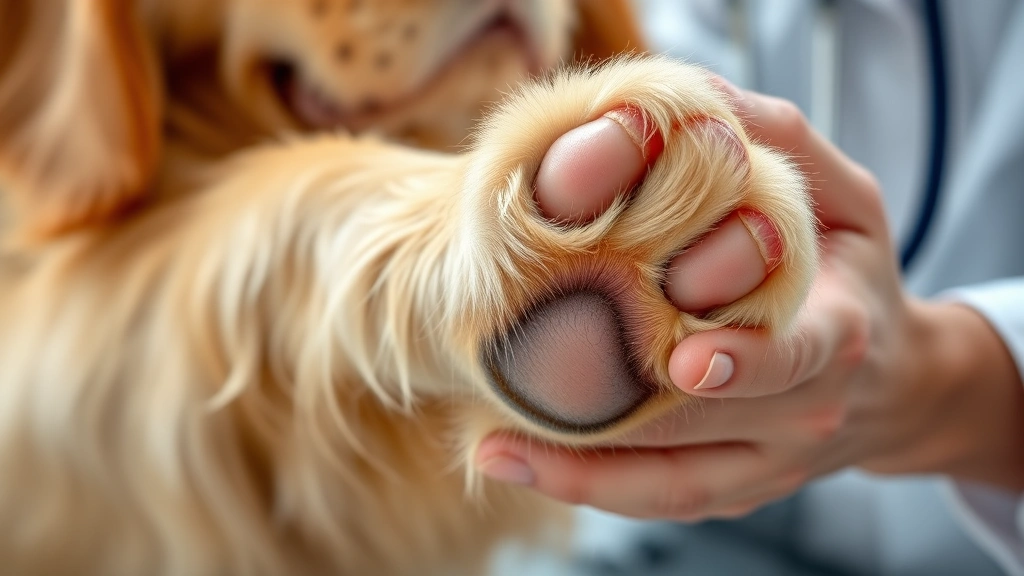
If you’ve caught your furry friend gnawing on their own paws like they’re the world’s most delicious chew toy, you’re probably wondering: why does dog chew feet? It’s one of those quirky canine behaviors that can range from totally harmless to a red flag for underlying health issues. The good news? We’re about to break down exactly what’s going on in that adorable doggy brain—and more importantly, how to fix it.
Table of Contents
- The Reality Check: Is Foot Chewing Normal?
- Cause #1: Allergies Are the Usual Culprit
- Cause #2: Parasites and Skin Infections
- Cause #3: Anxiety and Boredom Behaviors
- Cause #4: Pain or Injury
- Cause #5: Nutritional Deficiencies and Medical Conditions
- How to Diagnose the Root Cause
- Solutions That Actually Work
- When to Call the Vet Immediately
- Prevention Tips for the Future
- Frequently Asked Questions
- Conclusion: Your Dog’s Feet Deserve Better
The Reality Check: Is Foot Chewing Normal?
Let’s be real: most dogs chew their feet occasionally. It’s like how humans pick at their cuticles—annoying, but not necessarily catastrophic. However, when your pup turns their paws into an all-day snack bar, that’s when we need to investigate. Excessive foot chewing (also called acral lick dermatitis in veterinary circles) can lead to raw skin, infections, and one very uncomfortable doggo. The key is understanding whether this is boredom-induced chewing or something more serious that requires veterinary attention.
Cause #1: Allergies Are the Usual Culprit
If there’s a MVP award for why dogs chew their feet, allergies would win it every single time. Dogs experience allergies just like humans do—whether it’s food allergies, environmental allergies (pollen, dust mites), or contact allergies (that new carpet shampoo). When allergens irritate their skin, especially between the toes and on the paw pads, dogs naturally gravitate toward chewing to relieve the itch. It’s their version of scratching an itch you can’t quite reach.
Food allergies are particularly sneaky because they often cause itching in the paws and ears first. Common culprits include chicken, beef, wheat, and corn. If your dog is scratching and chewing more during certain seasons, environmental allergies are likely the villain. Consider exploring limited ingredient dog food options if you suspect food sensitivities.
Cause #2: Parasites and Skin Infections
Nothing gets a dog’s attention like uninvited guests living on their skin. Fleas, mites, lice, and other parasites cause intense itching that drives dogs absolutely bonkers. Even if you don’t see visible fleas, they could still be the problem—flea allergy dermatitis means your dog reacts severely to just one or two bites. Bacterial or yeast infections can also colonize the paw area, especially in dogs with floppy ears or those who spend lots of time in damp environments. Wet paws are basically a five-star resort for fungal infections.
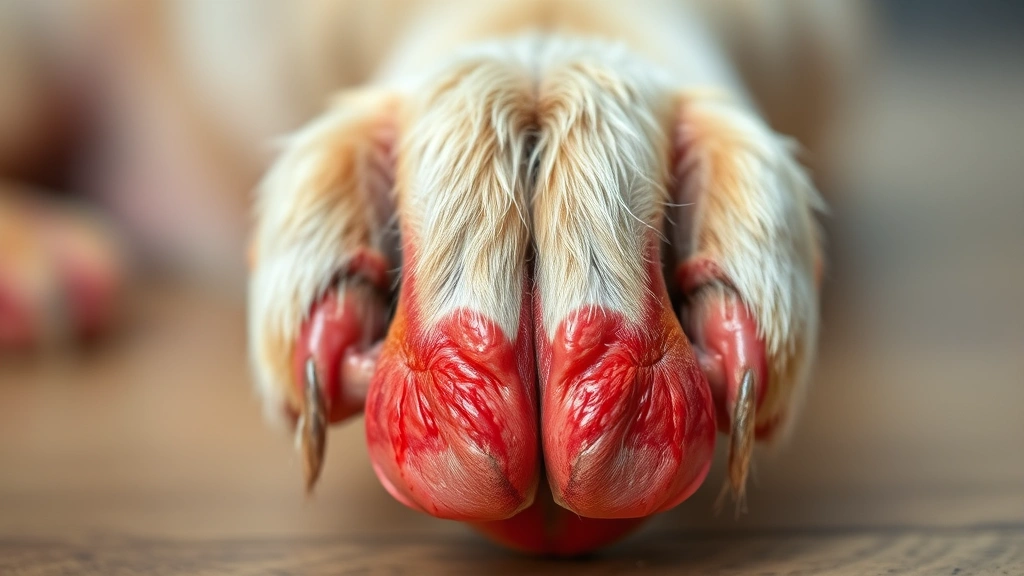
If your dog’s foot chewing is accompanied by redness, swelling, odor, or discharge, get them to a vet ASAP. These signs indicate infection that won’t resolve without professional treatment.
Cause #3: Anxiety and Boredom Behaviors
Some dogs chew their feet for the same reason humans stress-eat ice cream—emotional regulation. Separation anxiety, general anxiety, or plain old boredom can manifest as repetitive foot chewing. This is especially common in high-energy breeds left alone for long periods or dogs who don’t get enough mental stimulation. The chewing becomes a self-soothing mechanism, almost like a bad habit.
If your dog only chews their feet when you leave for work or during thunderstorms, anxiety is likely the culprit. These pups need more exercise, puzzle toys, and possibly behavioral training or medication to break the cycle.
Cause #4: Pain or Injury
Sometimes dogs chew their feet because something genuinely hurts. A thorn stuck between the toes, a cut pad, arthritis in the joint, or even a sprain can make your dog obsess over that specific foot. They’re basically trying to nurse their own wound—instinctively, but not always effectively. Older dogs with joint pain might chew their feet more as they age, similar to how humans with lethargy in dogs related to chronic pain show behavioral changes.

Check your dog’s feet regularly for visible injuries, swelling, or heat. If they’re limping or only chewing one foot, pain is worth investigating with your vet.
Cause #5: Nutritional Deficiencies and Medical Conditions
Less common but still worth mentioning: some dogs chew their feet due to nutritional imbalances, hormonal issues (like hypothyroidism), or autoimmune conditions. Zinc deficiency, for example, can cause skin problems and excessive licking. Cushing’s disease and other endocrine disorders can also increase itching and foot chewing. If your dog has other symptoms like weight gain, hair loss, or behavior changes, a full veterinary workup is essential.
How to Diagnose the Root Cause
Here’s where you play detective. Start by observing patterns: Does your dog chew more when it’s humid outside? After eating certain foods? When left alone? During specific times of year? Document these observations for your vet—they’re gold. Your veterinarian might recommend allergy testing, skin scrapings to check for mites, fungal cultures, or bloodwork to rule out systemic issues. Don’t skip this step; treating the symptom without addressing the cause is like putting a band-aid on a broken leg.
Solutions That Actually Work
Once you’ve identified the cause, treatment becomes straightforward. For allergies, you might try elimination diets, hypoallergenic dog food, or medications like antihistamines. Some vets recommend alternatives to Apoquel for dogs if you’re looking for different management options. Parasites require appropriate flea and tick prevention—talk to your vet about the best option for your dog’s age and health status.
For anxiety-based chewing, increase exercise (at least 30 minutes of vigorous activity daily), provide enrichment toys, and consider consulting a certified dog behaviorist. Some dogs benefit from anxiety medication or calming supplements. Pain-related chewing requires addressing the underlying injury or condition—whether that’s physical therapy, pain medication, or surgery.
Environmental management matters too. Keep your dog’s paws clean and dry, especially after walks. Trim the hair between toes to reduce moisture buildup. If your dog has a Lyme disease history or tick exposure, ensure they’re on proper prevention. And yes, sometimes the solution is as simple as providing better chew alternatives—like appropriate chew toys instead of sticks.
When to Call the Vet Immediately
Don’t wait if you notice: open wounds or bleeding, signs of infection (pus, swelling, heat, foul odor), limping or inability to bear weight, hair loss from chewing, or if the behavior started suddenly. These warrant urgent veterinary attention. Also, if your dog has been chewing for more than a few weeks without improvement, professional help is necessary.
Prevention Tips for the Future
Once you’ve tackled the foot-chewing problem, keep it from coming back. Maintain a consistent grooming routine, stay on top of flea and tick prevention, feed high-quality nutrition, and ensure adequate exercise and mental stimulation. Regular vet checkups catch problems early. Keep your dog’s environment clean and dry, especially their bedding and paw areas. And remember: sometimes the best medicine is simply paying attention to your dog’s behavior and addressing issues before they escalate into chronic problems.
Frequently Asked Questions
Is it normal for dogs to chew their feet?
Occasional foot chewing is normal, but excessive chewing indicates an underlying issue—whether allergies, parasites, anxiety, or pain. If your dog is constantly gnawing at their paws or causing visible damage, it’s time for a vet visit.
How can I tell if my dog has allergies?
Allergy signs include excessive itching (especially on paws and ears), red or inflamed skin, frequent ear infections, and seasonal patterns. Your vet can perform allergy testing or recommend an elimination diet to identify specific allergens.
What’s the fastest way to stop my dog from chewing their feet?
Identify the root cause first—that’s the fastest path to a solution. In the meantime, use an Elizabethan collar to prevent damage, provide appropriate chew toys, and ensure your dog gets enough exercise and mental stimulation.
Can anxiety cause foot chewing in dogs?
Absolutely. Stress, separation anxiety, and boredom can all trigger repetitive foot chewing as a self-soothing behavior. These dogs typically need more exercise, enrichment, behavioral training, or sometimes medication to resolve the issue.
Should I use topical treatments on my dog’s feet?
Only if your vet recommends them. Applying treatments without addressing the underlying cause is ineffective. Your vet might prescribe medicated shampoos, antifungal creams, or antibiotics depending on the diagnosis.
Conclusion: Your Dog’s Feet Deserve Better
Why does dog chew feet? The answer depends entirely on your individual pup, but now you know the main culprits: allergies, parasites, anxiety, pain, or nutritional issues. The key to solving this behavior is observation, professional diagnosis, and targeted treatment. Don’t ignore persistent foot chewing—it’s your dog’s way of telling you something’s wrong. Get them checked by a vet, follow through with recommended treatment, and watch your furry friend return to normal, happy paw-dom. Your dog will thank you with fewer gnawed toes and more energy for the things that actually matter: tail wags, belly rubs, and unconditional love.





