
If you’ve ever wondered why does dog poop turn white, you’re not alone—this is one of the most common questions pet owners ask their vets. That chalky, pale stool sitting in your yard isn’t just gross; it’s actually your dog’s way of sending an SOS signal about their health. The good news? Most causes are totally manageable once you understand what’s going on.
Table of Contents
- The Calcium Overload Problem
- Raw Diet and Bone Content Concerns
- Digestive Issues and Malabsorption Syndrome
- Pancreatic Problems and Enzyme Deficiency
- Liver and Bile Duct Dysfunction
- Dietary Factors Beyond Calcium
- Parasites and Intestinal Infections
- When to Worry vs. When to Relax
- How to Fix White Dog Poop
- Prevention Tips for Healthy Stool
- Frequently Asked Questions
- Conclusion
White or pale dog poop is usually a sign that something’s off with your pup’s digestive system, diet, or overall health. Sometimes it’s harmless, but other times it warrants a trip to the vet. Let’s dig into the dirt (pun intended) and figure out what’s really happening in your dog’s gut.
The Calcium Overload Problem
The most common culprit behind white dog poop is excessive calcium in your dog’s diet. When dogs consume too much calcium—whether through supplements, bone-heavy meals, or certain commercial foods—their bodies can’t absorb it all. The excess calcium gets excreted through their stool, which gives it that distinctive white or chalky appearance.
This is especially common in dogs fed raw diets heavy on bones or those given calcium supplements without proper veterinary guidance. Is calcium good for dogs? The answer is yes, but moderation is key. Too much of a good thing becomes a bad thing fast. If your dog’s diet includes bone meal or other calcium supplements, that could be your answer right there.
Large breed puppies are particularly susceptible to calcium imbalances because they have such high nutrient requirements during growth phases. Overfeeding calcium to growing dogs can actually cause skeletal problems, so it’s crucial to get the balance right.
Raw Diet and Bone Content Concerns
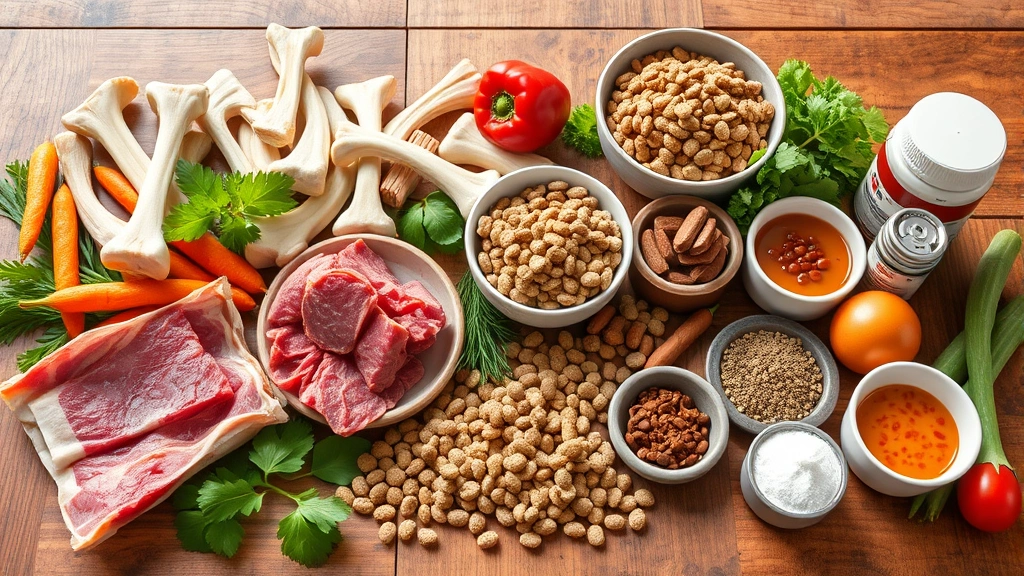
Raw feeding has become increasingly popular among dog owners, but it comes with its own set of challenges. Dogs on raw diets—especially those consuming whole bones or high bone content—frequently experience white or pale stools. The bones themselves are essentially calcium deposits, so when your dog crunches through a chicken carcass or meaty bone, they’re consuming concentrated amounts of this mineral.
While raw diets can be nutritionally complete when properly balanced, many owners don’t realize just how much calcium they’re inadvertently adding. The white poop is essentially undigested or excess mineral content passing through your dog’s system. If you’re feeding raw and noticing this issue, consider adjusting the bone-to-meat ratio or consulting with a veterinary nutritionist.
Digestive Issues and Malabsorption Syndrome
Sometimes white poop signals that your dog’s digestive system isn’t working properly. Malabsorption syndrome occurs when a dog’s intestines can’t properly absorb nutrients and minerals from food. This can happen due to pancreatitis, inflammatory bowel disease (IBD), or other gastrointestinal disorders.
When your dog’s gut is inflamed or damaged, it can’t process minerals efficiently, leading to white or pale stools. Other signs of malabsorption include chronic diarrhea, weight loss despite eating well, and a dull coat. If you notice white poop combined with these symptoms, a vet visit is definitely in order. Your vet might recommend dietary changes or medication to address the underlying issue.
Pancreatic Problems and Enzyme Deficiency
The pancreas plays a crucial role in digestion by producing enzymes that break down food. When the pancreas isn’t functioning properly—whether due to pancreatitis or exocrine pancreatic insufficiency (EPI)—your dog can’t digest food effectively. This leads to pale, chalky, or clay-colored stools.
Dogs with pancreatic issues often have multiple symptoms: greasy or fatty stools, excessive eating without weight gain, and digestive discomfort. EPI is particularly common in German Shepherds and other large breeds. The good news is that pancreatic enzyme supplements can help manage this condition, making digestion easier and normalizing stool color.
Liver and Bile Duct Dysfunction
Your dog’s liver produces bile, which is essential for breaking down fats and giving stool its normal brown color. When the liver isn’t functioning optimally or bile ducts are blocked, bile doesn’t reach the intestines properly. The result? White, pale, or clay-colored poop.
Liver issues might also cause yellowing of the gums or eyes, lethargy, or loss of appetite. These are serious warning signs that require immediate veterinary attention. Liver problems can range from mild inflammation to serious disease, so don’t ignore these symptoms.
Dietary Factors Beyond Calcium
Beyond calcium content, other dietary factors can influence stool color. High-fat diets, certain protein sources, and food allergies can all affect how your dog’s digestive system processes food. Some dogs on premium or limited ingredient diets experience white poop, especially if the food contains high levels of bone meal or mineral supplements.
Limited ingredient dog foods are great for dogs with sensitivities, but you’ll want to check the mineral content. Additionally, protein sources like lamb meat can affect digestion differently than chicken or beef, potentially influencing stool appearance.
If you’ve recently switched your dog’s food, that could easily explain the white poop. Give it a week or two for their system to adjust, but if the issue persists, try a different formula or consult your vet.
Parasites and Intestinal Infections
Certain parasites and intestinal infections can cause white or pale stools in dogs. Worms, giardia, and bacterial infections all interfere with normal digestion and nutrient absorption. You might also notice mucus in the stool, diarrhea, or visible worms.
Parasitic infections are particularly common in puppies and dogs with compromised immune systems. Regular deworming and parasite prevention are essential parts of dog care. If you suspect parasites, your vet can run fecal tests to identify the culprit and prescribe appropriate treatment.
When to Worry vs. When to Relax
Not every instance of white poop requires an emergency vet visit. If your dog is otherwise healthy, eating well, maintaining a good weight, and showing no other symptoms, occasional pale stools might just be a dietary quirk. However, if white poop is persistent or accompanied by other symptoms, it’s time to call your vet.
Red flags include: chronic white or pale stools lasting more than a few days, weight loss, lethargy, vomiting, diarrhea, loss of appetite, or yellowing of the eyes or gums. These symptoms suggest an underlying health issue that needs professional attention.
How to Fix White Dog Poop
The solution depends entirely on the cause. If it’s a calcium overload from diet, simply reducing calcium intake or adjusting the bone content in raw diets often solves the problem. Switch to a balanced commercial dog food with appropriate mineral levels, or work with a veterinary nutritionist to create a balanced raw diet.
For pancreatic or digestive issues, your vet might recommend enzyme supplements, prescription digestive diets, or medications. Liver problems require specific treatment based on the underlying condition. Parasites need antiparasitic medications. In every case, your vet is your best resource for identifying the exact cause and recommending the right fix.
Prevention Tips for Healthy Stool
The best approach is prevention. Feed a balanced diet appropriate for your dog’s age, size, and activity level. If you’re feeding raw, ensure proper calcium-to-phosphorus ratios (ideally 1.2:1). Avoid excessive supplementation unless specifically recommended by your vet.
Regular vet checkups help catch digestive issues early. Keep your dog current on parasite prevention and deworming. Monitor your dog’s stool regularly—it’s actually a great indicator of overall health. And if you’re ever unsure about your dog’s diet or health, don’t hesitate to ask your veterinarian for guidance.
Understanding what your dog’s poop is telling you is part of responsible pet ownership. While dog feces might have some uses in gardening, white poop in your yard is primarily a health indicator for your pup. Pay attention to it, and you’ll catch potential issues before they become serious problems.
Frequently Asked Questions
Is white dog poop always a sign of a serious problem?
Not necessarily. While white or pale stools can indicate issues like calcium overload or dietary imbalances, they’re not always serious. However, if the white poop is persistent or accompanied by other symptoms like weight loss, lethargy, or diarrhea, it’s worth getting your dog checked by a vet. Trust your instincts—you know your dog best.
Can I fix white dog poop by changing my dog’s diet?
In many cases, yes. If the white poop is caused by excessive calcium or dietary imbalances, adjusting your dog’s food can help normalize stool color. However, if it’s caused by an underlying health condition like pancreatitis or liver disease, diet alone won’t fix the problem. Your vet can help determine whether diet changes are sufficient or if additional treatment is needed.
How long does it take for stool color to return to normal after dietary changes?
Most dogs’ stool color normalizes within 3-7 days after dietary changes, though some take up to two weeks. If white poop persists beyond two weeks despite dietary adjustments, schedule a vet appointment. Your dog might need additional investigation or treatment.
Should I be concerned if my puppy has white poop?
Puppies are more susceptible to calcium imbalances and parasites, so white poop in a young dog warrants closer attention. Ensure your puppy is on age-appropriate food with balanced nutrition, keep them current on parasite prevention, and schedule regular vet checkups. Puppies grow rapidly and have specific nutritional needs, so proper diet is crucial.
Can stress cause white dog poop?
While stress can affect digestion and cause diarrhea or loose stools, it’s not typically a direct cause of white poop. If your dog is experiencing stress-related digestive issues, you might see changes in stool consistency rather than color. However, if stress is affecting your dog’s overall health, it could indirectly contribute to digestive problems that result in pale stools.
Conclusion
White dog poop is your pup’s way of communicating that something needs attention. Whether it’s an excess of calcium from diet, a digestive system issue, or an underlying health condition, the cause is usually identifiable and manageable. The key is paying attention to your dog’s bathroom habits and acting quickly if something seems off.
Start by reviewing your dog’s diet and recent changes. If white poop persists or you notice other symptoms, don’t delay—schedule a vet appointment. Your veterinarian can run tests, identify the root cause, and recommend appropriate treatment. In the meantime, keep your dog comfortable, maintain consistent feeding schedules, and monitor their overall health. With the right care and attention, you’ll have your dog’s digestive system back on track in no time.





