
Why Does My Dog Always Lick Me? The Complete Guide to Canine Affection
If you’re a dog owner, you’ve probably experienced that wet nose and enthusiastic tongue more times than you can count. Your pup bounds over with unbridled joy and immediately starts licking your face, hands, or anywhere else they can reach. While it’s undeniably adorable, you might find yourself wondering: why does my dog always lick me? The answer is more nuanced than simple affection, and understanding the reasons behind this behavior can deepen your bond with your furry companion.
Dog licking is one of the most common canine behaviors, yet it remains somewhat mysterious to many pet parents. Is it a sign of love? A medical concern? A learned behavior? The truth is, licking serves multiple purposes in a dog’s communication toolkit. From showing affection to seeking attention, from exploring their environment to addressing potential health issues, this simple gesture carries profound meaning in the dog world.
In this comprehensive guide, we’ll explore the fascinating reasons behind your dog’s constant licking habit, help you distinguish between normal affection and problematic behavior, and provide practical tips for managing excessive licking when necessary. Whether your pup is a serial face-licker or just occasionally showers you with tongue love, you’ll find answers here.
Affection and Bonding: The Love Language of Dogs
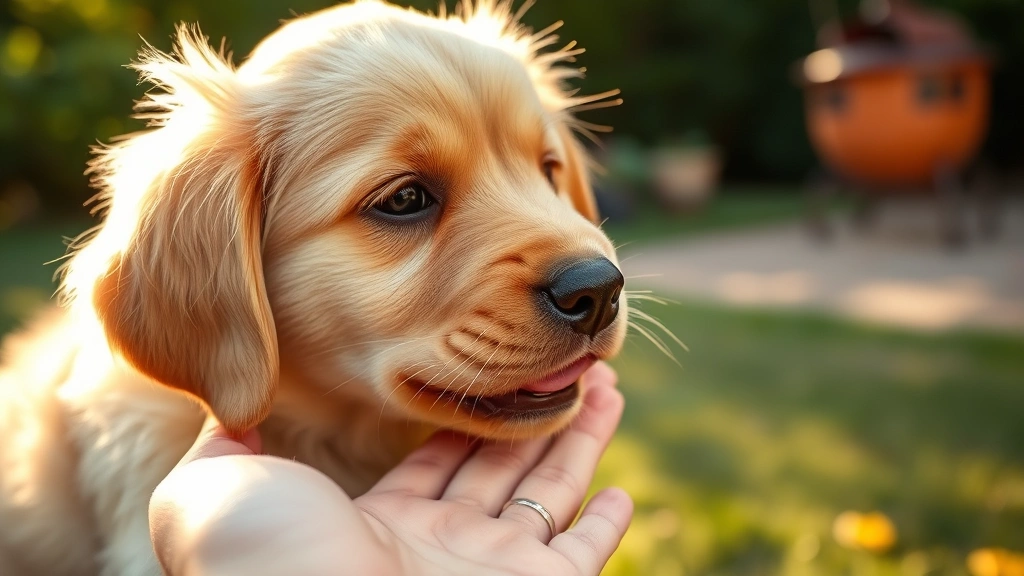
The most straightforward answer to “why does my dog lick me” is simple: they’re showing you love. Licking releases endorphins in your dog’s brain, creating a pleasurable sensation that reinforces the bond between you and your pet. When your dog licks you, they’re essentially saying, “You’re part of my pack, and I care about you.”
This behavior has evolutionary roots. In the wild, mother dogs lick their puppies to clean them, stimulate them, and show maternal affection. As puppies grow, they learn that licking is an acceptable way to interact with their pack members. When your adult dog licks you, they’re transferring this deeply ingrained behavior to their human family, treating you as a cherished member of their social group.
Research from canine behaviorists suggests that dogs who lick their owners frequently tend to have stronger emotional bonds with them. Does your dog know you love him? One way they express confidence in that love is through gentle licking. The oxytocin released during licking—the same hormone that bonds humans to their babies—creates a genuine chemical connection between you and your furry friend.
Different dogs express this affection in varying intensities. Some breeds, like Labrador Retrievers and Golden Retrievers, are notorious for being prolific lickers, while others might reserve their tongue for special occasions. This variation depends on individual personality, breed tendencies, and early socialization experiences.
Attention-Seeking Behavior: The Classic “Notice Me” Move
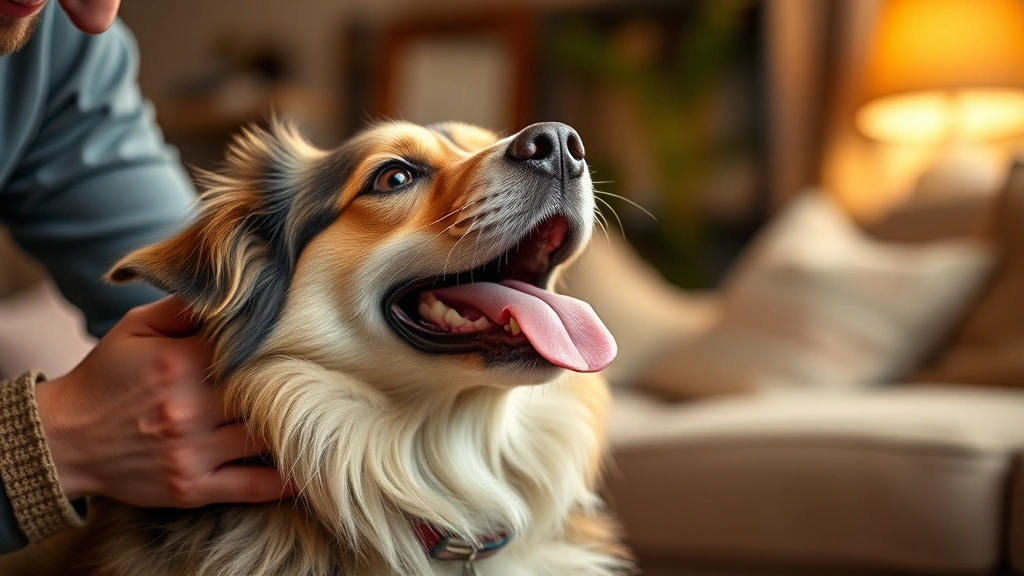
Beyond pure affection, your dog’s constant licking might be an attention-seeking strategy. Dogs are incredibly intelligent creatures that quickly learn which behaviors get results. If you’ve ever rewarded your dog with attention—even negative attention like saying “stop!”—when they lick you, they’ve learned that licking is an effective communication tool.
This is particularly true if your dog licks you when you’re busy with other activities. That tongue-on-your-leg action during your work-from-home day? That’s often your pup’s way of saying, “Hey, I’m here! Pay attention to me!” It’s their equivalent of tapping you on the shoulder repeatedly until you look their way.
The psychology here is straightforward: if licking consistently results in you petting them, talking to them, or playing with them, they’ll continue the behavior. Dogs don’t distinguish between positive and negative attention as clearly as we do—they simply understand that a particular action gets them what they want.
To address attention-seeking licking, it’s crucial to provide your dog with adequate mental and physical stimulation throughout the day. A tired dog is far less likely to engage in attention-seeking behaviors. Regular exercise, training sessions, and interactive play can significantly reduce this type of licking.
Sensory Exploration and Taste: A Dog’s Way of Understanding the World
Dogs experience the world largely through their sense of taste and smell. When your dog licks you, they’re gathering information about you—your health status, your emotional state, what you’ve eaten, and where you’ve been. Your skin secretes salt and oils that dogs find appealing, making you essentially a fascinating puzzle to explore.
This sensory exploration is particularly intense when you’ve been somewhere new or have come into contact with other animals. Your dog might lick you more enthusiastically after you’ve been to the park or someone else’s house because you’re literally covered in new scents and tastes to investigate.
Additionally, why do dogs lick their paws follows similar logic—they’re exploring and understanding their environment. The licking behavior serves as a multi-sensory tool that helps your dog build their mental map of their world and the people in it.
Grooming and Pack Behavior: Ancient Instincts at Work
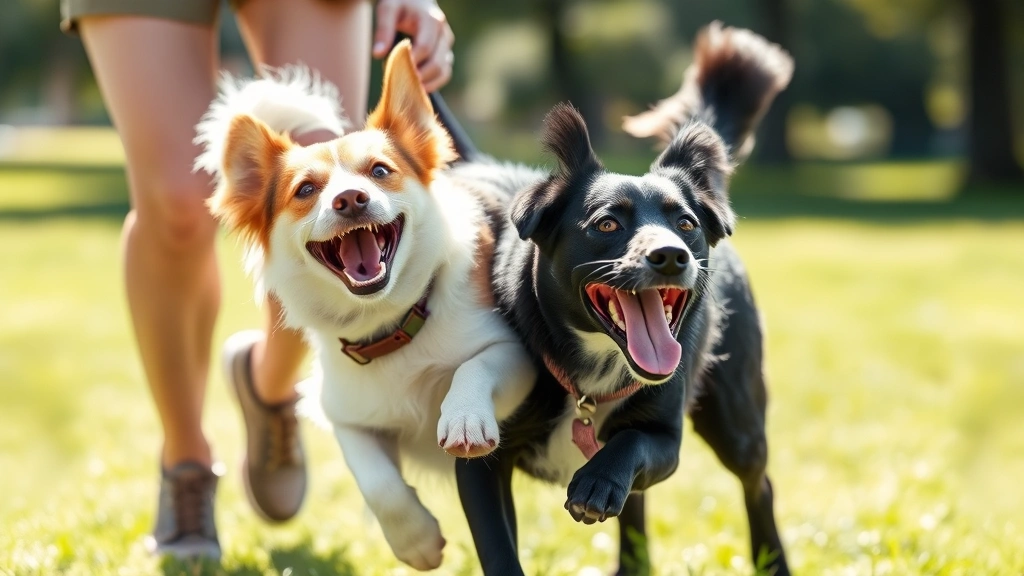
In a dog’s natural pack structure, grooming serves both practical and social functions. Mother dogs groom their puppies for hygiene, and adult dogs groom each other to reinforce social bonds and establish hierarchy. When your dog licks you, they might be engaging in this pack grooming behavior, essentially treating you as a valued member of their social group.
This grooming instinct is particularly evident when your dog focuses on your hands, face, or ears—areas that are difficult for them to self-groom and therefore considered important in canine social structure. By grooming these areas, your dog is asserting their role within your relationship and reinforcing pack cohesion.
It’s worth noting that excessive grooming of specific areas might indicate something different. If your dog is obsessively licking one particular spot on your body, they might be picking up on a skin condition, wound, or even a health issue. Dogs have remarkable abilities to detect changes in their humans’ bodies, sometimes even identifying medical problems before we’re aware of them ourselves.
Health and Medical Reasons: When Licking Signals Something More
While most licking is benign and even endearing, sometimes excessive licking can indicate underlying health or behavioral issues. According to the American Kennel Club, excessive licking can be a sign of anxiety, allergies, or dermatological conditions in dogs.
Dogs experiencing stress or anxiety often engage in compulsive licking as a self-soothing mechanism. This is similar to how humans might bite their nails or tap their fingers when nervous. If your dog’s licking has increased suddenly or seems obsessive, it might be worth evaluating their stress levels and environment.
Medical conditions that can trigger excessive licking include:
- Skin allergies: Allergic reactions to food, environmental factors, or parasites can cause itching that manifests as licking
- Ear infections: Dogs might lick themselves or their owners excessively when experiencing ear discomfort
- Gastrointestinal issues: Some digestive problems can increase a dog’s licking behavior
- Oral health problems: Dental disease or mouth pain might lead to increased licking
- Neurological conditions: In rare cases, excessive licking can indicate neurological issues requiring veterinary attention
If you notice a sudden change in your dog’s licking behavior, consult with your veterinarian. The ASPCA recommends regular check-ups to rule out medical causes before assuming behavioral explanations.
When Licking Becomes Excessive: Identifying Problem Behavior
There’s a difference between normal affectionate licking and compulsive, excessive licking that indicates a problem. Normal licking is occasional, context-appropriate, and stops when redirected. Excessive licking is persistent, often focused on specific areas, and continues despite attempts to discourage it.
Signs that your dog’s licking has become problematic include:
- Licking that occurs dozens of times per hour
- Obsessive focus on specific body parts (yours or theirs)
- Licking that causes skin irritation or hair loss
- Licking accompanied by anxiety symptoms like panting or pacing
- Sudden increase in licking behavior without obvious trigger
- Licking that interferes with normal activities like eating or sleeping
Acral lick dermatitis, a condition where dogs lick themselves excessively, can develop from compulsive licking behavior. While this condition typically affects the dog’s own skin, understanding the psychology behind compulsive licking helps us recognize when our pets need intervention.
Research from veterinary behaviorists indicates that excessive licking can be related to underlying behavioral issues that warrant professional assessment. If you’re concerned about your dog’s licking habits, consulting with a certified animal behaviorist or your veterinarian is the best course of action.
Managing Your Dog’s Licking Habits: Practical Strategies
If your dog’s licking is becoming problematic or you simply want to redirect the behavior, several strategies can help:
Provide adequate exercise and mental stimulation: A well-exercised dog is less likely to engage in excessive licking. Aim for at least 30 minutes of physical activity daily, depending on your dog’s age and breed. Why do dogs like to be pet is connected to their need for engagement—providing interactive play and training sessions can fulfill this need in healthier ways.
Redirect the behavior: When your dog starts licking excessively, redirect their attention to an appropriate toy or activity. Keep high-value toys readily available to offer as alternatives.
Use positive reinforcement: Reward your dog with treats and praise when they engage in non-licking interactions with you. This teaches them that other behaviors also earn your attention.
Manage triggers: If you’ve identified specific situations that trigger excessive licking, try to minimize exposure or provide alternative coping strategies during those times.
Create a calm environment: Ensure your dog has a safe, quiet space where they can retreat if feeling anxious. Anxiety-reducing tools like calming supplements, white noise, or anxiety wraps might help.
Consult professionals: For persistent excessive licking, work with a certified professional dog trainer or veterinary behaviorist. They can identify the root cause and develop a customized management plan.
Remember that why your dog licks you when you pet her might be their way of deepening the bonding experience. Sometimes the best approach is simply accepting this affectionate behavior as part of your dog’s unique personality.
Frequently Asked Questions
Is it safe to let my dog lick my face?
While dog saliva does contain some antibacterial properties, allowing your dog to lick your face does come with minor hygiene considerations. Dogs’ mouths contain bacteria that can occasionally cause infections, particularly if you have open cuts or a compromised immune system. Most healthy individuals can safely allow face licking, but washing your face afterward is a reasonable precaution. If you’re immunocompromised or concerned, gently redirect your dog’s licking to your hands or other areas.
Why does my dog lick me more than other family members?
Dogs often show stronger licking behavior toward specific family members based on several factors: who spends the most time with them, who typically provides meals and treats, and who they’ve bonded with most strongly. Your dog might also lick you more if you’re the person most likely to respond positively to the behavior. Additionally, if you have a particular scent profile—like being outdoors more or having a different diet—your dog might find you more interesting to lick.
Should I be worried if my dog suddenly stops licking me?
A sudden change in your dog’s behavior warrants attention. If your previously licky dog has suddenly stopped, consider potential causes: changes in your routine, health issues affecting your dog, or shifts in your relationship dynamics. A sudden behavioral change can indicate medical problems, so consulting your veterinarian is advisable, especially if accompanied by other symptoms like lethargy or appetite changes.
Can excessive licking be a sign of OCD in dogs?
Yes, compulsive licking can indicate canine compulsive disorder, which is similar to OCD in humans. Dogs with this condition engage in repetitive behaviors that seem difficult or impossible to stop. This condition typically requires intervention from a veterinary behaviorist and might involve medication, behavior modification, or both. If you suspect your dog has compulsive licking disorder, professional evaluation is essential.
How can I tell if my dog’s licking is affectionate or anxious?
Affectionate licking is usually gentle, intermittent, and stops when redirected. The dog appears relaxed, with soft eyes and a wagging tail. Anxious licking, by contrast, is often more intense, repetitive, and persistent. An anxious dog might have dilated pupils, pinned-back ears, or appear tense. Context matters too—licking that occurs during stressful situations or when your dog is alone might indicate anxiety rather than affection.
Is there a breed predisposition to excessive licking?
Certain breeds are known for being more lick-prone than others. Labrador Retrievers, Golden Retrievers, and Spaniels are notorious for their enthusiastic licking habits. However, individual personality and early experiences play significant roles. Breed tendencies provide a framework, but they don’t determine an individual dog’s behavior entirely. Training and socialization can modify breed-typical behaviors in either direction.





