
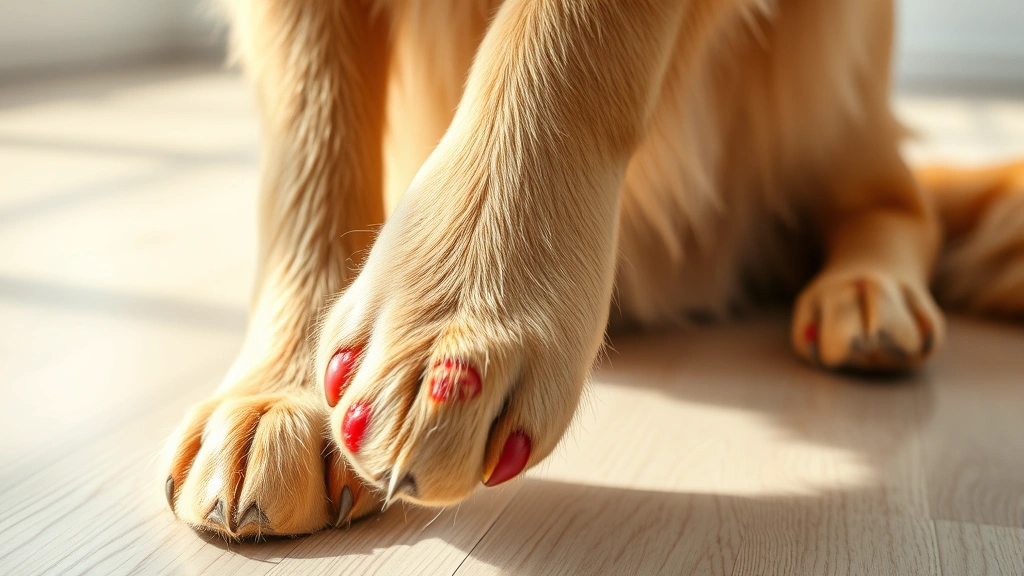
If you’ve caught yourself wondering why does my dog chew his feet, you’re not alone—and honestly, it’s one of the most common questions vets hear from concerned pet parents. Your furry friend might be gnawing away at their paws like they’re the most delicious snack in the house, and you’re left scratching your head wondering what’s going on. The truth is, foot chewing in dogs can stem from a bunch of different reasons, ranging from the totally harmless to the seriously medical. Let’s dig into this pawsome mystery and figure out what’s really happening with your pup.
Table of Contents
- The Most Common Reasons Dogs Chew Their Feet
- Allergies: The Itch That Won’t Quit
- Parasites and Skin Infections: Uninvited Guests
- Anxiety and Boredom: The Psychological Angle
- Joint Pain and Arthritis: The Aging Factor
- Dry Skin and Environmental Factors
- Injury or Trauma: Obvious but Often Overlooked
- Solution 1: Schedule a Vet Visit
- Solution 2: Identify and Eliminate Allergens
- Solution 3: Improve Hygiene and Prevent Infections
- Solution 4: Boost Mental and Physical Stimulation
- Solution 5: Use Protective Measures and Topical Treatments
- Frequently Asked Questions
- The Bottom Line: Don’t Ignore the Chewing
The Most Common Reasons Dogs Chew Their Feet
Dogs chew their feet for surprisingly varied reasons, and pinpointing the exact cause is half the battle. Sometimes it’s behavioral, sometimes it’s medical, and sometimes it’s just plain boredom. The key is to observe your dog’s behavior and look for patterns. Does the chewing happen at specific times? Is it just one paw or all four? These details matter more than you’d think.
One of the biggest culprits is allergies and itching. Just like humans, dogs can develop allergies to food, environmental factors, or contact irritants. When allergies strike, their paws become ground zero for itching and discomfort. Your dog isn’t being destructive—they’re trying to relieve an itch that’s driving them absolutely bonkers.
Allergies: The Itch That Won’t Quit
Allergies are responsible for a huge percentage of foot-chewing cases. Food allergies, seasonal allergies, and contact allergies can all trigger paw licking and chewing. Common culprits include chicken, beef, wheat, and corn in their diet, plus environmental allergens like pollen and dust mites. According to the American Kennel Club, allergic reactions in dogs often manifest as skin issues and excessive licking.
If your dog’s feet are red, swollen, or have a yeasty smell, allergies are likely the villain. You might also notice your pup chewing other areas like their ears, belly, or rear end. The paws are just the most convenient target because, well, they’re literally attached to their body and always within reach.
To address allergies, work with your vet to identify triggers through elimination diets or allergy testing. Sometimes switching to a limited-ingredient dog food or adding omega-3 supplements can work wonders.
Parasites and Skin Infections: Uninvited Guests
Fleas, mites, and lice don’t need an invitation to crash the party on your dog’s skin. Even if you don’t see visible parasites, they could be causing serious itching. Sarcoptic mites, in particular, are notorious for causing intense itching that drives dogs to chew their feet raw. PetMD notes that parasitic infections are among the most common reasons for excessive paw chewing.
Bacterial or yeast infections can also set up shop on your dog’s paws, especially if the area stays moist or warm. This is why dogs who spend lots of time in water or live in humid climates are more prone to these issues. If you notice a funky smell, redness, or discharge, get your pup to the vet ASAP.
Prevention is your best friend here. Keep up with regular flea and tick prevention, maintain good hygiene, and dry your dog’s paws thoroughly after outdoor adventures.
Anxiety and Boredom: The Psychological Angle
Sometimes why does my dog chew his feet comes down to what’s happening in their head, not their body. Dogs experiencing anxiety, stress, or boredom can develop compulsive foot-chewing habits. It’s their version of stress-eating or nail-biting—a self-soothing behavior that can become obsessive.
Separation anxiety, changes in routine, or lack of mental stimulation can all trigger this behavior. If your dog chews their feet primarily when you’re gone or during stressful situations, anxiety is probably the culprit. Cornell University’s veterinary resources emphasize the importance of addressing behavioral causes through environmental enrichment and training.
The solution? Increase exercise, provide puzzle toys, establish a consistent routine, and consider whether your dog is happy with their current lifestyle. Sometimes a bored dog just needs more playtime and mental challenges.
Joint Pain and Arthritis: The Aging Factor
Older dogs or those with joint issues might chew their feet because they’re in pain. Arthritis, hip dysplasia, or other joint problems can cause discomfort that dogs try to manage by licking and chewing the affected area. It’s their way of saying, “Hey, something hurts down here.”
If your senior dog has suddenly started this behavior, joint pain should be on your radar. You might also notice limping, reluctance to exercise, or difficulty getting up. Joint supplements for dogs can help manage pain and improve mobility, but always check with your vet first. They might recommend pain medication, physical therapy, or other treatments to ease your pup’s discomfort.
Dry Skin and Environmental Factors
Winter weather, low humidity, and dry indoor air can wreak havoc on your dog’s skin. Dry, flaky skin is itchy, and itchy skin gets chewed. This is especially common during heating season when indoor air becomes drier than the Sahara. Dogs with naturally dry skin or those prone to dermatitis are particularly vulnerable.
Adding moisture to the environment, using a humidifier, and ensuring your dog has access to plenty of water can help. Some dogs benefit from regular baths with moisturizing shampoos or the addition of fish oil to their diet. If the problem persists, your vet might recommend medicated shampoos or topical treatments.
Injury or Trauma: Obvious but Often Overlooked
Sometimes the answer is simpler than you think. Your dog might be chewing their feet because they’re injured or uncomfortable. A thorn, splinter, cut, or other minor injury could be the reason for all the attention. Even a small wound can feel like a big deal to your pup.
Inspect your dog’s paws regularly for cuts, swelling, or foreign objects. If you find something, gently remove it if you can, clean the area, and monitor for infection. For more serious injuries, don’t hesitate to call your vet. And if your dog has been chewing on inappropriate items like sticks, check out our guide on whether it’s okay for dogs to chew on sticks.
Solution 1: Schedule a Vet Visit
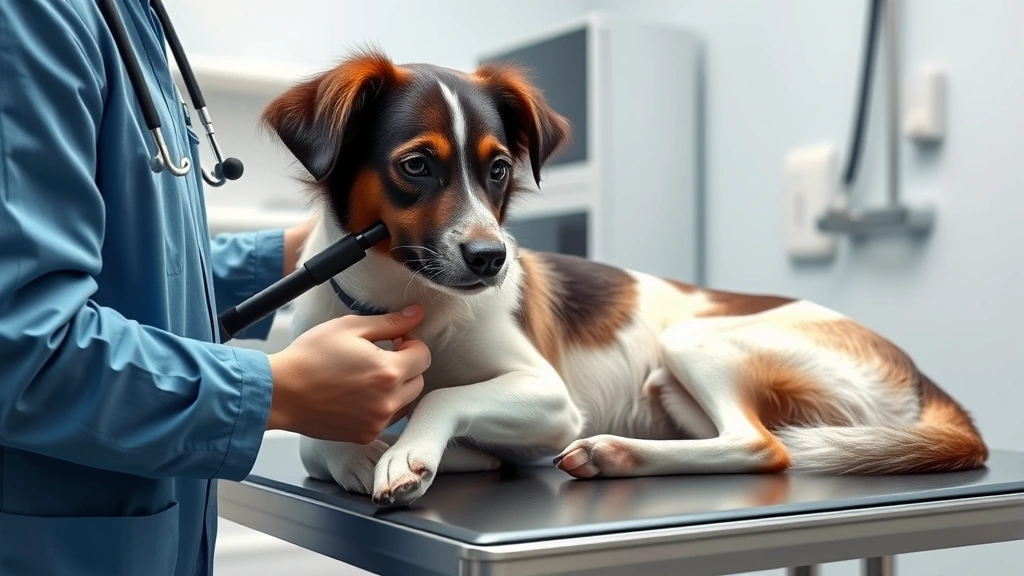
This should be your first move. A veterinarian can rule out medical issues like allergies, infections, parasites, and pain. They’ll examine your dog’s paws, ask about the behavior, and potentially recommend testing. Don’t skip this step—what seems like a minor habit could indicate something serious.
Solution 2: Identify and Eliminate Allergens
Work with your vet to pinpoint what’s triggering your dog’s allergies. This might involve an elimination diet, allergy testing, or environmental changes. Once you know the culprit, you can take steps to minimize exposure. Sometimes it’s as simple as switching dog food brands or removing a specific ingredient.
Solution 3: Improve Hygiene and Prevent Infections
Keep your dog’s paws clean and dry. Wash them regularly, especially after outdoor adventures, and dry between the toes thoroughly. Trim excess fur between the pads to improve air circulation. Regular grooming and nail maintenance can also prevent secondary infections from developing.
Solution 4: Boost Mental and Physical Stimulation
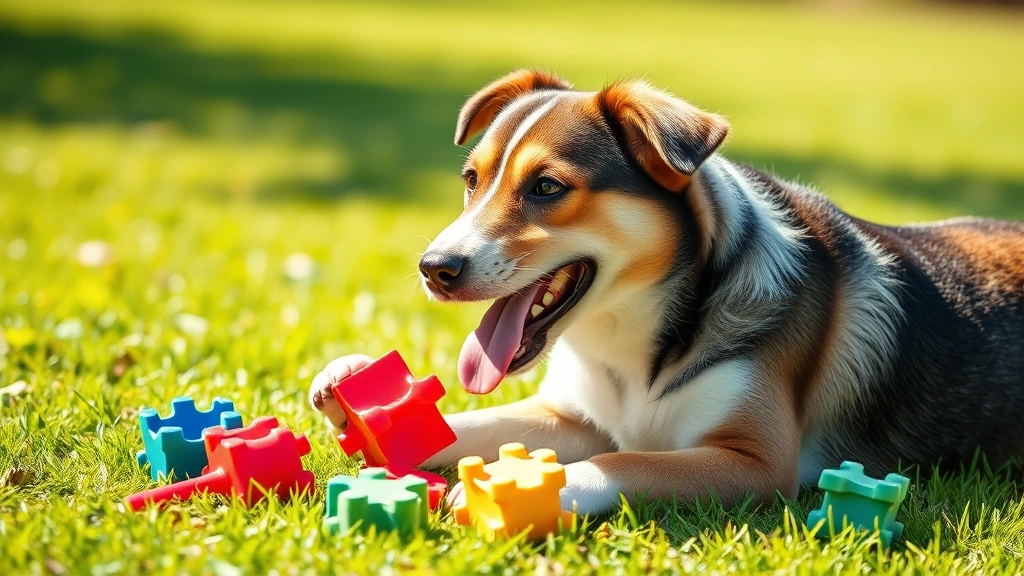
If boredom or anxiety is the issue, increase your dog’s exercise and provide enrichment activities. Daily walks, playtime, puzzle toys, and training sessions can keep their mind and body engaged. A tired dog is a well-behaved dog, and they’re less likely to develop destructive habits.
Solution 5: Use Protective Measures and Topical Treatments
For immediate relief, consider using dog booties, paw balms, or bitter sprays to discourage chewing. Your vet might recommend medicated creams, antibacterial solutions, or anti-itch sprays. In some cases, an Elizabethan collar might be necessary to prevent further damage while you address the underlying cause.
Frequently Asked Questions
Is it normal for dogs to chew their feet?
Occasional paw licking is normal, but excessive chewing that causes redness, hair loss, or open wounds is not. If your dog is constantly gnawing at their feet, it’s time to investigate the cause and seek veterinary advice.
How do I know if my dog’s foot chewing is serious?
Look for signs like bleeding, open sores, swelling, discharge, or a foul smell. If your dog is chewing so much they’re causing injury, or if the behavior is accompanied by other symptoms like lethargy or loss of appetite, it’s definitely serious and requires immediate vet attention.
Can I treat foot chewing at home?
You can try basic measures like keeping paws clean and dry, applying paw balm, and increasing exercise. However, if the chewing persists beyond a few days or worsens, professional veterinary evaluation is essential. Home remedies work best as supplements to, not replacements for, professional care.
How long does it take to resolve foot chewing?
The timeline depends on the underlying cause. If it’s behavioral, you might see improvement within weeks with consistent training and enrichment. If it’s medical, treatment duration varies—allergies might require ongoing management, while infections could clear up in days with proper medication.
What if nothing seems to work?
If standard treatments aren’t working, ask your vet about referral to a veterinary dermatologist or behaviorist. Some cases require specialized expertise, and these professionals can provide advanced diagnostics and treatment options you might not have considered.
The Bottom Line: Don’t Ignore the Chewing
Figuring out why does my dog chew his feet requires a combination of observation, investigation, and professional guidance. Whether it’s allergies, parasites, anxiety, pain, or environmental factors, there’s always a reason behind the behavior. Start with a vet visit, work through the potential causes systematically, and don’t give up if the first solution doesn’t work.
Your dog’s paw health is important—not just for comfort, but because infected or damaged paws can lead to serious complications. By taking action early and addressing the root cause, you’ll have your pup back to their happy, healthy self in no time. And remember, a dog who’s not obsessing over their feet is a dog who can focus on more important things—like loving you unconditionally.





