

If you’ve ever wondered why does my dog cry in his sleep, you’re not alone—and honestly, it’s one of the most heart-wrenching sounds a pet parent can hear at 2 AM. That whimper, whine, or full-on sob coming from your pup’s bed makes you want to scoop them up and check if they’re okay. But here’s the thing: most of the time, your dog is probably fine. Let’s dig into what’s actually happening in that furry little head.
Table of Contents
- The REM Sleep Mystery: Why Dogs Twitch and Cry
- Reason #1: Your Dog Is Probably Just Dreaming
- Reason #2: Pain or Discomfort During Sleep
- Reason #3: Anxiety and Stress-Related Sleep Disturbances
- Reason #4: Underlying Health Issues and Infections
- Reason #5: Muscle Twitches and Sleep Starts
- When Should You Actually Worry About Sleep Crying?
- How to Help Your Dog Sleep Better
- The Age Factor: Puppies vs. Senior Dogs
- Real Talk: It’s Usually Nothing Serious
- Frequently Asked Questions
- Final Thoughts: Your Dog Is Probably Just Dreaming
The REM Sleep Mystery: Why Dogs Twitch and Cry
Dogs spend about 10-12% of their sleep time in REM (Rapid Eye Movement) sleep, which is when most dreaming happens. During REM sleep, your dog’s brain is firing on all cylinders, replaying the day’s events—chasing squirrels, playing fetch, or getting scolded for eating the couch. Their muscles might twitch, their paws paddle, and yes, they might cry out. It’s completely normal and usually nothing to stress about. Think of it like your dog’s version of sleep-talking, except with more drama.

Reason #1: Your Dog Is Probably Just Dreaming
The most common reason your dog cries in sleep is the simplest: they’re having a vivid dream. Dogs dream just like humans do, and their dreams can be intense. Maybe they’re chasing that squirrel that got away last Tuesday, or reliving that time they almost caught a bird. The emotional response is real to them, even if it’s happening in dreamland. If your dog wakes up and seems perfectly fine, they were almost certainly just dreaming. No intervention needed—just let them have their little doggy adventures.

Reason #2: Pain or Discomfort During Sleep
Not all sleep crying is innocent dreaming. If your dog’s whimpers seem excessive or they’re waking up in distress, pain could be the culprit. Arthritis, joint problems, or old injuries can flare up when your dog settles into certain sleeping positions. Older dogs especially might experience lethargy and discomfort that manifests during rest. If your dog cries consistently during sleep or seems stiff when waking up, it’s worth mentioning to your vet. A memory foam dog bed or Kuranda dog bed can provide better support and might reduce nighttime discomfort.

Reason #3: Anxiety and Stress-Related Sleep Disturbances
Dogs can experience anxiety just like we do, and it doesn’t magically disappear when they fall asleep. If your pup has separation anxiety, noise sensitivity, or general anxiety, they might cry during sleep as their brain processes stressful events. A thunderstorm earlier in the day, a trip to the vet, or even a change in routine can trigger anxious sleep behavior. The good news? Creating a calm sleep environment with dog-safe aromatics and a consistent bedtime routine can help. Keep the sleeping area quiet, dark, and comfortable to minimize stress-related crying.
Reason #4: Underlying Health Issues and Infections
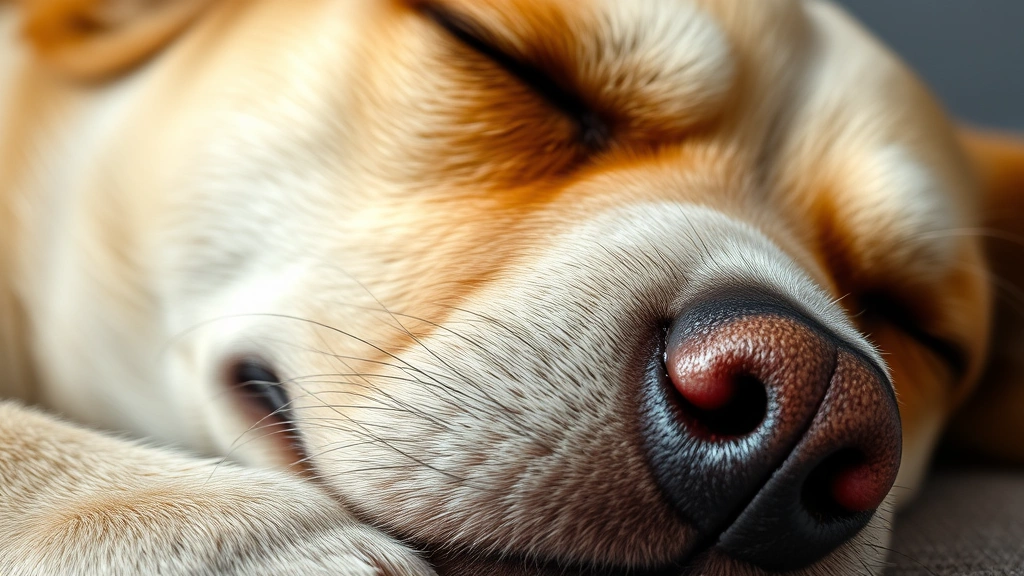
Sometimes, crying during sleep signals a health problem that needs attention. Ear infections, skin conditions, or systemic issues like Lyme disease symptoms in dogs can cause discomfort that’s noticeable even during sleep. Neurological conditions, seizure disorders, or other medical issues might also manifest as unusual sleep behavior. If the crying is new, frequent, or accompanied by other symptoms like lethargy, loss of appetite, or behavioral changes, get your dog checked by a vet. Better safe than sorry when it comes to your furry friend’s health.

Reason #5: Muscle Twitches and Sleep Starts
Dogs experience “sleep starts” just like humans do—those involuntary muscle jerks that can happen as they’re drifting off or during light sleep. When a dog’s muscles twitch suddenly, they might cry out in surprise or confusion. It’s not painful; it’s just their nervous system doing its thing. You might notice their legs paddling, their tail twitching, or their whole body giving a little jolt. These episodes are harmless and usually last just a few seconds. Your dog will either settle back down or wake up briefly and go right back to sleep.

When Should You Actually Worry About Sleep Crying?
Not every whimper requires a vet visit, but some situations warrant professional attention. If your dog cries during sleep AND shows signs of pain when awake, has difficulty moving, or displays behavioral changes, schedule a vet appointment. If the crying is accompanied by seizure-like activity, excessive drooling, or loss of consciousness, that’s an emergency. If your dog seems distressed and can’t be comforted, or if the behavior is new and persistent, don’t ignore it. Your vet can rule out medical issues and provide peace of mind—or a treatment plan if something does need addressing.

How to Help Your Dog Sleep Better
Creating an optimal sleep environment is one of the best things you can do. Ensure your dog has a comfortable, supportive bed in a quiet, cool, dark space. Establish a consistent bedtime routine to signal that it’s time to wind down. Regular exercise during the day helps burn off energy and promotes deeper, more restful sleep. Avoid stimulating activities right before bed, and keep meals light in the evening. If your dog suffers from anxiety, consider calming supplements or muscle relaxants prescribed by your vet if recommended. A white noise machine can also help mask household sounds that might disturb sleep.
The Age Factor: Puppies vs. Senior Dogs
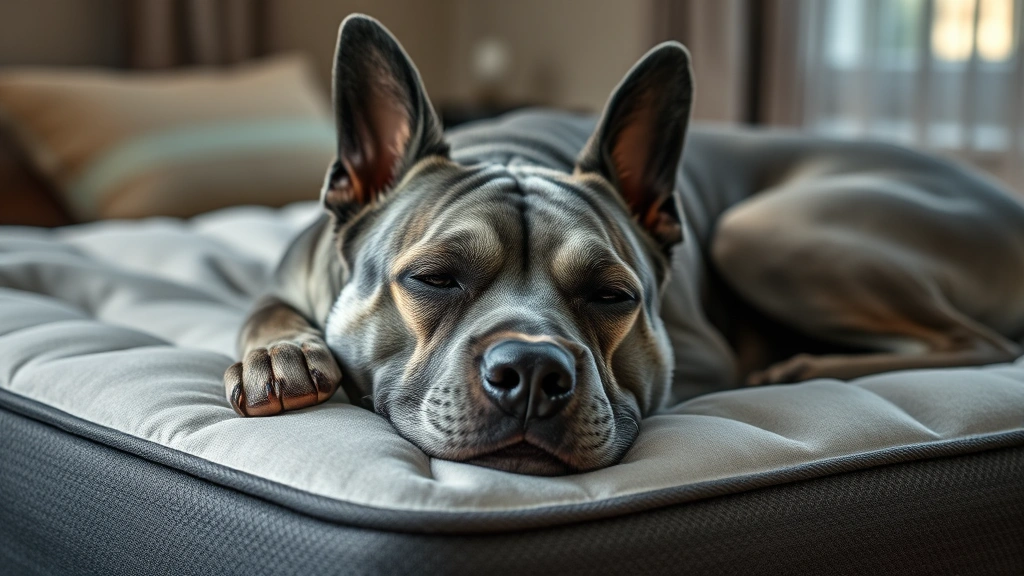
Puppies cry in their sleep more often than adult dogs because they’re still developing their sleep cycles and processing tons of new information daily. Senior dogs might cry more due to age-related pain, cognitive decline, or health issues. If you have an older dog, pay closer attention to sleep behavior changes, as they can indicate emerging health problems. Puppies will likely outgrow excessive sleep crying as they mature, while senior dogs might benefit from additional comfort measures and veterinary monitoring.
Real Talk: It’s Usually Nothing Serious
Here’s the honest truth: in the vast majority of cases, your dog crying in their sleep is completely normal and nothing to panic about. Dogs dream, they process emotions, and sometimes their bodies twitch involuntarily. If your dog wakes up happy, plays normally, eats well, and shows no signs of pain or distress during waking hours, those sleep whimpers are just part of being a dog. That said, trust your instincts. You know your dog better than anyone. If something feels off, it’s always better to err on the side of caution and consult your vet.

Frequently Asked Questions
Is it normal for dogs to cry in their sleep?
Yes, it’s completely normal. Most dogs cry in their sleep occasionally due to dreaming, muscle twitches, or processing emotions. If it’s infrequent and your dog seems fine when awake, there’s nothing to worry about.
Can dogs have nightmares?
Dogs can experience distressing dreams, though we can’t know for sure if they’re true “nightmares” in the human sense. If your dog seems anxious or distressed during sleep regularly, it might be worth investigating potential stressors in their environment.
Should I wake my dog if they’re crying in their sleep?
Generally, no. Let your dog wake naturally. Waking them might startle them and could actually increase anxiety. Only intervene if they seem to be in genuine distress or having a seizure.
When is dog sleep crying a sign of a health problem?
If the crying is new, persistent, or accompanied by other symptoms like limping, loss of appetite, lethargy, or behavioral changes, consult your vet. These could indicate pain or an underlying health issue.
Can anxiety medication help with sleep crying?
If anxiety is the cause, your vet might recommend anxiety medication or supplements. However, most sleep crying doesn’t require medication—environmental changes and routine adjustments are often sufficient.
Do all dogs cry in their sleep?
Not all dogs vocalize during sleep, but many do. The frequency and intensity vary by individual dog, breed, age, and personality. Some dogs are naturally more vocal than others.
Final Thoughts: Your Dog Is Probably Just Dreaming
The next time your dog cries in their sleep, take a deep breath. In most cases, they’re simply dreaming, processing their day, or experiencing a harmless muscle twitch. Your pup’s brain is active and working through experiences, which is actually a sign of healthy sleep. As long as your dog is eating well, playing normally, and showing no signs of pain or distress during waking hours, those nighttime whimpers are just part of the quirky, wonderful experience of sharing your life with a dog. And honestly? Those little sleep cries are kind of endearing, even if they do tug at your heartstrings at 2 AM.





