
If you’ve ever watched your dog scoot across your carpet like a furry little caterpillar, you’ve probably wondered: why does my dog drag his butt? While it might look funny, this behavior—called scooting—is your pup’s way of telling you something’s not quite right back there. The good news? Most causes are easily fixable, and we’re here to help you figure out what’s going on.
Table of Contents
- What Is Dog Scooting and Why Does It Happen?
- Cause #1: Anal Gland Issues (The Most Common Culprit)
- Cause #2: Parasites and Worms
- Cause #3: Skin Irritation and Allergies
- Cause #4: Anal Fissures or Wounds
- Cause #5: Behavioral or Anxiety-Related Scooting
- Quick Fixes You Can Try at Home
- When to Call the Vet Immediately
- Prevention Tips for Future Scooting
- Understanding Anal Gland Health Better
- The Role of Diet in Preventing Scooting
- Frequently Asked Questions
- Summary: Getting Your Dog Back to Normal
What Is Dog Scooting and Why Does It Happen?
Dog scooting is when your furry friend drags their rear end across the floor, carpet, or grass. It’s their way of scratching an itch or dealing with discomfort in the anal area. Think of it as their version of using a scratching post, except they’re using your living room instead. While it might seem silly, scooting is actually a sign that something needs attention—whether it’s a minor irritation or something more serious.
The behavior is more common than you’d think, and most dog owners encounter it at least once. The key is figuring out what’s causing it so you can help your pup feel better.
Cause #1: Anal Gland Issues (The Most Common Culprit)
Let’s start with the most frequent reason for scooting: anal gland problems. Dogs have two anal glands that produce a smelly secretion—yes, that’s the stuff you smell when your dog gets nervous at the vet. These glands are supposed to empty naturally when your dog poops, but sometimes they get impacted, infected, or inflamed.
When anal glands aren’t functioning properly, they become uncomfortable and itchy, leading to scooting. You might also notice your dog licking their rear excessively, sitting uncomfortably, or having difficulty defecating. Some dogs even develop a scooting habit that’s hard to break once the glands are treated.
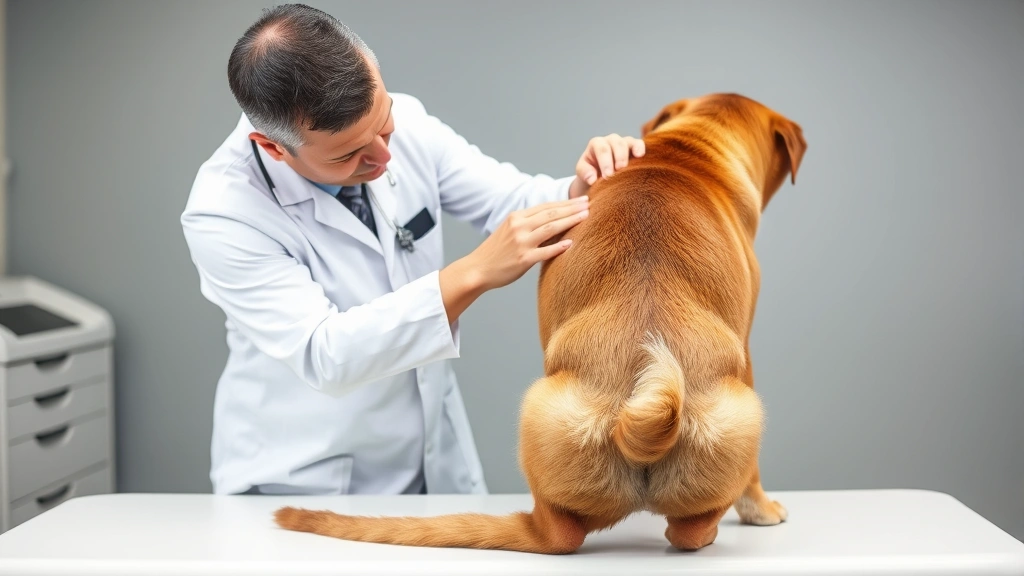
The solution? A trip to your vet. They can manually express the glands (yes, it’s as pleasant as it sounds) or recommend dietary changes to help with natural emptying. Many vets suggest adding fiber to your dog’s diet or switching to a high-quality food that promotes healthy digestion.
Cause #2: Parasites and Worms
Nothing says “welcome to pet ownership” like discovering your dog has worms. Intestinal parasites like hookworms, roundworms, and tapeworms can cause itching around the anal area, leading to scooting. Tapeworms are particularly notorious for this—you might even see rice-like segments in your dog’s stool or around their rear end.

If your dog spends time outdoors, eats raw meat, or hasn’t been on a regular deworming schedule, parasites could be the problem. The good news is that parasite treatment is straightforward. Your vet can recommend the right dewormer based on which parasites your dog has.
For prevention, keep your dog on a year-round parasite prevention plan. Regular deworming, flea prevention, and keeping your yard clean go a long way in preventing these unwanted hitchhikers. Learn more about natural parasite control options like diatomaceous earth and whether they’re safe for your pup.
Cause #3: Skin Irritation and Allergies
Dogs can develop allergies just like humans, and sometimes those allergies manifest as itching around the rear end. Food allergies, environmental allergies, or contact dermatitis can all cause your dog to scoot. You might notice other signs like excessive scratching, red skin, hair loss, or ear infections.

Skin conditions like mange on dogs can also cause localized itching in the anal area. If your dog is scooting along with other skin symptoms, a vet visit is essential to rule out allergies or dermatological conditions.
Treatment depends on the underlying cause. Allergies might require dietary changes, supplements like omega-3 fatty acids, or medications. Your vet might recommend hypoallergenic food, regular baths with medicated shampoo, or antihistamines to manage symptoms.
Cause #4: Anal Fissures or Wounds
Sometimes scooting indicates physical damage to the area around the anus. Anal fissures (small tears), wounds, or irritation from diarrhea can make the area tender and itchy. This is more common in dogs with chronic diarrhea or those who strain during bowel movements.
If your dog has diarrhea but seems otherwise fine, check out our guide on what to do when your dog has diarrhea but is acting fine. Managing the underlying digestive issue often helps heal any irritation in the anal area.
Your vet can examine the area and recommend topical treatments or dietary adjustments to prevent further irritation. In severe cases, antibiotics might be necessary to prevent infection.
Cause #5: Behavioral or Anxiety-Related Scooting
Here’s something many pet owners don’t realize: sometimes dogs scoot simply because they’ve learned it feels good or because of anxiety. Once a dog starts scooting for a medical reason, they might continue the behavior even after the original problem is resolved—it becomes a habit.
Additionally, some dogs scoot when they’re anxious, bored, or seeking attention. If your vet has ruled out all medical causes and your dog is otherwise healthy, consider whether stress or boredom might be factors. Increased exercise, mental stimulation, and training can help break the habit.
Quick Fixes You Can Try at Home
While some causes require veterinary care, there are several things you can do at home to help your scooting pup:
Increase Fiber Intake: Adding pumpkin puree (not pie filling) to your dog’s food can help with anal gland expression. A tablespoon or two per day can work wonders for many dogs.

Ensure Proper Hydration: Make sure your dog always has access to fresh water. Proper hydration supports healthy digestion and can help prevent constipation and anal gland issues.
Regular Grooming: Keep the area around your dog’s rear end clean and trimmed. Matted fur can trap moisture and bacteria, making irritation worse.
Warm Baths: A warm bath can soothe irritated skin and provide temporary relief. Use lukewarm water and avoid harsh soaps that might further irritate the area.

Dietary Adjustments: Switch to a high-quality dog food with adequate fiber and protein. Sometimes digestive issues improve simply by upgrading your dog’s diet.
When to Call the Vet Immediately
Most scooting isn’t an emergency, but certain situations warrant immediate veterinary attention. Contact your vet right away if your dog shows signs of severe discomfort, bleeding from the anal area, fever, lethargy, or if your dog appears lethargic along with scooting. These could indicate infection or a more serious condition.
Also seek immediate care if your dog’s anal area appears swollen, has discharge, or if your dog is unable to defecate. These symptoms might indicate anal gland abscesses or other serious issues requiring professional treatment.
Prevention Tips for Future Scooting
The best medicine is prevention. Here’s how to keep your dog scooting-free:
Regular Vet Checkups: Annual or bi-annual vet visits help catch problems early. Your vet can check anal gland health during routine exams.
Parasite Prevention: Keep your dog on year-round flea, tick, and worm prevention. This is one of the most important steps in preventing scooting.
Healthy Diet: Feed your dog high-quality food with appropriate fiber levels. Consult your vet about the best diet for your dog’s age, size, and health status.
Exercise and Mental Stimulation: Regular activity helps maintain healthy digestion and reduces anxiety-related behaviors.
Hygiene: Keep your dog’s rear end clean and dry. Regular grooming and quick cleanup after bowel movements help prevent irritation and infection.

Understanding Anal Gland Health Better
Since anal gland issues are the most common cause of scooting, let’s dive deeper. Your dog’s anal glands are small sacs on either side of the anus that produce a pungent secretion. This smell is how dogs identify each other—it’s like their personal scent signature.
Normally, these glands empty during bowel movements. But factors like diet, size (small breeds are more prone), and genetics can interfere with this natural process. When glands don’t empty properly, they become impacted, leading to discomfort and scooting.
Some dogs need regular manual expression of their anal glands—typically every 4-12 weeks. Your groomer or vet can do this, though some owners learn to do it at home with proper instruction. It’s not the most glamorous part of dog ownership, but it’s necessary for some pups.

The Role of Diet in Preventing Scooting
You’d be surprised how much a dog’s diet impacts anal gland health. Dogs eating low-quality foods with insufficient fiber often have anal gland problems. The solution? Switch to a premium diet with appropriate fiber content.
Look for dog foods with whole grains, vegetables, and adequate protein. Some vets recommend adding plain pumpkin or sweet potato to meals for extra fiber. If your dog has food allergies, work with your vet to find an elimination diet or specialized food that works.
Proper nutrition supports healthy digestion, firmer stools (which help with natural gland expression), and overall immune function—all crucial for preventing scooting and other health issues.

Frequently Asked Questions
Is dog scooting always a sign of a serious problem?
No, most scooting cases are caused by minor issues like anal gland impaction or mild parasites. However, it’s always worth having your vet check it out to rule out anything serious.
Can I prevent anal gland problems naturally?
Yes! A high-fiber diet, proper hydration, regular exercise, and maintaining a healthy weight all support natural anal gland function. Some dogs benefit from adding pumpkin or psyllium husk to their food.
How often should my dog’s anal glands be expressed?
This varies by individual dog. Some dogs never need manual expression if their diet and digestion are optimal. Others need it every few weeks. Your vet can advise based on your dog’s specific needs.
Is scooting contagious between dogs?
The behavior itself isn’t contagious, but the underlying cause might be. If one dog has parasites or a contagious skin condition, it could spread to other dogs in the household.
Can I express my dog’s anal glands myself?
You can learn to do this with proper instruction from your vet or groomer. It requires technique to avoid injury or infection. Many owners prefer having professionals handle it.
What’s the difference between scooting and licking?
Both indicate anal area discomfort, but they’re slightly different behaviors. Scooting is dragging the rear end, while licking is direct grooming of the area. Both warrant investigation.
Does diet really affect anal gland health?
Absolutely. Low-quality diets lacking fiber often lead to soft stools that don’t help express anal glands naturally. High-quality, fiber-rich foods significantly reduce anal gland problems.
Summary: Getting Your Dog Back to Normal
If you’re wondering why your dog is dragging his butt across your carpet, the answer is usually one of five common causes: anal gland issues, parasites, skin allergies, physical irritation, or behavioral habits. The good news is that most cases are easily resolved with proper diagnosis and treatment.
Start by scheduling a vet appointment to rule out medical causes. Your vet can identify the specific problem and recommend appropriate treatment. In the meantime, focus on diet improvements, parasite prevention, and keeping the area clean.
Most importantly, don’t ignore persistent scooting. While it might seem like a minor annoyance, it’s your dog’s way of communicating that something needs attention. Address it promptly, and your pup will be back to normal—and your carpet will thank you too!
Remember, prevention is always easier than treatment. Maintain regular vet visits, keep your dog on parasite prevention, feed a high-quality diet, and watch for any behavioral changes. With these steps, you can significantly reduce the likelihood of scooting and other anal gland issues.





