
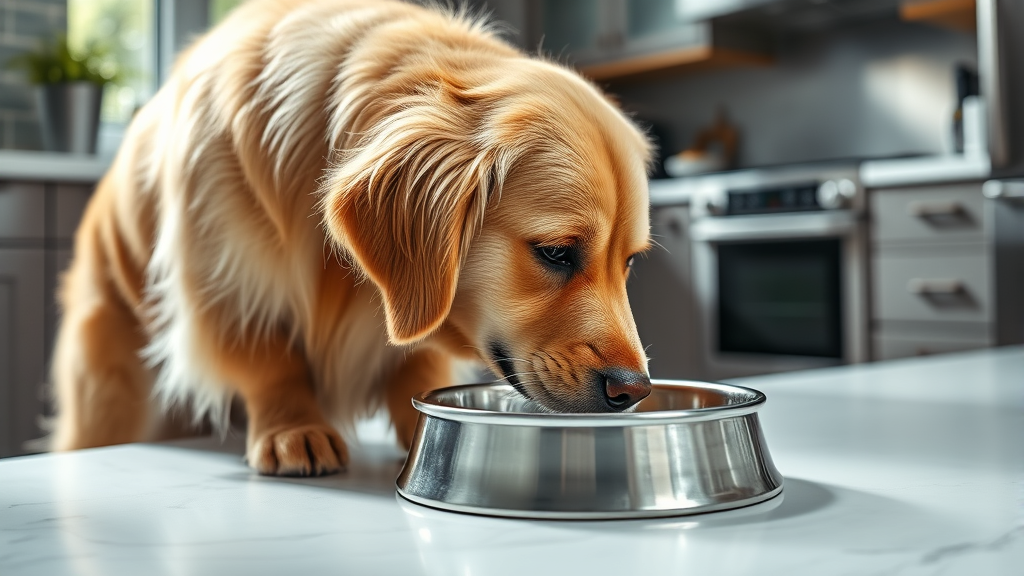
As a dog owner, you’ve probably noticed your furry companion’s drinking habits vary from day to day. While some dogs seem to sip water delicately throughout the day, others might appear to gulp down entire bowls in one sitting. Understanding your dog’s water consumption patterns is crucial for maintaining their health and identifying potential medical concerns early.
Water is essential for every bodily function in dogs, from regulating body temperature to aiding digestion and maintaining healthy organ function. Normal water intake can vary significantly based on factors like size, activity level, diet, and environmental conditions. However, sudden changes in drinking behavior or excessive water consumption can signal underlying health issues that require immediate attention.
Normal Water Intake for Dogs
Understanding what constitutes normal water consumption is the first step in recognizing when your dog might be drinking too much. Generally, dogs should consume approximately one ounce of water per pound of body weight daily. This means a 50-pound dog should drink about 50 ounces of water per day under normal circumstances.
However, this baseline can fluctuate based on several factors. Active dogs, nursing mothers, and puppies typically require more water than sedentary adult dogs. Similarly, dogs eating dry kibble will naturally drink more water than those consuming wet food, which contains higher moisture content. Proper nutrition plays a significant role in determining hydration needs.
Seasonal changes also affect water consumption patterns. During hot summer months, dogs naturally increase their water intake to help regulate body temperature through panting and increased circulation. Winter months might see slightly decreased consumption, though indoor heating can also contribute to increased thirst.
Signs of Excessive Drinking
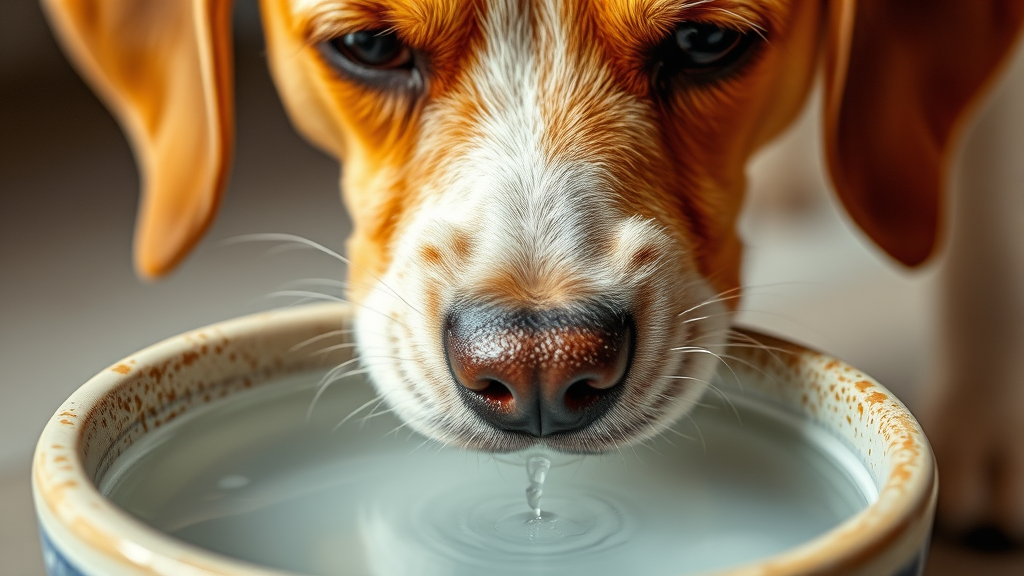
Recognizing the signs of excessive drinking, medically known as polydipsia, is crucial for early intervention. The most obvious indicator is when your dog empties their water bowl multiple times throughout the day or seems constantly thirsty despite having access to fresh water.
Other warning signs include frequent urination, especially if your house-trained dog begins having accidents indoors. You might notice your dog seeking out alternative water sources like toilet bowls, puddles, or dripping faucets. Some dogs may also exhibit behavioral changes, appearing restless or anxious when water isn’t immediately available.
Physical symptoms accompanying excessive drinking can include lethargy, loss of appetite, vomiting, or changes in gum color and texture. If you notice your dog’s water consumption has doubled or tripled from their normal intake, it’s time to investigate further. Understanding these patterns can help you determine when professional intervention is necessary.
Medical Causes of Increased Thirst
Several medical conditions can cause dogs to drink excessive amounts of water. Diabetes mellitus is one of the most common culprits, as elevated blood sugar levels force the kidneys to work overtime, leading to increased urination and compensatory drinking. Dogs with diabetes often show additional symptoms like weight loss despite increased appetite.
Kidney disease represents another serious cause of polydipsia. As kidney function declines, the organs lose their ability to concentrate urine effectively, resulting in increased water loss and subsequent thirst. Cushing’s disease, caused by excessive cortisol production, also commonly presents with increased drinking and urination alongside other symptoms like pot-bellied appearance and excessive panting.
Liver disease can disrupt normal metabolism and waste processing, leading to increased thirst as the body attempts to flush toxins. Urinary tract infections, bladder stones, and certain medications can also contribute to increased water consumption. Fever and illness often accompany many of these conditions, making early detection crucial.
Hypercalcemia, or elevated blood calcium levels, can result from various underlying conditions including certain cancers, and typically presents with increased drinking as one of the primary symptoms. According to the American Veterinary Medical Association, early detection and treatment of these conditions significantly improve outcomes for affected dogs.
Environmental and Lifestyle Factors
Not all cases of increased water consumption indicate serious medical problems. Environmental factors play a significant role in determining your dog’s hydration needs. High temperatures, low humidity, and increased physical activity all naturally elevate water requirements.
Dietary factors significantly impact thirst levels. Dogs consuming high-sodium treats, table scraps, or certain commercial foods may drink more water to balance their electrolyte levels. Dietary choices directly influence hydration needs, and switching to a different food formula might temporarily increase water consumption.
Stress and anxiety can also manifest as changes in drinking behavior. Dogs experiencing separation anxiety, moving to a new home, or adjusting to household changes might alter their eating and drinking patterns. Some medications, including diuretics, steroids, and certain pain medications, can increase thirst as a side effect.
Age-related changes in senior dogs often include shifts in drinking habits. Older dogs may drink more due to decreased kidney efficiency or underlying age-related conditions. Excessive panting in older dogs can also increase fluid loss, necessitating increased water intake.
How to Monitor Your Dog’s Water Intake
Accurate monitoring of your dog’s water consumption provides valuable information for veterinary assessment. Start by measuring the amount of water you provide each day and noting how much remains at day’s end. Keep a simple log recording daily water consumption for at least a week to establish patterns.
Consider all water sources, including outdoor bowls, shared bowls with other pets, and any water your dog might consume during walks or outdoor activities. Multiple water stations throughout your home can make monitoring more challenging but ensure your dog always has access to fresh water.
Pay attention to the relationship between water intake and urination frequency. Normal hydration patterns typically show proportional increases in both drinking and urination. Sudden changes in either behavior warrant closer observation.
Document any accompanying symptoms like changes in appetite, energy levels, or bathroom habits. The American Kennel Club recommends maintaining detailed health records to help veterinarians identify patterns and make accurate diagnoses.
When to See a Veterinarian
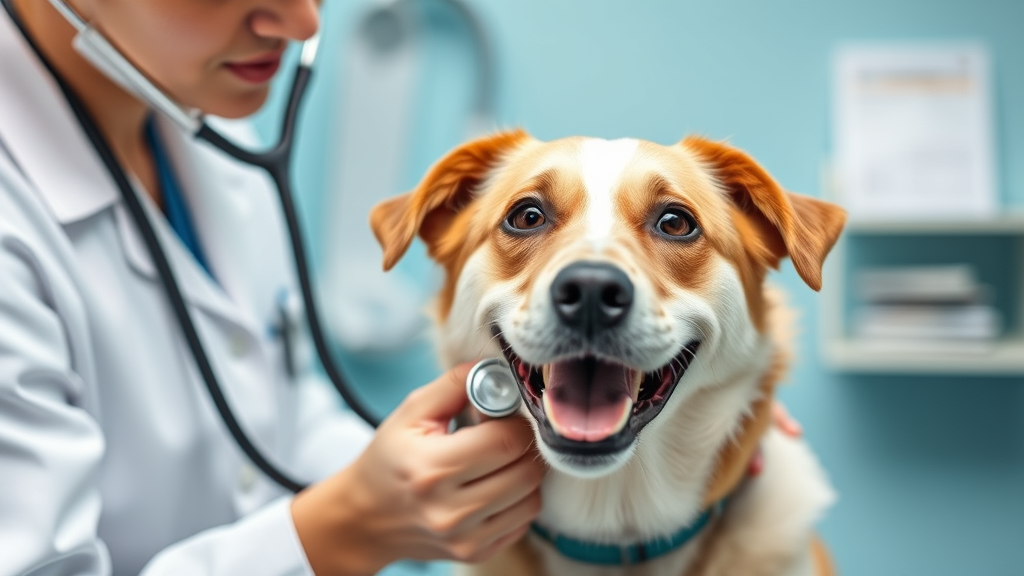
Immediate veterinary attention is necessary if your dog’s water consumption suddenly doubles or triples from normal levels, especially when accompanied by other symptoms. Emergency situations include signs of dehydration despite excessive drinking, such as sunken eyes, dry gums, or skin that doesn’t quickly return to position when gently pinched.
Schedule a veterinary appointment if increased drinking persists for more than 48 hours without an obvious environmental cause. Additional warning signs requiring professional evaluation include frequent urination accidents in house-trained dogs, lethargy, vomiting, changes in appetite, or any combination of these symptoms.
Bring your water consumption log and a list of any recent changes in diet, medication, or environment to your veterinary appointment. Blood work, urinalysis, and sometimes additional diagnostic tests may be necessary to determine the underlying cause. Digestive symptoms accompanying increased thirst often provide important diagnostic clues.
The Humane Society emphasizes that early intervention typically results in better treatment outcomes and can prevent minor issues from developing into serious health problems.
Prevention and Management Tips
Maintaining your dog’s optimal health involves providing consistent access to fresh, clean water while monitoring consumption patterns. Regular veterinary check-ups, especially for senior dogs, can help identify potential issues before they become serious problems.
Feed a high-quality diet appropriate for your dog’s age, size, and activity level, and avoid giving excessive treats or table scraps high in sodium. Ensure your dog gets appropriate exercise while avoiding overexertion in hot weather. Digestive health directly impacts overall wellbeing and hydration needs.
Create a calm, stress-free environment to minimize anxiety-related changes in drinking behavior. Keep water bowls clean and refill them regularly with fresh water. Consider investing in a water fountain designed for pets, as some dogs prefer moving water and may drink more consistently from these sources.
Establish baseline measurements for your dog’s normal water consumption during healthy periods. This information becomes invaluable when trying to determine if changes in drinking behavior are significant. The Centers for Disease Control and Prevention provides additional resources for maintaining optimal pet health through preventive care.
Frequently Asked Questions
How much water should my dog drink per day?
Dogs typically need about one ounce of water per pound of body weight daily. A 30-pound dog should consume approximately 30 ounces of water under normal circumstances. However, this amount can vary based on activity level, diet, weather conditions, and individual health factors. Active dogs, nursing mothers, and puppies may require more water than this baseline recommendation.
What is considered excessive water drinking in dogs?
Excessive drinking, or polydipsia, is generally defined as consuming more than 100ml of water per kilogram of body weight per day. Practically, if your dog’s water consumption suddenly doubles or triples from their normal intake, or if they’re constantly seeking water sources and emptying their bowl multiple times daily, this could indicate excessive drinking that warrants veterinary evaluation.
Can hot weather cause my dog to drink more water?
Yes, hot weather naturally increases your dog’s water needs. Dogs regulate their body temperature primarily through panting, which increases water loss through respiration. During summer months or in warm climates, dogs may drink 2-3 times their normal amount of water. This is typically normal behavior, but monitor for other symptoms if the increased drinking continues after temperatures cool down.
Should I be concerned if my senior dog drinks more water?
Increased water consumption in senior dogs can be normal due to age-related changes in kidney function, but it can also indicate underlying health conditions common in older dogs, such as kidney disease, diabetes, or Cushing’s disease. If your senior dog’s drinking habits change significantly, schedule a veterinary examination that includes blood work and urinalysis to rule out medical causes.
What medical tests might my vet recommend for excessive drinking?
Your veterinarian will likely recommend a complete blood chemistry panel, complete blood count, and urinalysis as initial diagnostic tests. These can help identify diabetes, kidney disease, liver problems, and electrolyte imbalances. Additional tests might include thyroid function tests, cortisol level measurements for Cushing’s disease, or imaging studies depending on initial findings and physical examination results.
Can certain medications cause increased thirst in dogs?
Yes, several medications commonly prescribed to dogs can increase thirst as a side effect. These include corticosteroids (prednisone), diuretics, certain seizure medications, and some pain medications. If your dog started drinking more water after beginning a new medication, discuss this with your veterinarian, but don’t stop the medication without professional guidance.
Is it ever normal for a dog to suddenly start drinking much more water?
While gradual changes in water consumption can be normal due to environmental factors, diet changes, or increased activity, sudden dramatic increases in water consumption are rarely normal and usually indicate an underlying medical condition. Any sudden change that persists for more than 48 hours should prompt a veterinary consultation, especially if accompanied by other symptoms like increased urination, lethargy, or appetite changes.





