
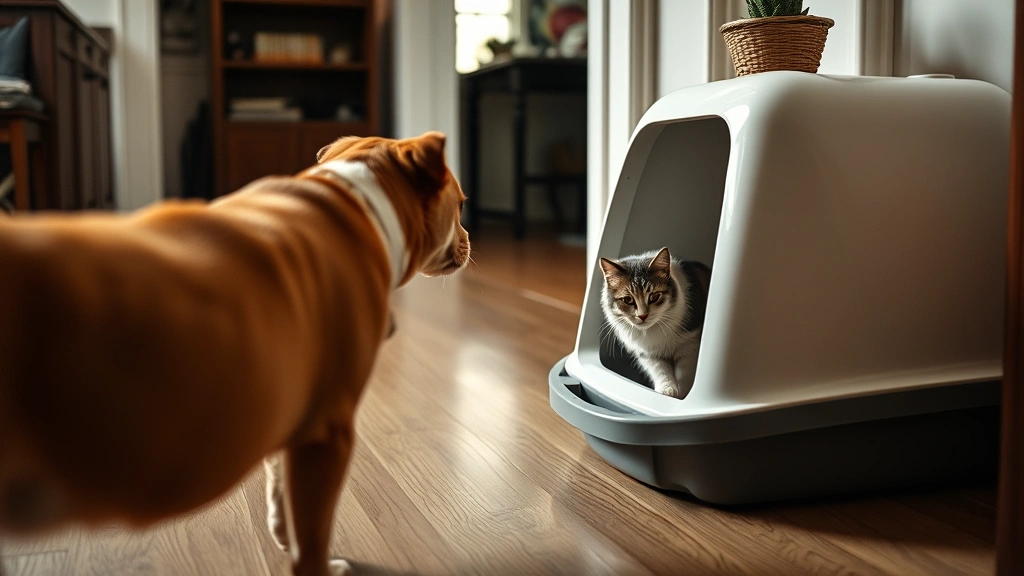
Why Does My Dog Eat Cat Poop?
One of the most unpleasant behaviors dog owners encounter is when their beloved canine companion starts snacking on cat litter box waste. This behavior, while repulsive to us, is surprisingly common among dogs and has several scientific explanations. Whether your dog is driven by nutritional deficiencies, natural instincts, or simple curiosity, understanding the root cause is the first step toward addressing this problematic habit. In this comprehensive guide, we’ll explore why your dog might be engaging in this behavior and what you can do about it.
If you’re wondering “why do dogs eat cat poop,” you’re not alone. This is one of the most frequently asked questions among multi-pet households. The behavior is technically called coprophagia when dogs consume feces, and while it’s more commonly associated with consuming their own waste or other animals’ droppings, cat poop holds a particular appeal for many dogs.
The good news is that with proper understanding and intervention strategies, you can significantly reduce or eliminate this unwanted behavior. Let’s dive into the various reasons why your dog might find cat litter box contents so appealing.
Table of Contents
- Nutritional Deficiencies and Dietary Imbalances
- Natural Instincts and Predatory Behavior
- Medical Reasons Behind the Behavior
- Health Risks of Consuming Cat Feces
- Prevention and Management Strategies
- Behavioral Solutions and Training
- Frequently Asked Questions
Nutritional Deficiencies and Dietary Imbalances
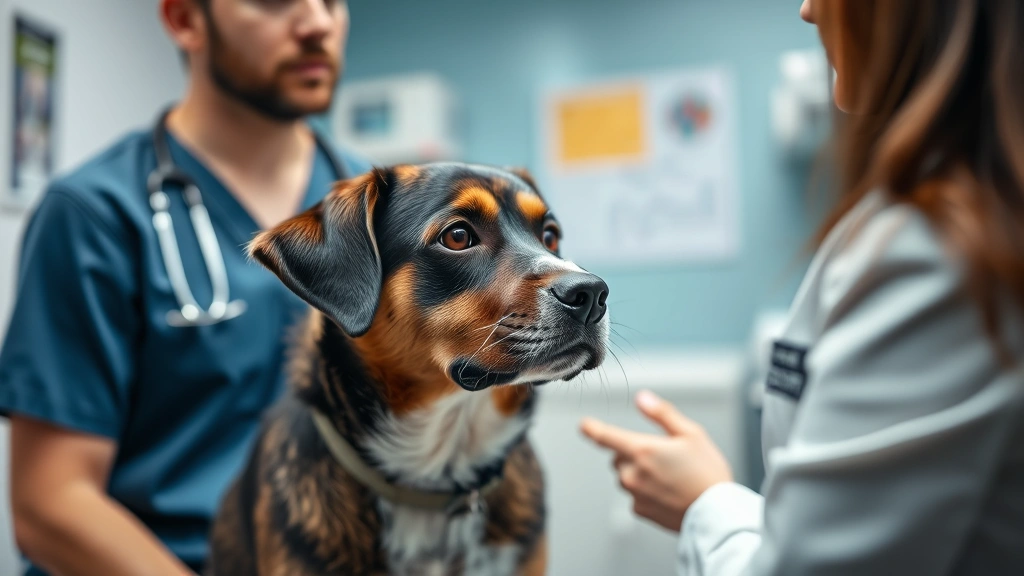
One of the most common reasons dogs eat cat poop is that they’re missing essential nutrients in their diet. Cat food is significantly higher in protein and fat compared to dog food, making cat feces a nutrient-rich snack from a dog’s perspective. When your dog’s diet lacks certain vitamins, minerals, or nutrients, they may instinctively seek out alternative food sources that can supplement their nutritional needs.
Dogs experiencing nutrient deficiencies may crave foods that contain what their bodies are lacking. This is why consulting with your veterinarian about your dog’s current diet is crucial. Your vet can recommend high-quality dog food formulations that provide complete and balanced nutrition. According to the PetMD resource on why dogs eat poop, nutritional imbalances are frequently cited as a contributing factor.
Additionally, some dogs may have underlying digestive issues that prevent them from properly absorbing nutrients from their regular food. Conditions like malabsorption syndrome, pancreatitis, or other gastrointestinal disorders can lead to nutrient deficiencies and trigger coprophagia behavior. If you suspect your dog has a dietary issue, schedule a veterinary examination to rule out these possibilities.
Natural Instincts and Predatory Behavior
Dogs are natural scavengers and hunters, and this instinctive behavior extends to their interest in cat poop. From an evolutionary perspective, feces can provide valuable information about prey animals and their health status. Your dog’s interest in cat litter box waste may simply be an extension of their natural investigative instincts combined with their predatory nature.
The fact that cat poop smells distinctly different from dog poop also plays a role. This novel scent can trigger curiosity and appeal to your dog’s hunting instincts. The Humane Society provides valuable insights into why dogs are naturally drawn to poop consumption. Many dogs view the litter box as an easy-access snack bar, especially if they’re bored or have limited access to appropriate play and mental stimulation.
This predatory interest is particularly strong in certain breeds, such as terriers and hunting breeds that were originally developed to track and pursue small animals. Understanding that this behavior is rooted in your dog’s natural instincts can help you approach the problem with more patience and empathy while developing effective management strategies.
Medical Reasons Behind the Behavior
Beyond nutritional issues, several medical conditions can cause or contribute to your dog eating cat poop. Parasitic infections, for instance, can lead to nutrient deficiencies and increase your dog’s drive to consume feces. Intestinal parasites like roundworms, hookworms, and tapeworms can compromise your dog’s digestive system and nutrient absorption.
Diabetes and thyroid disorders are also known to increase appetite and can lead to coprophagic behavior in dogs. When your dog’s metabolism isn’t functioning properly, they may feel perpetually hungry and seek out any available food source, including cat waste. Consulting with your veterinarian is essential if you notice a sudden onset of this behavior or if it’s accompanied by other symptoms like weight loss, increased appetite, or changes in bowel movements.
Enzyme deficiencies can also play a role. Some dogs lack sufficient digestive enzymes to properly break down and absorb nutrients from their food. This deficiency can trigger the urge to consume feces. Your vet may recommend digestive enzyme supplements or a diet that’s easier to digest. VCA Animal Hospitals offers comprehensive information about medical factors contributing to this behavior.
Health Risks of Consuming Cat Feces
Before we discuss solutions, it’s important to understand the potential health hazards of your dog consuming cat poop. Can dogs eat cat poop is a question with a definitive answer: no, they shouldn’t. Cat feces can contain harmful parasites, bacteria, and viruses that pose serious health risks to your dog.
One of the most significant concerns is the transmission of parasites like Toxoplasma gondii, which is commonly found in cat feces. While this parasite typically doesn’t cause severe illness in dogs, it can be problematic for pregnant dogs or those with compromised immune systems. Additionally, bacterial infections from E. coli, Salmonella, and other pathogens present in cat waste can cause gastrointestinal distress in your dog.
The AVMA’s animal poison control resources emphasize the importance of preventing dogs from consuming potentially contaminated materials. Other health risks include intestinal blockages if your dog consumes litter clumps along with the feces, and the potential ingestion of medications or supplements that may have been passed through the cat’s system.
Prevention and Management Strategies
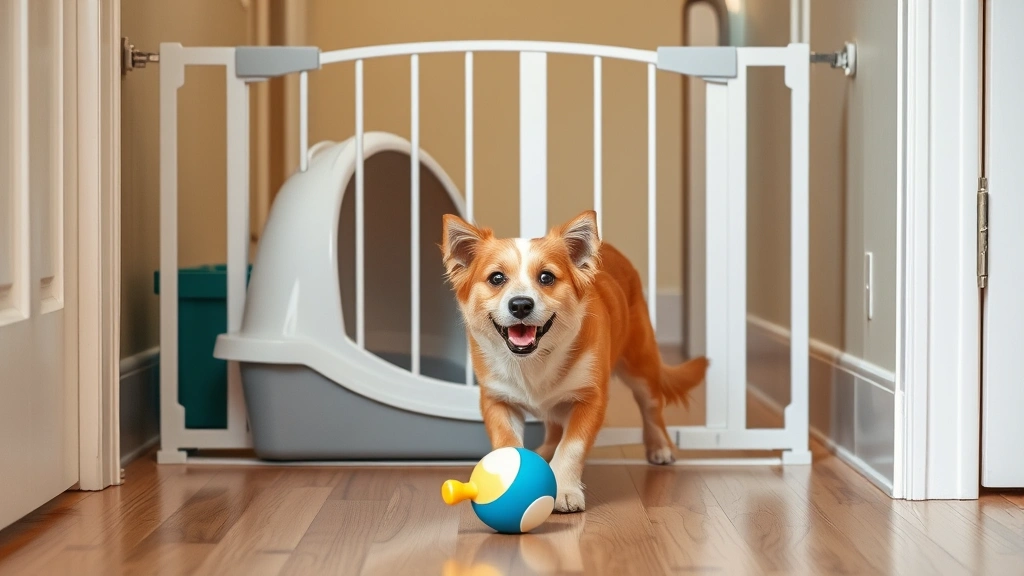
The most effective approach to addressing this issue is prevention. Learning how to keep dogs out of cat litter box areas is crucial for multi-pet households. One of the simplest solutions is to place the litter box in a location where your dog cannot access it. This might include a separate room, a closet with a pet door sized for cats only, or behind a baby gate.
For those who cannot physically separate their pets, consider investing in covered litter boxes or boxes with entry points designed to allow only cats to enter. Some boxes have motion-activated covers that close when a dog approaches. Another option is to use a large storage container with a hole cut in the side, sized appropriately for your cat but too small for your dog to squeeze through.
Maintaining a strict litter box cleaning schedule is also important. The more frequently you remove waste, the less appealing the litter box becomes to your dog. Many experts recommend scooping at least twice daily, if not after each use. Keeping the litter box area clean and free of scattered litter also helps reduce temptation.
Behavioral Solutions and Training
Beyond physical barriers, behavioral training plays a vital role in addressing this issue. Teaching your dog a strong “leave it” command can be invaluable. Work with a professional dog trainer to develop a solid leave-it response that your dog will reliably follow, even when faced with tempting situations.
Increasing your dog’s mental and physical exercise is another effective strategy. A bored, under-stimulated dog is more likely to engage in inappropriate behaviors like eating cat poop. Ensure your dog gets adequate daily exercise through walks, playtime, and interactive games. Mental stimulation through puzzle toys, training sessions, and enrichment activities can also significantly reduce unwanted behaviors.
Understanding why do dogs eat poop in general can help you develop comprehensive strategies. If your dog has developed a habit of consuming cat feces, positive reinforcement training is essential. Reward your dog when they ignore the litter box and redirect their attention to appropriate toys and activities instead.
Addressing any underlying dietary or medical issues is also critical. Work with your veterinarian to ensure your dog is on an appropriate diet with proper supplementation if needed. Understanding is it bad for dogs to eat cat poop can motivate you to take action quickly. If medical conditions are contributing to the behavior, treating those conditions may resolve the coprophagia naturally.
Never punish your dog for engaging in this behavior. Punishment can create anxiety and may actually worsen the problem. Instead, focus on management, prevention, and positive reinforcement of desired behaviors. Consistency across all household members is essential for success.
Frequently Asked Questions
Why is my dog obsessed with the cat litter box?
Dogs can become obsessed with litter boxes for multiple reasons. The high-protein cat food diet, combined with the novel scents and flavors, makes cat poop appealing from a dog’s perspective. Additionally, why is my dog eating cat poop might be related to nutritional gaps, medical issues, or simple boredom. Some dogs find the litter box endlessly interesting because of the constant new scents and the perceived reward of finding fresh waste.
Can eating cat poop make my dog sick?
Yes, consuming cat feces can potentially make your dog sick. The primary concerns include parasitic infections, bacterial contamination, and viral transmission. Conditions like giardiasis, toxoplasmosis, and salmonella infections can all result from eating cat poop. If your dog has consumed cat waste and is showing signs of illness such as vomiting, diarrhea, or lethargy, contact your veterinarian immediately.
How do I stop my dog from eating cat poop?
There are several approaches to addressing this issue. Learning how to stop dog from eating cat poop involves a multi-faceted approach including physical barriers, behavioral training, dietary adjustments, and medical evaluation. Start by making the litter box inaccessible, then work on training your dog to leave the area alone. Ensure your dog receives adequate exercise and mental stimulation, and consult with your veterinarian about potential nutritional or medical underlying causes.
Is cat poop more nutritious than dog food?
While cat poop is higher in protein and fat due to the high-protein nature of cat food, it is not a nutritious food source for dogs. The digestive system of cats processes food differently than dogs do, and their feces don’t contain the balanced nutrients a dog requires. Furthermore, consuming cat feces exposes your dog to harmful pathogens and parasites that outweigh any perceived nutritional benefit.
What health problems can cause a dog to eat poop?
Several health issues can trigger coprophagic behavior in dogs. These include malabsorption disorders, pancreatitis, diabetes, thyroid disease, and parasitic infections. Enzyme deficiencies and food allergies can also contribute to the behavior. According to the American Kennel Club’s expert advice on this topic, medical evaluation is an important first step in addressing the problem.
Should I be concerned if my dog eats cat poop occasionally?
While occasional consumption may not cause immediate illness, it’s best to prevent any instances of cat poop consumption. Even one exposure could potentially result in parasitic infection or bacterial contamination. The safest approach is to eliminate all opportunities for your dog to access cat waste through prevention strategies and training.
Can dietary supplements help prevent this behavior?
Dietary supplements may help if nutritional deficiencies are contributing to the behavior. Digestive enzyme supplements, probiotics, and specific vitamin or mineral supplements recommended by your veterinarian can support digestive health. However, supplements are most effective when combined with a high-quality, complete and balanced diet appropriate for your dog’s age, size, and activity level.
Remember that every dog is unique, and what works for one may not work for another. Patience, consistency, and professional guidance from your veterinarian and a certified dog trainer will give you the best chance of successfully addressing this unpleasant but manageable behavior. With the right approach, you can protect both your dog’s health and your household’s harmony.





