
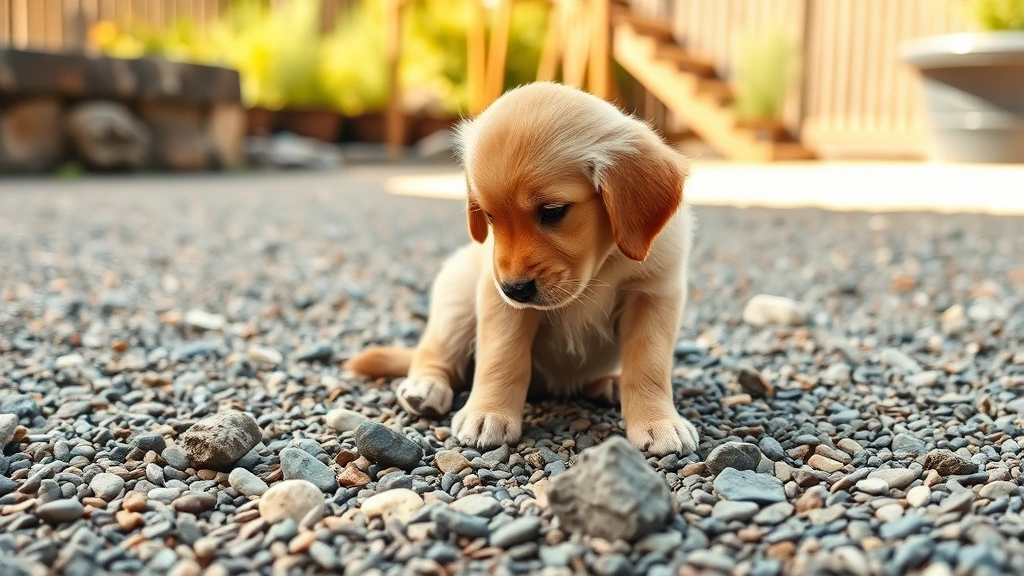
If you’ve caught your furry friend munching on rocks like they’re gourmet pebbles, you’re probably wondering: why does my dog eat rocks? This quirky (and honestly, terrifying) behavior is more common than you’d think, and it usually signals that something’s up—whether it’s boredom, a medical issue, or a nutritional deficiency. Let’s dig into this rocky situation and figure out what’s going on with your pup.
Table of Contents
- What Is Pica in Dogs and Why It Matters
- Reason #1: Nutritional Deficiencies and Mineral Imbalances
- Reason #2: Boredom and Lack of Mental Stimulation
- Reason #3: Anxiety, Stress, and Behavioral Issues
- Reason #4: Underlying Medical Conditions and Parasites
- Reason #5: Teething Puppies and Chewing Instincts
- Immediate Steps: Preventing Rock-Eating Behavior
- When to Call the Vet: Red Flags You Can’t Ignore
- Nutritional Solutions: Feeding Your Rock-Eating Pup Right
- Training and Behavioral Modification Techniques
- Long-Term Management and Prevention Strategies
- Frequently Asked Questions
- Final Thoughts: Keeping Your Pup Safe From Rocks
What Is Pica in Dogs and Why It Matters
First things first: rock-eating in dogs is called pica, which is the fancy veterinary term for when dogs compulsively eat non-food items. It’s not just a quirky phase—it’s a red flag that deserves your attention. Pica can lead to serious health complications like intestinal blockages, broken teeth, and internal injuries. According to the American Kennel Club, pica is often a symptom of underlying physical or behavioral issues that need addressing.
Reason #1: Nutritional Deficiencies and Mineral Imbalances
One of the most common culprits behind rock-eating behavior is a lack of essential nutrients. Dogs with deficiencies in iron, zinc, or other minerals sometimes turn to eating rocks and dirt to compensate. It’s their weird way of trying to self-medicate. If your dog isn’t getting proper nutrition, they might be craving the minerals found in soil and rocks. Consider discussing low protein dog food alternatives or adding supplements to their diet. A vet can run blood work to identify specific deficiencies.
Reason #2: Boredom and Lack of Mental Stimulation
Dogs are smart creatures—sometimes too smart for their own good. When they’re bored out of their minds, they’ll find ways to entertain themselves, even if it means crunching on gravel. This is especially true for high-energy breeds that aren’t getting enough exercise or mental enrichment. If your pup is stuck inside all day without toys, games, or interaction, rock-eating might be their way of saying, “Hey, I need something to do!” Increase playtime, introduce puzzle toys, and provide more outdoor activities.
Reason #3: Anxiety, Stress, and Behavioral Issues
Just like some humans stress-eat ice cream, dogs sometimes stress-eat rocks. Anxiety, separation anxiety, or general stress can trigger compulsive rock-eating behavior. Changes in the household, loud noises, or even lack of routine can set your dog off. This type of pica is a coping mechanism. If you suspect anxiety is the culprit, work with a certified dog trainer or veterinary behaviorist to address the underlying stress. PetMD recommends creating a calm environment and establishing consistent routines.
Reason #4: Underlying Medical Conditions and Parasites
Sometimes rock-eating is a symptom of something more serious. Gastrointestinal issues, parasites, thyroid problems, or even certain medications can trigger pica behavior. Intestinal parasites, in particular, can cause nutrient malabsorption, leading your dog to seek out rocks and dirt. If your dog suddenly starts eating rocks, get them to a vet ASAP. Blood work and fecal tests can rule out medical issues. This is especially important if the behavior is new or accompanied by other symptoms like vomiting, diarrhea, or weight loss.
Reason #5: Teething Puppies and Chewing Instincts
Puppies explore the world with their mouths, and sometimes that exploration includes rocks. Teething puppies especially need to chew on something, and if they don’t have appropriate outlets, they’ll turn to whatever’s available—including gravel and pebbles. Provide appropriate chewing toys like Nylabones or other safe chew toys to redirect this natural instinct. As puppies age and their permanent teeth come in, this behavior typically decreases.
Immediate Steps: Preventing Rock-Eating Behavior
Once you’ve identified why your dog eats rocks, it’s time to prevent it. Here’s what you can do right now:
- Supervise outdoor time: Keep a close eye on your pup when they’re outside. If you catch them going for a rock, redirect them immediately to an appropriate toy.
- Remove access: If possible, limit your dog’s access to areas with loose rocks or gravel. Use fencing or landscaping changes to create a safer environment.
- Provide alternatives: Offer plenty of safe chewing options like rubber toys, rope toys, and puzzle feeders filled with treats.
- Increase exercise: A tired dog is a well-behaved dog. Aim for at least 30-60 minutes of exercise daily, depending on your dog’s age and breed.
- Enrich their environment: Rotate toys, play games, and provide mental stimulation to keep boredom at bay.
When to Call the Vet: Red Flags You Can’t Ignore
Rock-eating isn’t something to brush off. If your dog shows any of these signs, contact your vet immediately:
- Vomiting or retching
- Loss of appetite
- Constipation or diarrhea
- Abdominal pain or bloating
- Lethargy or unusual behavior
- Difficulty defecating
- Blood in stool
These symptoms could indicate an intestinal blockage, which is a medical emergency. Don’t wait—get your dog to the vet.
Nutritional Solutions: Feeding Your Rock-Eating Pup Right
If nutritional deficiency is the culprit, fixing your dog’s diet is crucial. Work with your vet to ensure your dog is getting:
- High-quality protein
- Essential fatty acids
- Proper mineral balance (calcium, phosphorus, zinc, iron)
- Adequate vitamins
Consider adding joint supplements for dogs if recommended by your vet, as some supplements can address mineral deficiencies. Premium dog foods are formulated to meet AAFCO standards and provide complete nutrition. If your dog has specific dietary needs, your vet might recommend prescription diets.
Training and Behavioral Modification Techniques
Teaching your dog to drop or leave objects on command is invaluable. Here’s a quick training approach:
- “Leave it” command: Practice with low-stakes items first (treats, toys). Reward heavily when your dog ignores the item.
- “Drop it” command: If your dog already has a rock, teach them to release it on command using high-value rewards.
- Redirect behavior: When you catch your dog going for rocks, immediately redirect to an appropriate toy and reward.
- Positive reinforcement: Reward your dog for playing with appropriate toys and ignoring rocks.
Consistency is key—everyone in your household needs to enforce the same rules.
Long-Term Management and Prevention Strategies
Preventing rock-eating long-term requires a multi-faceted approach. Keep your dog mentally and physically stimulated, maintain regular vet checkups, provide a balanced diet, and address any anxiety or behavioral issues. Some dogs are just more prone to pica than others, so you may need to be vigilant about their environment permanently. Think of it like dog-proofing your yard—you’re creating a space where rock-eating simply isn’t an option.
Frequently Asked Questions
Can eating rocks kill a dog?
Yes, eating rocks can be fatal. Rocks can cause intestinal blockages, perforations, or choking. Even small rocks can accumulate in the digestive system and cause serious complications. If you suspect your dog has swallowed rocks, contact your vet immediately.
Is my dog eating rocks because of a stomach problem?
Possibly. Gastrointestinal issues, parasites, or acid reflux can trigger pica behavior. However, rock-eating can also indicate boredom, anxiety, or nutritional deficiencies. A vet can help determine the cause through examination and testing.
How do I know if my dog has a blockage from eating rocks?
Signs of intestinal blockage include vomiting, loss of appetite, abdominal pain, constipation, lethargy, and inability to defecate. If you notice any of these symptoms, seek emergency veterinary care. X-rays or ultrasounds can confirm a blockage.
Will my dog eventually stop eating rocks?
It depends on the underlying cause. If it’s teething, it should stop as the dog matures. If it’s behavioral or nutritional, addressing the root cause can help. However, some dogs remain prone to pica throughout their lives and require ongoing management and supervision.
Is pica in dogs hereditary?
While certain breeds may be more prone to compulsive behaviors, pica isn’t strictly hereditary. However, predisposition to anxiety or other behavioral issues can be genetic. Proper training, environment, and care can help prevent pica regardless of genetics.
Can I use bitter spray to stop my dog from eating rocks?
Bitter sprays work better on chewable items than rocks. Since rocks aren’t typically sprayed, this method has limited effectiveness for rock-eating. Focus instead on supervision, redirection, and removing access to rocks.
Final Thoughts: Keeping Your Pup Safe From Rocks
If you’re wondering why your dog eats rocks, the answer usually lies in one of five categories: nutritional deficiencies, boredom, anxiety, medical issues, or natural chewing instincts. The good news? Most cases are manageable once you identify the root cause. Work closely with your veterinarian, increase mental and physical stimulation, ensure proper nutrition, and supervise outdoor time. With patience and consistency, you can break this rocky habit and keep your furry friend safe and healthy. Remember, rock-eating isn’t just annoying—it’s dangerous. Take it seriously, and your dog will thank you for it. Also, if you’re dealing with other odd behaviors, check out our article on is it normal for a dog to snore and my dog ate chocolate but is acting fine for more insights into canine behavior and health.





