

If you’re wondering why does my dog excessively lick me, you’re not alone—and honestly, it’s one of the most common questions pet parents ask their vets. That constant licking can feel like your pup is trying to tell you something important, and spoiler alert: they usually are. Whether it’s affection, anxiety, or a medical issue hiding beneath all that slobber, understanding the root cause is key to keeping your furry friend happy and healthy.
Table of Contents
- The Love Language of Licking: Affection and Bonding
- Excessive Licking as a Sign of Stress and Anxiety
- Medical Issues: When Licking Signals Health Problems
- Nutritional Deficiencies and Pica Behavior
- Attention-Seeking Behavior and Learned Habits
- Hormonal Changes and Reproductive Issues
- Environmental Factors and Seasonal Triggers
- Breed Predisposition and Genetic Factors
- How to Address Excessive Licking: Practical Solutions
- When to Seek Professional Help
- Summary: Understanding Your Dog’s Licking Behavior
- Frequently Asked Questions
The Love Language of Licking: Affection and Bonding
Let’s start with the sweet stuff. Dogs lick their humans as a sign of love and affection, much like how they lick their littermates and mothers in puppyhood. It’s their way of saying, “Hey, I care about you!” When your dog licks your face, hands, or arms repeatedly, they’re often trying to strengthen that bond with you. This behavior triggers the release of oxytocin in both you and your dog—basically the love hormone. It feels good for them, and let’s be honest, it usually feels pretty good for us too (until they lick your face at 6 AM). A study from the American Psychological Association supports this, showing that dogs use licking as a genuine bonding mechanism with their owners.
Excessive Licking as a Sign of Stress and Anxiety
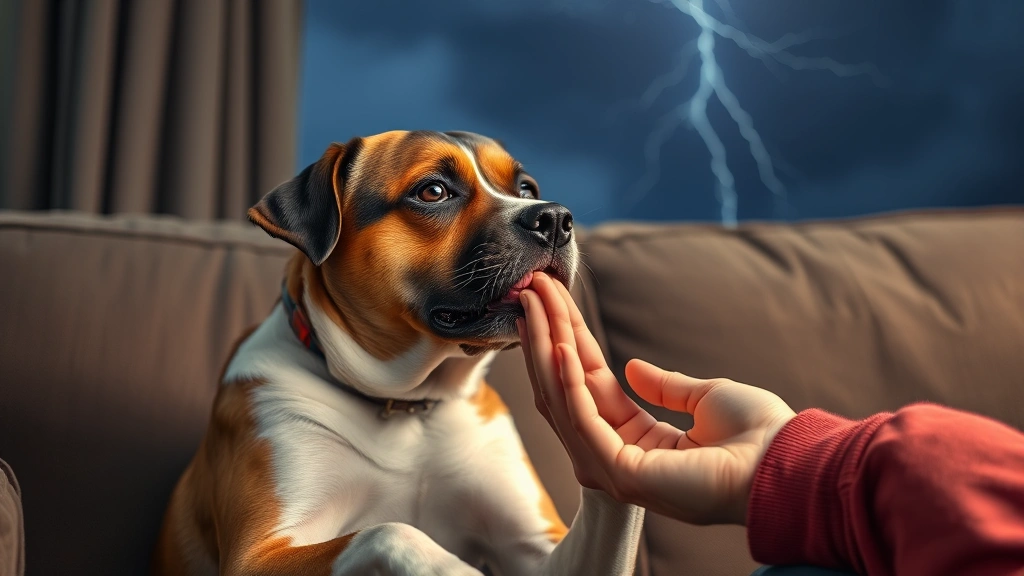
Now here’s where things get a bit more serious. Excessive licking can also be your dog’s way of self-soothing when they’re stressed, anxious, or dealing with separation anxiety. Some dogs lick compulsively when they’re nervous about thunderstorms, fireworks, or even just you leaving for work. This repetitive behavior actually calms their nervous system—kind of like how humans might bite their nails or fidget when stressed. If your dog is licking you excessively during stressful situations, that’s their way of seeking comfort and reassurance. The behavior can become obsessive if the underlying anxiety isn’t addressed, so paying attention to when the licking happens most frequently is crucial for understanding what’s really going on.
Medical Issues: When Licking Signals Health Problems
Here’s something many dog owners miss: excessive licking can be a red flag for underlying health conditions. Allergies, skin infections, ear infections, and parasites can all cause your dog to lick excessively—sometimes directing that licking toward you as they seek comfort. Conditions like Lyme disease symptoms in dogs can trigger behavioral changes including increased licking. Additionally, gastrointestinal issues, dental problems, or even neurological conditions might manifest as obsessive licking behavior. According to the American Kennel Club, if your dog’s licking is accompanied by hair loss, red skin, or a foul odor, it’s time to call your vet immediately. Don’t brush this off as just quirky behavior—your pup might be trying to tell you something hurts.
Nutritional Deficiencies and Pica Behavior
Sometimes excessive licking stems from nutritional imbalances or a condition called pica, where dogs crave non-food items or exhibit unusual eating behaviors. A diet lacking in essential nutrients, particularly certain minerals and vitamins, can drive dogs to lick excessively in search of what their body is missing. This is especially common in dogs fed low-quality commercial kibble or those with absorption issues. If your dog is licking you, furniture, walls, or other non-food items obsessively, it might be worth discussing dietary adjustments with your veterinarian. High-quality, nutrient-dense dog food can sometimes resolve this issue entirely.
Attention-Seeking Behavior and Learned Habits
Let’s be real: dogs are smart, and they’ve figured out that licking gets your attention. If you’ve rewarded your dog’s licking with cuddles, treats, or verbal responses (even negative attention counts!), they’ve learned that this behavior works. This is classic operant conditioning. Your dog licks, you react, and boom—they’ve just reinforced the behavior. If your pup is licking you excessively to get attention, the solution is to ignore the behavior and reward them only when they’re calm and not licking. This requires consistency from everyone in your household, but it works surprisingly well. Try redirecting their energy to a lick mat for dogs, which provides a positive outlet for their licking urges while keeping them entertained.
Hormonal Changes and Reproductive Issues
Female dogs going through heat cycles or experiencing false pregnancy in dogs sometimes exhibit increased licking behavior. Hormonal fluctuations can trigger maternal instincts and behavioral changes, including excessive licking. Male dogs may also increase licking when they detect a female in heat nearby. If you’ve noticed this pattern coinciding with your dog’s reproductive cycle, spaying or neutering (if appropriate for your dog’s age and health) can help regulate these hormonal surges and reduce the behavior.
Environmental Factors and Seasonal Triggers
Sometimes the environment plays a bigger role than we realize. Dry indoor air during winter can cause skin irritation, leading to increased licking. Allergens like pollen, dust mites, or mold can spike during certain seasons, triggering allergic reactions that manifest as excessive licking. Even changes in humidity or temperature can affect your dog’s skin and coat health. Keep your home environment stable, use a humidifier if needed, and monitor whether the licking increases during specific seasons. This information is gold when discussing the issue with your vet.
Breed Predisposition and Genetic Factors
Some dog breeds are naturally more prone to licking than others. Labradors, Golden Retrievers, and Cocker Spaniels, for example, tend to be lickier breeds overall. This isn’t necessarily a problem unless the licking becomes obsessive or causes skin damage. Certain breeds also have genetic predispositions to anxiety and stress-related behaviors, which can manifest as excessive licking. Understanding your breed’s natural tendencies helps you distinguish between normal breed behavior and something that actually needs intervention.
How to Address Excessive Licking: Practical Solutions
So what do you actually do about it? First, schedule a vet visit to rule out medical issues. Your veterinarian can check for skin conditions, allergies, parasites, and other health problems. Once medical causes are ruled out, focus on the behavioral aspect. Increase exercise and mental stimulation—a tired dog is less likely to engage in obsessive behaviors. Provide appropriate outlets like lick mats, puzzle toys, or chew toys. Consider working with a certified dog trainer or veterinary behaviorist if anxiety is the culprit. Some dogs benefit from calming supplements, anxiety wraps, or even medication prescribed by their vet. According to PetMD, consistent training and environmental management often resolve excessive licking within weeks.
When to Seek Professional Help
If your dog’s licking is causing skin damage, bleeding, or signs of infection, that’s an emergency. Similarly, if the behavior is accompanied by other symptoms like lethargy, loss of appetite, or behavioral changes, get to your vet ASAP. Excessive licking that doesn’t improve with training or environmental changes may require professional behavioral intervention or medication. Your vet can refer you to a board-certified veterinary behaviorist who specializes in these issues. Don’t wait and hope it goes away—early intervention prevents the behavior from becoming deeply ingrained.
Summary: Understanding Your Dog’s Licking Behavior
Excessive licking can stem from affection, anxiety, medical conditions, nutritional deficiencies, attention-seeking, hormonal changes, environmental factors, or breed predisposition. The key is identifying which factor (or combination of factors) is driving your dog’s behavior. Start with a vet visit to rule out health issues, then address behavioral and environmental factors. With patience, consistency, and professional guidance when needed, most excessive licking issues can be resolved. Your dog isn’t trying to annoy you—they’re usually trying to communicate something important.
Frequently Asked Questions
Is it normal for dogs to lick their owners excessively?
Some licking is completely normal and healthy, but excessive licking—where your dog is constantly licking you throughout the day—warrants investigation. It could indicate affection, but it’s often a sign of underlying issues like anxiety, allergies, or medical problems.
Can excessive licking be a sign of a medical emergency?
Yes, if the licking is accompanied by bleeding, infection, open sores, or signs of severe distress, contact your vet immediately. Additionally, if licking is a sudden behavioral change, it could indicate a medical issue that needs prompt attention.
How can I stop my dog from licking me so much?
Start by ruling out medical causes with your vet. Then, ignore the licking behavior (don’t reward it with attention), redirect to appropriate outlets like lick mats, increase exercise, and consider working with a trainer if anxiety is involved. Consistency is key.
Does licking mean my dog loves me?
Licking is one way dogs show affection, but excessive licking often means something else is going on. While some licking definitely signals love and bonding, it can also indicate stress, discomfort, or learned attention-seeking behavior.
What should I do if my dog’s licking causes skin problems?
See your vet to identify the cause and prevent infection. They may recommend topical treatments, antibiotics, or behavioral modifications. Address the underlying cause rather than just treating the symptoms to prevent the cycle from continuing.





