

Why Does My Dog Fart So Much?
If you’ve noticed your furry companion releasing more gas than seems reasonable, you’re not alone. Dog flatulence is a common concern among pet owners, and while it might seem amusing at first, excessive gas can indicate underlying issues that deserve attention. As a veterinary specialist with years of experience in canine digestive health, I’ve encountered countless dog owners puzzled by their pets’ intestinal symphony. Understanding why your dog farts so much is the first step toward improving their digestive comfort and overall wellbeing.
Canine flatulence occurs when gas accumulates in the digestive tract and is expelled through the rectum. While some gas is completely normal—dogs produce it during the digestion process just like humans do—excessive farting can signal dietary problems, food sensitivities, or more serious health concerns. The good news is that most cases of excessive dog gas are manageable with proper diet adjustments and lifestyle modifications. In this comprehensive guide, we’ll explore the various causes of dog flatulence and provide you with practical solutions to help your pet feel better.
Beyond the obvious embarrassment of a smelly situation, excessive gas can cause your dog genuine discomfort. If your dog is frequently passing gas, they may also experience bloating, abdominal pain, or other digestive distress. This is why identifying the root cause is so important. Let’s dive deep into the reasons behind your dog’s excessive flatulence and discover how you can help them achieve better digestive health.
Table of Contents
- Dietary Causes of Dog Flatulence
- Food Sensitivities and Allergies
- Digestive Disorders and Health Issues
- Eating Habits and Behavioral Factors
- Prevention and Solutions
- When to See Your Veterinarian
- Frequently Asked Questions

Dietary Causes of Dog Flatulence
The most common reason dogs fart excessively is their diet. Just like humans, dogs can experience digestive upset when they eat certain foods or when their diet lacks proper balance. Low-quality commercial dog foods often contain excessive fillers, artificial ingredients, and hard-to-digest components that can ferment in the colon and produce gas. According to the PetMD guide on flatulence in dogs, dietary indiscretion is one of the leading causes of canine gas production.
Certain ingredients are notorious for causing flatulence in dogs. Beans, peas, and legumes—while sometimes found in grain-free diets—are particularly problematic because they contain complex carbohydrates that dogs struggle to digest properly. Corn, wheat, and soy are also common culprits, especially in budget-friendly dog foods. High-fat diets can also contribute to excessive gas production, as can sudden changes in diet. When introducing new food to your dog, it’s essential to do so gradually over 7-10 days to allow their digestive system to adjust.
Fiber content in your dog’s diet plays a crucial role in digestive health. While adequate fiber is important for healthy digestion, excessive fiber can also produce gas as it ferments in the colon. Finding the right balance is key. Premium dog foods formulated with high-quality proteins and easily digestible carbohydrates tend to produce less gas than their lower-quality counterparts. If you’re concerned about your dog’s diet, consult with your veterinarian about switching to a limited-ingredient or novel protein diet.
Food Sensitivities and Allergies
Many dogs suffer from food sensitivities or allergies that manifest as excessive flatulence. Unlike food allergies, which trigger immune system responses, food sensitivities cause digestive distress without involving the immune system. Common allergens for dogs include beef, chicken, dairy, wheat, and corn. When a dog consumes a food they’re sensitive to, their digestive system becomes inflamed, leading to improper digestion and gas production. Related to digestive health concerns, you might also notice your dog exhibiting other unusual behaviors—for instance, why do dogs lick their paws is often a sign of food allergies or skin irritation caused by dietary issues.
Identifying food sensitivities requires patience and detective work. Keep a detailed log of what your dog eats and note when flatulence occurs. Does the gas happen after specific meals? Is it worse on certain days? This information will be invaluable when discussing your concerns with your veterinarian. An elimination diet, where you feed your dog a simple diet of limited ingredients for several weeks before gradually reintroducing foods one at a time, can help identify problematic ingredients.
Lactose intolerance is another common issue in dogs. While puppies can digest their mother’s milk, many adult dogs lose the ability to properly digest lactose. If you’re giving your dog dairy products like cheese or yogurt, this could be contributing to their excessive gas. The VCA Animal Hospitals resource on dog flatulence provides detailed information about how dietary components affect gas production in canines.
Digestive Disorders and Health Issues
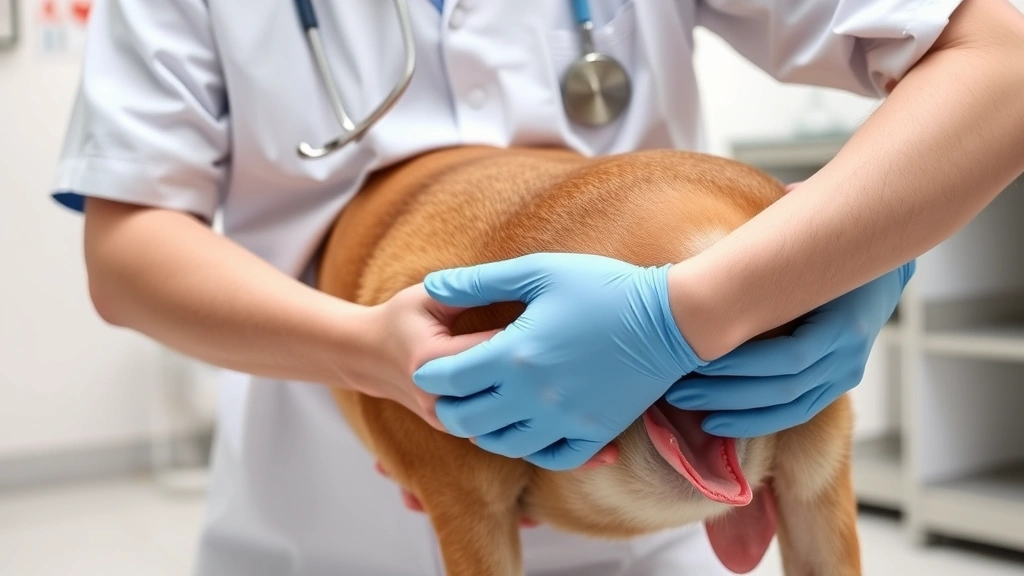
Sometimes excessive dog flatulence indicates an underlying medical condition that requires professional attention. Inflammatory bowel disease (IBD), exocrine pancreatic insufficiency (EPI), and small intestinal bacterial overgrowth (SIBO) are all conditions that can cause excessive gas production. These disorders interfere with your dog’s ability to properly digest food, leading to fermentation and gas accumulation. If your dog’s flatulence is accompanied by diarrhea, constipation, vomiting, or weight loss, it’s crucial to seek veterinary care promptly.
Intestinal parasites are another common cause of excessive gas in dogs. Worms and other parasites damage the intestinal lining and interfere with nutrient absorption, leading to digestive issues and flatulence. Even indoor dogs can contract parasites, so regular deworming and fecal examinations are important preventive measures. Your veterinarian can test for parasites and recommend an appropriate treatment plan if needed. Similar to how why do dogs eat poop can indicate nutritional deficiencies or behavioral issues, excessive gas can also signal underlying health problems.
Age-related changes in digestive function can also contribute to increased flatulence in senior dogs. As dogs age, their digestive enzymes may decrease, making it harder for them to break down food efficiently. Additionally, older dogs may have reduced stomach acid production, which can lead to bacterial overgrowth and gas production. If you’ve noticed an increase in your senior dog’s flatulence, dietary adjustments and supplements designed for aging digestive systems might help.
Eating Habits and Behavioral Factors
How your dog eats can be just as important as what they eat. Dogs that gulp their food without proper chewing swallow excessive air, which accumulates in the digestive tract and is later expelled as gas. This condition, called aerophagia, is particularly common in dogs that eat too quickly or in stressful environments. Providing your dog with a slow-feeder bowl or puzzle feeder can significantly reduce the amount of air they ingest during meals. Feeding your dog in a calm, quiet environment away from other pets can also help them eat more slowly and mindfully.
Some dogs are notorious for eating non-food items or getting into the trash, which can cause serious digestive issues and excessive gas. While your dog’s strange behaviors might seem unrelated to flatulence, activities like these can introduce harmful bacteria, toxins, or indigestible materials into their system. Managing your dog’s environment to prevent access to garbage and non-food items is an important part of preventing digestive problems. Just as understanding why do dogs pant helps you recognize stress signals, understanding your dog’s eating behavior can help prevent gas-related issues.
Exercise timing also plays a role in digestive health. Vigorous exercise immediately after eating can cause digestive upset and increase gas production. It’s best to wait at least 30 minutes to an hour after feeding before engaging in intense physical activity. Conversely, appropriate exercise throughout the day promotes healthy digestion and can actually help reduce gas. A well-exercised dog tends to have better overall digestive function.
Prevention and Solutions
The first step in reducing your dog’s flatulence is investing in high-quality dog food. Look for foods with named meat proteins as the first ingredient, minimal fillers, and no artificial additives. Grain-free diets aren’t always better—in fact, some grain-free foods use excessive legumes that can cause gas. Focus on digestibility rather than trendy marketing claims. Consult with your veterinarian or a veterinary nutritionist to find the best food for your dog’s specific needs.
Adding probiotics and digestive enzymes to your dog’s diet can significantly improve their digestive function. Probiotics introduce beneficial bacteria that promote healthy digestion, while digestive enzymes help break down food more efficiently. These supplements can reduce gas production and improve overall digestive comfort. Additionally, prebiotics—which feed the beneficial bacteria in your dog’s gut—can be helpful. The American Kennel Club’s article on why dogs fart discusses various supplementation strategies for managing canine flatulence.
Feeding smaller, more frequent meals can also help reduce gas production. Instead of one or two large meals per day, try feeding your dog three or four smaller portions. This approach is easier on the digestive system and can help prevent the fermentation that causes gas. Always ensure your dog has access to fresh, clean water, as proper hydration is essential for digestive health. You might also consider feeding your dog at consistent times each day, as this helps regulate their digestive system.
Some pet owners find success with specialized digestive care diets designed specifically for dogs with sensitive stomachs or digestive issues. These limited-ingredient diets often contain novel proteins like venison, duck, or fish combined with easily digestible carbohydrates like sweet potato or rice. If your dog has been experiencing chronic flatulence, your veterinarian might recommend such a diet as a therapeutic intervention.
When to See Your Veterinarian
While occasional dog flatulence is normal, excessive gas accompanied by other symptoms warrants veterinary attention. If your dog is experiencing chronic flatulence along with diarrhea, constipation, vomiting, loss of appetite, or weight loss, schedule an appointment with your veterinarian immediately. These symptoms could indicate a serious underlying condition that requires professional diagnosis and treatment. Your vet can perform a physical examination, run diagnostic tests, and recommend appropriate treatment options.
Additionally, if your dog’s flatulence is sudden and severe, or if they seem to be in pain or distress, seek veterinary care promptly. Conditions like bloat (gastric torsion) are medical emergencies that can be life-threatening. While bloat and flatulence are different conditions, excessive gas can sometimes be a precursor to more serious digestive issues. It’s always better to err on the side of caution when it comes to your pet’s health. Interestingly, other respiratory or behavioral changes might accompany digestive issues—for example, why do dogs howl at sirens could be stress-related, and stress can certainly exacerbate digestive problems.
During your veterinary visit, bring a detailed history of your dog’s symptoms, including when the flatulence started, how frequent it is, and any other symptoms you’ve noticed. Information about your dog’s diet, recent dietary changes, and any medications or supplements they’re taking will also be helpful. Your veterinarian might recommend diagnostic tests such as a fecal examination to check for parasites, bloodwork to assess overall health, or imaging studies if they suspect a more serious condition.
Be prepared to discuss your dog’s lifestyle, exercise routine, and any recent stressful events. Sometimes anxiety and stress can negatively impact digestive function. Just as understanding why do dogs sleep so much can help you recognize when your dog might be stressed or unwell, paying attention to your dog’s overall behavior can help identify digestive issues early.
Frequently Asked Questions
Is dog flatulence ever considered normal?
Yes, some dog flatulence is completely normal. Dogs produce gas as part of their natural digestive process, just like humans do. Occasional gas, especially after meals or during digestion, is nothing to worry about. However, if your dog is frequently passing gas—multiple times per day—or if the gas has a particularly foul odor, it may indicate a problem worth investigating.
Can dog breed influence how much a dog farts?
Absolutely. Certain breeds are more prone to digestive issues and excessive flatulence than others. Brachycephalic breeds (those with flat faces like Bulldogs and Pugs) tend to swallow more air while eating and breathing, which can contribute to gas. Larger breeds may also have different digestive characteristics than smaller dogs. If you have a breed known for digestive sensitivity, working closely with your veterinarian on diet management is especially important.
Could my dog’s medication be causing excessive flatulence?
Yes, certain medications can affect digestive function and cause gas as a side effect. Antibiotics, in particular, can disrupt the beneficial bacteria in your dog’s gut, leading to digestive issues. If you suspect your dog’s medication is causing flatulence, don’t stop giving it without consulting your veterinarian. Instead, discuss the side effects with your vet, who can adjust the dosage, recommend probiotics, or suggest alternative medications.
What home remedies can help reduce dog flatulence?
Several home remedies may help reduce dog gas, including adding probiotics and digestive enzymes to their food, switching to a higher-quality diet, using slow-feeder bowls, and ensuring your dog gets adequate exercise. Some pet owners also find that adding small amounts of ginger or pumpkin to their dog’s diet helps with digestion. However, always consult with your veterinarian before introducing new supplements or making significant dietary changes, especially if your dog has existing health conditions. The American Veterinary Medical Association provides evidence-based information on managing dog gas.
How long does it take to see improvement after changing your dog’s diet?
It typically takes 4-6 weeks to see significant improvement in digestive issues after switching to a new diet. Your dog’s digestive system needs time to adjust to new food, and you should introduce dietary changes gradually. Be patient and consistent, and avoid switching foods frequently, as this can perpetuate digestive problems. If you don’t see improvement after 6-8 weeks, consult with your veterinarian about other possible causes or alternative dietary options.
Can stress cause excessive dog flatulence?
Yes, stress and anxiety can definitely affect your dog’s digestive system and increase gas production. Dogs experiencing stress may have altered gut bacteria, increased intestinal permeability, and changes in digestive function. If your dog has recently experienced a major life change—moving to a new home, changes in their routine, or separation anxiety—their digestive issues might be stress-related. Addressing the underlying stress through training, environmental management, and possibly anxiety medication can help improve their digestive health. Conditions like why is my dog coughing could also be stress-related, as anxiety can manifest in various physical symptoms.
When should I be concerned that the flatulence indicates something serious?
You should be concerned if your dog’s excessive flatulence is accompanied by other symptoms such as persistent diarrhea or constipation, vomiting, loss of appetite, weight loss, abdominal distension, or signs of pain. Additionally, if the flatulence is sudden and severe in a dog who previously had no issues, or if your dog seems lethargic or unwell, contact your veterinarian. These symptoms could indicate conditions like inflammatory bowel disease, pancreatitis, or other serious health issues that require professional evaluation and treatment. According to the Humane Society’s guide on pet sounds and health, unusual or concerning sounds from your pet warrant veterinary attention.





