
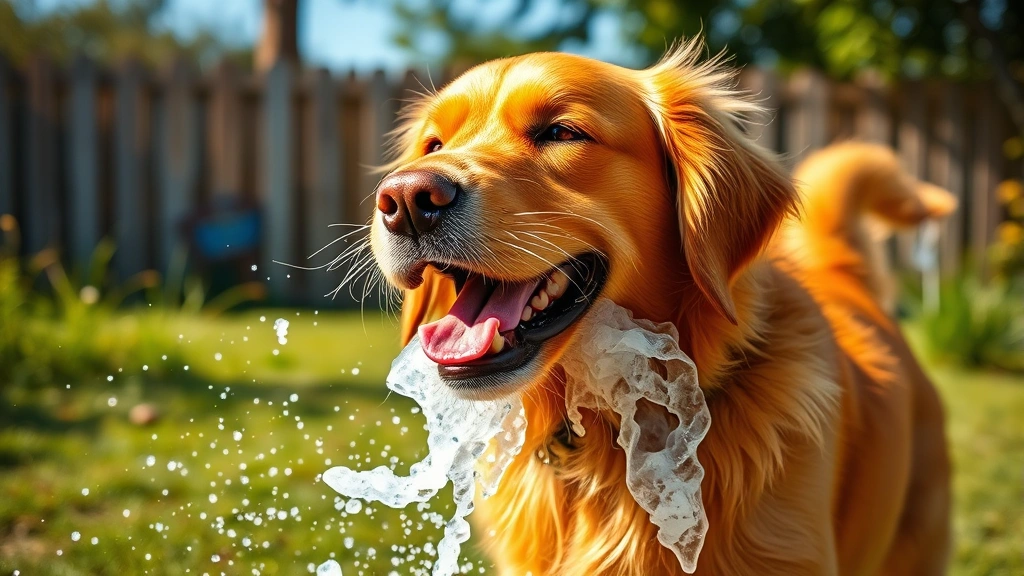
Why does my dog foam at the mouth? If you’ve spotted white, foamy drool around your pup’s mouth and felt that instant spike of panic, you’re not alone. Mouth foam in dogs can range from totally harmless to genuinely concerning, and figuring out which category your dog falls into is crucial for their health and your peace of mind.
Table of Contents
- Understanding Dog Mouth Foam: The Basics
- Cause #1: Excitement and Physical Exertion
- Cause #2: Anxiety and Stress-Related Foaming
- Cause #3: Rabies and Infectious Diseases
- Cause #4: Seizures and Neurological Issues
- Cause #5: Poisoning and Toxin Ingestion
- Other Medical Causes Worth Considering
- When to Panic: Red Flags That Demand Immediate Vet Care
- What Your Vet Will Do
- Prevention and Home Care Tips
- Frequently Asked Questions
Let’s be real—seeing your furry best friend with foam around their mouth is unsettling. But before you spiral into worst-case scenarios, take a breath. We’re going to break down exactly what causes this symptom, when it’s just gross and when it’s genuinely alarming, and most importantly, what you should actually do about it.
Understanding Dog Mouth Foam: The Basics
Foam around a dog’s mouth happens when saliva gets whipped into a frothy consistency. Think of it like shaking up a bottle of soda—the liquid becomes bubbly and foamy. In dogs, this usually occurs during excitement, stress, or physical exertion. But sometimes, it signals something more serious that needs veterinary attention.
The key to determining whether you need to panic is understanding the context. Was your dog just playing intensely? Did they get anxious during a thunderstorm? Or did the foam appear randomly while they were resting? Context is everything here.
Cause #1: Excitement and Physical Exertion
Here’s the good news: most of the time, foaming at the mouth is completely normal and harmless. When dogs get excited—whether they’re about to go for a walk, see their favorite human, or play fetch—their saliva production increases and gets worked into foam during all that panting and rapid movement.
Similarly, after a vigorous play session or run, your dog might have foam around their mouth simply from heavy breathing and exertion. This is the dog equivalent of humans getting sweaty and flushed after a workout. It’s messy but totally benign.
If this is the only time you notice the foam, and your dog is otherwise acting normal, eating well, and showing no other symptoms, you can relax. This is just your dog being their enthusiastic self.
Cause #2: Anxiety and Stress-Related Foaming
Dogs can experience significant stress, and mouth foam is one way it shows up physically. If your dog foams at the mouth during vet visits, thunderstorms, fireworks, or car rides, anxiety is likely the culprit. Some dogs are just naturally more sensitive to stressful situations.
The foam happens because stress triggers increased salivation and rapid breathing. You might also notice other anxiety signs like panting, pacing, whining, or attempts to hide. Lethargy in dogs can sometimes accompany anxiety as well, especially if your pup is chronically stressed.
If stress seems to be the trigger, work on reducing your dog’s anxiety through desensitization, calming supplements, or talking to your vet about anxiety management options. Some dogs benefit from anxiety medications or training techniques.
Cause #3: Rabies and Infectious Diseases
Okay, here’s where things get serious. Rabies is the big scary diagnosis everyone thinks of when they see foam at the mouth, and for good reason—it’s a deadly disease. However, it’s also relatively rare in vaccinated dogs, especially if your pup is current on their rabies vaccine.
Rabies typically comes with other severe symptoms: behavioral changes, aggression or unusual shyness, hypersensitivity to light and sound, difficulty swallowing, and progressive paralysis. If your dog is foaming AND showing these signs, this is a genuine emergency.
Other infectious diseases can also cause foaming, including leptospirosis and other bacterial infections. These conditions often come with fever, lethargy, vomiting, or diarrhea. If your dog is showing multiple concerning symptoms alongside the foam, get to a vet immediately.
This is why keeping your dog’s vaccinations current isn’t just a suggestion—it’s genuinely life-saving. Talk to your veterinarian about the rabies vaccine and other core vaccines your dog needs.
Cause #4: Seizures and Neurological Issues
Seizures are another serious cause of mouth foam. During a seizure, dogs lose muscle control, including control of their mouth and jaw. This causes saliva to build up and foam around the mouth. You’ll typically see other seizure signs: rigid body, jerking movements, loss of consciousness, or unusual paddling motions.
Seizures can be caused by epilepsy, brain tumors, toxin ingestion, or metabolic issues. If you witness your dog having a seizure with foaming, note the time and duration. After it passes, get your dog to the vet as soon as possible. Seizures can be managed with medication, but they need professional diagnosis.
If your dog has had multiple seizures, your vet might recommend preventative medications to reduce frequency and severity. This is definitely a “don’t ignore it” situation.
Cause #5: Poisoning and Toxin Ingestion
Certain toxins cause excessive salivation and foaming as a symptom. Common culprits include pesticides, certain plants, medications (especially some human medications), and even some dog-safe products in excessive amounts. If your dog got into something questionable and now has foam around their mouth, poisoning could be the issue.
Other poisoning symptoms include vomiting, diarrhea, tremors, difficulty breathing, or behavioral changes. If you know or suspect your dog ate something toxic, don’t wait—call your vet or the ASPCA Animal Poison Control Center immediately.
Keep your home safe by storing chemicals, medications, and potentially toxic plants out of reach. It’s easier to prevent poisoning than to treat it.
Other Medical Causes Worth Considering
Beyond the big five, several other conditions can cause foaming. Dental disease and mouth pain make dogs drool excessively. Respiratory issues, dry cough, and gagging can also lead to foam buildup. Liver disease in dogs sometimes causes excessive drooling and foam.
Laryngeal paralysis in dogs affects the throat muscles and can lead to excessive salivation and difficulty swallowing, which creates foam. Heatstroke is another emergency—excessive panting and foam combined with lethargy, weakness, or collapse means your dog needs immediate cooling and veterinary care.
This is why context and other symptoms matter so much. Foam alone isn’t diagnostic, but foam plus other signs helps narrow down what’s actually happening.
When to Panic: Red Flags That Demand Immediate Vet Care
Not all foaming requires emergency intervention, but some situations absolutely do. Here’s your red flag checklist:
Seek emergency care if your dog has foam AND any of these:
- Behavioral changes (aggression, unusual shyness, confusion)
- Difficulty swallowing or breathing
- Seizure activity or jerking movements
- Paralysis or inability to move normally
- Fever or signs of illness
- Known toxin ingestion
- Collapse or extreme lethargy
- Excessive drooling that won’t stop
If you’re seeing foam in isolation and your dog is acting completely normal, eating, drinking, and playing as usual, you can probably schedule a regular vet appointment rather than rushing to emergency care. But when in doubt, call your vet and describe what you’re seeing. They can advise whether your situation needs urgent attention.
What Your Vet Will Do
When you bring your foaming dog to the vet, expect a thorough examination. Your vet will ask detailed questions about when the foam started, what your dog was doing, any other symptoms, recent activity, and potential toxin exposure. They’ll perform a physical exam, check your dog’s temperature, listen to their heart and lungs, and check their mouth for dental issues.
Depending on what they find, they might recommend blood work, urinalysis, imaging, or other diagnostic tests. These tests help rule out serious conditions and identify the actual cause. Don’t be frustrated if your vet wants to run tests—it’s genuinely the best way to figure out what’s going on.
Prevention and Home Care Tips
You can’t prevent all causes of mouth foam, but you can reduce risk. Keep your dog’s vaccinations current—this is non-negotiable for rabies and other serious diseases. Maintain good dental health through regular brushing and vet cleanings. Store all medications, chemicals, and toxic substances safely away from your dog.
Manage your dog’s stress through exercise, training, and a calm environment. Make sure your dog has access to fresh water at all times. During hot weather, keep your dog cool and never leave them in hot cars. Know the signs of heatstroke and respond immediately if you see them.
Keep your dog at a healthy weight, as obesity complicates many health issues. Regular vet checkups catch problems early, before they become serious. And honestly, just knowing your dog’s normal baseline—how they usually act, eat, and play—helps you spot when something’s genuinely wrong versus just your dog being their normal weird self.
Frequently Asked Questions
Is foam around a dog’s mouth always a sign of rabies?
No, absolutely not. While rabies does cause foaming, it’s relatively rare in vaccinated dogs and typically comes with other serious symptoms like behavioral changes, aggression, and difficulty swallowing. Most cases of foaming are from excitement, stress, or benign causes. That said, if your unvaccinated dog is foaming with behavioral changes, seek emergency care.
My dog foams at the mouth only during car rides. Is this normal?
Yes, this is very common and usually indicates anxiety or motion sickness. Many dogs experience stress during car rides, which triggers increased salivation and foaming. You can help by making car rides less stressful, using calming products, taking shorter trips initially, and gradually acclimating your dog to car travel. Some dogs benefit from anti-nausea or anti-anxiety medication during travel.
How do I know if my dog’s foaming is an emergency?
Look for accompanying symptoms. If your dog is foaming but acting completely normal, it’s probably not an emergency. If foam appears with seizures, difficulty breathing, behavioral changes, paralysis, fever, or signs of poisoning, seek emergency care immediately. When in doubt, call your vet and describe the situation.
Can dental disease cause foaming at the mouth?
Yes, absolutely. Dental disease causes pain and excessive drooling, which can appear as foam. If your dog has bad breath, visible tartar on teeth, swollen gums, or difficulty eating, dental disease might be the culprit. Regular dental care prevents many of these issues.
What should I do if I think my dog ate something toxic?
Don’t wait. Call your veterinarian or the ASPCA Animal Poison Control Center immediately at (888) 426-4435. Have information ready about what your dog ate, how much, and when. They can advise whether your dog needs immediate treatment. Some toxins cause delayed symptoms, so professional guidance is crucial.





