
Why Does My Dog Have Dandruff? Causes & Solutions
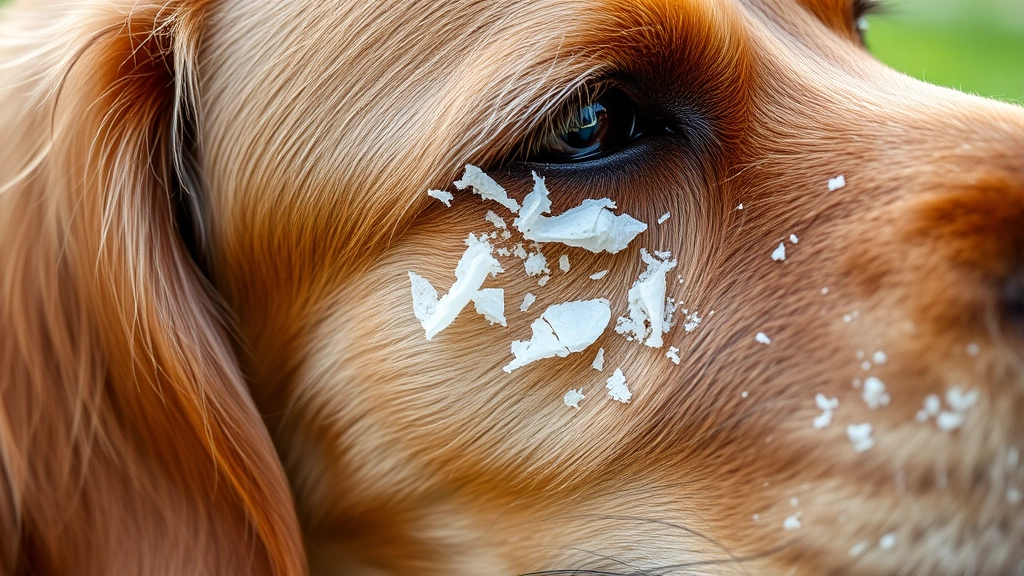
If you’ve noticed white flakes in your dog’s coat or on your furniture, you’re probably wondering what’s going on with your furry friend’s skin. Dandruff in dogs is more common than you might think, and the good news is that it’s usually manageable once you understand what’s causing it. Unlike human dandruff, which is primarily caused by a specific fungus, canine dandruff can stem from various factors ranging from simple dry skin to more serious underlying health conditions.
The appearance of those pesky white flakes doesn’t necessarily mean your pup is destined for a lifetime of itching and scratching. Many cases of dog dandruff are entirely preventable and treatable with the right approach. Whether your dog is dealing with seasonal dry skin or a more persistent issue, understanding the root cause is the first step toward getting their coat looking and feeling healthy again.
In this comprehensive guide, we’ll explore everything you need to know about canine dandruff, from the most common culprits to practical solutions you can implement at home. We’ll also discuss when it’s time to call your veterinarian and what professional treatments might be necessary for your beloved companion.
Common Causes of Dog Dandruff
Understanding why your dog has dandruff is crucial for finding the right solution. The most frequent culprit behind those white flakes is dry skin, which can be triggered by a variety of environmental and health-related factors. If you’re concerned about whether this is a normal condition, you should know that dogs can definitely get dandruff, and it’s one of the most common skin complaints veterinarians hear about.
One of the leading causes is nutritional deficiency, particularly a lack of omega-3 and omega-6 fatty acids. These essential nutrients are vital for maintaining a healthy skin barrier and promoting a shiny, resilient coat. When your dog isn’t getting enough of these fatty acids, their skin becomes dry and flaky. This is why incorporating fish into your dog’s diet can be beneficial, as fish is an excellent natural source of these crucial nutrients.
Allergies represent another significant cause of canine dandruff. Dogs can suffer from food allergies, environmental allergies, or contact allergies, all of which can manifest as itchy, flaky skin. Dry skin on dogs can range from mild to concerning, depending on the underlying cause and severity of the condition.
Parasites like fleas and mites can also trigger dandruff and itching. Even if you don’t see the parasites themselves, their presence can cause significant skin irritation and secondary fungal or bacterial infections. Additionally, fungal infections such as ringworm and yeast infections are common culprits that require prompt veterinary attention.
Hormonal imbalances, particularly thyroid disorders, can lead to skin issues including dandruff. Hypothyroidism is particularly common in dogs and frequently presents with skin problems as one of the first symptoms. Environmental factors like low humidity, especially during winter months, can exacerbate dry skin conditions and increase dandruff production.
Dietary Factors and Nutrition
Your dog’s diet plays a fundamental role in maintaining healthy skin and a lustrous coat. The relationship between nutrition and skin health cannot be overstated, as what your dog eats directly impacts the condition of their skin cells and the quality of their coat. Omega-3 and omega-6 fatty acids are particularly important for reducing inflammation and supporting skin barrier function.
Quality protein is another essential component of a healthy diet for dogs with dandruff. Protein provides the amino acids necessary for skin cell repair and regeneration. If your dog’s current food is low in quality protein or lacks the right balance of amino acids, their skin may suffer as a result.
Consider whether your dog’s current diet contains adequate levels of B vitamins, vitamin A, and vitamin E—all of which are crucial for skin health. A deficiency in any of these nutrients can contribute to dry, flaky skin. Many commercial dog foods are formulated to meet basic nutritional requirements, but they may not optimize skin health for dogs with a predisposition to dandruff.
Hydration is equally important. Ensuring your dog drinks plenty of water supports overall skin hydration and helps maintain a healthy skin barrier. Some pet owners find that adding small amounts of olive oil to their dog’s food can provide additional fatty acids and support skin health, though it’s important to introduce any dietary supplements gradually and in appropriate quantities.
According to the American Kennel Club, a balanced diet with proper levels of essential fatty acids is fundamental to preventing skin issues in dogs. If you suspect your dog’s dandruff is diet-related, consider consulting with your veterinarian about switching to a high-quality food specifically formulated for skin health or one that emphasizes omega-3 and omega-6 fatty acids.
Environmental Conditions
The environment in which your dog lives significantly impacts their skin condition. Low humidity is one of the most common environmental triggers for dandruff, particularly during winter months when heating systems run constantly and outdoor humidity drops. This dry air can strip moisture from your dog’s skin, leading to flaking and irritation.
Temperature fluctuations can also play a role. Dogs transitioning from air-conditioned indoor spaces to hot outdoor environments—or vice versa—may experience skin stress that manifests as dandruff. Similarly, frequent bathing with hot water can strip natural oils from your dog’s skin and exacerbate dryness.
Seasonal changes often bring predictable shifts in your dog’s skin condition. Many dogs experience increased dandruff during winter, while others struggle more during dry summers or high pollen seasons. Identifying these patterns can help you anticipate and prevent flare-ups.
The quality of your home’s water can also matter. Hard water or water with high chlorine content may irritate sensitive skin. Some pet owners have found relief by using filtered water for bathing their dogs or installing a whole-home water softening system.
Regular grooming and maintaining a consistent bathing schedule help manage environmental dandruff. However, understanding how to stop dog shedding goes hand-in-hand with managing dandruff, as both issues can be exacerbated by poor grooming practices and environmental stress.
Home Remedies and Prevention
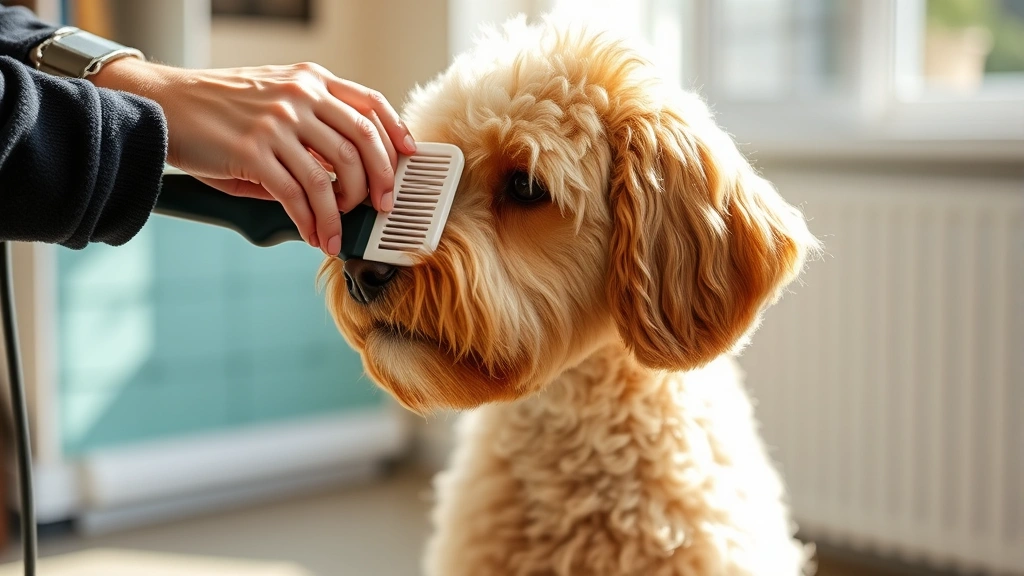
Once you understand why your dog has dandruff, you can implement several home-based solutions to improve their skin condition. Regular brushing is one of the simplest yet most effective preventative measures. Brushing stimulates blood flow to the skin, distributes natural oils throughout the coat, and removes dead skin cells before they accumulate into visible flakes.
Bathing frequency and technique matter considerably. Most dogs benefit from bathing once every four to six weeks, though this varies depending on breed, coat type, and skin condition. When you do bathe your dog, use lukewarm water and a gentle, moisturizing shampoo specifically formulated for sensitive skin or dandruff. Avoid hot water, which can further dry out the skin.
Consider incorporating hydrating treatments into your grooming routine. Leave-in conditioners, moisturizing sprays, and dog-safe oils can help restore moisture to dry, flaky skin. Always ensure any products you use are specifically formulated for dogs, as human skincare products can be harmful.
Increasing your dog’s water intake supports overall skin hydration from the inside out. Ensure your dog has constant access to fresh, clean water throughout the day. Some dogs respond well to having multiple water bowls placed in different areas of the home.
Dietary supplements designed to support skin health can be beneficial. Omega-3 and omega-6 supplements, often derived from fish oil, are widely available and have strong evidence supporting their effectiveness for reducing dandruff and improving coat quality. Always consult your veterinarian before starting any new supplement regimen.
Using a humidifier in your home during dry months can help combat environmental dandruff. Adding moisture to the air prevents your dog’s skin from drying out and can significantly reduce flaking, particularly during winter.
The ASPCA recommends maintaining consistent grooming practices and environmental controls as first-line defenses against canine dandruff. Regular grooming not only helps manage existing dandruff but also allows you to monitor your dog’s skin condition and catch any developing issues early.
When to See a Veterinarian
While many cases of dog dandruff are manageable at home, certain situations warrant professional veterinary evaluation. Persistent dandruff that doesn’t improve after two to three weeks of home treatment should be evaluated by your vet. Similarly, if dandruff is accompanied by excessive itching, redness, or signs of infection, professional help is necessary.
If your dog is scratching to the point of causing open sores, hair loss, or bleeding, this indicates a more serious underlying condition that requires veterinary attention. These signs could indicate parasites, fungal infections, or allergies that need specific treatment.
Any changes in your dog’s behavior, appetite, or energy levels accompanying the dandruff should prompt a veterinary visit. These systemic signs might indicate an underlying health condition such as hypothyroidism or other metabolic disorders.
Your veterinarian can perform skin scrapings, fungal cultures, or allergy testing to identify the specific cause of your dog’s dandruff. Once the underlying cause is determined, they can recommend targeted treatment options. These might include prescription shampoos, oral medications, dietary changes, or referral to a veterinary dermatologist for complex cases.
According to VCA Animal Hospitals, professional diagnosis is particularly important for ruling out contagious conditions like ringworm, which can spread to other pets and even humans in your household. The American Animal Veterinary Medical Association emphasizes the importance of early intervention in skin conditions to prevent secondary infections and chronic complications.
Frequently Asked Questions
Is dog dandruff contagious to humans?
Most cases of dog dandruff are not contagious to humans. However, if the dandruff is caused by ringworm or certain fungal infections, these can potentially spread to people. This is why identifying the underlying cause is important, particularly if multiple household members are experiencing unexplained skin issues.
Can I use human dandruff shampoo on my dog?
No, you should not use human dandruff shampoo on your dog. Human shampoos have different pH levels and may contain ingredients that are harmful or irritating to dogs. Always use shampoos specifically formulated for dogs, and if your dog has dandruff, choose one designed for sensitive skin or dandruff management.
How long does it take to see improvement with treatment?
Most dogs show some improvement within one to two weeks of consistent home treatment, though complete resolution may take several weeks. If you’re not seeing any improvement after two to three weeks, it’s time to consult your veterinarian, as the underlying cause may require professional treatment.
Will my dog’s dandruff go away on its own?
Some mild cases of dandruff may resolve independently, particularly if they’re caused by temporary environmental factors. However, most cases require intervention in the form of dietary changes, environmental adjustments, or grooming modifications. Persistent dandruff rarely resolves without treatment.
Can diet alone cure my dog’s dandruff?
Diet can significantly improve or even eliminate dandruff in many cases, particularly when the underlying cause is nutritional deficiency. However, if dandruff is caused by allergies, parasites, infections, or hormonal imbalances, dietary changes alone may not be sufficient. A comprehensive approach addressing the specific underlying cause is usually most effective.
What’s the difference between dandruff and dry skin?
Dandruff refers to visible flaking of dead skin cells, while dry skin is the underlying condition that causes the flaking. All dandruff involves dry skin, but not all dry skin produces visible dandruff. Treating dry skin on dogs addresses the root cause, which helps eliminate dandruff.
Are certain dog breeds more prone to dandruff?
Some breeds with specific coat types or genetic predispositions may be more prone to dandruff. Dogs with oily coats, curly coats, or those with genetic predispositions to allergies or skin conditions may experience more dandruff. However, any dog can develop dandruff regardless of breed.
Understanding why your dog has dandruff empowers you to take action and improve your furry friend’s comfort and quality of life. Whether the solution involves dietary adjustments, environmental modifications, or professional veterinary care, addressing dandruff promptly prevents secondary complications and keeps your dog’s coat looking and feeling its best. Remember, persistent or severe dandruff always warrants professional evaluation to rule out underlying health conditions.





