

Discovering blood in your dog’s poop is genuinely unsettling. Your heart races, your mind jumps to worst-case scenarios, and suddenly you’re googling frantically at 2 AM. But here’s the thing: why does my dog have blood in his poop isn’t always a sign of something catastrophic. Sometimes it’s minor. Sometimes it’s serious. Either way, understanding the potential causes helps you decide whether to panic or stay calm—and when to call your vet immediately.
Table of Contents
- Understanding Bloody Stool: Hematochezia vs. Melena
- Cause #1: Dietary Indiscretions and Food Sensitivities
- Cause #2: Intestinal Parasites and Worms
- Cause #3: Anal Gland Issues
- Cause #4: Inflammatory Bowel Disease (IBD) and Colitis
- Cause #5: Serious Conditions Requiring Immediate Attention
- When to Call Your Vet (And When to Panic)
- Diagnostic Tests Your Vet Might Recommend
- Treatment Options Based on Cause
- Prevention: Stop Bloody Stool Before It Starts
- Real Talk: What Your Vet Needs to Know
- External Resources for More Information
- The Bottom Line
- Frequently Asked Questions
Let’s break down what’s actually happening in your dog’s digestive system and what those red flags really mean.
Understanding Bloody Stool: Hematochezia vs. Melena
Before we dive into causes, let’s get technical for a second (I promise it’s useful). There are actually two types of blood in dog poop, and they tell you different things.
Hematochezia is bright red blood, usually visible on the surface of the stool or mixed in. This means bleeding is happening in the lower digestive tract—colon, rectum, or anus area. Melena is dark, tarry, black stool that indicates upper digestive tract bleeding (stomach or small intestine). The blood gets digested as it passes through, turning it dark.
Your vet will ask about this distinction, so pay attention to what you’re seeing. Bright red blood is usually less alarming than black, tarry stool, but both warrant investigation.
Cause #1: Dietary Indiscretions and Food Sensitivities
Your dog ate something sketchy. Maybe it was that mysterious thing they found under the couch. Maybe it was table scraps from dinner. Maybe it was their food bowl, but a brand you switched to last week.
Dietary indiscretions are the most common reason for bloody stools in otherwise healthy dogs. The intestinal lining gets irritated, and boom—blood in the poop. If your dog is acting normal, eating normally, and only has a few episodes, this is usually self-limiting.
However, if your dog has diarrhea but is acting fine, it might still be worth monitoring for a few days. Food sensitivities can also cause chronic bloody stools. If you’ve recently changed food and noticed blood appearing, that’s your culprit. Switch back or transition more gradually.

Pro tip: Stick to consistent, high-quality food. Avoid sudden diet changes and keep human food out of reach (yes, even that piece of chicken that fell on the floor).
Cause #2: Intestinal Parasites and Worms
Parasites are basically tiny vampires living in your dog’s gut. Hookworms, whipworms, and roundworms can all cause bloody, sometimes mucus-covered stools. Puppies are especially prone to parasites, but adult dogs can get them too—particularly if they spend time outdoors or eat poop (gross, but common).
If your dog has bloody stool plus other symptoms like weight loss, dull coat, or lethargy, parasites should be on your radar. Your vet can confirm with a fecal test and prescribe dewormer.
Prevention is your best friend here. Keep your dog on year-round parasite prevention, clean up poop promptly from your yard, and avoid areas where other dogs frequently defecate. If your dog is acting lethargic alongside bloody stool, parasites could be draining their energy.
Cause #3: Anal Gland Issues
Dogs have two anal glands that secrete fluid when they poop. When these glands get impacted, infected, or inflamed, they can bleed. You might notice your dog scooting their butt on the carpet (the classic sign) or licking their rear excessively.
Anal gland problems are annoying but usually manageable. Your vet can express them manually or recommend dietary changes to help prevent impaction. High-fiber diets sometimes help. In stubborn cases, the glands might need to be surgically removed, but that’s rare.
If you see blood specifically around the anal area or your dog is acting uncomfortable back there, this could be your answer.

Cause #4: Inflammatory Bowel Disease (IBD) and Colitis
Colitis is inflammation of the colon. IBD is a chronic condition where the intestines stay inflamed. Both cause bloody, mucus-covered stools, often with diarrhea. The difference? Colitis can be acute and temporary. IBD is long-term.
Dogs with these conditions often have urgency—they need to poop frequently and can’t always hold it. You might see mucus mixed with the blood. Some dogs develop food sensitivities alongside IBD, making management trickier.
Treatment depends on severity. Mild cases might respond to dietary changes or probiotics. Moderate to severe cases need medication—sometimes steroids or immunosuppressants. Your vet might recommend a limited ingredient diet or prescription digestive food.
Cause #5: Serious Conditions Requiring Immediate Attention
Now for the scary stuff. While less common, certain conditions cause bloody stools and absolutely demand veterinary attention:
Hemorrhagic Gastroenteritis (HGE): This is sudden, severe bleeding in the GI tract. Your dog will have bloody diarrhea, vomiting, and lethargy. This is an emergency. Dehydration happens fast.
Intestinal Obstruction: If your dog swallowed something they shouldn’t have, it could block their intestines. Bloody stool might accompany vomiting, loss of appetite, and abdominal pain.
Cancer: Tumors in the GI tract can cause bloody stool. This is more common in older dogs and usually accompanied by weight loss and other symptoms.
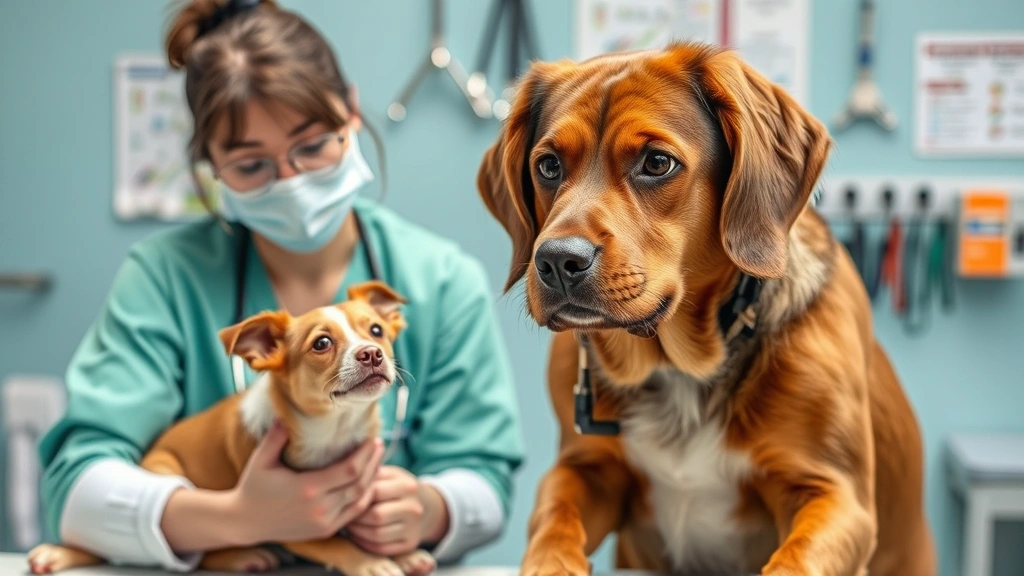
Coagulopathy (Blood Clotting Disorders): Some dogs have genetic or acquired clotting problems. Bloody stool might be one of several bleeding issues.
Severe Infections: Bacterial or viral infections can cause hemorrhagic diarrhea. Parvovirus in puppies is particularly dangerous.
These conditions share common warning signs: lethargy, loss of appetite, vomiting, abdominal pain, or rapid worsening. If you see these, don’t wait. Call your vet or emergency clinic immediately.
When to Call Your Vet (And When to Panic)
Let’s be practical. You don’t need to panic every time you see a speck of blood. But you do need to know when it’s time to make that call.
Call your vet within 24 hours if: Your dog has blood in stool but is otherwise acting normal, eating, and drinking. This gives your vet time to schedule an exam and run diagnostics.
Call your vet immediately (or go to emergency if after hours) if: Your dog is lethargic, vomiting, not eating, has abdominal pain, or the bloody stool is severe or worsening. If there’s a lot of blood or your dog seems weak, don’t wait.
Bring a fresh stool sample to your appointment if possible. Your vet will want to check for parasites and bacteria. Be prepared to describe the blood (bright red vs. dark), frequency, and any other symptoms you’ve noticed.
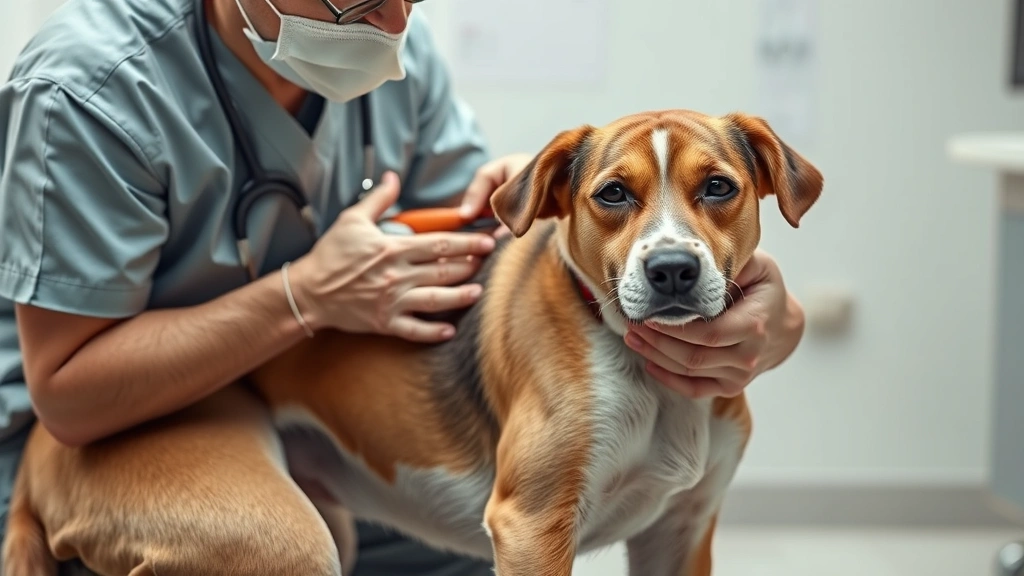
Diagnostic Tests Your Vet Might Recommend
Your vet’s approach depends on what they observe during the exam. Common tests include:
Fecal Exam: Checks for parasites, bacteria, and blood cells. Usually the first step.
Blood Work: Evaluates overall health, checks for anemia (blood loss), infection, or clotting issues.
Abdominal Ultrasound: Visualizes internal organs to check for obstruction, masses, or inflammation.
Colonoscopy: Direct visualization of the colon. Used when other tests are inconclusive or IBD is suspected.
Fecal Culture: Identifies bacterial infections specifically.
Not every dog needs every test. Your vet will prioritize based on symptoms and initial findings. Sometimes it’s just a fecal exam and observation. Sometimes it’s more involved.

Treatment Options Based on Cause
Treatment obviously depends on diagnosis. Here’s the general roadmap:
For dietary issues: Dietary modification, sometimes temporary fasting, bland diet (boiled chicken and rice), or prescription digestive food.
For parasites: Deworming medication. Usually one dose, sometimes repeated. Prevention going forward.
For anal gland problems: Manual expression, dietary changes, or antibiotics if infected.
For colitis/IBD: Dietary management, probiotics, sometimes medication. Prescription diets are often game-changers.
For serious conditions: Varies widely. HGE might need IV fluids and supportive care. Obstruction might need surgery. Cancer treatment depends on type and stage.
The good news? Most causes of bloody stool in dogs are manageable once identified. Even IBD, while chronic, can be controlled with the right diet and medication. Your vet is your partner here.

Prevention: Stop Bloody Stool Before It Starts
An ounce of prevention beats a pound of cure. Here’s how to reduce your dog’s risk:
Feed quality food consistently: Avoid sudden diet changes. If switching brands, do it gradually over 7-10 days. Quality food means fewer digestive upset.
Maintain parasite prevention: Year-round prevention is non-negotiable. Talk to your vet about the best option for your dog.
Manage diet carefully: No table scraps, no garbage raiding, no mystery snacks. If your dog has a sensitive stomach, avoid triggering foods.
Keep stress low: Stress can trigger colitis. Maintain routine, exercise regularly, and minimize major changes.
Regular vet checkups: Annual exams catch problems early. For senior dogs (7+), consider twice-yearly visits.
Hydration: Ensure fresh water is always available. Dehydration makes digestive issues worse.

If you suspect your dog is constipated, address it early before it causes straining and bleeding. Similarly, manage diarrhea promptly to prevent complications.
Real Talk: What Your Vet Needs to Know
When you call or visit your vet, have this information ready:
How long has this been happening? Is it one episode or ongoing? How much blood are we talking—specks or significant amounts? Is it bright red or dark? Is your dog showing other symptoms—vomiting, diarrhea, lethargy, weight loss, loss of appetite? Have you changed food recently? Any known dietary indiscretions (eating something they shouldn’t)? Is your dog on parasite prevention? Any recent travel or exposure to other animals?
The more details you provide, the faster your vet can narrow down the diagnosis. This isn’t the time to be vague or assume it’s minor.
External Resources for More Information
Want to dive deeper? Check out these authoritative sources:
The American Kennel Club (AKC) offers evidence-based health information for dog owners.
PetMD has extensive articles on GI issues, written by veterinarians.

Cornell University College of Veterinary Medicine provides peer-reviewed veterinary health information.
These resources can help you understand conditions better and prepare informed questions for your vet.
The Bottom Line
Finding blood in your dog’s poop is stressful, but it’s not automatically a death sentence. Most causes are manageable, especially when caught early. The key is knowing the difference between “monitor and call the vet” situations and “go to the emergency clinic now” scenarios.
Start by assessing your dog’s overall condition. Are they acting normal? Eating and drinking? Playing? If yes, you likely have time to schedule a regular vet appointment. If they’re lethargic, vomiting, or showing signs of pain, don’t wait.
Your vet is your best resource. Bring a stool sample, describe symptoms in detail, and be honest about diet and any potential exposures. Most bloody stool cases resolve with proper diagnosis and treatment.
In the meantime, keep your dog hydrated, avoid giving them new foods, and monitor their behavior closely. Trust your instincts—you know your dog better than anyone. If something feels seriously wrong, it probably warrants immediate attention.
Remember: one episode of bloody stool doesn’t equal a chronic disease. Sometimes it’s just a hiccup in an otherwise healthy digestive system. But persistent or severe bloody stool? That’s your signal to get professional help. Your dog’s health is worth it.
Frequently Asked Questions
Is bloody stool in dogs always serious?
No. While some causes are serious, many are minor and self-limiting. Dietary indiscretions, mild colitis, and anal gland issues can all cause bloody stool but are manageable. However, severity matters. Significant blood loss, rapid worsening, or accompanying symptoms like vomiting and lethargy warrant immediate veterinary attention. When in doubt, call your vet.
Can I treat bloody stool at home?
Minor cases might resolve with home care—bland diet, hydration, and monitoring. But you shouldn’t diagnose yourself. A vet visit rules out serious conditions and identifies the actual cause. Once diagnosed, your vet might recommend home management (like dietary changes), but that’s different from self-treating an unknown problem. Get it checked first.
How long does it take for bloody stool to resolve?
It depends on the cause. Dietary issues might resolve in 24-48 hours with dietary modification. Parasites typically clear within a week of deworming. Colitis might take 1-2 weeks with treatment. IBD is chronic and requires ongoing management. Serious conditions like obstruction or HGE need immediate intervention and recovery varies. Your vet can give you a timeline once they know what they’re treating.
What should I feed my dog with bloody stool?
Temporarily, a bland diet of boiled chicken and white rice can help. Avoid high-fat foods, dairy, and anything with artificial ingredients. If your dog has chronic bloody stool, your vet might recommend a prescription limited-ingredient or digestive diet. Some dogs benefit from added fiber or probiotics. Ask your vet what’s best for your dog’s specific situation. If you suspect food sensitivity, elimination diets under vet supervision can identify triggers.
Can stress cause bloody stool in dogs?
Yes. Stress-induced colitis is real. Changes in routine, new environments, or anxiety can trigger inflammation and bloody stool. If your dog’s bloody stool coincides with a stressful event, that might be the culprit. Reducing stress through routine, exercise, and sometimes medication or supplements can help. But rule out medical causes first with your vet.





