
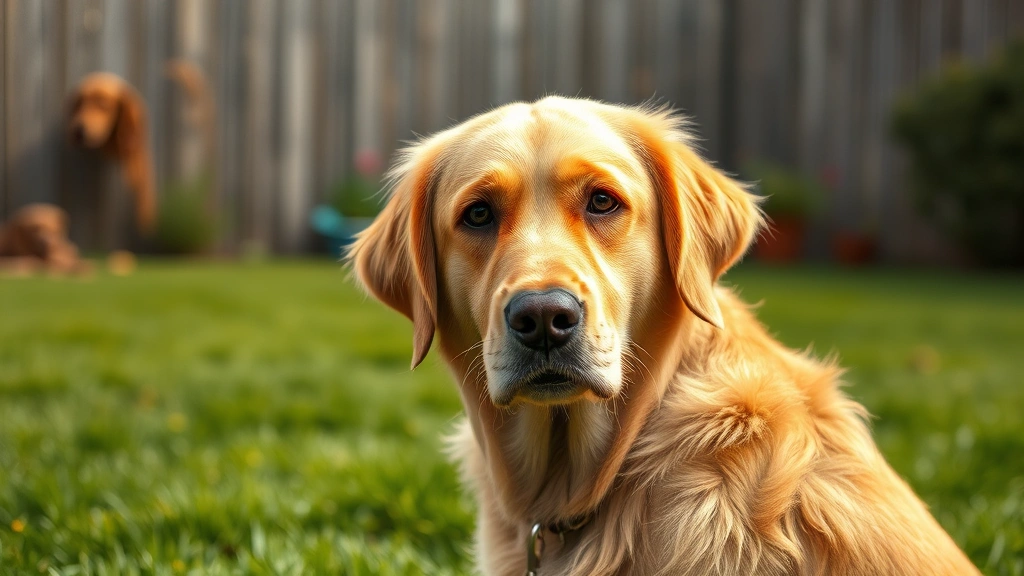
So your dog has the runs. Again. You’re standing in the backyard at 6 AM wondering why does my dog have diarrhea, and honestly, it’s not the morning you planned. Canine diarrhea is one of the most common complaints veterinarians hear, and the good news? Most cases are totally manageable once you figure out what’s causing it. Let’s dig into the messy details (pun intended) and get your pup back to normal bathroom habits.
Table of Contents
- Understanding Dog Diarrhea: More Than Just a Digestive Hiccup
- Cause #1: Dietary Indiscretions (The Garbage Disposal Theory)
- Cause #2: Food Allergies and Sensitivities
- Cause #3: Sudden Diet Changes (The Transition Trap)
- Cause #4: Parasites and Infections (The Invisible Invaders)
- Cause #5: Stress and Anxiety (The Emotional Connection)
- Quick Fixes: The Home Care Game Plan
- When to Call the Vet: Red Flags You Can’t Ignore
- Preventative Measures: Stop the Poop Before It Starts
- The Role of Ingredients: What Goes In Matters
- Recovery and Monitoring: The Follow-Up Protocol
- Frequently Asked Questions
- Conclusion: Your Dog’s Digestive Health Matters
Understanding Dog Diarrhea: More Than Just a Digestive Hiccup
Diarrhea in dogs isn’t just an inconvenience—it’s your pup’s way of telling you something’s off. The canine digestive system is surprisingly sensitive, and loose stools can range from a minor blip to a sign of something more serious. Before you panic, know this: most cases resolve within 24-48 hours with proper care. However, persistent diarrhea lasting more than a few days warrants a vet visit. Think of diarrhea as your dog’s internal alarm system—it’s trying to get your attention.
Cause #1: Dietary Indiscretions (The Garbage Disposal Theory)
Let’s be honest: dogs will eat literally anything. That half-eaten sandwich from the trash? Gone in seconds. Spoiled food? A delicacy in dog logic. Dietary indiscretions are the #1 culprit behind sudden-onset diarrhea. When your dog’s stomach encounters something it can’t properly digest, the intestines essentially say “nope” and speed everything through. The result? Loose stools and an unhappy dog. This is especially common in puppies and adult dogs with less discriminating palates. If your pup got into something questionable, loose stools typically appear within 12-24 hours. The good news? These cases usually self-resolve. Just monitor your dog closely and ensure they’re staying hydrated.
Cause #2: Food Allergies and Sensitivities
Not all diarrhea is acute. If your dog has chronic loose stools, food allergies or sensitivities might be the culprit. Unlike humans, dogs don’t get itchy noses from allergies—they get digestive upset and skin issues. Common allergens include beef, chicken, dairy, wheat, and soy. The tricky part? Identifying the problematic ingredient takes detective work. An elimination diet, where you remove potential allergens for 8-12 weeks, can help pinpoint the issue. Consider switching to a limited-ingredient diet or exploring whether milk is good for dogs in your pup’s case. Some dogs simply can’t tolerate dairy, which causes persistent diarrhea. Working with your vet on a proper elimination protocol is key here.
Cause #3: Sudden Diet Changes (The Transition Trap)
Changed your dog’s food brand last week? That could be your answer. Dogs have sensitive digestive systems that need time to adjust to new foods. A sudden switch, even to a higher-quality diet, can trigger loose stools. The bacteria in your dog’s gut are specialized to break down their current food, and introducing something new is like asking them to suddenly digest a foreign language. Always transition new food gradually over 7-10 days, mixing increasing amounts of the new food with decreasing amounts of the old. If you’re wondering about specific foods, white rice or brown rice can be helpful bland options during digestive recovery. Patience with the transition process prevents most diet-change diarrhea cases.
Cause #4: Parasites and Infections (The Invisible Invaders)
Parasites are sneaky troublemakers that cause persistent diarrhea, especially in puppies and young dogs. Giardia, roundworms, hookworms, and whipworms are common culprits. Your dog might contract parasites from contaminated water, soil, or contact with infected animals. Bacterial infections like E. coli or Salmonella can also trigger diarrhea. The concerning part? Some parasites are transmissible to humans, making this a legitimate health concern for your whole family. If your dog has diarrhea lasting more than a few days, especially if it’s bloody or contains mucus (check out our guide on mucus in dog poop), a vet visit is essential. A fecal exam can identify parasites, and appropriate treatment will clear them up quickly.
Cause #5: Stress and Anxiety (The Emotional Connection)
Believe it or not, dogs experience stress-induced diarrhea just like humans. A move to a new home, a new pet in the household, loud noises, or separation anxiety can trigger loose stools. This is called stress colitis, and it’s more common than many owners realize. If your dog’s diarrhea coincides with a life change, stress is likely the culprit. Creating a calm environment, maintaining routine, and potentially using calming supplements can help. Some dogs need extra reassurance during transitions, and their digestive system reflects their emotional state.
Quick Fixes: The Home Care Game Plan
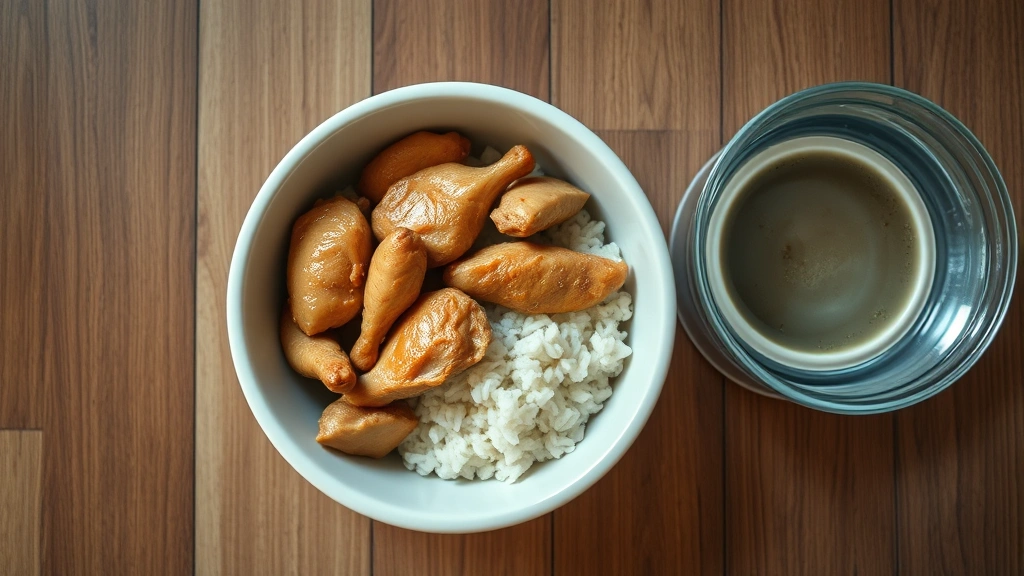
For mild diarrhea that just started, here’s your action plan. First, skip the next meal—fasting for 12-24 hours gives the digestive tract a break. Then introduce a bland diet: boiled chicken, plain scrambled eggs, and white rice are classic choices. Avoid dairy, fatty foods, and treats. Ensure constant access to fresh water to prevent dehydration, which is the real danger with diarrhea. Most cases improve within 48 hours with this approach. Probiotics designed for dogs can help restore healthy gut bacteria. If diarrhea persists beyond 48 hours, worsens, includes blood, or your dog seems lethargic, contact your vet immediately.
When to Call the Vet: Red Flags You Can’t Ignore
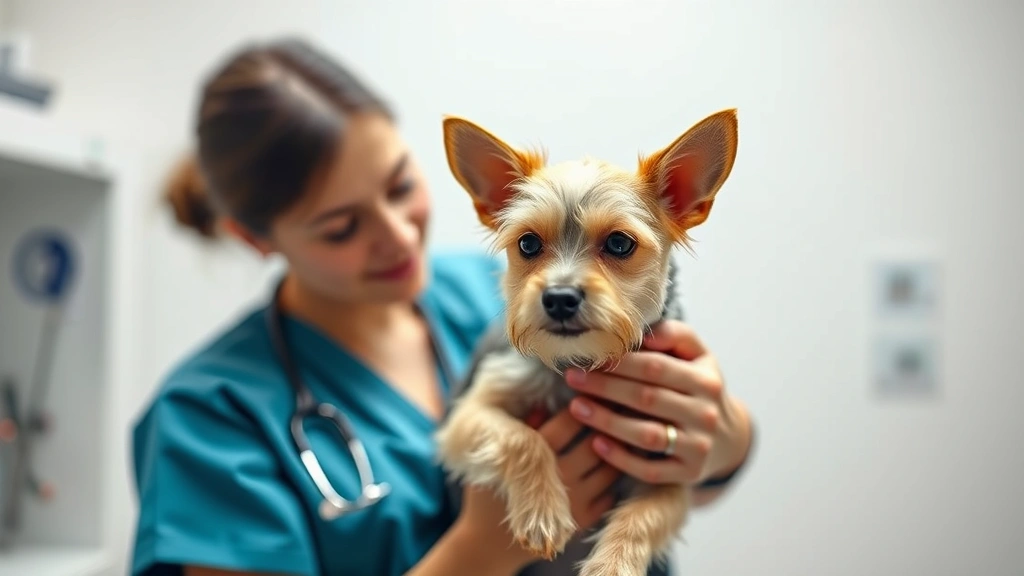
Not all diarrhea requires emergency care, but certain signs demand immediate veterinary attention. Bloody diarrhea, diarrhea lasting more than 48 hours, lethargy, vomiting, loss of appetite, abdominal pain, or diarrhea in puppies or senior dogs should prompt a vet visit. If your dog seems otherwise healthy and playful, you can often manage mild cases at home. However, when in doubt, call your vet. They can perform diagnostics to rule out serious conditions and provide targeted treatment. It’s better to be cautious with your pup’s health.
Preventative Measures: Stop the Poop Before It Starts
Prevention is always easier than treatment. Keep your dog on a consistent, high-quality diet—research options like whether Merrick is a good dog food or other reputable brands. Maintain strict food safety by keeping garbage secured and preventing access to spoiled food. Regular parasite prevention is essential; keep your dog on a vet-recommended parasite protocol year-round. Ensure your dog gets adequate exercise and mental stimulation to reduce stress-related issues. Introduce new foods gradually, and avoid giving table scraps or unusual treats. A consistent routine, regular vet checkups, and a healthy diet prevent most diarrhea cases.
The Role of Ingredients: What Goes In Matters
Your dog’s diet directly impacts their digestive health. Some ingredients are harder to digest than others. Artificial additives, excessive fillers, and low-quality proteins can trigger diarrhea in sensitive dogs. Check ingredient labels—real meat should be the first ingredient, and avoid foods with excessive grains if your dog has sensitivities. Some ingredients like xanthan gum can affect some dogs’ digestive systems. Consulting with your vet about the best diet for your specific dog’s needs is invaluable. Every dog is unique, and what works for one might not work for another.
Recovery and Monitoring: The Follow-Up Protocol
Once your dog’s diarrhea resolves, don’t immediately jump back to their normal diet. Gradually reintroduce their regular food over several days, mixing it with the bland food you’ve been feeding. Monitor their stools closely for the next week—they should be firm and normal-colored. Keep notes on any patterns you notice: time of day, consistency, frequency. This information is gold if diarrhea recurs and you need to discuss it with your vet. Most dogs bounce back quickly once the underlying cause is addressed, but ongoing monitoring helps catch issues early.
Frequently Asked Questions
How long does dog diarrhea usually last?
Most cases of acute diarrhea resolve within 24-48 hours with proper care. If it persists beyond 48 hours, contact your vet. Chronic diarrhea lasting weeks or months indicates an underlying issue that needs professional diagnosis.
Can I give my dog over-the-counter anti-diarrheal medication?
While some OTC medications exist, it’s best to consult your vet first. Some medications can mask serious conditions or cause complications. Your vet can recommend the safest option for your specific dog.
Is bloody diarrhea always an emergency?
Bloody diarrhea warrants prompt veterinary attention, though it’s not always a life-threatening emergency. Small amounts of blood can indicate colitis or minor issues, but it requires professional evaluation to rule out serious conditions.
Can probiotics really help with dog diarrhea?
Yes, probiotics can help restore healthy gut bacteria, especially after antibiotics or dietary upset. Choose dog-specific probiotics, as human formulations may not be appropriate. They work best as part of a comprehensive approach alongside dietary management.
What’s the difference between acute and chronic diarrhea?
Acute diarrhea appears suddenly and typically lasts days. Chronic diarrhea persists for weeks or months, suggesting underlying dietary issues, allergies, parasites, or digestive disorders. Chronic cases require thorough investigation.
Should I fast my dog if they have diarrhea?
A 12-24 hour fast can help reset the digestive system for acute diarrhea. However, don’t fast puppies, senior dogs, or dogs with chronic diarrhea without vet guidance. Always ensure access to fresh water.
Conclusion: Your Dog’s Digestive Health Matters
Figuring out why does my dog have diarrhea requires observation, patience, and sometimes professional help. In most cases, the cause is something simple—a dietary indiscretion, a food sensitivity, or stress. Start with home care: fasting, bland food, and hydration. Monitor closely for improvement or warning signs. If diarrhea persists or worsens, don’t hesitate to contact your vet. Remember, your dog can’t tell you what’s wrong, so you’re their detective. By understanding the common causes and knowing when to seek help, you’ll get your pup back to healthy, normal stools in no time. Here’s to fewer 6 AM backyard surprises and more happy, healthy dogs.
Disclaimer: This article is for informational purposes only and should not replace professional veterinary advice. Always consult your veterinarian for proper diagnosis and treatment of your dog’s health conditions.





