
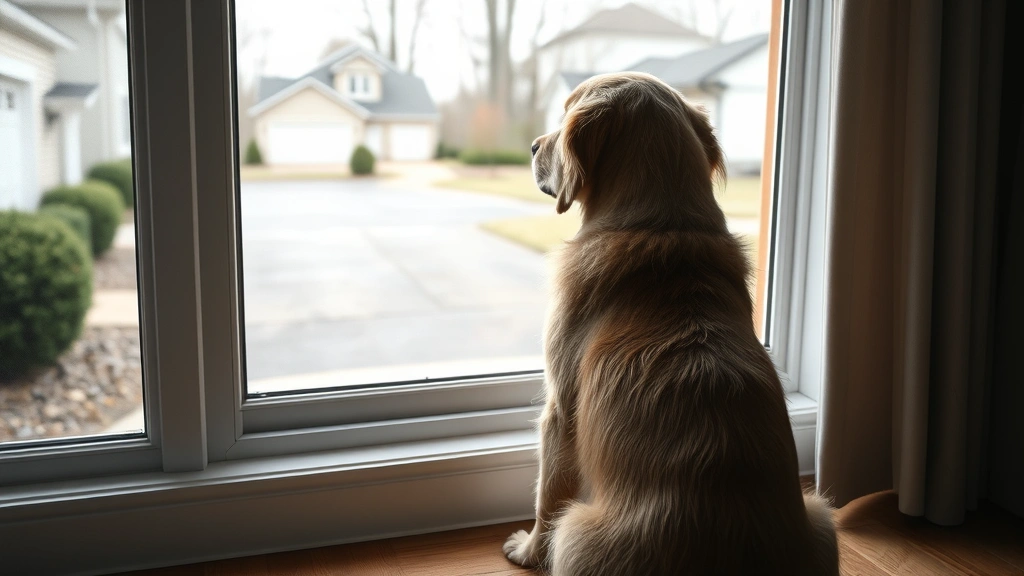
If you’re asking why does my dog howl when I leave, you’re not alone—and honestly, it’s one of the most heartbreaking sounds a pet parent can hear. That mournful wail as you’re heading out the door isn’t your pup trying to guilt-trip you (okay, maybe a little). It’s actually their way of communicating something deeper, and understanding the root cause is the first step to solving this behavior.
Table of Contents
- Understanding Canine Separation Anxiety and Howling
- The Territorial Howling Phenomenon
- Boredom and Under-Stimulation as Howling Triggers
- Medical and Age-Related Causes of Excessive Howling
- Solution #1: Gradual Desensitization to Your Departure
- Solution #2: Create a Safe Space and Establish a Routine
- Solution #3: Increase Exercise and Mental Stimulation
- Solution #4: Use Calming Aids and Environmental Management
- Solution #5: Professional Training and Behavior Modification
- What NOT to Do When Your Dog Howls
- Real-World Tips from Vet Techs and Dog Behaviorists
- Frequently Asked Questions
- Summary: Taking Action on Your Dog’s Howling
Whether your furry friend is dealing with separation anxiety, boredom, or just wants to make sure the whole neighborhood knows you left, we’ve got the answers and solutions you need. Let’s dig into why your dog is howling and what you can actually do about it.
Understanding Canine Separation Anxiety and Howling
Dogs are pack animals by nature, which means they’re hardwired to stay close to their family members. When you leave, your dog isn’t just losing your physical presence—they’re losing their sense of security and belonging. Separation anxiety is one of the most common reasons dogs howl when their owners leave.
This isn’t just about missing you. Dogs with separation anxiety experience genuine stress and panic. Their howling is a distress signal, an ancient communication method that says, “Hey, where did my pack go?” Some dogs will howl for minutes or even hours after you leave, which can be exhausting for both your pup and your neighbors.
The severity varies wildly. Some dogs might let out a few howls and then settle down. Others will maintain a continuous chorus of despair. If your dog is also pacing, destructive, or having accidents in the house, you’re likely dealing with genuine separation anxiety rather than just a chatty pup.
The Territorial Howling Phenomenon
Here’s another reason your dog might be howling: they’re basically announcing to the world that you’ve left the building. Dogs use howling as a territorial communication tool. It’s like they’re saying, “Attention all dogs in the neighborhood—this is MY house and MY human just left, so heads up!”
This type of howling is less about anxiety and more about communication. Your dog might be trying to locate you or alert other dogs in the area. It’s similar to how wolves howl to communicate across distances. If your dog stops howling after a few minutes and seems otherwise content, this territorial howling is likely what’s happening.
The difference between anxiety-based howling and territorial howling is important because it changes your approach to solving the problem. A dog with territorial howling doesn’t necessarily need behavior modification—they might just need better environmental management and enrichment.
Boredom and Under-Stimulation as Howling Triggers
Sometimes the answer is simpler than you think: your dog is bored out of their mind. Dogs need mental and physical stimulation, and if they’re not getting enough before you leave, they’ll resort to howling just to entertain themselves or express frustration.
Think about it—your dog has been lounging around the house all morning, and then suddenly you’re gone. No walks, no playtime, no interaction. That’s a recipe for attention-seeking behavior, and howling is one way they’ll get a reaction (even if it’s not the reaction they want).
A bored dog might howl intermittently throughout the day, especially if they’re used to constant interaction with you. This is actually one of the easier issues to solve because the solution is straightforward: tire them out before you leave. A good walk, some playtime, or even a puzzle toy can make a huge difference.
Medical and Age-Related Causes of Excessive Howling
Before you assume your dog’s howling is purely behavioral, rule out medical issues. Older dogs, in particular, might howl due to cognitive dysfunction or hearing loss. As dogs age, their brains change, and they might become confused or disoriented when left alone.
Some dogs also howl due to pain or discomfort. If your dog suddenly starts howling when they never did before, a vet visit is in order. Thyroid problems, neurological issues, and other health conditions can trigger excessive vocalization.
Additionally, certain breeds are just more vocal than others. Huskies, malamutes, and beagles are notorious for howling. If you have one of these breeds, you might be dealing with genetic predisposition rather than a behavioral problem. That doesn’t mean you can’t manage it, but it’s good to know what you’re working with.
Solution #1: Gradual Desensitization to Your Departure
One of the most effective strategies is desensitizing your dog to the fact that you’re leaving. The key word here is gradual. You’re essentially teaching your dog that departures aren’t a big deal and that you always come back.
Start small. Leave for just 30 seconds, then come back. Don’t make a huge fuss when you leave or return—keep it low-key. Gradually increase the time you’re away over days or weeks. This teaches your dog that being alone is temporary and survivable.

The goal is to break the association between your departure routine (putting on shoes, grabbing keys, etc.) and panic. Many dogs develop anxiety specifically around these pre-departure cues. By repeatedly showing them that these cues don’t always lead to you leaving, or that leaving isn’t permanent, you reduce their stress response.
Solution #2: Create a Safe Space and Establish a Routine
Dogs thrive on routine and structure. Create a designated safe space where your dog stays when you leave—this could be a crate, a specific room, or even a comfortable corner with their bed. The key is consistency. Use the same space every time you leave.
Pair this space with positive associations. Give them a special treat or toy they only get when you’re leaving. This creates a positive association with your departure rather than a negative one. Some dog parents swear by Kong Extreme Dog Toy Fetch toys filled with peanut butter or treats—the distraction can work wonders.
Establish a pre-departure routine that’s calm and predictable. Maybe it’s a short walk, a bathroom break, and then settling into their safe space. When dogs know what to expect, they’re less anxious about it. Predictability is comforting to dogs, even if the predictable event is you leaving.
Solution #3: Increase Exercise and Mental Stimulation
A tired dog is a quiet dog. Before you leave, make sure your pup has had adequate physical exercise. A 30-minute walk, a game of fetch, or a play session can significantly reduce howling behavior. Tired dogs are less likely to have the energy to vocalize excessively.
But don’t stop at physical exercise. Mental stimulation is equally important. Puzzle toys, sniff games, and training sessions engage your dog’s brain and can be just as tiring as physical activity. In fact, 15 minutes of mental stimulation can tire a dog out as much as an hour of walking.
Consider rotating toys to keep things interesting. If your dog has the same toys every day, they become boring. Switching them out keeps the environment fresh and engaging. Interactive feeders and treat-dispensing toys are particularly effective because they keep your dog occupied and mentally engaged while you’re gone.
Solution #4: Use Calming Aids and Environmental Management
Sometimes a little extra help goes a long way. There are several evidence-based options for reducing canine anxiety. Calming supplements containing ingredients like L-theanine or chamomile can help take the edge off without sedating your dog.
White noise or calming music designed specifically for dogs can mask outside sounds that might trigger howling. There are entire playlists and apps dedicated to this. Some dogs respond well to pheromone diffusers (like Adaptil) that mimic natural calming chemicals.
Environmental management also matters. Close curtains to reduce visual triggers from outside activity. Leave the TV or radio on at a low volume. Some vets might recommend anti-anxiety medications for severe cases, but always consult a professional before going that route.
Solution #5: Professional Training and Behavior Modification
If your dog’s howling is severe or doesn’t improve with at-home solutions, it’s time to call in a professional. A certified dog trainer or veterinary behaviorist can assess your specific situation and create a customized behavior modification plan.
Professional trainers can teach you techniques like counterconditioning (changing your dog’s emotional response to your departure) and desensitization protocols. They can also rule out underlying behavioral issues and ensure you’re addressing the root cause rather than just the symptom.
According to the American Kennel Club, working with a certified professional is especially important for severe separation anxiety because improper handling can actually make the problem worse. Don’t be shy about seeking expert help if you need it.
What NOT to Do When Your Dog Howls
Okay, let’s talk about what doesn’t work. Punishing your dog for howling is basically the worst thing you can do. Yelling at them, scolding them when you get home, or even just giving them attention for the howling reinforces the behavior. Your dog doesn’t understand that you’re upset about the howling—they just understand that howling gets them attention.
Don’t suddenly change your departure routine in response to the howling. If you start staying home because your dog is howling, you’re teaching them that howling works. Consistency is crucial, even when it’s hard to hear that mournful sound.
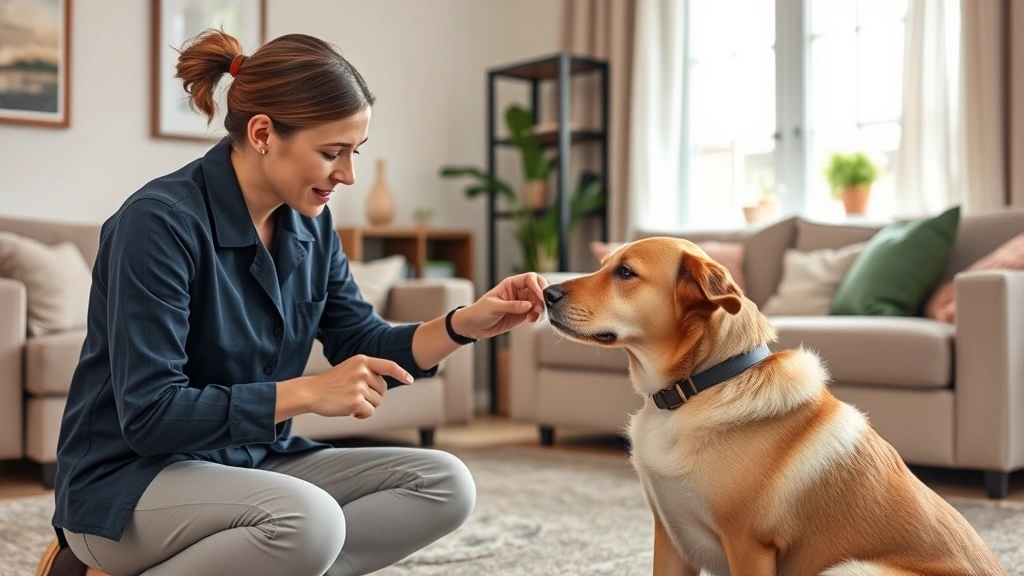
Avoid over-comforting right before you leave. While it might feel natural to coddle your anxious pup, excessive reassurance can actually amplify their anxiety. Keep departures and arrivals calm and matter-of-fact.
Real-World Tips from Vet Techs and Dog Behaviorists
From a veterinary technician perspective, one of the most underrated solutions is ensuring your dog gets adequate exercise and mental enrichment. We see so many cases where owners are surprised at how much their dog’s behavior improves with just a 30-minute walk before departure.
Another pro tip: practice your departure routine even when you’re not actually leaving. Put on your shoes, grab your keys, and then just sit on the couch. This desensitizes your dog to the pre-departure cues without the actual stress of being left alone. Over time, these cues become less triggering.
Also, consider your dog’s age and breed. Puppies might howl out of immaturity and lack of impulse control. Senior dogs might have cognitive issues. Understanding where your dog is in their life helps tailor your approach.
Frequently Asked Questions
Is my dog howling because of separation anxiety?
Not necessarily. While separation anxiety is a common cause, dogs also howl due to boredom, territorial communication, or just their natural temperament. If your dog howls for a few minutes and then settles, it’s likely not severe anxiety. If they’re destructive, having accidents, or howling for extended periods, separation anxiety is more likely. A vet can help you determine the cause.
How long does it take to stop a dog from howling when you leave?
It depends on the underlying cause and your dog’s age and temperament. Some dogs respond to changes in a few weeks, while others might take several months. Consistency is key—you need to stick with your training plan even when progress seems slow. Working with a professional trainer can speed up the process.
Can medication help my dog’s howling?
For severe separation anxiety, anti-anxiety medications prescribed by your vet can be helpful, especially when combined with behavior modification. However, medication alone won’t solve the problem—it needs to be paired with training and environmental changes. Always consult your vet before starting any medication.
Will my dog eventually stop howling if I ignore it?
Ignoring the howling is actually part of the solution, but it’s not the whole solution. You need to combine ignoring the behavior with positive reinforcement for calm behavior, desensitization to your departure, and adequate exercise. Simply ignoring it without addressing the underlying cause won’t work.
Is howling a sign my dog doesn’t love me?
Absolutely not. In fact, howling when you leave is often a sign that your dog loves you and doesn’t want you to go. It’s their way of expressing attachment and distress at separation. The goal isn’t to make your dog love you less—it’s to help them feel more secure and confident when you’re apart.
Summary: Taking Action on Your Dog’s Howling
Your dog’s howling when you leave is a communication attempt, not a character flaw. Whether it’s driven by separation anxiety, boredom, territorial instinct, or just their breed’s natural vocalization, there are proven solutions that work.
Start by identifying the root cause. Is your dog getting enough exercise and mental stimulation? Are they dealing with genuine separation anxiety? Once you know what you’re working with, implement the solutions that fit your situation—whether that’s gradual desensitization, better routines, increased exercise, or professional help.
Remember that consistency and patience are your best friends here. According to PetMD, behavioral changes don’t happen overnight, but with dedication, most dogs can learn to handle alone time with significantly less howling.
If you’re struggling, don’t hesitate to reach out to a certified dog trainer or veterinary behaviorist. They can provide personalized guidance and help you create a plan that works for your specific dog. And if you notice your dog’s howling is accompanied by other concerning behaviors or health changes, consult your vet to rule out medical issues.
Your dog’s howling is fixable, and the fact that you’re seeking solutions shows you’re a caring pet parent. Stick with it, stay consistent, and you’ll likely see improvement sooner than you think.





