
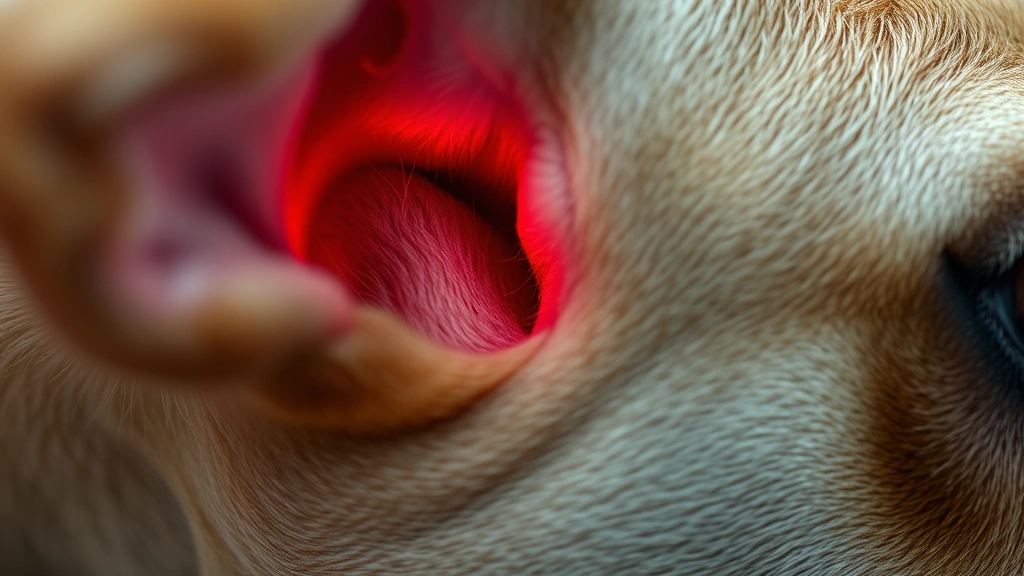
If you’re constantly wondering why does my dog keep getting ear infections, you’re not alone—and honestly, it’s enough to make any dog parent want to pull their hair out. One minute your pup is happily scratching away, and the next you’re back at the vet’s office for the third time this year. But here’s the good news: chronic ear infections in dogs aren’t some mysterious curse. They’re usually caused by specific, identifiable issues that you can actually do something about.
Table of Contents
- Understanding Canine Ear Infections and Chronic Patterns
- Cause #1: Allergies Are the Sneaky Culprit Behind Recurring Infections
- Cause #2: Ear Structure and Breed Predisposition
- Cause #3: Moisture and Poor Ear Hygiene
- Cause #4: Parasites and Mite Infestations
- Cause #5: Underlying Health Conditions and Immune Issues
- Recognizing the Signs of Chronic Ear Infections
- Treatment Options and When to Use Mometamax
- Prevention Strategies That Actually Work
- When to See a Veterinary Specialist
- The Role of Overall Health in Ear Infection Prevention
- Frequently Asked Questions
- Conclusion: Breaking the Cycle of Chronic Ear Infections
Let me break down exactly what’s going on in those floppy (or pointy) ears and why your furry friend keeps ending up with infections that just won’t quit.
Understanding Canine Ear Infections and Chronic Patterns
Before we dive into the causes, let’s talk about what’s actually happening when your dog gets an ear infection. The ear canal is a warm, moist environment—basically a five-star resort for bacteria and yeast. When the natural balance gets disrupted, these microorganisms throw a party and multiply like crazy. One infection is annoying. But when your dog keeps getting them over and over? That means something deeper is going on that we need to address at the root cause.
Chronic ear infections typically fall into two categories: bacterial infections and yeast infections. Some dogs get one, some get both, and some unfortunate pups seem to get tag-teamed by both simultaneously. The key to stopping the cycle is figuring out why their ear environment keeps becoming the perfect breeding ground for these troublemakers.
Cause #1: Allergies Are the Sneaky Culprit Behind Recurring Infections
Here’s what most people don’t realize: allergies are the number one reason dogs develop chronic ear infections. Whether it’s food allergies, environmental allergies (pollen, dust mites, mold), or contact allergies, they all trigger inflammation in the ear canal. That inflammation creates the perfect storm for yeast and bacteria to move in and set up shop.
When a dog has allergies, their immune system is already in overdrive, and the ear canal becomes inflamed and produces extra wax and oils. This changes the pH balance and creates an environment where yeast absolutely thrives. You’ll often notice your dog scratching their ears more intensely during certain seasons or after eating specific foods. Some breeds are particularly prone to allergies—looking at you, Labradors, Golden Retrievers, and Cocker Spaniels.
The frustrating part? You can treat the ear infection with medication, but if you don’t address the underlying allergy, your dog will get another infection within weeks. It’s like treating a symptom instead of the disease. Work with your vet to identify potential allergens through elimination diets or allergy testing.
Cause #2: Ear Structure and Breed Predisposition
Some dogs are basically born with a disadvantage when it comes to ear health. Dogs with long, floppy ears—like Basset Hounds, Cocker Spaniels, and Poodles—have ear canals that are more vertical and L-shaped. This design traps moisture, debris, and wax more easily than upright ears. It’s not fair, but it’s anatomy.
Additionally, dogs with hairy ear canals (like Poodles and some terriers) can have hair that blocks airflow and traps moisture. The combination of floppy ears, hair-filled canals, and a naturally moist environment creates a perfect storm for infection. If your dog has this ear structure, you’re going to need to be more proactive with ear cleaning and maintenance. This isn’t something you can fix surgically (unless it’s severe), but it is something you can manage.
Cause #3: Moisture and Poor Ear Hygiene
Water in the ears is a major culprit that people often overlook. If your dog loves swimming or you’re bathing them regularly without drying their ears properly, moisture is building up in there. Even a little bit of water trapped in the ear canal creates the ideal environment for yeast and bacteria to flourish.
This is especially true for dogs with those aforementioned floppy ears and hairy canals. After swimming or bathing, that moisture gets trapped and just sits there, marinating in warmth and darkness. No wonder infections develop! Make sure you’re drying your dog’s ears thoroughly after water exposure. Use a cotton ball or soft cloth to gently dry the outer ear, and consider using a dog-safe ear drying solution if your pup is a frequent swimmer.
Regular ear cleaning is also important, but here’s where people mess up: they clean too aggressively or use the wrong solution, which can irritate the ear canal and actually make things worse. If you’re doing at-home ear cleaning, use a vet-approved solution and be gentle. When in doubt, have your vet show you the proper technique or do it for you.
Cause #4: Parasites and Mite Infestations
Ear mites are tiny parasites that live in the ear canal and cause intense itching and inflammation. When a dog scratches at their ears constantly due to mites, they create micro-tears in the skin, which then become infected with bacteria or yeast. It’s a cascade of problems that starts with one tiny parasite.
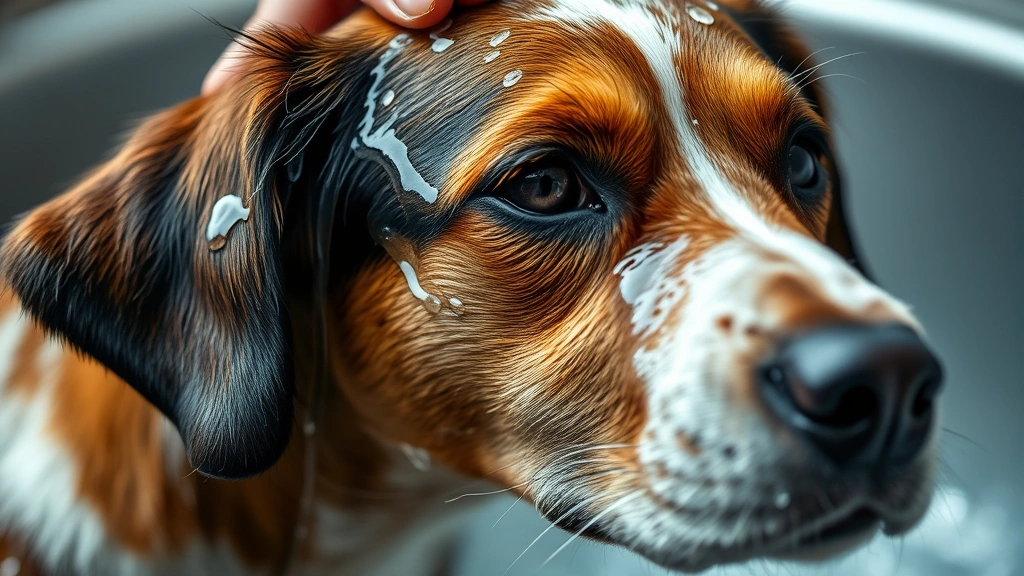
Ear mites are contagious between dogs (and sometimes cats), so if your multi-pet household has one dog with mites, the others might have them too. You’ll typically see dark, crusty debris in the ear that looks like coffee grounds. If you suspect mites, your vet can confirm with an otoscope exam and prescribe appropriate treatment. The good news is that mites are treatable, but you need to address all pets in the household simultaneously.
Cause #5: Underlying Health Conditions and Immune Issues
Sometimes chronic ear infections are a sign that something bigger is going on with your dog’s health. Hormonal imbalances (like hypothyroidism or Cushing’s disease), autoimmune conditions, or even certain medications can suppress immune function and make dogs more susceptible to infections.
Dogs with underlying health issues that affect immune function will struggle to fight off infections naturally. If your vet has ruled out allergies, ear structure issues, and parasites, they may recommend blood work to check for hormonal or immune-related problems. Addressing the underlying condition often helps resolve the chronic ear infections.
Recognizing the Signs of Chronic Ear Infections
So how do you know if your dog has a chronic ear infection situation? Beyond the obvious scratching and head shaking, watch for these red flags: foul-smelling discharge, redness or swelling in the ear canal, crusting or scabbing, behavioral changes (like sensitivity when you touch their ears), or a tilted head. Some dogs develop a yeasty smell coming from their ears—that’s a pretty reliable indicator of a yeast infection.
Keep a log of when infections occur. Do they happen seasonally? After swimming? After eating certain foods? These patterns help your vet identify the root cause. Don’t just treat each infection as it comes—that’s like bailing water out of a boat without plugging the leak.
Treatment Options and When to Use Mometamax
Once your vet diagnoses an ear infection, they’ll prescribe appropriate treatment. For many bacterial and yeast infections, Mometamax for Dogs is a common choice. It’s a combination medication that contains an antibiotic, antifungal, and anti-inflammatory all in one. It works well for acute infections, but remember—it’s treating the infection, not the underlying cause.
If your dog keeps getting infections despite treatment, you’re not using the right approach. You need to identify and address the root cause. This might mean switching to a limited ingredient diet if allergies are suspected, implementing a regular ear-cleaning routine, or treating a parasitic infestation. Some dogs also benefit from omega-3 supplements and a high-quality large breed dog food that supports overall immune health.
Prevention Strategies That Actually Work
Prevention is always better than treatment. Here’s what you can actually do to reduce the frequency of ear infections:
Regular ear checks: Inspect your dog’s ears weekly. Look for redness, odor, discharge, or excessive wax buildup. Catch problems early before they become infections.
Controlled ear cleaning: Use a vet-approved ear cleaner once or twice weekly if your dog is prone to infections. Don’t overdo it—too much cleaning can irritate the canal.
Moisture management: Dry ears thoroughly after bathing or swimming. Consider using cotton balls or a soft cloth, not cotton swabs (which can push debris deeper).
Diet optimization: Work with your vet to identify food allergies. Many chronic ear infections improve dramatically with a diet change. Omega-3 fatty acids also support ear health and reduce inflammation.
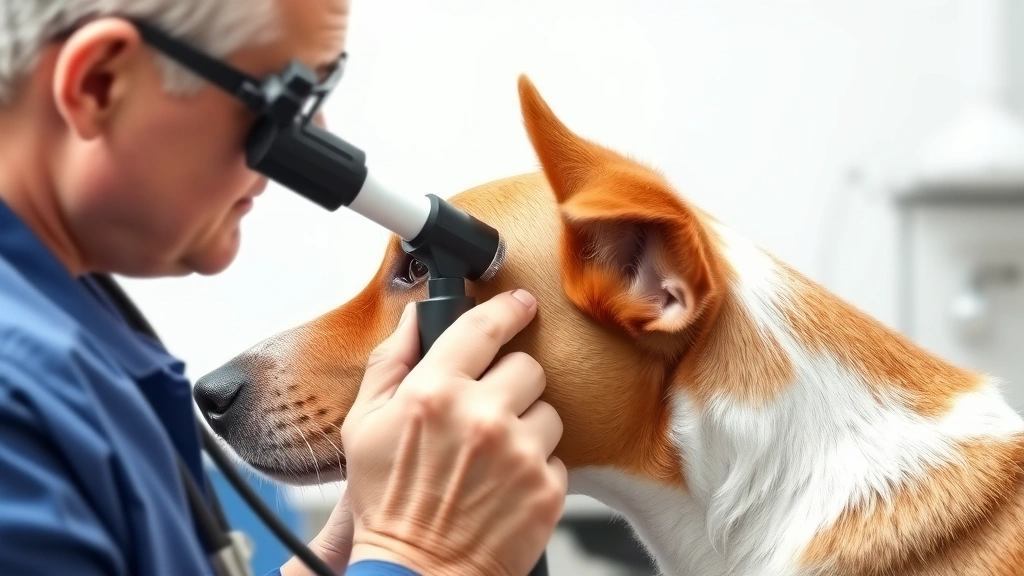
Regular vet visits: If your dog is prone to ear infections, schedule check-ups every 4-6 weeks during problem seasons. This allows your vet to catch early signs before full infections develop.
When to See a Veterinary Specialist
If you’ve tried everything and your dog is still getting ear infections every month or two, it’s time to see a veterinary dermatologist. These specialists have advanced diagnostic tools and expertise that general practitioners might not have. They can perform allergy testing, do deeper investigations into immune issues, and develop specialized treatment plans.
According to the American Kennel Club, chronic ear infections can significantly impact a dog’s quality of life, and specialized care is often necessary for cases that don’t respond to standard treatment.
The Role of Overall Health in Ear Infection Prevention
Don’t underestimate the importance of general health maintenance. Dogs that are overweight, poorly nourished, or stressed are more susceptible to infections. Make sure your dog is getting adequate exercise, mental stimulation, and a balanced diet. If your dog has other health issues like kidney problems, proper nutrition is even more critical—check out information about kidney diet for dogs if that applies to your situation.
According to PetMD, maintaining a strong immune system through proper nutrition and stress management can significantly reduce infection frequency.
Frequently Asked Questions
How often is too often for dog ear infections?
If your dog gets more than 2-3 ear infections per year, that’s considered chronic and warrants investigation into underlying causes. A single infection is unfortunate but normal. Recurring infections mean something systemic is going on.
Can ear infections in dogs be prevented entirely?
Not always, but the frequency can usually be reduced significantly once you identify and address the root cause. Some dogs with severe allergies or anatomical challenges will always be more prone to infections, but proper management can minimize them.
Is it normal for ear infections to come back after treatment?
No, it’s not normal, and it’s a sign that the underlying cause wasn’t addressed. If your dog gets an infection again within a few weeks of treatment, talk to your vet about investigating allergies, parasites, or other contributing factors.
What’s the difference between yeast and bacterial ear infections?
Yeast infections typically have a distinctive musty or corn chip smell and produce darker, waxy discharge. Bacterial infections often have a foul odor and may produce yellowish or greenish discharge. Your vet can determine which (or both) your dog has through a simple ear swab.
Are some dog breeds more prone to ear infections?
Absolutely. Breeds with floppy ears and hairy canals like Cocker Spaniels, Poodles, Basset Hounds, and Golden Retrievers are genetically predisposed. Breeds prone to allergies (like Labs and German Shepherds) also have higher infection rates.
Conclusion: Breaking the Cycle of Chronic Ear Infections
If you’ve been asking yourself why does my dog keep getting ear infections, the answer is almost always one of these five causes: allergies, ear structure, moisture and hygiene, parasites, or underlying health conditions. The key to finally breaking the cycle is working with your vet to identify which factor (or combination of factors) is responsible for your dog’s situation.
Stop treating each infection in isolation and start investigating the root cause. It might take some detective work—trying an elimination diet, implementing a cleaning routine, or getting allergy testing—but once you figure out what’s actually going on, you can finally give your pup the relief they deserve. Your dog will thank you with fewer vet visits, less scratching, and a much happier life with healthy ears.





