

If you’ve noticed your dog constantly shaking his head, you’re likely concerned about what might be causing this behavior. Head shaking is one of the most common signs that something is bothering your dog’s ears or head area. While occasional head shaking is normal, persistent or excessive head shaking can indicate underlying health issues that require attention.
Understanding why dogs shake their heads and knowing when to seek help can make a significant difference in your pet’s comfort and health. From ear infections to foreign objects, there are numerous reasons why your dog might be experiencing this discomfort. By learning to identify the signs and taking appropriate action, you can help provide relief for your furry friend.
Common Causes of Head Shaking in Dogs
Dogs shake their heads for various reasons, ranging from simple irritation to serious medical conditions. The most frequent causes include ear infections, parasites, allergies, foreign objects in the ear canal, and even neurological issues. Understanding these potential causes helps pet owners recognize when their dog needs immediate attention versus when they can try some home remedies first.
Ear-related issues account for approximately 80% of head shaking cases in dogs. The ear canal’s shape in dogs makes them particularly susceptible to problems, as their L-shaped ear canals can trap moisture, debris, and bacteria more easily than human ears. Breeds with floppy ears, such as Cocker Spaniels, Basset Hounds, and Golden Retrievers, are especially prone to ear problems due to reduced air circulation.
Environmental factors also play a significant role in head shaking behavior. Seasonal allergies, swimming in contaminated water, or exposure to irritants like cleaning products can trigger persistent head shaking. Additionally, some dogs develop habitual head shaking due to stress or anxiety, which can become a compulsive behavior if not addressed properly.
Ear Infections: The Most Frequent Culprit
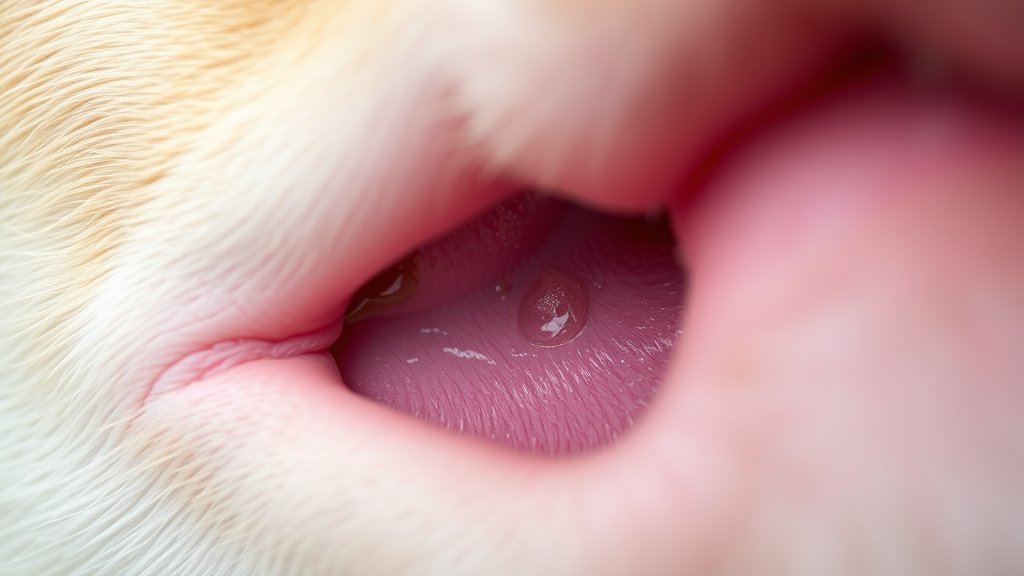
Ear infections are the leading cause of head shaking in dogs, affecting millions of pets annually. These infections can be bacterial, yeast-based, or fungal, each requiring different treatment approaches. Bacterial infections often result from moisture trapped in the ear canal, while yeast infections typically develop in warm, humid conditions or as a secondary issue following bacterial infections.
Signs of ear infections extend beyond head shaking and include a strong odor emanating from the ears, discharge that may be yellow, brown, or black, redness and swelling of the ear canal, and your dog tilting his head to one side. Dogs with ear infections may also scratch at their ears excessively, leading to scratches and wounds around the ear area. If you notice these symptoms, learning how to clean dogs ears properly can be an important first step.
Chronic ear infections can lead to serious complications, including hearing loss, facial nerve paralysis, and in severe cases, the infection can spread to the brain. The American Veterinary Medical Association emphasizes the importance of prompt treatment to prevent these complications and ensure your dog’s long-term health.
Parasites and Allergens
Ear mites are microscopic parasites that can cause intense itching and head shaking in dogs. These tiny creatures feed on ear wax and oils, creating a dark, coffee-ground-like discharge in the ears. Ear mites are highly contagious and can spread between pets, making it important to treat all animals in the household if one is infected.
Other parasites that can cause head shaking include fleas and ticks. Understanding what do fleas look like on dogs and how do dogs get fleas can help you identify these pests early. While less common, dogs can get lice, which can also cause irritation and scratching behaviors.
Environmental allergies are another significant cause of head shaking. Pollen, dust mites, mold spores, and certain foods can trigger allergic reactions that manifest as ear inflammation and itching. Seasonal patterns often help identify environmental allergens, while food allergies typically cause year-round symptoms. The ASPCA provides detailed information about identifying and managing allergies in dogs.
Foreign Objects and Debris
Foreign objects lodged in the ear canal can cause immediate and severe head shaking. Common culprits include grass seeds (especially foxtails), small toys, cotton swabs, or pieces of food. These objects can cause pain, infection, and potentially damage the eardrum if not removed promptly by a veterinary professional.
Grass seeds are particularly problematic because they have barbed edges that allow them to work their way deeper into the ear canal over time. Dogs that spend time in tall grass or hiking trails are at higher risk for this type of ear problem. Never attempt to remove foreign objects yourself, as you risk pushing them deeper or causing injury to the delicate ear structures.
Water trapped in the ears after swimming or bathing can also cause persistent head shaking. This is especially common in dogs with heavy, floppy ears that don’t allow proper air circulation for drying. Proper ear cleaning techniques after water exposure can help prevent moisture-related problems.

When to Be Concerned
While occasional head shaking is normal, certain signs indicate the need for immediate veterinary attention. Seek professional help if your dog shows signs of pain when you touch his ears, if there’s blood in the ear discharge, if your dog seems disoriented or is walking in circles, or if the head shaking is accompanied by vomiting or loss of appetite.
Emergency situations include when your dog suddenly develops severe head shaking along with loss of balance, when you can see a foreign object in the ear canal, or when there are signs of trauma to the head or ears. These symptoms may indicate serious conditions such as a ruptured eardrum, inner ear infection, or neurological problems that require immediate intervention.
Chronic head shaking that persists for more than a day or two, even without other symptoms, should also prompt a veterinary visit. Sometimes, what starts as a minor irritation can develop into a more serious condition if left untreated. It’s important to distinguish between general body shaking and head-specific shaking, as general shaking in dogs can indicate different health concerns.
Immediate Care and First Aid
When you notice your dog shaking his head persistently, there are several immediate steps you can take to provide comfort while determining if veterinary care is needed. First, gently examine the visible parts of your dog’s ears using a flashlight, looking for obvious signs of irritation, discharge, or foreign objects. Never insert anything into the ear canal, including cotton swabs, as this can cause further damage.
If you see visible dirt or wax on the outer ear, you can gently clean the area with a damp cloth. However, avoid cleaning deep into the ear canal without proper guidance. For dogs with recurring ear issues, learning proper ear infection treatment techniques can be valuable, though veterinary consultation is always recommended for persistent problems.
Create a calm environment for your dog to reduce stress-induced head shaking. Some dogs shake their heads more when anxious, so providing a quiet, comfortable space can help determine if the behavior is medical or behavioral in nature. Document the frequency and intensity of the head shaking, along with any other symptoms, to provide accurate information to your veterinarian.
Prevention Strategies
Preventing head shaking often involves maintaining good ear health through regular care and monitoring. Establish a routine ear inspection schedule, checking your dog’s ears weekly for signs of irritation, unusual odor, or discharge. This early detection can prevent minor issues from becoming major problems.
Keep your dog’s ears dry, especially after swimming or bathing. Use absorbent towels to gently dry the outer ear area, and consider using ear-drying solutions recommended by your veterinarian for dogs prone to ear problems. Avoid over-cleaning, as this can disrupt the natural balance of bacteria and oils that protect the ear.
Address underlying health issues that contribute to ear problems. This includes managing allergies through proper diet and environmental controls, maintaining your dog’s overall health through regular veterinary check-ups, and keeping up with parasite prevention programs. The Centers for Disease Control and Prevention provides guidelines for maintaining pet health and preventing common parasitic infections.
Environmental management also plays a crucial role in prevention. Regular grooming helps identify potential issues early, while keeping your dog away from areas with high pollen counts during allergy season can reduce ear irritation. Understanding what causes hot spots on dogs can also help you recognize related skin conditions that might affect the ear area.
Professional Treatment Options
Veterinary treatment for persistent head shaking varies depending on the underlying cause. For bacterial ear infections, veterinarians typically prescribe antibiotic ear drops or oral medications. Yeast infections require antifungal treatments, while parasitic infections need specific antiparasitic medications. The treatment duration usually ranges from 7-14 days, with follow-up examinations to ensure complete resolution.
For severe or chronic cases, veterinarians may recommend advanced diagnostic procedures such as ear cytology to identify the specific type of infection, culture and sensitivity testing to determine the most effective antibiotics, or imaging studies like X-rays or CT scans if structural problems are suspected. These diagnostic tools help ensure targeted, effective treatment.
In cases involving foreign objects, sedation may be necessary for safe removal. Veterinarians have specialized tools and training to remove objects without causing further damage to the ear canal or eardrum. According to the American Kennel Club, professional removal is always safer than attempting home removal, which can push objects deeper or cause injury.
For dogs with chronic, recurring ear problems, veterinarians may recommend surgical options such as ear canal ablation in severe cases where medical management has failed. However, this is typically reserved for extreme situations and requires careful consideration of the benefits and risks involved.
Frequently Asked Questions
Why does my dog keep shaking his head even after cleaning his ears?
Persistent head shaking after ear cleaning can indicate several issues. The ear infection may not be fully resolved, requiring longer treatment or a different medication. Sometimes, cleaning products can irritate sensitive ears, causing continued discomfort. Additionally, your dog may have developed a habit of head shaking that continues even after the original problem is solved. If head shaking persists for more than 24-48 hours after cleaning, consult your veterinarian for further evaluation.
Can head shaking cause injury to my dog?
Yes, excessive head shaking can cause secondary injuries. The most common complication is an aural hematoma, where blood vessels in the ear flap rupture from vigorous shaking, creating a swollen, blood-filled pocket. This condition is painful and typically requires surgical repair. Severe head shaking can also cause scratches and wounds from claws when dogs scratch at their ears simultaneously.
How often should I clean my dog’s ears to prevent head shaking?
The frequency of ear cleaning depends on your dog’s breed, lifestyle, and ear health history. Most dogs benefit from weekly ear inspections with cleaning only when necessary. Dogs with floppy ears, swimmers, or those with a history of ear problems may need more frequent cleaning. However, over-cleaning can disrupt the ear’s natural protective mechanisms, so follow your veterinarian’s specific recommendations for your dog.
Is head shaking always related to ear problems?
While ear issues cause the majority of head shaking cases, other conditions can also trigger this behavior. Neurological problems, such as vestibular disease, can cause head tilting and shaking. Some dogs develop compulsive head shaking due to stress or anxiety. Skin allergies affecting the head and neck area can also cause shaking behavior. A thorough veterinary examination can help determine the exact cause.
What home remedies are safe for treating head shaking in dogs?
Safe home care includes gentle cleaning of the outer ear with a damp cloth, ensuring ears stay dry after water exposure, and providing a calm environment to reduce stress-induced shaking. However, avoid putting any substances into the ear canal without veterinary guidance. Never use hydrogen peroxide, alcohol, or human ear products, as these can worsen irritation or damage the ear. When in doubt, consult your veterinarian before attempting any home treatment.
When should I consider head shaking a medical emergency?
Seek immediate veterinary care if head shaking is accompanied by loss of balance, difficulty walking, vomiting, visible foreign objects in the ear, bloody discharge, or signs of severe pain. Additionally, if your dog suddenly develops intense head shaking with no prior symptoms, this warrants urgent attention. Any neurological symptoms such as confusion, disorientation, or unusual behavior patterns require immediate professional evaluation.
Can certain dog breeds be more prone to head shaking problems?
Yes, certain breeds are more susceptible to ear problems that cause head shaking. Dogs with long, floppy ears like Cocker Spaniels, Basset Hounds, and Labrador Retrievers have reduced air circulation in their ear canals, making them prone to infections. Breeds with narrow ear canals, such as Shar Peis, may have structural predispositions to ear problems. Additionally, dogs with allergies or excessive hair growth in their ears, like Poodles, may experience more frequent ear-related head shaking. Understanding your breed’s specific risks can help with prevention and early intervention strategies.





