
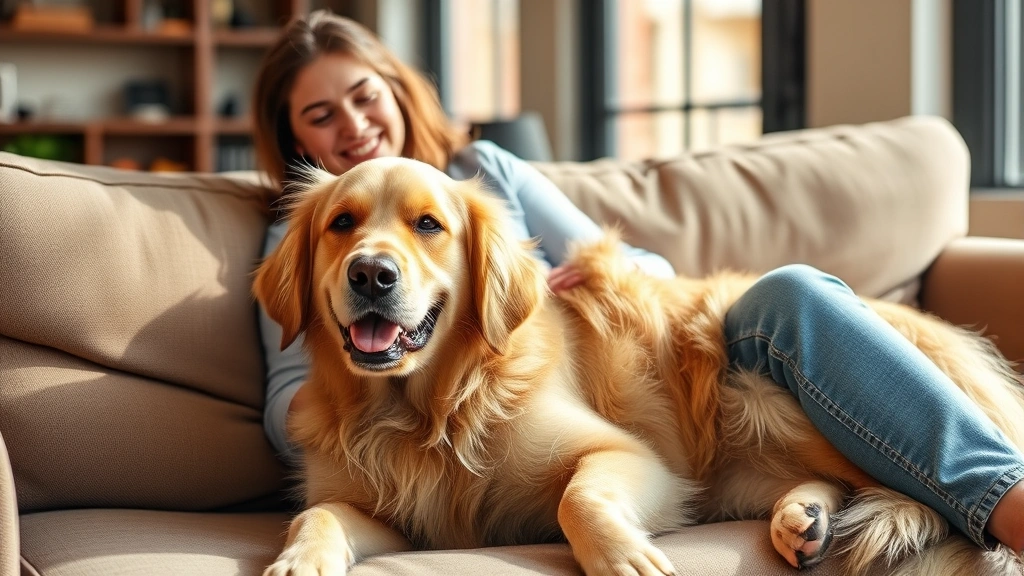
If you’ve ever wondered why does my dog lean on me, you’re not alone—and the answer is absolutely adorable. That warm, fuzzy feeling when your pup presses their entire body weight against your leg or curls up in your lap isn’t random behavior. Dogs lean on their humans for some pretty compelling reasons, and understanding what’s behind this sweet gesture can deepen your bond and help you respond to their needs better.
Table of Contents
- The Pack Mentality: Why Dogs Need to Be Close
- Seeking Security and Comfort
- Showing Affection and Love
- Marking Territory and Claiming You as Theirs
- Seeking Attention and Interaction
- Physical Comfort and Temperature Regulation
- Reading Your Dog’s Leaning Behavior
- The Health Connection: When Leaning Signals a Problem
- Building a Stronger Bond Through Leaning
- Different Leaning Styles: What They Mean
- When Your Dog Stops Leaning: Should You Worry?
- Creating the Perfect Leaning Environment
- Frequently Asked Questions
- Conclusion: Cherish These Moments
Let’s dive into the science, the emotions, and the pure joy behind why your dog can’t seem to get close enough to you.
The Pack Mentality: Why Dogs Need to Be Close
Dogs are pack animals, and that instinct runs deep in their DNA. When your dog leans on you, they’re essentially saying, “You’re my person, and I trust you completely.” In the wild, pack members stay close for protection, warmth, and social bonding. Your dog sees you as part of their pack—actually, you’re the leader of it. By leaning on you, they’re reinforcing that bond and seeking comfort in your presence. This behavior is especially noticeable in dogs that have strong attachments to their owners, and it’s one of the most genuine forms of canine affection you can receive.
Seeking Security and Comfort
Think of dog leaning behavior as their version of a security blanket. When dogs feel anxious, stressed, or uncertain about their environment, they’ll gravitate toward their trusted human. This is particularly true during thunderstorms, fireworks, or when you’re introducing them to new situations. Your physical presence and body heat provide reassurance that everything is okay. If your dog is lethargic or showing signs of distress, leaning might be their way of asking for comfort and support. It’s their non-verbal way of saying, “I need you right now.”
Showing Affection and Love
Let’s be honest—one of the primary reasons your dog leans on you is pure, unadulterated love. Dogs express affection differently than humans, but leaning is one of their most direct methods. When your pup settles their weight against your leg or rests their head on your lap, they’re showing you that you’re their favorite person in the world. This behavior strengthens the emotional bond between you two and releases oxytocin (the “love hormone”) in both your brains. It’s a win-win situation that feels amazing for everyone involved.
Marking Territory and Claiming You as Theirs
Dogs have scent glands all over their bodies, and when they lean on you, they’re subtly marking you as part of their territory. This isn’t aggressive behavior—it’s actually a sign of ownership and belonging. By pressing against you, your dog is transferring their scent onto you, essentially claiming you as “theirs.” Other dogs can pick up on this scent marking, and it sends a clear message: “This human belongs to my pack.” It’s both a territorial behavior and a bonding ritual rolled into one adorable package.
Seeking Attention and Interaction
Sometimes, your dog leans on you because they want something—playtime, a walk, treats, or just your undivided attention. This is especially true if you’ve reinforced the behavior in the past by responding positively to their leans. Dogs are smart creatures, and they quickly learn which behaviors get them what they want. If your dog knows that leaning on you results in petting, talking, or playtime, they’ll repeat the behavior. It’s their way of saying, “Hey, notice me!” without barking or jumping.
Physical Comfort and Temperature Regulation
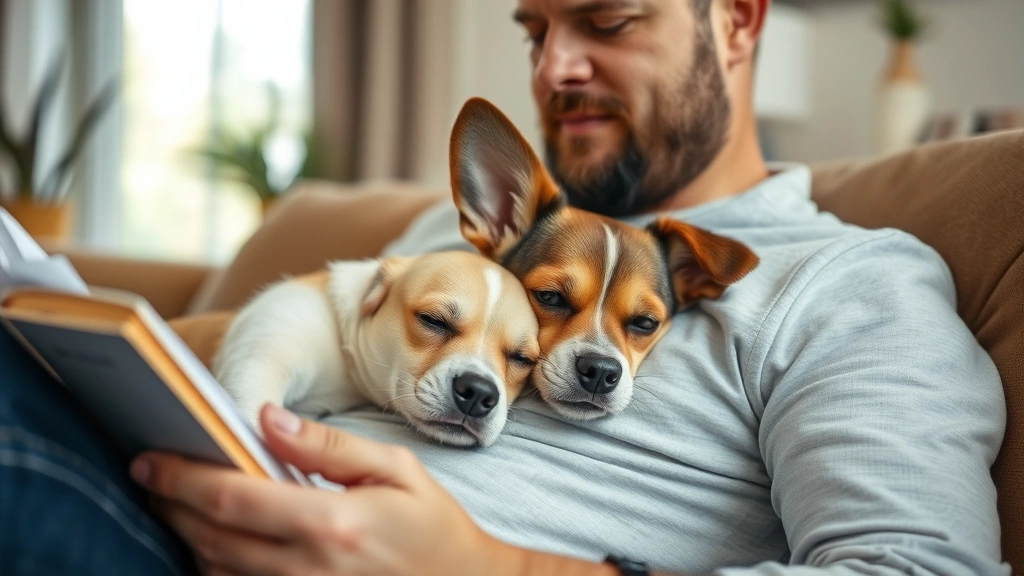
Your dog’s body heat and yours create a cozy microclimate that’s perfect for snuggling. Puppies and smaller breeds especially benefit from the warmth your body provides. Additionally, older dogs or those with mobility issues or sensory challenges may lean on you for physical support and stability. The pressure of leaning can also have a calming effect, similar to how weighted blankets work for humans. If your dog is recovering from illness or injury, they might lean more frequently as they seek comfort and support during their healing process.
Reading Your Dog’s Leaning Behavior
Not all leans are created equal, and it’s important to pay attention to the context and your dog’s body language. A relaxed, soft lean usually indicates contentment and affection. However, a tense lean with ears pinned back might signal anxiety or fear. Your dog’s tail position, ear placement, and overall posture will tell you whether they’re seeking comfort, showing love, or asking for something specific. By becoming attuned to these subtle differences, you can better understand what your pup is trying to communicate and respond appropriately to their needs.
The Health Connection: When Leaning Signals a Problem
While most leaning is perfectly normal and healthy, excessive or sudden changes in leaning behavior can sometimes indicate an underlying health issue. If your dog suddenly starts leaning more than usual, seems disoriented, or displays other unusual symptoms, it’s worth consulting your veterinarian. Pain, neurological issues, or other medical conditions can sometimes manifest as increased clingy behavior. Additionally, if your dog is displaying unusual behavioral changes, a vet checkup is always a good idea to rule out any health concerns.
Building a Stronger Bond Through Leaning
Your dog’s leaning behavior is an opportunity to deepen your relationship. Respond positively by petting them gently, speaking in soothing tones, or simply enjoying the quiet moment together. These interactions reinforce your dog’s trust and security, making them even more likely to seek your comfort in the future. Regular physical contact through leaning has been shown to reduce stress levels in both dogs and humans, improve cardiovascular health, and strengthen emotional bonds. It’s one of the simplest yet most powerful ways to connect with your furry friend.
Different Leaning Styles: What They Mean
Dogs have different leaning styles, and each one tells a story. A full-body lean where your dog presses their entire side against you is typically a sign of maximum trust and affection. A gentle head rest on your lap indicates contentment and relaxation. A quick, repeated lean might mean they’re seeking attention or have something on their mind. Some dogs lean while maintaining eye contact, which is an especially intimate form of communication. Pay attention to these variations, and you’ll become fluent in your dog’s unique language of love.
When Your Dog Stops Leaning: Should You Worry?
If your previously clingy dog suddenly stops leaning on you, it could indicate several things. Sometimes it’s just a change in their mood or routine. However, it could also signal illness, pain, or emotional distress. Keep an eye on other behavioral changes, appetite, energy levels, and bathroom habits. If the change persists or is accompanied by other concerning symptoms, schedule a vet visit. According to the American Kennel Club, sudden behavioral changes should never be ignored, as they can be early indicators of health problems.
Creating the Perfect Leaning Environment
To encourage healthy leaning behavior, make sure your dog has a comfortable, safe space where they can be close to you. Cozy furniture, blankets, and a relaxed atmosphere all contribute to a dog that feels secure enough to lean. Avoid punishing or discouraging this behavior unless it’s genuinely problematic (like during driving). Instead, embrace these moments and use them as opportunities for bonding. Your dog’s need to be near you is a compliment to your role as their trusted caregiver and pack leader.
Frequently Asked Questions
Is it normal for dogs to lean on their owners?
Absolutely! Leaning is a completely normal and healthy behavior in dogs. It’s one of the most common ways dogs show affection and seek comfort from their trusted humans. Most dogs will lean on their owners at some point, though the frequency varies by individual personality and breed.
Why does my dog lean on me more than other family members?
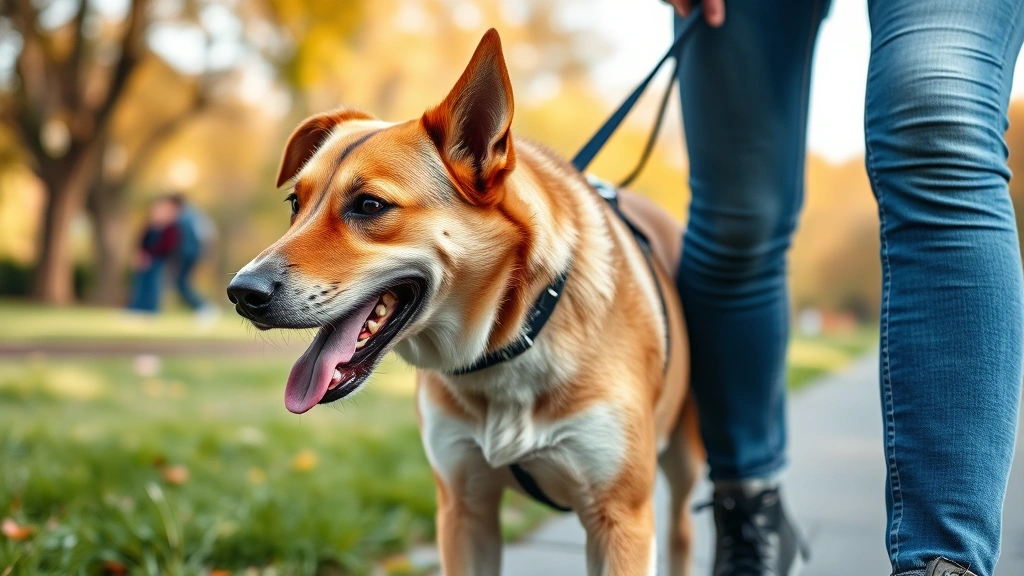
Your dog likely leans on you more because they see you as their primary caregiver and pack leader. Dogs form stronger bonds with the person who feeds them, plays with them most, and provides the most interaction. This doesn’t mean they don’t love other family members—it just means you’re their “person.”
Can excessive leaning indicate a health problem?
While occasional leaning is normal, a sudden increase in clingy behavior can sometimes signal anxiety, pain, or illness. If your dog’s leaning behavior changes dramatically or is accompanied by other symptoms like lethargy, loss of appetite, or disorientation, consult your veterinarian to rule out medical issues.
Should I discourage my dog from leaning on me?
Not unless it’s genuinely problematic (like during driving or when it interferes with your daily activities). Most of the time, leaning is a beautiful expression of your dog’s trust and love. Embracing this behavior strengthens your bond and provides comfort to your pup. According to PetMD, physical closeness with your dog has numerous health benefits for both of you.
Do all dog breeds lean equally?
Different breeds have different temperaments, and some are naturally more affectionate and clingy than others. Companion breeds like Cavalier King Charles Spaniels and Labradors tend to lean more frequently, while more independent breeds might show affection differently. However, individual personality plays a huge role—some independent breeds have clingy dogs, and vice versa.
What’s the difference between healthy leaning and anxious leaning?
Healthy leaning usually involves a relaxed body, soft eyes, and a wagging tail. The dog seems content and at peace. Anxious leaning, on the other hand, comes with tension, pinned-back ears, a tucked tail, and sometimes trembling. If your dog shows signs of anxiety, try to identify and address the source of their stress, and consider consulting a veterinary behaviorist if the behavior persists.
Conclusion: Cherish These Moments
So, why does your dog lean on me? The answer is multifaceted and absolutely wonderful. Your dog leans on you because they love you, trust you, need your comfort, and see you as their safe place in the world. Whether it’s a sign of affection, a request for attention, a territorial claim, or simply a desire for warmth and closeness, leaning is one of the purest forms of canine communication. These moments are precious, and they won’t last forever—your dog won’t always be young and full of energy. Embrace the leans, respond with love, and treasure the unique bond you share with your furry best friend. For more information on understanding your dog’s behavior and health, consult resources from the American Veterinary Society of Animal Behavior. Your dog’s leaning behavior is a gift—enjoy every second of it.





