
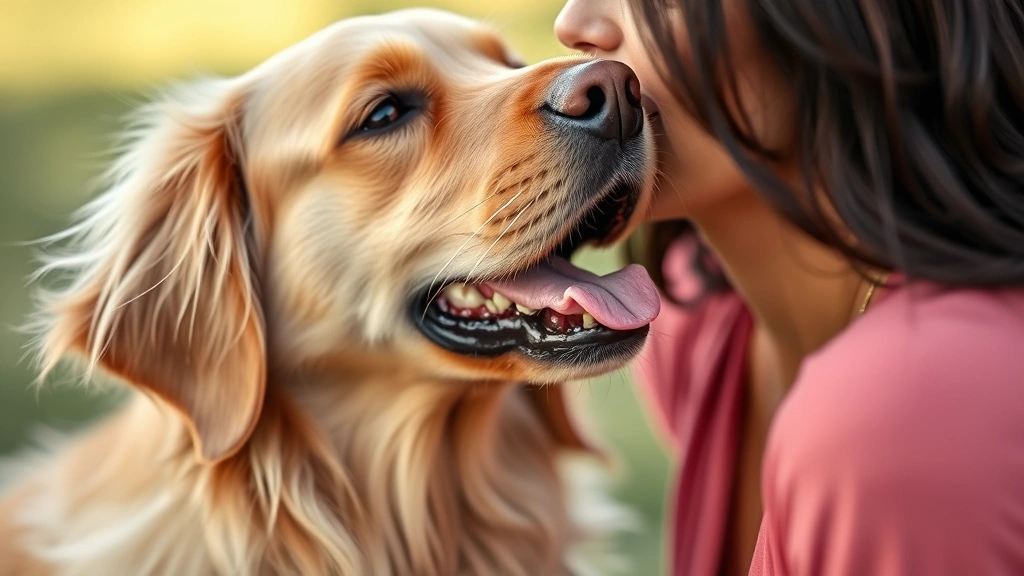
If you’ve ever wondered why does my dog lick my face aggressively, you’re not alone—and honestly, it’s one of the most confusing dog behaviors out there. One minute your pup is giving you gentle kisses, and the next they’re going full attack mode on your face like you’re made of peanut butter. But before you panic or push them away, let’s dig into what’s actually happening in that furry little head of theirs.
Table of Contents
- Understanding Canine Communication: More Than Just Kisses
- Reason #1: Overstimulation and Excitement
- Reason #2: Anxiety and Stress-Related Behavior
- Reason #3: Medical Issues and Skin Problems
- Reason #4: Seeking Attention and Dominance Behavior
- Reason #5: Taste and Scent Attraction
- Identifying the Root Cause: What to Look For
- Training Techniques to Reduce Aggressive Face Licking
- When to Seek Professional Help
- Health Considerations: When Licking Signals Illness
- The Bottom Line: Understanding Your Dog’s Needs
- Frequently Asked Questions
Aggressive face licking isn’t always a sign of aggression (confusing, right?). Sometimes it’s excitement, sometimes it’s a medical issue, and sometimes your dog is just being a weirdo. The good news? Most of the time, it’s totally manageable once you understand the root cause.
Understanding Canine Communication: More Than Just Kisses
Dogs don’t have the luxury of words, so they communicate through body language, vocalizations, and yes, licking. When your dog licks your face aggressively, they’re trying to tell you something—it’s just a matter of figuring out what. Unlike gentle licking (which is often affection), aggressive face licking involves rapid, repetitive licks, sometimes with a tense body posture or intense focus.
The behavior roots back to puppyhood. When puppies are weaned, they lick their mother’s face to stimulate regurgitation of food. Even as adults, dogs retain this instinct, and it can manifest as face licking when they’re excited, anxious, or seeking something from you.
Reason #1: Overstimulation and Excitement
The most common culprit behind aggressive face licking? Your dog is absolutely losing their mind with excitement. This happens especially when you come home after work, during playtime, or when they know something fun is about to happen. Their impulse control goes out the window, and suddenly they’re a furry licking machine.

Dogs with high energy levels or those prone to excitement are notorious for this behavior. It’s their way of saying, “OH MY GOD YOU’RE HOME I CAN’T CONTAIN MYSELF.” The intensity might look aggressive, but it’s usually just unbridled enthusiasm.
To manage this, redirect their energy. When they start the aggressive licking, calmly redirect them to a toy or ask for a sit command. Rewarding calm behavior teaches them that staying composed gets them attention—which is what they actually want.
Reason #2: Anxiety and Stress-Related Behavior
Sometimes aggressive face licking is actually a sign your dog is stressed or anxious. Dogs lick excessively when they’re nervous, and targeting your face specifically might mean they’re seeking comfort or reassurance from you. This is especially common in dogs with separation anxiety or those prone to stress.
If your dog’s aggressive licking intensifies during thunderstorms, fireworks, or when you’re about to leave, anxiety is likely the culprit. Other signs include panting, whining, pacing, or destructive behavior. In these cases, creating a calm environment and potentially consulting a veterinary behaviorist can help.

Some dogs also develop compulsive licking behaviors when stressed, which can lead to skin irritation. If you notice your dog licking excessively in general (not just your face), it might be worth discussing with your vet.
Reason #3: Medical Issues and Skin Problems
Here’s where things get serious: aggressive face licking can sometimes indicate an underlying health problem. If your dog is licking your face intensely but also licking their own paws, body, or other surfaces obsessively, there might be a medical issue at play.
Possible culprits include:
- Allergies: Food allergies or environmental allergies can cause itching and discomfort, leading to excessive licking behavior
- Parasites: Fleas, mites, or other parasites cause irritation that dogs try to relieve through licking
- Ear infections: Infections can make dogs uncomfortable and trigger compulsive behaviors
- Nutritional deficiencies: Lack of certain nutrients can manifest as excessive licking
- Neurological issues: In rare cases, neurological problems can cause compulsive licking
If the licking seems obsessive or is accompanied by hair loss, redness, or other physical symptoms, schedule a vet visit. Your veterinarian can rule out medical causes and recommend appropriate treatment, which might include switching to limited ingredient dog food if allergies are the issue.
Reason #4: Seeking Attention and Dominance Behavior
Some dogs learn that aggressive face licking gets them what they want: your attention. Even if you’re pushing them away or saying “no,” you’re still engaging with them, which reinforces the behavior. It’s the canine equivalent of a toddler throwing a tantrum—they don’t care if the attention is positive or negative, they just want your focus.
In rare cases, aggressive face licking can be related to dominance posturing, though this is less common than people think. If your dog is also displaying other dominant behaviors (blocking doorways, resource guarding, ignoring commands), consult a professional dog trainer or behaviorist.
The fix? Ignore the behavior entirely. Don’t push them away, don’t say anything—just stand up and walk away. When they approach calmly, reward them with attention. This teaches them that calm behavior gets them what they want.
Reason #5: Taste and Scent Attraction
Let’s be honest: sometimes your dog just likes the way your face tastes or smells. If you’ve been eating, sweating, or have lotion on your face, your pup might be aggressively licking because they find it irresistible. It’s not deep or behavioral—it’s just sensory stimulation.

This is especially true if your dog is food-motivated. The aggressive licking might intensify after meals or when you’ve been cooking. While harmless, it can be annoying, so keeping your face clean and redirecting their attention to appropriate toys or chews can help.
Identifying the Root Cause: What to Look For
To figure out which reason applies to your dog, pay attention to the context:
- When does it happen? During specific times (arrivals, departures, meal times) or all day?
- What’s your dog’s body language? Relaxed and playful, or tense and anxious?
- Are there other symptoms? Hair loss, skin issues, excessive licking elsewhere, or behavioral changes?
- How old is your dog? Puppies and younger dogs tend to have more impulse control issues
Keep a mental log of these details. They’ll help you and your vet pinpoint the exact cause.
Training Techniques to Reduce Aggressive Face Licking
Once you’ve identified the cause, here are some practical strategies:

Redirect and Reward: When your dog starts aggressive licking, redirect them to a toy or ask for a sit. Reward calm behavior generously. Consistency is key—everyone in your household needs to follow the same approach.
Manage Triggers: If licking happens during arrivals, practice calm greetings. Ignore your dog for the first few minutes when you come home, then engage on your terms.
Provide Appropriate Outlets: Give your dog appropriate things to lick. Lick mats, frozen treats, or puzzle toys satisfy the licking urge without targeting your face.
Exercise and Mental Stimulation: A tired dog is a well-behaved dog. Increase daily exercise and provide mental enrichment through training, puzzle toys, or games.

Create Boundaries: Teach your dog that your face is off-limits. Use a firm “no” or “off” command consistently, and reward them when they respect the boundary.
When to Seek Professional Help
If the aggressive face licking persists despite your efforts, or if it’s accompanied by other concerning behaviors, it’s time to call in the professionals. A certified dog trainer or veterinary behaviorist can assess your dog’s specific situation and create a tailored training plan.
You should also consult your vet if:
- The licking is obsessive and your dog can’t seem to stop
- There are visible signs of skin irritation or hair loss
- The behavior started suddenly without an obvious trigger
- Your dog shows signs of anxiety or stress
- The licking is accompanied by other behavioral changes
Remember, your vet can rule out medical issues, and a trainer can address behavioral ones. Sometimes you need both!
Health Considerations: When Licking Signals Illness
It’s worth noting that excessive licking can sometimes indicate underlying health issues beyond just allergies. Conditions like Lyme disease symptoms in dogs can cause behavioral changes and discomfort that manifest as unusual licking patterns. Similarly, digestive issues like those mentioned in articles about dogs with diarrhea can cause stress-related behaviors.
If your dog’s aggressive face licking is new or getting worse, don’t assume it’s behavioral. A vet check-up should be your first step, especially if other symptoms are present.
The Bottom Line: Understanding Your Dog’s Needs
Why does your dog lick your face aggressively? The answer depends on your individual pup. It could be excitement, anxiety, a medical issue, attention-seeking, or simply taste preference. The key is observing your dog’s behavior, noting patterns, and addressing the underlying cause rather than just the symptom.
Most aggressive face licking is totally manageable with patience, consistency, and the right approach. Whether it’s training, environmental management, or a vet visit, you can help your dog express themselves in more appropriate ways. And hey, at least they’re showing affection—even if it’s a bit too enthusiastic!
Frequently Asked Questions
Is aggressive face licking a sign of dominance?
Not usually. While dominance-related aggression exists, it’s rare and typically involves other behaviors like resource guarding or blocking doorways. Most aggressive face licking is excitement, anxiety, or attention-seeking. If you’re concerned about dominance, consult a professional dog trainer.
Should I be worried if my dog licks my face aggressively?
Not necessarily. It’s usually harmless, though annoying. However, if it’s accompanied by other concerning symptoms (skin issues, behavioral changes, obsessive licking elsewhere), consult your vet. If it’s purely behavioral, training can address it.
Can I train my dog to stop licking my face?
Absolutely. Redirect the behavior to appropriate outlets (toys, lick mats), reward calm behavior, and establish clear boundaries. Consistency is crucial, and everyone in your household should follow the same approach.
What’s the difference between affectionate licking and aggressive licking?
Affectionate licking is usually gentle, occasional, and paired with relaxed body language. Aggressive licking is rapid, intense, and repetitive. Your dog’s overall body posture and the context of the behavior help distinguish between the two.

Could my dog’s aggressive licking be a sign of a health problem?
Yes, it could indicate allergies, parasites, ear infections, or nutritional deficiencies. If the licking is obsessive or accompanied by physical symptoms like hair loss or redness, schedule a vet visit. Your vet can rule out medical causes and recommend appropriate treatment.
Why does my dog lick my face more after I exercise?
After exercise, your face has more sweat, salt, and scent—all things dogs find attractive. Additionally, post-exercise excitement might amplify the behavior. This is usually harmless taste and scent attraction combined with excitement.





