
Why Does My Dog Lick My Hand? Expert Insights
If you’re a dog owner, you’ve likely experienced that warm, wet sensation of your furry friend licking your hand. It’s one of the most common behaviors dogs display, yet many owners wonder what it really means. Is your dog showing affection, seeking attention, or communicating something else entirely? Understanding why your dog licks your hand is key to strengthening your bond and recognizing when behavior changes might signal health concerns.
Dog licking is a multifaceted behavior rooted in canine biology, psychology, and evolutionary history. From puppyhood through adulthood, licking serves numerous purposes in your dog’s social and emotional life. By learning to interpret this behavior correctly, you’ll become a more attuned and responsive pet parent, capable of meeting your dog’s physical and emotional needs more effectively.
Affection and Bonding
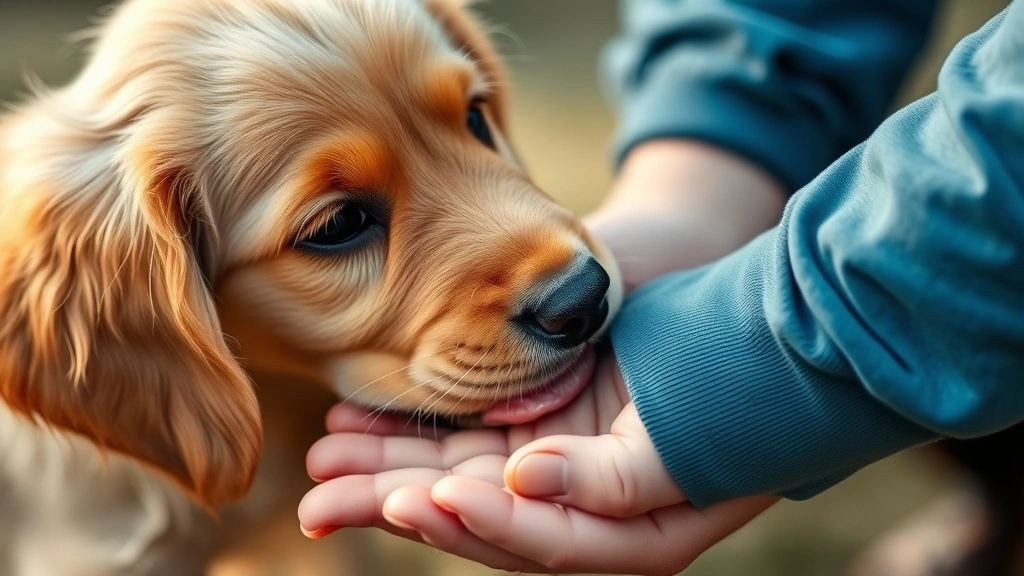
The most heartwarming explanation for why your dog licks your hand is pure affection. When dogs lick, they’re often expressing love and strengthening their emotional connection with you. This behavior traces back to puppyhood, when mother dogs lick their puppies to clean them and show nurturing care. Your adult dog carries this instinct forward, using licking as a way to demonstrate trust and attachment.
Research published by the American Kennel Club indicates that hand licking releases oxytocin in both dogs and humans—the same bonding hormone that strengthens parent-child relationships. When your dog licks your hand, their brain is literally rewarding them for this positive interaction. This creates a feedback loop where both you and your dog experience pleasure from the contact, deepening your mutual bond.
Different dog breeds may express affection through licking at varying intensities. Some breeds, like Labrador Retrievers and Golden Retrievers, are known for being particularly lick-prone due to their genetic predisposition toward friendly, people-oriented behavior. If your dog frequently licks your hand during calm moments or when you’re petting them, this is typically a sign of contentment and affection.
Communication and Attention-Seeking
Beyond affection, hand licking is a primary form of canine communication. Dogs use licking to convey messages they cannot express verbally. When your dog licks your hand persistently, they might be trying to tell you something specific. Common messages include requests for food, playtime, bathroom breaks, or simply wanting your attention.
Attention-seeking licking often follows a predictable pattern. Your dog may lick your hand, then look at you expectantly or move toward their food bowl, leash, or favorite toy. This is their way of saying, “Hey, I need something from you!” Understanding these contextual clues helps you interpret what your dog is actually requesting. If licking is accompanied by tail wagging and play bows, your dog likely wants to play. If it happens near mealtime and your dog keeps glancing at the kitchen, they’re probably hungry.
Some dogs develop hand licking as a learned behavior because it consistently gets them attention. If you’ve rewarded this behavior in the past by petting, talking to, or playing with your dog after they lick your hand, they’ve learned that licking = positive consequences. This is actually a form of operant conditioning, and it explains why some dogs become persistent hand-lickers over time.
According to the ASPCA, understanding the context of licking behavior is essential for proper interpretation. Pay attention to when, where, and how intensely your dog licks to better understand their underlying motivation.
Grooming and Cleaning Instincts
Hand licking isn’t always about emotion or communication—sometimes it’s simply grooming behavior. Dogs are naturally inclined to keep themselves and their pack members clean. When your dog licks your hand, they may be engaging in grooming behavior, treating you as part of their social group that deserves care and attention.
This grooming instinct is particularly strong in multi-dog households or when dogs have been raised around other animals. Your dog sees you as a family member worthy of their cleaning efforts. Additionally, if you’ve eaten something with an appealing scent or taste, your dog might lick your hand simply because it smells and tastes interesting to them. Remnants of food, lotion, or even sweat can make your hands incredibly aromatic to a dog’s powerful nose.
Grooming licking is typically gentle and non-obsessive. Your dog will lick for a short period, then move on to other activities. This is distinctly different from compulsive licking, which we’ll address later. If your dog licks your hands occasionally during normal interactions, especially after you’ve been handling food, grooming instinct is likely the culprit.
Medical and Health-Related Reasons
While most hand licking is behavioral, excessive or sudden increases in licking can indicate underlying health issues. If your previously non-licking dog suddenly starts licking your hands obsessively, or if licking is accompanied by other symptoms, veterinary attention is warranted.
Several medical conditions can trigger increased licking behavior:
- Skin Allergies: Dogs with allergies often lick their paws and nearby skin, sometimes extending to licking hands. If your dog is also licking their own limbs excessively, allergies should be investigated.
- Nutritional Deficiencies: Lack of essential nutrients can cause dogs to seek supplementary sources, sometimes manifesting as unusual licking behavior or pica (eating non-food items).
- Gastrointestinal Issues: Dogs experiencing digestive discomfort may lick more frequently as a self-soothing mechanism.
- Oral Problems: Dental disease, mouth pain, or gum infections can cause increased licking as dogs try to manage discomfort.
- Neurological Conditions: In rare cases, excessive licking can indicate neurological issues requiring professional evaluation.
If you’re concerned about your dog’s diet and want to ensure they’re getting proper nutrition, explore resources about what vegetables are safe for dogs like broccoli, carrots, and corn. Understanding proper canine nutrition helps prevent deficiency-related behavioral changes.
Consult with your veterinarian if licking behavior changes suddenly or becomes obsessive. Your vet can rule out medical causes and recommend appropriate treatment or dietary adjustments.
Stress and Anxiety Indicators
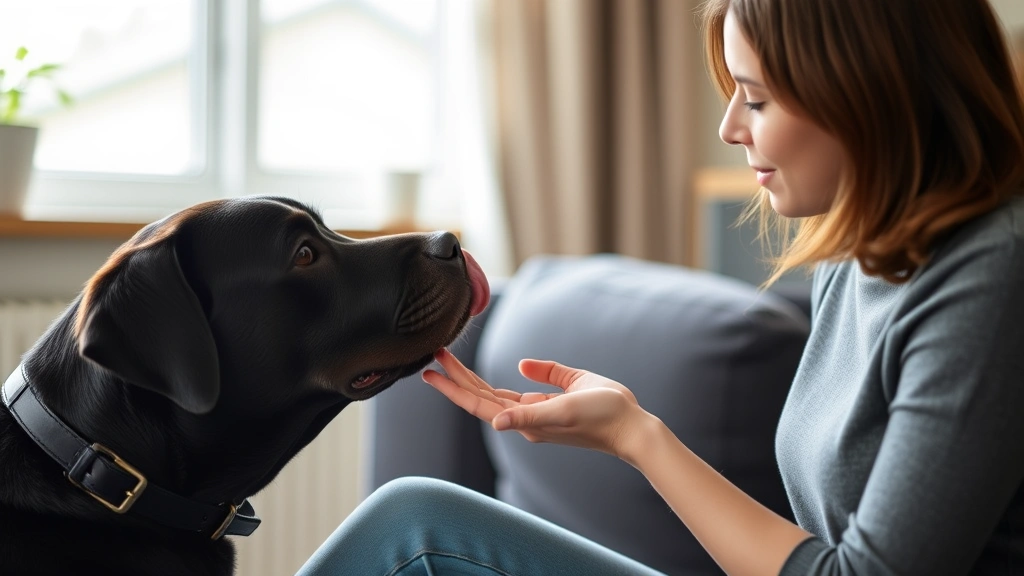
Excessive hand licking can be a sign that your dog is experiencing stress or anxiety. Dogs often engage in repetitive behaviors as self-soothing mechanisms when they’re nervous, scared, or overwhelmed. If your dog licks your hands intensely during thunderstorms, fireworks, vet visits, or other stressful situations, they’re likely trying to calm themselves.
Stress-related licking differs from affectionate licking in several ways. It’s often more frantic, persistent, and may not stop even when you try to redirect your dog’s attention. Your dog might also display other anxiety signs simultaneously, such as panting, pacing, whining, or seeking physical proximity to you.
Environmental changes can trigger stress-related licking. Moving to a new house, changes in your schedule, introduction of new pets, or family changes can all cause anxiety in sensitive dogs. If you suspect stress is driving excessive licking, work on creating a calm environment and consider consulting a professional dog trainer or veterinary behaviorist.
Anxiety-related licking can escalate into compulsive behavior if not addressed. The more your dog licks as a coping mechanism, the more their brain becomes wired to use licking for stress relief. Breaking this cycle early is important for your dog’s long-term behavioral health.
Behavioral Concerns and When to Worry
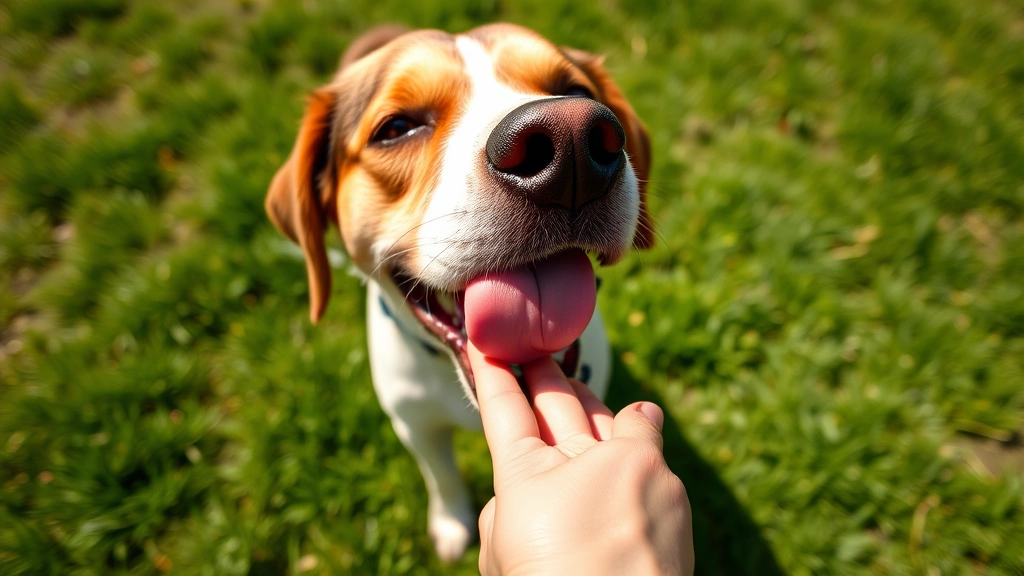
While occasional hand licking is normal and healthy, certain patterns warrant concern. Compulsive licking—where your dog licks excessively and repetitively regardless of context—can indicate obsessive-compulsive disorder in dogs, a condition that requires professional intervention.
Warning signs that hand licking has become problematic include:
- Your dog licks your hands for extended periods despite redirection attempts
- Licking occurs so frequently it interferes with normal activities like eating, sleeping, or play
- Your dog’s mouth or your hands show signs of irritation, rawness, or infection from excessive licking
- Licking behavior is accompanied by other repetitive behaviors like tail chasing or spinning
- Your dog seems unable to stop licking even when they want to
- Licking intensity increases over time despite your efforts to manage it
Compulsive licking can damage your dog’s mouth and your skin if left unchecked. Additionally, if your dog’s licking behavior suddenly intensifies, consider whether dietary changes might be contributing. Resources about safe foods like mushrooms or appropriate diets for dogs with digestive issues can help ensure nutrition isn’t driving behavioral changes.
Contact your veterinarian or a certified animal behaviorist if you notice these warning signs. They can determine whether your dog has a behavioral disorder, medical condition, or learned behavior that needs modification.
How to Respond to Hand Licking
Managing your dog’s hand licking behavior depends on the underlying cause and your personal preferences. Here are evidence-based strategies for different scenarios:
For Affectionate Licking: If your dog’s hand licking is simply expressing love, there’s no need to discourage it unless it bothers you. Many owners enjoy this form of canine affection. If you want to redirect without being harsh, gently move your hand away and redirect your dog to a toy or activity.
For Attention-Seeking Licking: Avoid rewarding this behavior with attention, even negative attention like scolding. Instead, ignore the licking and only provide attention when your dog engages in desired behaviors. This teaches them that licking doesn’t get results, but other behaviors do.
For Excessive Licking: Consult your veterinarian to rule out medical issues first. If medical causes are excluded, work with a professional trainer on behavior modification techniques. Providing appropriate outlets for licking—like lick mats or puzzle toys—can help satisfy the urge constructively.
For Anxiety-Related Licking: Focus on reducing your dog’s stress through exercise, training, environmental modifications, and potentially medication or supplements recommended by your vet. Calming products like anxiety wraps or pheromone diffusers may help.
Consistency is key when managing any behavioral issue. All family members should respond to licking in the same way to avoid confusing your dog about expectations.
FAQ
Is it safe to let my dog lick my hands?
Generally, yes—dog saliva has some antimicrobial properties. However, dogs’ mouths contain bacteria, so avoid hand licking if you have open wounds or compromised immune systems. Always wash your hands after extended licking if you’re concerned about hygiene.
Why does my dog lick my hands but not other people’s?
Your dog likely feels the strongest bond with you and may lick your hands as a sign of special affection or familiarity. They might also be seeking attention specifically from you, or your hands might smell more interesting to them due to foods you’ve handled.
Can excessive hand licking indicate pain?
Yes, sometimes. If your dog is licking your hands excessively and also licking their own body parts, paws, or showing other pain signals, consult your veterinarian. Licking can be a self-soothing response to pain or discomfort.
Should I punish my dog for licking my hands?
No. Punishment can increase anxiety and worsen compulsive licking. Instead, use positive reinforcement to reward desired behaviors and calmly redirect unwanted licking.
When should I contact a vet about hand licking?
Contact your vet if licking behavior suddenly increases, becomes obsessive, is accompanied by other symptoms, or if you notice skin irritation or infection from excessive licking.
Do all dogs lick hands equally?
No. Individual temperament, breed tendencies, early socialization, and personal history all influence how much a dog licks. Some dogs are naturally more lick-prone than others.





