

Why Dogs Lick Floors: Vet-Approved Reasons and What You Should Know
If you’ve ever watched your dog enthusiastically licking your kitchen floor or carpet, you’ve probably wondered what’s going on in their head. Floor licking is one of those quirky dog behaviors that can seem harmless or concerning depending on the frequency and context. Understanding why your dog engages in this behavior is the first step toward determining whether it’s normal canine curiosity or a sign of an underlying health issue.
Dogs lick floors for various reasons—some completely benign, others potentially serious. From searching for food residue to managing stress or addressing medical concerns, floor licking can reveal important information about your pet’s physical and emotional well-being. This comprehensive guide explores the most common reasons behind this behavior and helps you decide when it’s time to contact your veterinarian.
Food Seeking and Residue Detection
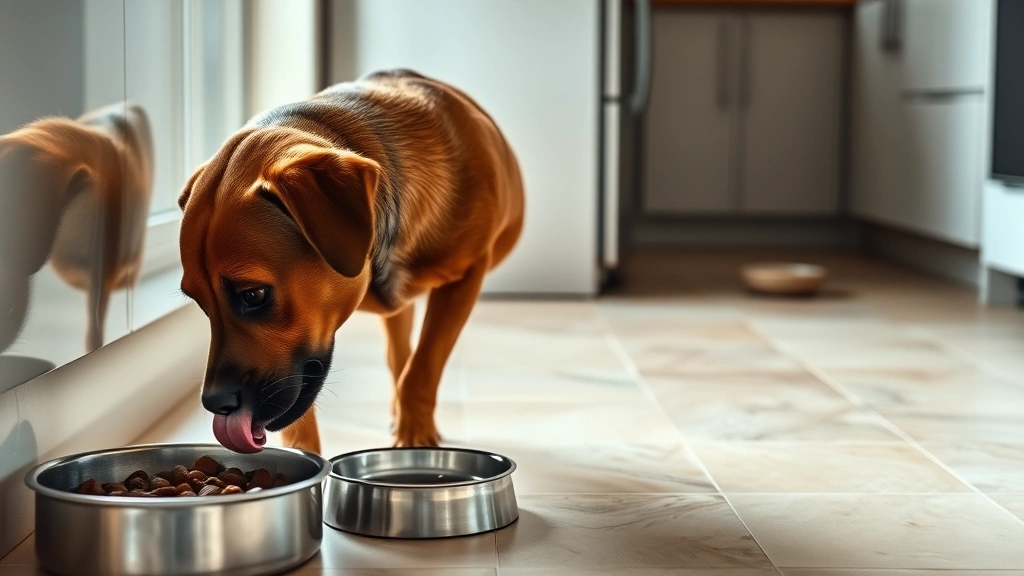
The most straightforward explanation for floor licking is that your dog is simply looking for food. Dogs have an extraordinary sense of smell—roughly 10,000 to 100,000 times more sensitive than humans—which means they can detect microscopic food particles invisible to the naked eye. After meals, even when you’ve swept or vacuumed, tiny crumbs and food residue remain on your floors, and your dog’s powerful nose can find them.
This behavior is particularly common in kitchens and dining areas where food preparation and consumption occur regularly. Your dog isn’t being difficult or misbehaving; they’re simply following their natural instinct to forage and consume available food sources. This is especially true for dogs with robust appetites or those who’ve experienced food scarcity in the past.
If floor licking occurs mainly in specific areas where you prepare or eat food, and your dog appears healthy otherwise, this is typically nothing to worry about. However, if you’re concerned about hygiene or want to discourage this behavior, regular cleaning with pet-safe products and keeping food-preparation areas clean can help reduce the temptation. You might also consider using a washable floor mat in eating areas to contain spills and make cleanup easier.
Nutritional Deficiencies and Cravings
A behavior called pica—the compulsive consumption of non-food items or unusual food behaviors—can develop when dogs lack essential nutrients. While floor licking isn’t technically pica, excessive floor licking can sometimes indicate that your dog’s diet is missing crucial vitamins, minerals, or other nutrients. Dogs experiencing nutritional deficiencies may exhibit unusual cravings and behaviors as their bodies attempt to self-correct.
Common nutritional deficiencies in dogs include insufficient iron, zinc, B vitamins, and certain amino acids. If your dog’s diet lacks balanced nutrition, they might be drawn to licking floors in search of minerals or other compounds they instinctively sense are missing. This is particularly common in dogs fed low-quality commercial diets or homemade diets without proper nutritional balance.
To address potential nutritional issues, evaluate your dog’s current diet. Ensure you’re feeding a complete and balanced diet that meets AAFCO (Association of American Feed Control Officials) standards. If your dog eats primarily human food or a home-cooked diet, consult with a veterinary nutritionist to ensure all essential nutrients are included. You can also explore whether your dog would benefit from supplementation, though this should always be discussed with your veterinarian first. Interestingly, some dogs show increased floor licking after consuming certain foods—if you’ve recently changed your dog’s diet and noticed an increase in this behavior, that could be a clue that the new food doesn’t suit them.
Speaking of diet, you might wonder about specific foods your dog consumes. If your dog has access to vegetables, you can check whether they can safely eat certain options. For instance, many people ask can dogs eat broccoli, and the answer is yes—broccoli is safe for dogs in moderation. Similarly, can dogs eat carrots is another common question, and carrots are not only safe but beneficial for dental health. Even can dogs eat corn is generally safe, though it should be removed from the cob. However, some foods are dangerous—why can’t dogs have chocolate is crucial knowledge, as chocolate contains theobromine, which is toxic to dogs. Additionally, can dogs eat cheese is a question many owners ask, and while cheese is safe in small amounts, it’s high in fat and should be limited.
Medical and Gastrointestinal Issues
Excessive floor licking can be a symptom of various medical conditions, making it important to rule out health problems. One of the most common medical causes is gastrointestinal distress. Dogs experiencing nausea, acid reflux, or other digestive issues may lick floors excessively in an attempt to soothe their discomfort or because they crave certain minerals that help settle their stomach.
Gastroesophageal reflux disease (GERD), inflammatory bowel disease (IBD), and pancreatitis can all trigger excessive licking behaviors. Additionally, dogs with parasitic infections or food allergies may exhibit this behavior due to intestinal discomfort. Allergies deserve special mention because they’re increasingly common in dogs and can manifest in unusual ways. A dog with food allergies might lick floors more frequently, especially if they’re trying to find something that won’t trigger their allergic response.
Other medical conditions associated with floor licking include:
- Dental disease—Pain or discomfort in the mouth can drive excessive licking
- Neurological disorders—Conditions affecting the brain or nervous system may cause compulsive licking
- Seizure disorders—Some dogs experience behavioral changes before or during seizures
- Oral infections or lesions—Infections in the mouth may cause uncomfortable sensations
- Medication side effects—Some medications can trigger unusual behaviors
- Organ dysfunction—Liver or kidney disease can cause behavioral changes
If your dog’s floor licking is accompanied by other symptoms—such as vomiting, diarrhea, loss of appetite, weight loss, excessive drooling, or behavioral changes—contact your veterinarian immediately. Even without accompanying symptoms, if the behavior is new or has increased significantly, it warrants professional evaluation.
Stress, Anxiety, and Boredom
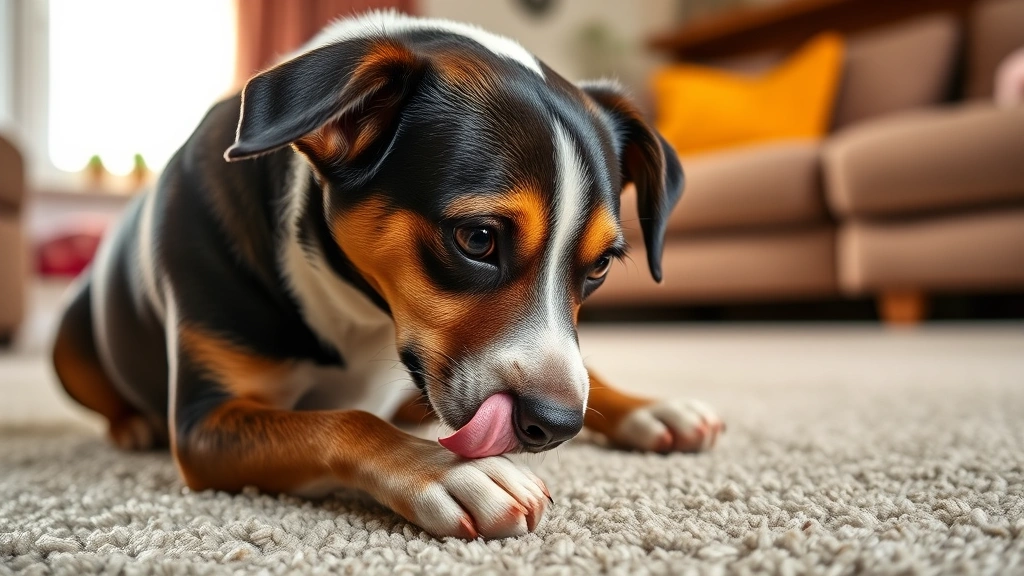
Dogs, like humans, engage in self-soothing behaviors when stressed or anxious. Floor licking can serve as a calming mechanism, similar to how some people bite their nails or fidget when nervous. This behavior releases endorphins, which are natural chemicals that reduce stress and create a sense of well-being. A dog experiencing anxiety might lick floors repeatedly as a way to manage their emotional state.
Common triggers for stress-related floor licking include:
- Separation anxiety when owners leave home
- Loud noises like thunderstorms or fireworks
- Changes in household routine or environment
- Introduction of new pets or family members
- Lack of physical exercise or mental stimulation
- Transitions between homes or moving to new locations
Boredom is another significant factor. Dogs are intelligent, active animals that require adequate physical exercise and mental enrichment. A bored dog might lick floors simply because it’s something to do. This is especially common in dogs that spend long periods alone without toys, games, or interactive activities. Increasing your dog’s daily exercise, providing puzzle toys, engaging in training sessions, and offering interactive play can significantly reduce boredom-related floor licking.
If you suspect stress or anxiety is driving the behavior, consider environmental enrichment, anxiety-reducing supplements like consulting with the ASPCA about anxiety management, or speaking with your veterinarian about behavioral medication if the anxiety is severe. Creating a safe space where your dog can retreat, maintaining consistent routines, and ensuring adequate exercise are foundational strategies.
Behavioral and Neurological Factors
In some cases, floor licking becomes a compulsive behavior that’s difficult for dogs to control. Obsessive-compulsive disorder (OCD) in dogs can manifest as repetitive licking behaviors, including floor licking. This is different from occasional or situational licking—compulsive floor licking happens repeatedly, often for extended periods, and the dog seems unable or unwilling to stop even when redirected.
Certain breeds appear predisposed to compulsive behaviors. Bull Terriers, German Shepherds, and Labrador Retrievers are among breeds more commonly affected by compulsive licking disorders. However, any dog can develop compulsive behaviors under the right circumstances.
Neurological conditions can also drive excessive licking. Canine cognitive dysfunction (essentially dementia in dogs) can cause behavioral changes, including unusual licking patterns, particularly in senior dogs. Seizure disorders, brain tumors, and other neurological conditions may also present with excessive licking as a symptom.
If you notice your dog’s floor licking is:
- Occurring multiple times per day for extended periods
- Causing visible damage to their mouth or tongue
- Preventing them from engaging in normal activities
- Not responsive to redirection or correction
- Accompanied by other repetitive behaviors
…then professional evaluation by your veterinarian is essential. They can perform neurological examinations and, if necessary, recommend medications or behavioral interventions to help manage compulsive behaviors.
When to Contact Your Veterinarian
While occasional floor licking is typically harmless, certain situations warrant professional veterinary attention. Schedule a veterinary appointment if:
- The behavior is new or has increased significantly in frequency
- Floor licking occurs multiple times daily or for prolonged periods
- Your dog shows signs of mouth injury, bleeding, or excessive drooling
- The behavior accompanies other symptoms like vomiting, diarrhea, or appetite changes
- Your dog appears to be in pain or distress
- The behavior is interfering with normal eating, sleeping, or play
- Your dog has a history of medical conditions or is taking medications
- You’ve noticed recent behavioral changes or personality shifts
During your veterinary visit, provide detailed information about when the behavior started, how frequently it occurs, what activities or situations seem to trigger it, and any other changes you’ve noticed. Your veterinarian may recommend physical examination, bloodwork, or other diagnostic tests to identify underlying medical causes. According to the American Kennel Club, behavioral changes often warrant medical evaluation first, as many behavioral issues have medical roots.
If medical causes are ruled out, your veterinarian might recommend behavioral modification strategies, environmental enrichment, or referral to a certified animal behaviorist. Some cases may benefit from anti-anxiety medication or other pharmaceutical interventions, especially if the floor licking is compulsive or stress-related.
FAQ
Is it dangerous for dogs to lick floors?
Occasional floor licking is generally safe, but frequent licking poses some risks. Dogs can ingest dirt, bacteria, or chemical residues left from cleaning products. Additionally, excessive licking can cause mouth irritation or injury to the tongue. If your dog licks floors regularly, ensure your home is cleaned with pet-safe products and monitor for signs of illness.
Can floor licking indicate a serious health problem?
While most floor licking is benign, it can indicate serious health issues including gastrointestinal disease, neurological conditions, or nutritional deficiencies. If the behavior is new, excessive, or accompanied by other symptoms, professional veterinary evaluation is important to rule out medical causes.
How can I stop my dog from licking the floor?
First, identify the underlying cause. If it’s food-related, maintain clean floors and provide adequate meals. If it’s boredom or anxiety, increase exercise and mental enrichment. For compulsive licking, redirect your dog to appropriate toys and activities. If medical causes are ruled out, your veterinarian can recommend behavioral strategies or, if necessary, medication.
Should I be concerned if my puppy licks the floor?
Puppies explore their world through their mouths, so occasional floor licking is normal. However, if your puppy engages in excessive licking, ensure they’re eating a high-quality puppy diet with proper nutrition for growth. Monitor for signs of parasites or digestive issues, which are common in puppies. If concerned, contact your veterinarian.
What’s the difference between normal licking and compulsive licking?
Normal licking is occasional, situational, and responsive to redirection. The dog can be interrupted and will engage in other activities. Compulsive licking occurs frequently, often for extended periods, and the dog seems unable or unwilling to stop. Compulsive licking may cause visible injury and interferes with normal behavior. If you suspect compulsive licking, seek veterinary evaluation.
Can allergies cause floor licking?
Yes, food allergies or environmental allergies can trigger excessive licking, including floor licking. Allergic dogs may lick to soothe itching or due to gastrointestinal discomfort from food sensitivities. If you suspect allergies, consult your veterinarian about elimination diets or allergy testing.
Is floor licking a sign of vitamin deficiency?
Excessive floor licking can indicate nutritional deficiencies, particularly of iron, zinc, or B vitamins. However, this is just one possible cause among many. If you suspect nutritional deficiency, have your veterinarian evaluate your dog’s diet and consider bloodwork to check nutrient levels.
Can stress cause floor licking?
Absolutely. Stress and anxiety can trigger self-soothing behaviors like floor licking. If your dog’s floor licking correlates with stressful events (thunderstorms, separation, changes in routine), anxiety management strategies like exercise, enrichment, and possibly medication can help.





